
Ever thought your dog could conquer an agility course? Picture your furry buddy darting through simple obstacles while you cheer them on. It’s a fun way to build trust and boost both of your confidence.
Agility training isn’t just playful, it’s a great workout that sharpens both the brain and the body. Plus, starting at home with a few easy setups can help ease your pup into the challenge.
In this guide, we’ll share simple, step-by-step tips that let you both move, laugh, and learn together. Isn’t it amazing how a little new trick can bring you closer as a team?
How to Start Dog Agility Training: Unleash Fun
Dog agility is a fun, fast-paced challenge where you and your furry friend work as a team. It all started back in 1978 at Crufts in England, taking a cue from horse-jumping shows. Your dog learns to tackle obstacles by following your cues, building both skill and trust. Before you jump in, make sure your pup is comfortable with basic commands, like sit, down, and stay, whether you’re at home in the backyard or indoors.
Here are some common obstacles you might try:
| Obstacle |
|---|
| Tunnel |
| Jump |
| Weave Poles |
| A-Frame |
| Seesaw (Teeter-Totter) |
| Tire Jump |
Starting out with simple setups in your backyard helps lower distractions, making it easier to build a strong foundation. Begin by rewarding your dog for nailing basic commands, and then introduce one obstacle at a time. As your dog’s confidence grows, add a little distraction so they learn to focus no matter where you are. It’s all about having a great time together while strengthening your bond.
Take it step by step. Begin with short, easy sessions and slowly lengthen them as your dog’s skills blossom. Use treats, praise, and a friendly, playful tone to keep your pet engaged. Whether you’re in a safe, cozy backyard or a roomy indoor space, a bit of patience and consistent practice will turn these early steps into a lifelong, fun activity for both of you.
Assessing Your Dog’s Readiness for Agility Training
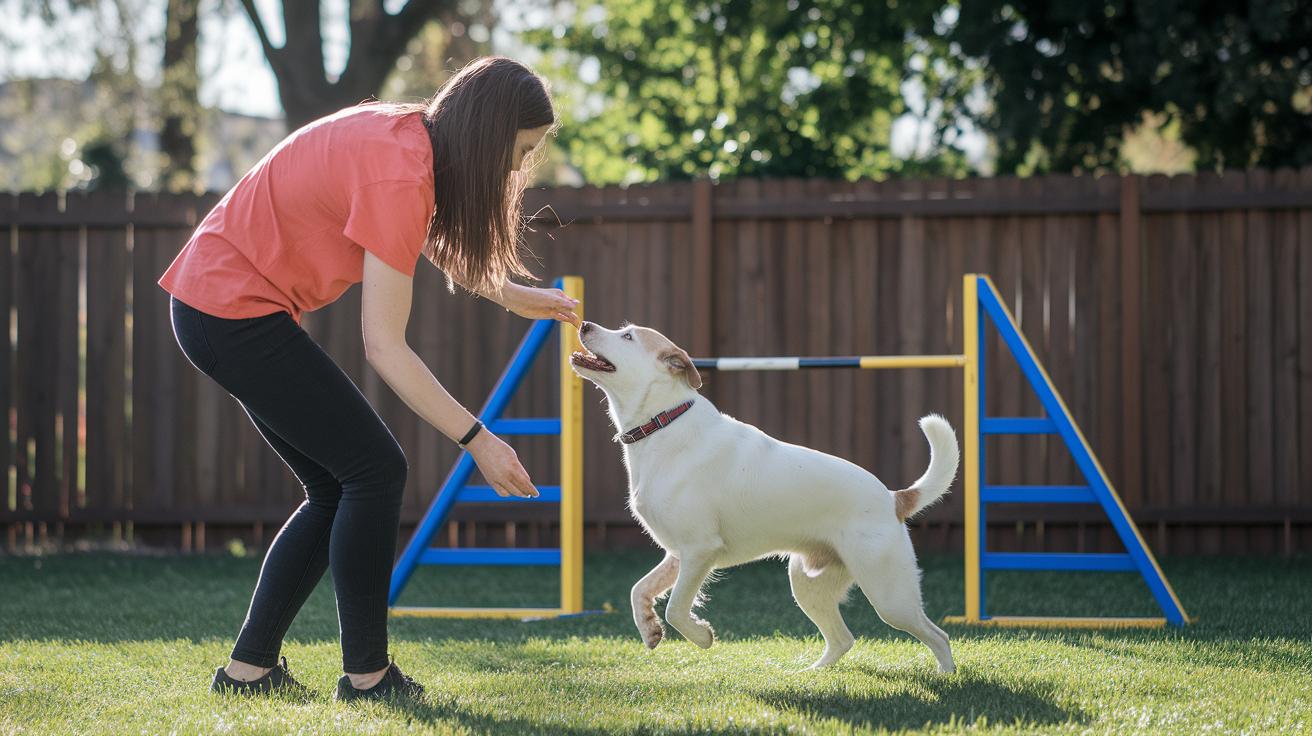
Before you jump into agility training, it’s a good idea to check that your pup is ready both in body and mind. Agility is a workout that needs energy, so it helps if your dog is fully grown, usually around 12 to 18 months, depending on the breed, to keep joint problems at bay. Plus, your furry friend should be comfortable with basic commands like sit, down, and stay. This kind of training not only keeps your dog safe during those tricky obstacles but also builds trust between you two, making every session a fun and relaxed adventure.
To get started with confidence, look for these simple signs that your dog is ready:
- They’ve hit age and breed-specific growth milestones.
- They respond well to basic obedience commands, even when distractions are around.
- Their vet has given a thumbs up for joint and muscle health.
- They show real motivation and eagerness to follow cues.
Essential Agility Equipment and DIY Obstacle Ideas
Making your own dog agility course at home can be a blast and it doesn’t have to cost much. You can turn everyday items into safe, fun challenges that match your dog’s size and skill. Try using things like PVC pipes, kids’ play tunnels, chairs, and even pool noodles to get creative without breaking the bank.
Start small by adding one DIY obstacle at a time. Once your pup feels comfortable with one, gradually mix them together to form a full course. Not only does this spark your creativity, but it also gives you precious bonding moments with your furry friend. And if you’re looking for extra gear or fresh ideas, check out dog supplies online for items that fit perfectly with your home-made setup.
| Obstacle Type | Materials Needed | DIY Tips |
|---|---|---|
| Tunnel | Children’s play tunnel or large cardboard tubes | Secure the ends with duct tape and lightweight supports |
| Jump | PVC pipes, broom handles, pool noodles | Create a stable frame and use soft padding for safety |
| Weave Poles | PVC pipes or sturdy water bottles | Place in the ground at even intervals or use weighted bases |
| Seesaw | Strong plank, a robust pipe or log as a fulcrum | Ensure the plank is well balanced and free to move safely |
Before letting your dog explore the new course, test each obstacle for stability and safety. Adjust the heights and spacing for your dog’s comfort, and introduce new obstacles gradually so your pet builds confidence with every run. Take it one step at a time, and soon you’ll have a full course that’s as enjoyable to build as it is to use.
Beginner Agility Exercises and Introductory Drills

Start with fun exercises that help your dog build confidence while learning simple moves. Try low-bar jumps, short tunnels, and two-pole weaves, each activity is a friendly way to get your pup comfortable with new obstacles. For instance, when practicing a low-bar jump, you can say, "Guide your pup over the bar like stepping over a tiny puddle on a sunny day." This gentle step-by-step method helps your furry friend link your words with easy actions.
Next, work on teaching your dog to patiently wait at the start line. Use treats and a calm voice to show your pup to sit and wait until you say, "Go." It’s important that your dog understands the start command is like the spark of a race where timing matters. A keen recall is key, so encourage your dog to come back quickly between obstacles, which builds trust and bonding.
You can also bring in clicker training to give clear cues that keep the excitement up. A neat trick is to use a dog clicker during training to highlight when your dog does something right. As your pet grows more sure of the moves, slowly mix two drills together. Always keep the focus on having a good time while gradually raising the challenge. Little wins, like smoothly switching from waiting to dashing off, make the sessions feel light and full of joy for both you and your dog.
Building a Home-Based Canine Obstacle Course
First, take a good look at the space you have. Whether it’s a part of your backyard or your indoor hallway, choose an area that’s safe and free of hazards. A clear space lets your dog focus on having fun without worrying about bumps or obstacles.
Next, pick some fun obstacles you can create with everyday items. For example, you can use a broom as a low jump, arrange chairs to form a weaving path, or turn a cardboard box into a simple tunnel. Keep the layout easy to follow by adding one obstacle at a time so your furry friend can learn at a comfortable pace.
Then, as your dog masters each challenge, add new elements slowly. You might adjust the gaps between obstacles to make the course a bit more exciting. For instance, after your pup nails a simple jump, try adding a gentle curve. This step-by-step approach helps build your dog’s confidence while keeping the course safe and enjoyable.
Structuring Training Sessions: Scheduling and Progress Tracking
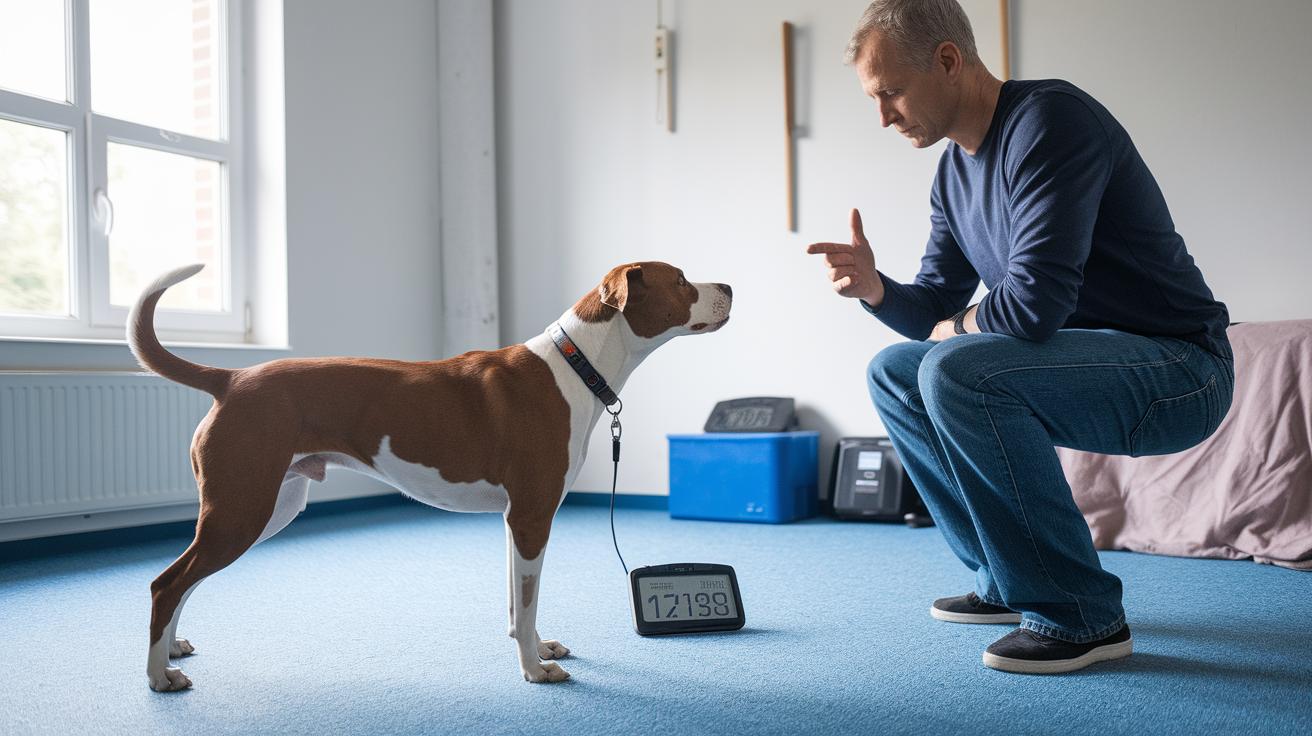
Plan on having about 2 to 3 short training sessions every week. Keep each session to roughly 10 to 15 minutes so your dog stays interested and not too tired. Start each session with a fun warm-up, like a few basic commands or a little playful time to get your dog in the right mood.
At the end of each session, cool down for a few minutes. A gentle walk or a repeat of some basic commands helps your dog relax after a busy practice. This easy balance lets your dog build strength and enjoy every minute of training.
Keep a simple record of how things go by noting details like time taken, a few mistakes, and how excited your dog feels. Over time, you'll see how your dog gets better and know when it’s time to try something a bit more challenging. It’s a little win for both of you every step of the way!
Safety Precautions and Troubleshooting Common Agility Challenges
Safety always comes first when you’re training your dog. After each session, take a moment to check if your furry friend shows any sign of sore muscles or aching joints, just like you’d check a bike before a ride. If your pup seems uncomfortable, try lowering the obstacles or shortening the course to keep injuries at bay. Make sure the areas under the obstacles have a good grip and wear sturdy shoes to reduce the risk of slips. If you spot any discomfort, pause the training to let your dog recover before getting back to it.
Sometimes, your dog might seem unsure or distracted during a run. When this happens, gentle praise, tasty treats, and a soft “good job” can make a big difference. Slowly reintroduce the obstacles so your dog builds up confidence step by step, kind of like applauding a child’s first wobbly steps. Patience is essential here; by calmly addressing any hesitations and keeping the session light, you help create a safe, fun environment where your dog can learn and enjoy every moment.
Joining Agility Clubs, Events, and Further Learning

Sometimes, the best way to learn is to join a group of fellow pet enthusiasts. Local clubs like AKC, NADAC, and USDAA host weekend trials and workshops that give you real, hands-on experience. You get to chat with other pet lovers, swap advice, and set clear training goals, all in a friendly, supportive setting. And if you ever feel stuck, you might want to reach out to a trusted dog trainer in your area for some extra help.
Online webinars and free classes also offer a flexible way to brush up on your skills. They let you review the basics at your own pace while still catching up with the latest agility techniques. These sessions are designed to be easy-going and perfect for beginners. Mixing local meetups with online learning can give you a well-rounded experience that keeps your energy high and your tail wagging. And who knows? You might even get inspired to check out some cool gear at pet supplies online!
Final Words
In the action, we covered every step for getting your dog started with agility training, from basic introductions and readiness checks to building DIY obstacle courses and scheduling fun, safe sessions. The guide sprinkled in practical tips such as using household items and monitoring progress along the way.
By focusing on these friendly approaches, you'll soon feel confident learning how to start dog agility training and creating enjoyable routines that boost your pet’s health and happiness. Keep it fun and safe!
FAQ
How to start dog agility training near California, Texas, or my local area?
Searching for local dog agility training near California, Texas, or your area involves finding nearby clubs, community centers, or online directories offering beginner programs. This approach helps you join local classes to learn safely.
How to start dog agility training for beginners and with my dog?
Starting dog agility training for beginners means building a base with simple obedience tasks first, then gradually introducing low, easy obstacles. This method ensures both you and your dog enjoy a secure, fun learning process.
How to start dog agility training at home?
Beginning agility training at home involves setting up simple, safe obstacles in your backyard or inside your home. Start with a clear, small layout and add new challenges only once your dog masters the basics.
How to start dog agility training on Reddit?
When you explore dog agility training on Reddit, you’ll find active communities sharing firsthand tips and experiences. These threads offer helpful advice, insights, and support from fellow pet enthusiasts.
When should a dog start agility training?
The ideal time for agility training is when your dog is fully grown, typically around 12 to 18 months. This timing helps protect their joints and ensures a safer, more effective training experience.
What are the 5 D’s of dog training?
The 5 D’s of dog training highlight core principles such as discipline, dedication, determination, consistency, and development. These elements work together to build a strong bond and effective training results.