
Ever wonder if your dog's meal plan is fit for a champion pup? The truth is that picking the right food can boost his energy and keep him happy.
By taking a closer look at labels, learning what each ingredient means, and sticking to advice you trust, you can choose meals that suit his age, breed, and lifestyle perfectly.
In this guide, you'll find easy, step-by-step tips to help you pick dog food that fuels his adventures and supports his overall health. Every meal can be both tasty and nutritious, just like a little celebration every time he eats.
Step-by-Step Dog Food Selection Guide
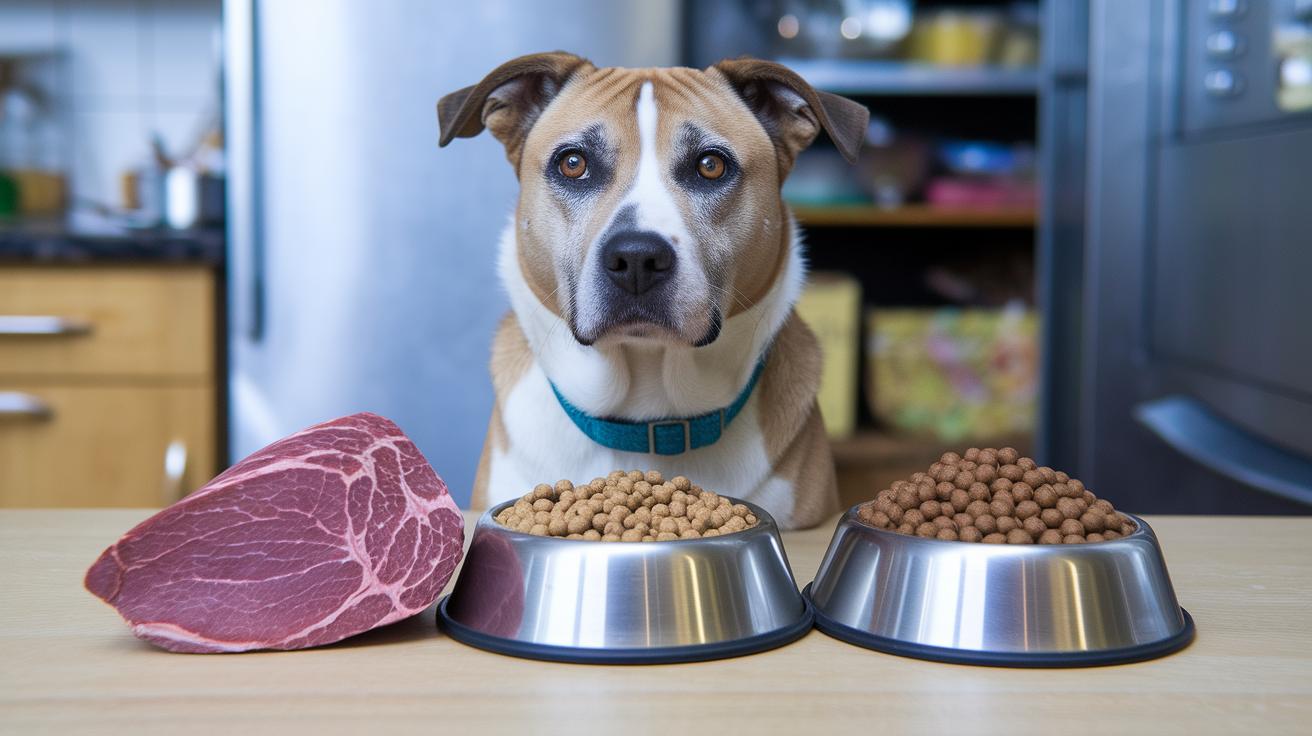
Choosing the right food for your dog is key to keeping him happy, healthy, and full of energy. When you know his age, weight, and breed size, you can plan meals that work now and use them to support his future well-being.
-
First, check your dog's life stage, weight, and breed size needs. For example, puppies need lots of calories, fats, proteins, calcium, and phosphorus to help them grow strong, while adult dogs need a balanced mix to stay at a healthy weight. Older pups might benefit from formulas that support their joints.
-
Next, look closely at the ingredient quality. It helps to find foods that start with real meat, like chicken, beef, or fish. Real meat makes a big difference compared to by-products or fillers.
-
Then, make sure the food follows AAFCO guidelines. This means that it meets the nutrition standards set for your pup’s particular life stage.
-
After that, check the calorie count and macronutrient ratios. This step is important because active dogs often need more calories, while laid-back breeds might need less to keep a healthy weight.
-
Also, think about the food format that suits you and your dog best. Whether it’s dry kibble, wet food, raw meals, or homemade recipes, choose the one that fits your lifestyle and your pet’s taste.
-
Finally, it’s always a good idea to consult with a veterinarian or a canine nutrition expert. They can help you create a diet plan tailored to any special health issues or allergies your dog might have.
Following these steps makes it easier to meet your pet’s specific dietary needs, keeping him strong and his tail happily wagging every day.
Interpreting Dog Food Labels for Better Dog Food Choices

Picking out the best food for your pup starts with understanding food labels. A clear label shows the ingredients and nutrients inside, giving you a real sense of what your furry friend will be eating. When you know what to look for, it's easier to make sure your dog gets a balanced meal that fits its age and health needs. For example, seeing that the nutrition adequacy statement follows AAFCO standards means the food meets trusted guidelines.
| Label Section | What to Look For |
|---|---|
| Nutrition Adequacy | AAFCO statement showing the food fits your dog’s life stage |
| Ingredient List | The first three ingredients should be high-quality proteins |
| Crude Protein/Fat/Fiber/Moisture | Percentages that match your dog’s specific needs |
| Calorie Content | Calories per cup or can to help with portion control |
| Manufacturer Info | Contact details if you need more info |
When you understand these details, comparing different brands gets much easier. Clear labels mean you can trust that ingredients, like quality proteins, are given priority and that the food meets important AAFCO nutrient profiles. This not only leads to smarter food choices but also supports your dog's health for years to come.
2. how to select dog food for happy pups

Puppy Life Stage
Puppies need super energetic meals that pack a nutritional punch. Look for foods loaded with calories, about 25% protein, plus DHA for their growing brains, and extra calcium and phosphorus for strong bones. Think of it like giving them a breakfast smoothie that jump-starts a fun day full of adventures.
Adult Life Stage
Adult dogs need a balanced meal to match their lively or chill lifestyle. A meal with just the right mix of proteins and fats helps keep them fit and happy. Imagine giving your furry friend a snack that refreshes them as much as a cool sip of water on a hot day.
Senior Life Stage
Older dogs benefit from lighter meals that ease calorie concerns and support their joints. Foods with ingredients like glucosamine (which supports healthy joints) and antioxidants can help them stay active and comfortable. Picture a gentle, warming bowl of food that feels as soothing as a soft cup of tea after a long day.
Breed-Size Nutrition
It’s also smart to choose food based on your dog’s size. Small breeds under 30 lbs need nutrient-packed meals with smaller kibble. Medium breeds (30–70 lbs) do well with balanced nutrition, while large breeds over 70 lbs do best with food designed for controlled growth and extra joint care. It’s a bit like picking the right size shoe – the perfect fit makes all the difference.
Comparing Dry, Wet, and Alternative Dog Food Options
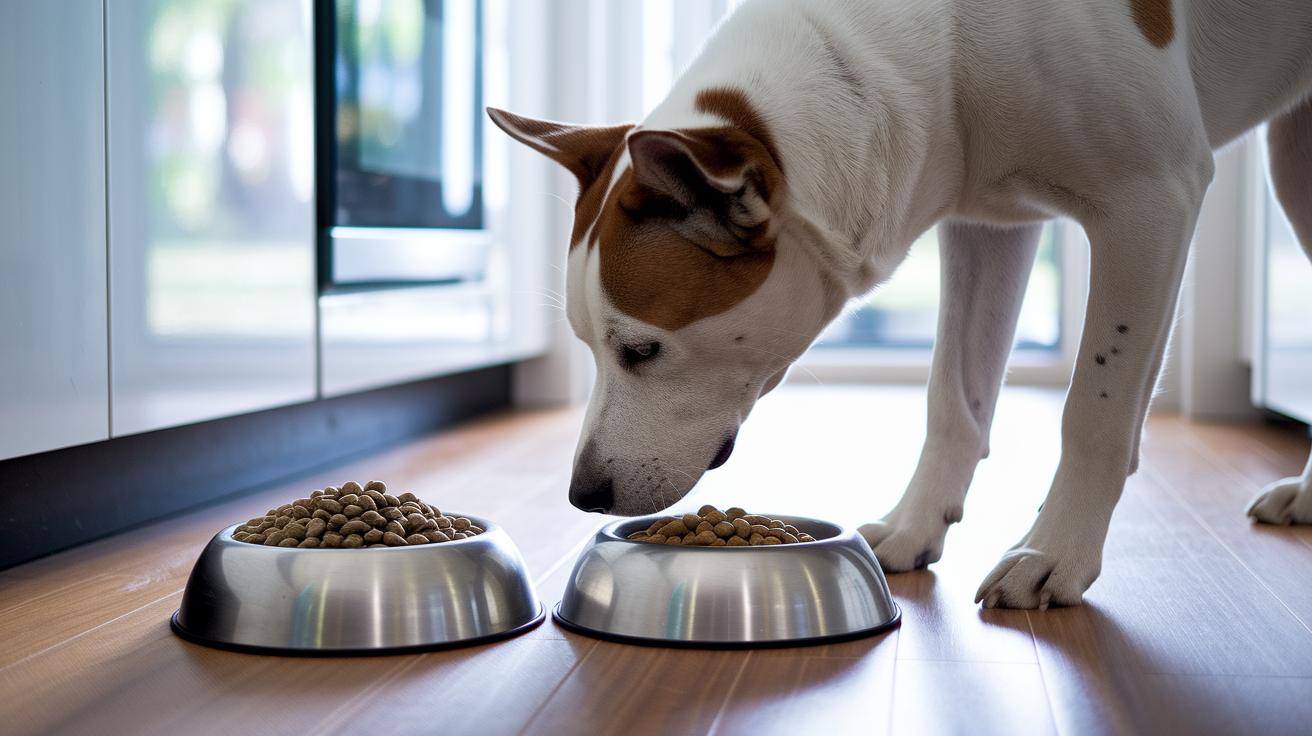
Dry kibble is a favorite because it goes through lots of testing to meet basic nutrition standards. It’s like a simple, everyday meal that keeps costs low while also helping clean your dog's teeth by reducing tartar buildup. Still, some dogs might not love the taste, and its lower moisture means it doesn’t help with hydration as much.
Wet food, on the other hand, is great for keeping your pet hydrated thanks to its high water content. Its soft texture and inviting smell can make mealtime feel extra special, especially for dogs that like a saucy treat. However, wet food can be more expensive and needs proper storage once the bowl is empty.
Alternative diets, including raw, freshly prepared, or home-cooked meals, give you the chance to tailor your dog’s food more like nature intended. These meals can be complete and balanced if prepared correctly. Just remember, it’s important to follow safe handling practices or use recipes from trusted experts, like those found in Vet Approved Homemade Dog Food Recipes, to keep your pet healthy.
Dog Food Portion Control and Feeding Schedules

Figure out how many calories your dog needs to stay healthy and happy. For a tiny 10-lb pup, that could mean around 200 calories a day, while a 50-lb buddy might need roughly 900. Always check the food label for calorie details and adjust the portions based on your dog's body shape and playtime. It's a bit like following a recipe – not enough leaves your pet hungry, too much means extra pounds. Tools like the Pet Nutrition Alliance Calorie Calculator can really help you get it just right.
Setting up a regular feeding routine is key, too. Feeding your furry friend at the same times each day helps keep their metabolism steady and stops them from overeating. Check your dog’s weight every week and tweak the portions as needed, just like adjusting a recipe until it's perfect. This little habit helps ensure your pet remains fit, lively, and ready for all the day's adventures.
Specialized Dog Food for Health Conditions and Vet Guidance
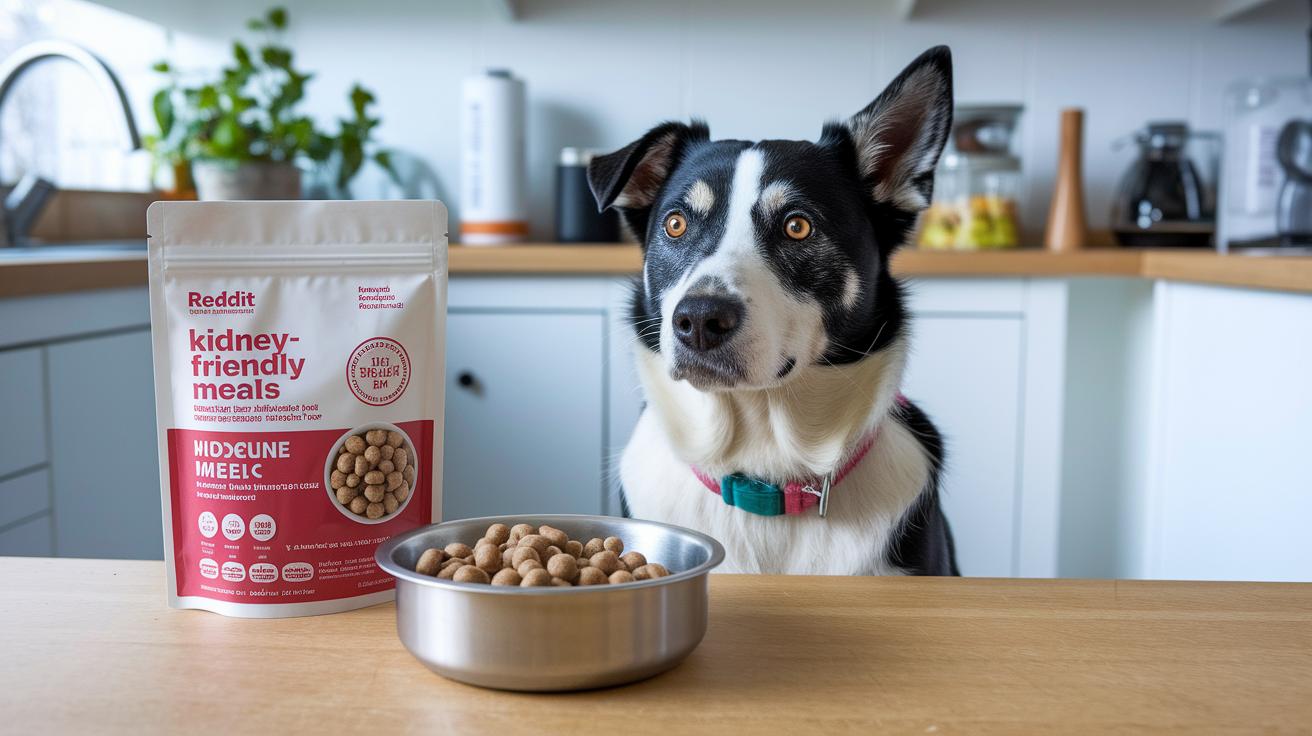
Some pups have special health needs, like urinary stones, allergies, kidney problems, or upset tummies, that mean they need a little extra help with their food. For example, dogs with kidney issues often do better on vet-prescribed diets that control mineral levels. Meanwhile, dogs with food sensitivities might feel more comfortable with meals made from a few simple ingredients or special proteins that are easier to digest. Look for labels that say "complete and balanced" because they meet trusted standards and pack the right nutrients for your pet’s needs. This careful choice can help keep your furry friend comfy and healthy every day.
It’s a smart idea to chat with your vet or a pet nutrition expert when picking out special dog food. Their advice helps you create a meal plan that fits your dog’s unique needs and can even stop problems before they start. Your vet might point you toward helpful guides like Holistic Pet Nutrition or tips for planning a healthy diet. By leaning on the guidance of a professional, you’re not just feeding your dog, you’re making sure every bite supports their well-being. And, honestly, isn’t it a relief to know you’re taking such good care of your best friend?
Final Words
In the action, we reviewed a step-by-step guide on picking the best food for your dog. We covered everything from checking labels and matching food to life stages and breed sizes, to comparing dry, wet, and alternative diets. We also talked about proper portion control and the importance of vet guidance for special diets. Following these tips helps ensure your pet’s nutritional needs are met, and you know exactly how to select dog food for a happy, healthy companion.
FAQ
How does the dog food quiz help me choose the right food?
The dog food quiz evaluates your pet’s age, breed, activity level, and sensitivities to narrow down options. It guides you toward choices that suit your pet’s unique nutritional needs.
What should I look for to avoid poor quality dog food ingredients?
Poor-quality dog food often contains fillers, excessive artificial additives, and unclear protein sources. Instead, choose foods that list quality proteins and clear, natural ingredient statements.
What defines the best dog food, especially regarding AAFCO-approved options?
The best dog food meets AAFCO standards, offering balanced real meat, healthy fats, and essential nutrients. Always look for the AAFCO statement on labels to ensure your pet’s food is safe and nutrient complete.
Where can I find an AAFCO approved dog food list?
AAFCO approved dog food lists are available from reputable online resources and manufacturer websites. They help verify that the chosen product meets established nutritional guidelines for your pet.
What are some top vet-recommended dog food brands and which ones should I avoid?
Top vet-recommended brands emphasize high-quality ingredients and precise formulations. Avoid brands that rely heavily on fillers or offer vague ingredient lists, which may not meet your pet’s nutritional needs.
How do I pick the right dog food for my dog?
Picking the right dog food involves assessing your pet’s life stage, weight, and health requirements. Use trusted guides and consult your veterinarian for personalized recommendations and portion advice.
What does the 95 rule for dog food mean?
The 95 rule means that up to 95% of the diet meets complete nutritional criteria. Reading labels carefully ensures that most of your pet’s food provides balanced, essential nutrients.
Is 30% protein too high in dog food?
Thirty percent protein is often appropriate for active or growing dogs but might be excessive for less active or older pets. Always consult with your veterinarian to match protein levels with your dog’s lifestyle.