
Ever thought an older pup can't learn new tricks? It may seem hard to house train a grown dog, but with the right steps, it really can work.
Imagine setting up a cozy little den for your dog, a special spot where they feel safe and can learn new things. In this guide, you'll find simple, practical tips that turn messy habits into calm, confident routines. With lots of patience and a clear daily routine, your furry friend can learn the ways of the house, making both of your lives a little easier and a lot sweeter.
How to house train an adult dog: Success!
Start by setting up a safe, cozy spot where your dog feels at home. A crate works perfectly for this, it’s like a small, snug den that naturally encourages cleanliness. For more tips on picking the right size and spot for the crate, check out dog crate training advice on Reipet.com. This little area helps keep accidents to a minimum and gives your pup a place to relax.
Next, try using leash-assisted potty walks. Clip on a 25-foot or retractable leash and gently guide your dog to their favorite spot outside. Imagine taking a gentle walk together where the fresh air and quiet remind your dog it’s time to go. This simple routine keeps distractions low and helps your furry friend focus on doing their business.
Then, set up a regular schedule for potty breaks. While adult dogs might hold it overnight, they usually need a break every 2–3 hours during the day, especially after meals, playtime, or naps. Plan for about 5–6 outings each day, based on your dog’s hints. Sticking to this routine is key, and if accidents happen, try not to worry too much. Just keep in mind that frequent accidents might be a sign to visit the vet for a check-up.
Finally, make sure to shower your dog with treats and kind words every time they go outside. Rewarding good behavior right away helps solidify the habit and makes house training a lasting win for your adult dog.
Setting Up a Consistent Potty Schedule for Your Adult Dog
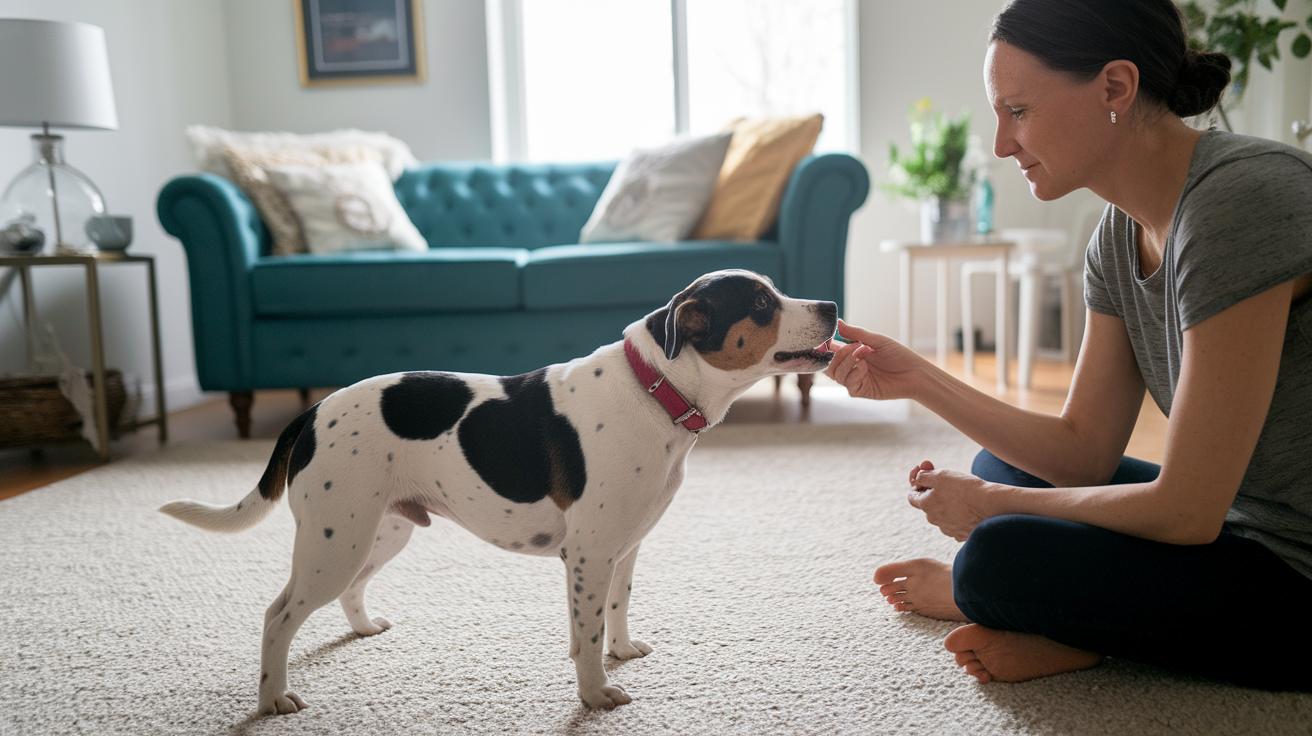
Stick with a set routine so your dog understands when it’s time to go. Adult dogs can hold it overnight, but they usually need a break every 2 to 3 hours during the day, especially after meals, playtime, or naps. Try sticking to a regular feeding time and head out for a walk or potty break about 30 minutes later.
Aim for 5 to 6 trips outside each day so your dog gets plenty of chances to use the same spot. Keep an eye out for clues like sniffing around or circling, those are little hints that it’s time to go. I even keep a small notebook to track the times and signs; it really helps pin down the perfect schedule.
When you can’t get outside right away, set up a calm, indoor spot for your pup. Keep things low-key during these moments to help your dog learn what’s expected, similar to how you’d stick to a steady brushing routine.
Using Positive Reinforcement to Encourage Proper Elimination
When your dog does its business outside, celebrate the moment with a quick treat and lots of praise. Use a high-value snack and say something cheerful like "Great job, buddy! You've earned a treat!" right when your pup is at the right spot. This immediate reward makes it clear that it did something good.
Sticking to a routine is super helpful. Every time your dog heads outside and starts doing its business, offer a reward and a friendly "Nice work, you've nailed it!" This clear feedback helps your furry friend build strong habits while keeping training fun and upbeat.
And remember, if there’s an accident, skip the scolding, a "guilty" look is often just a reaction to your tone. Instead, keep focusing on celebrating the good moments until treats and kind words become a natural part of your training routine.
Special Considerations for Rescue and Senior Dogs in House Training
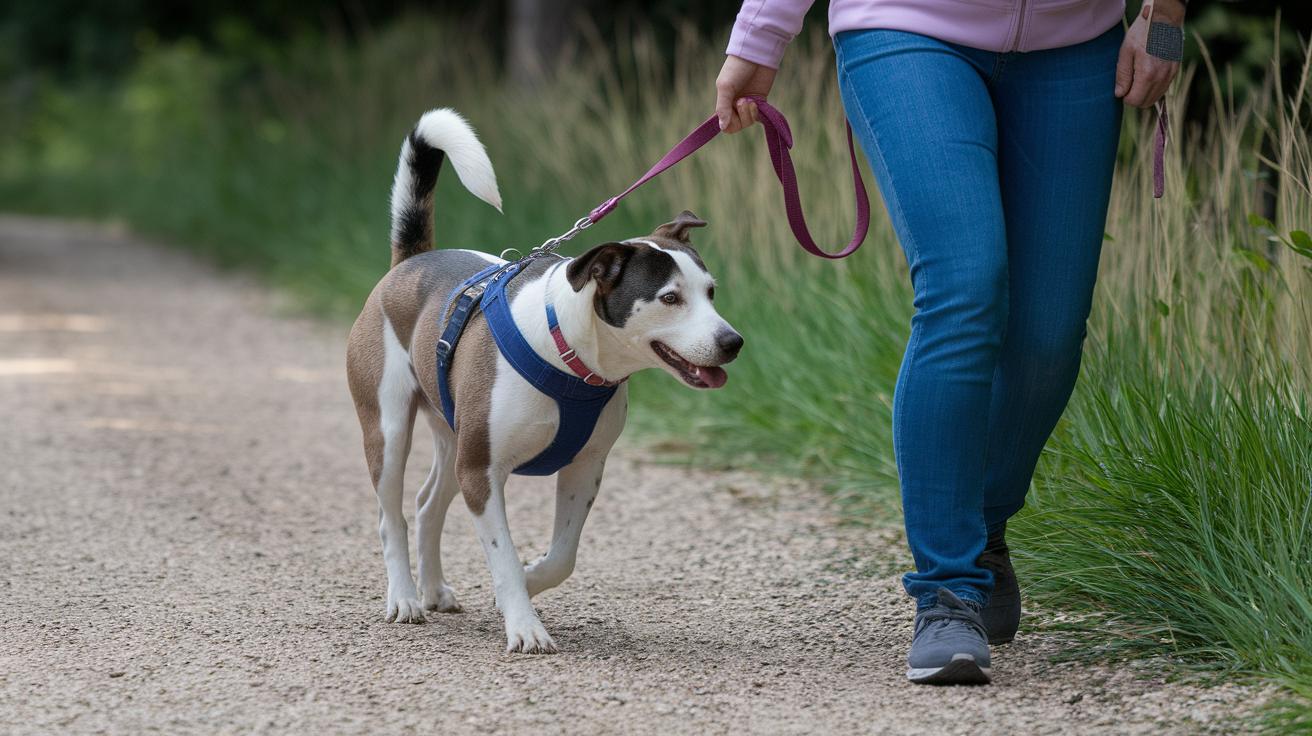
Rescue pups and older dogs often face extra hurdles when learning good bathroom habits. Many rescue dogs may feel nervous about stepping outside because of rough past experiences. For instance, one case involved 300 dogs from a puppy mill who needed gentle retraining. Older dogs, on the other hand, might act differently as their eyesight, hearing, or other senses start to fade.
Before you begin any new house training routine, it’s always smart to get a vet check to rule out any health issues. If you notice any unusual signs, take a closer look to see if your pet might need a visit to the vet. A clear report from the vet helps make sure that any discomfort isn’t caused by a hidden problem.
When you’re ready to work on training, set up a quiet, safe spot where your dog can feel secure while doing their business. Using a 25-foot leash or a retractable lead gives you good control and helps guide your pet to the right spot. This is extra helpful if your dog feels anxious about going outside.
Take your time and let your dog set the pace. Watch for signs like hesitation or fear, and if they do their business correctly, be sure to cheer them on with a friendly, “Nice work, you’re doing great!” Being patient and consistent really pays off as your furry friend gradually learns to trust the process again.
Troubleshooting Common Indoor Accidents and Prevention Tactics
Figure out what might be making your dog stressed or overexcited. Sometimes a burst of play or an unexpected visitor can lead to an accident. If you notice your pup sniffing nervously or circling during play, that might be a hint they need to go out again. Try planning extra breaks during lively play sessions to keep things running smoothly.
When accidents happen indoors, clean up with an enzymatic cleaner. These cleaners break down urine smells so your dog isn’t drawn back to the same spot. For example, after cleaning, the area smells fresh, and there’s no lingering scent inviting a repeat accident.
Here are some simple fixes you can try:
| Tip | Description |
|---|---|
| More Outdoor Breaks | Let your dog out more frequently for a chance to do their business. |
| Adjust Schedules | Change feeding and playtimes to help build a regular routine for elimination. |
| Limit Indoor Access | Temporarily restrict certain areas so your dog can’t go to their usual soiling spots. |
If you notice sudden indoor marking, keep a close eye on any changes in behavior that might show stress. Consider tweaking your routine to help your pup feel more at ease. Remember, sometimes it takes just a little patience and a few small changes to turn things around.
Incorporating Leash-Assisted Potty Walks and Professional Resources
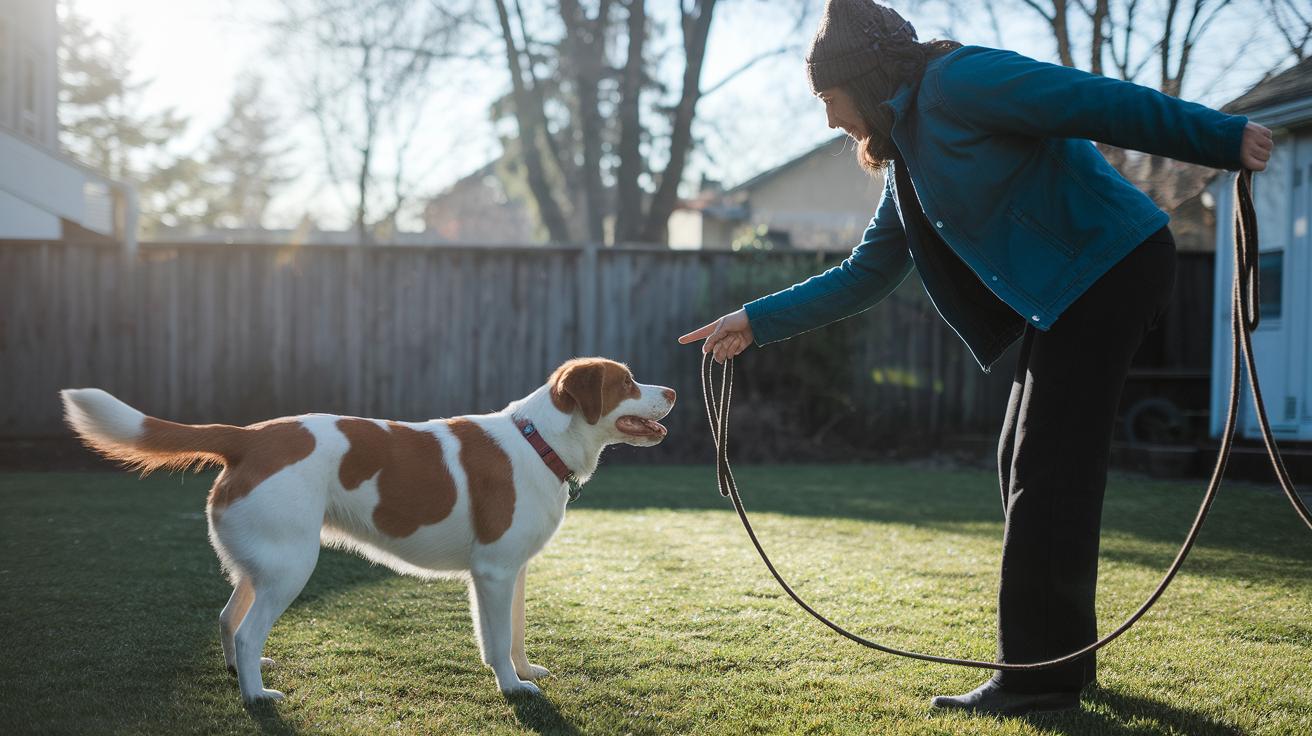
Your dog's leash can be a friendly reminder for potty time without the fuss of too many detailed steps. Once your pup starts heading to its usual spot on its own, you can simply say, "Okay buddy, let's head to your spot," and know that the cue has worked.
If you need a little extra help, consider exploring professional training resources. You might check out local dog training classes at dog training classes or try an online course. These sessions can offer new ideas and expert tips if your dog sometimes misses a cue.
Mixing everyday leash routines with expert guidance creates a steady plan that makes training smooth and enjoyable for both you and your pet.
Monitoring Progress and Adjusting Your House-Training Plan
Start a simple log where you write down every outdoor trip and any little accidents. Jot the time and note any noticeable behaviors, like sniffing or circling before your pet goes. For example, you might record, "At 10:15, saw sniffing near the door before leaving." This log helps you spot patterns without extra fuss.
Mix in your notes about your pet’s signals with adjustments to the schedule. If you keep seeing signs like circling or sniffing, it might be time to take your pet out a bit earlier. Even small changes, like shifting break times or offering a little extra praise, can help smooth out any hiccups.
When you notice a setback, stick with small, gradual changes. Use your log to decide if you should adjust the timing of breaks or tweak the reward system. This steady approach keeps your training plan on track and makes it easier for both you and your pet.
Final Words
In the action steps we covered, we unpacked the benefits of crate training, leash-assisted walks, and a structured schedule to support your pet’s progress. Using rewards and gentle guidance helps keep training positive while monitoring your dog's cues ensures you can make smart adjustments. We also touched on special care for rescue or senior dogs and tips to handle indoor mishaps. Follow these practical tips on how to house train an adult dog, and soon you'll see both confidence and joy blossom in your home.
FAQ
How to house train an adult dog and how long does it take?
The process of house training an adult dog relies on a steady routine with crate training, scheduled outdoor breaks, and rewards. It can take anywhere from days to a few weeks depending on your dog’s adjustment.
How do I retrain my dog from peeing and pooping in the house?
Retraining redirects your dog’s behavior by setting a firm routine. Consistent feeding, frequent outdoor breaks, and positive reinforcement help shift habits from indoor accidents to successful outdoor elimination.
How do I house train a rescue or senior dog?
House training a rescue or older dog starts with a health check, a calm outdoor spot, and a gentle routine. Building trust with steady rewards, patience, and familiar cues sets up lasting, positive habits.
What is the 10-10-10 rule for potty training?
The 10-10-10 rule for potty training typically refers to a balanced strategy: setting a consistent schedule, using clear cues, and ensuring proper clean-up. It creates a simple framework to reinforce good habits.
What options remain as a last resort for dog potty training?
When standard methods haven’t worked, the last resort is usually to seek professional help or modify your routine significantly. Expert advice can pinpoint issues and offer tailored strategies for success.