
Ever wondered if taking care of a bunny is as hard as it sounds? You might be surprised, it's much easier than you think. A few simple steps can turn your pet rabbit’s life into one full of joy.
Start by giving your bunny a warm and secure home where it feels safe, just like a cozy nest. Next, plan a balanced diet with its favorite fresh veggies and pellets. And don’t forget to add a little fun to every day with playful routines that make mealtime and playtime feel like a special family gathering.
Before you know it, your furry friend will be thriving, filling your days with happy hops and gentle moments. Isn't it amazing how small changes can lead to big smiles?
Essential Steps to Care for a Pet Rabbit
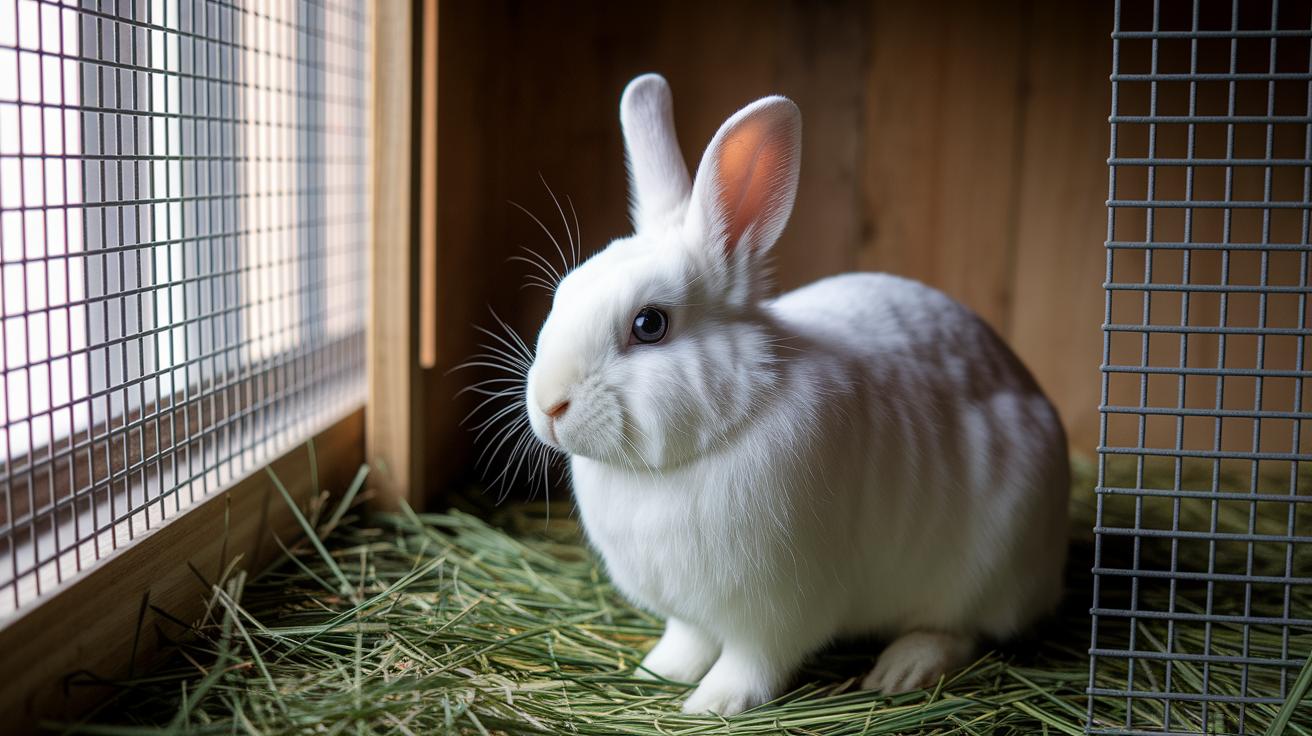
Having a clear plan makes a big difference for new rabbit owners. When you know exactly what your bunny needs, a safe place to live, a good meal, and regular vet visits, it feels like you have a helpful friend guiding you. Imagine setting up your pet’s world as carefully as you set the table for a special family dinner. This easy-to-follow list helps you build daily habits that keep your bunny cheerful and healthy.
Using this checklist every day turns caring for your rabbit into a simple routine. It reminds you to focus on what matters most, like feeding, grooming, and playtime. Even small steps, such as cleaning your rabbit’s home or spending a few minutes gently petting them, add up over time. A steady routine not only boosts your bunny’s health but also builds trust and comfort.
Now that you have the big picture, here’s a simple list of key points to help you care for your rabbit every day:
- Prepare a secure home, whether indoors or outdoors.
- Provide a balanced daily diet.
- Set up a specific area for litter.
- Establish a regular grooming routine.
- Offer daily exercise and fun activities.
- Schedule regular checkups with the vet.
Safe and Secure Housing for Your Pet Rabbit
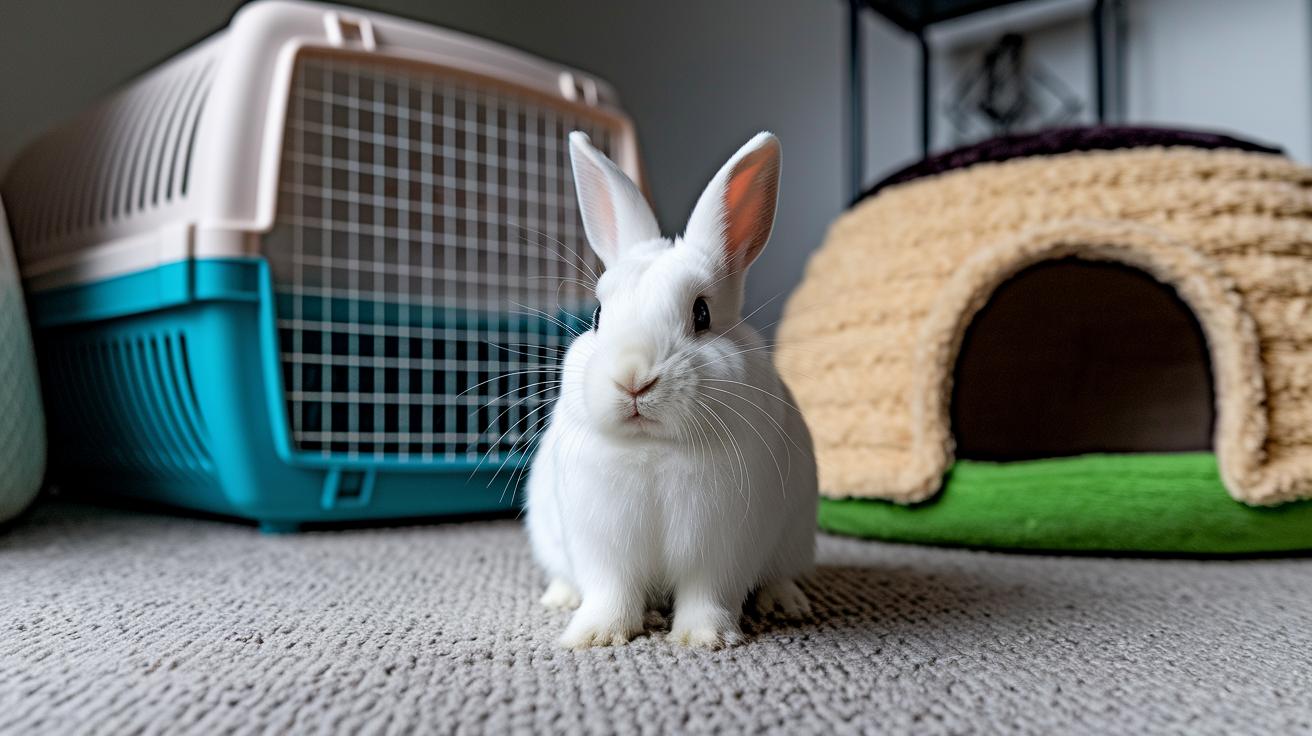
Having a roomy, airy home is the first step to keeping your bunny safe and happy. If your pet lives indoors, give them a snug sleeping cage along with a big exercise pen where they can stretch, hop, and explore. For bunnies that live outside, a sturdy hutch with a weatherproof roof and a secure run is essential to keep them safe from predators. Think of it like building a little fort that shields your bunny from wind and pests while inviting playful hops. Sometimes, setting up an indoor space can feel as fun as designing a child's playroom, safe and full of joy.
A cute hideout can really boost your bunny's comfort and help keep their area super clean. Try designs with several exits and safe corners; materials like dried willow even work as chew toys, adding a bit of fun to each day. And remember, regular cleaning matters a lot. Refresh indoor litter trays every day and tidy up outdoor hutches in warm weather to prevent problems like flystrike. A neat space is much like a quiet retreat where everything feels just right.
| Housing Type | Space & Features |
|---|---|
| Indoor Enclosure | At least 8 sq ft sleeping area; 24 sq ft exercise pen; includes a litter tray and a hideout |
| Outdoor Hutch & Run | 12 sq ft hutch area; 36 sq ft run; features a weatherproof roof and secure flooring |
Nutritional Guidelines and Feeding Schedule for Rabbits
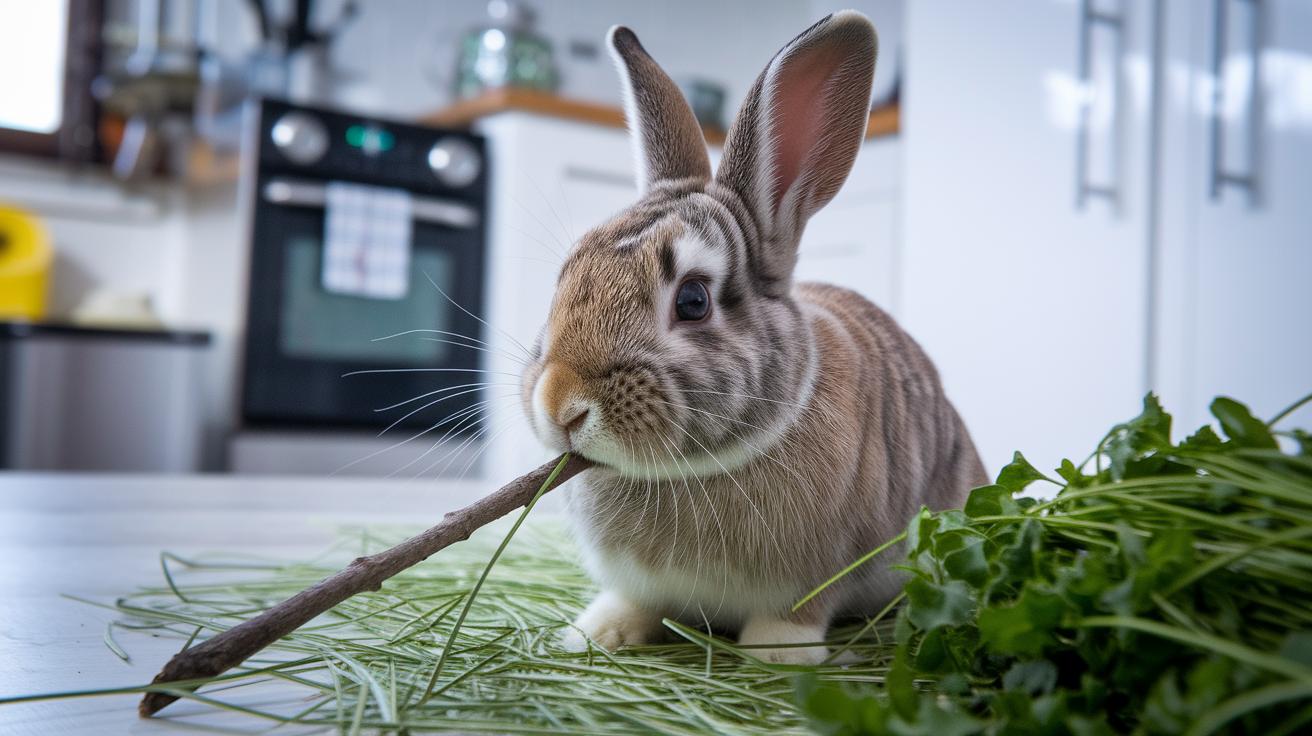
Timothy hay is the heart of your rabbit's diet. It helps keep their digestive system moving smoothly and naturally. Letting your bunny enjoy an endless supply of hay is key to preventing serious gut issues, like dangerous blockages. For example, Grandpa’s Best Second Cutting Timothy Hay Mini Bale comes in a compact 5 lb brick that fits well in small spaces while still giving your rabbit plenty of fiber. Think of it as a natural, yummy treat that looks after your pet’s tummy.
Fresh veggies and pellets complete a balanced diet. A simple rule is to serve about 1 cup of fresh greens for every 2 lb of your rabbit's body weight. This way, your pet gets all the vitamins it needs without being overwhelmed. Plus, offering ¼ cup of pellets each day provides a nutrient boost in an easy-to-measure portion. Soon, feeding time turns into a fun, everyday routine, kind of like setting up a little picnic for your bunny!
When it comes to treats that are also good for dental health, safe chewing options work wonders. Try giving your rabbit a few organic wooden chew sticks; these help with tooth growth and manage natural tooth wear. And sometimes, you can use paper-based or homemade litter mixed with hay in a special spot to keep your pet safe from accidentally nibbling on harmful materials like clumping cat litter.
Grooming and Hygiene Practices for Healthy Bunnies
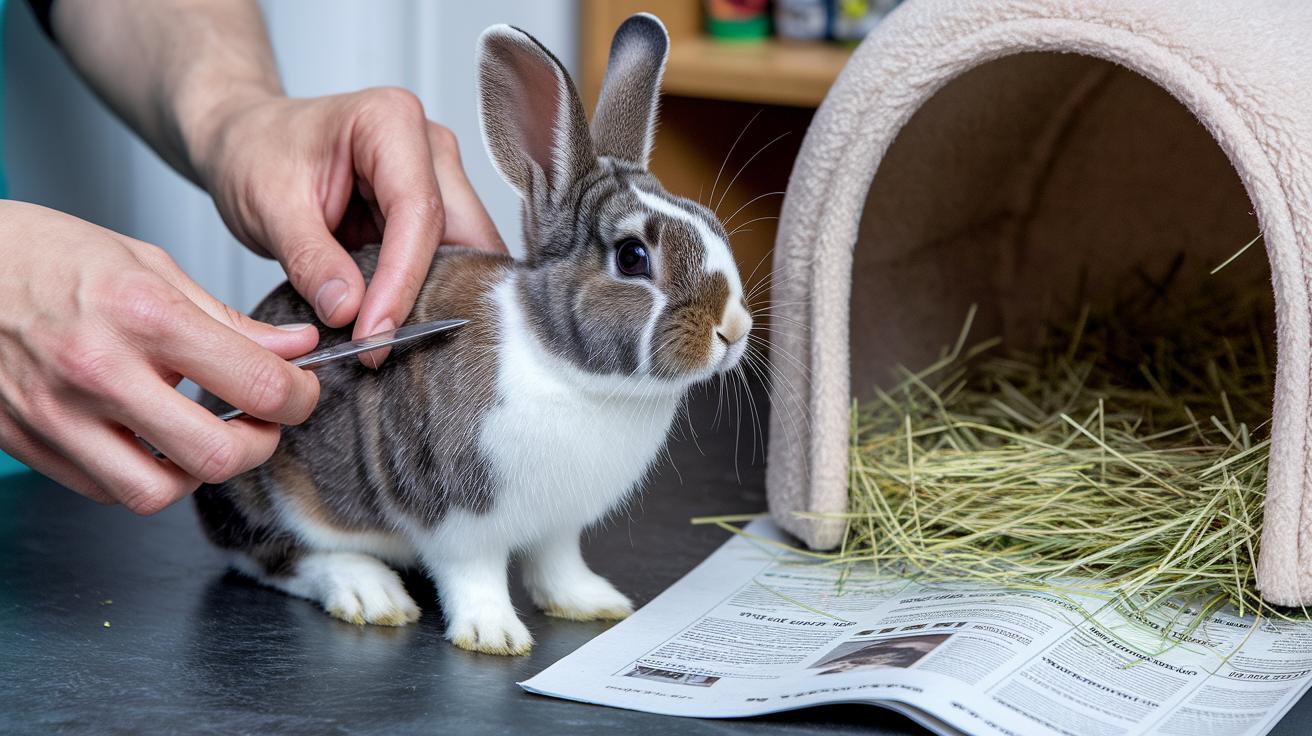
Keeping your bunny looking and feeling great isn’t too hard. Although they spend plenty of time cleaning themselves, they still need a little help from you. Every month, give your bunny a nail trim using anti-slip clippers to keep those nails from growing too long and causing problems. While you’re at it, take a quick peek at their ears for any dirt or wax. And remember, a bath is usually unnecessary unless your bunny is under the weather, a gentle brush will often do the trick.
A handy tip: set up a cozy litter spot for your bunny. Line an area with newspaper and sprinkle in some hay for comfort. This way, your little friend has a dedicated space to rest, forage, and take care of business, all while making clean-up easier.
Keeping your bunny’s home neat is just as important. Secure any loose cords with Velcro ties to keep playtime safe, and opt for washable rugs to make cleaning a snap. A quick wipe-down of the litter box and a check on the bedding now and then can help control dust and allergens. These simple routines not only keep your bunny healthy, but they also strengthen the bond between you, much like a friendly daily check-in.
Exercise and Enrichment for Your Pet Rabbit’s Well-Being

Your bunny deserves a safe and fun space at home to play and explore. It’s important for both their body and mind to have plenty of room to stretch, hop around, and discover new things. Try setting up a special indoor area with tunnels, dig boxes, foraging mats, and chew toys that bring out their natural habits. Imagine your pet zooming through a twisty tunnel like it’s uncovering a little hidden wonderland! Rotating these toys each week can keep your bunny curious and excited.
When you’re outside, give your rabbit a secure spot to roam freely, just make sure you keep a close eye on them. A large pen or a safely fenced garden lets your pet sniff, dig, and chew to their heart’s content. Adding cozy hideaways and outdoor tunnels also keeps their mind active and makes playtime even more enjoyable. Isn’t it amazing how a little change in scenery can brighten up your bunny’s day?
Health Monitoring and Preventative Veterinary Care for Rabbits
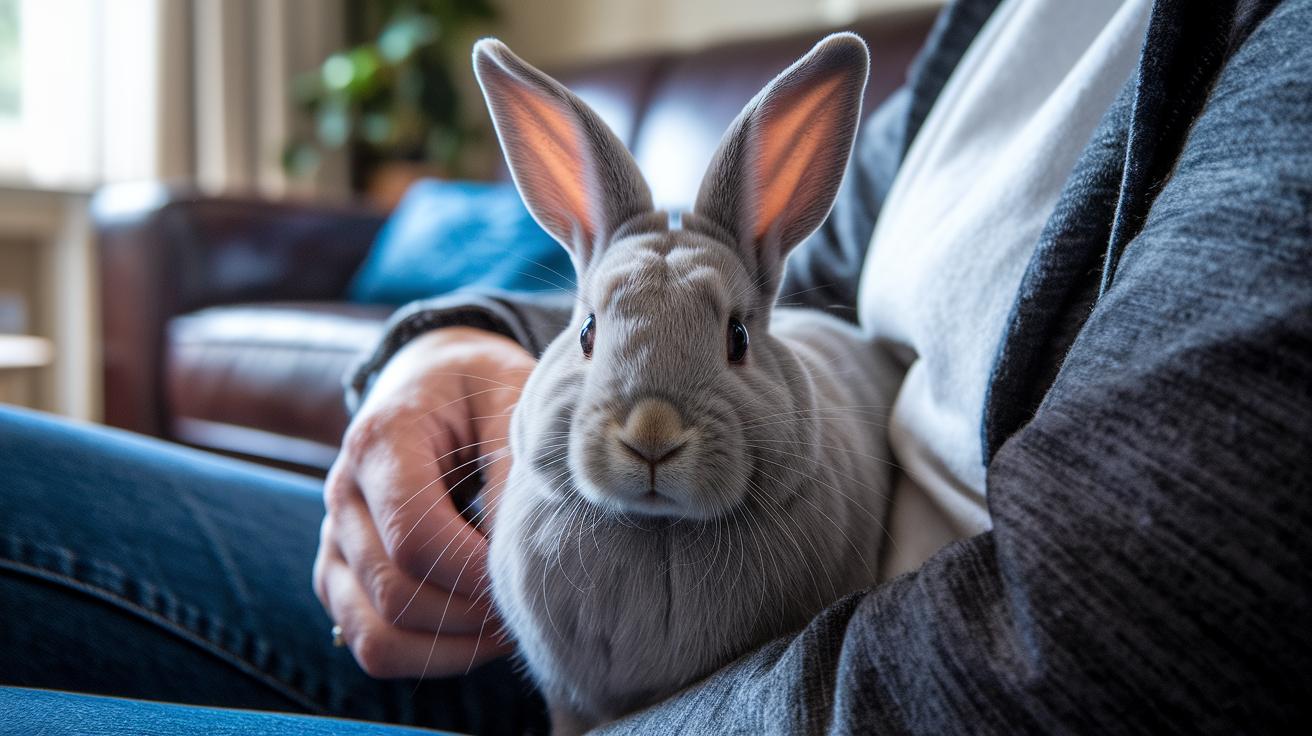
Start off by taking your bunny to a vet who really knows rabbits. A short check-up can help catch any problems early and gives you a good idea of your pet’s health for future visits. Try to handle your bunny gently for at least an hour each day. This daily cuddle time builds trust and makes their check-ups less nerve-wracking. Spaying or neutering between 4 and 5 months not only lowers the risk of cancer but also helps keep unwanted behaviors in check.
Keep an eye on your bunny’s everyday habits. Watch their appetite, droppings, weight, and fur condition. For instance, if your bunny suddenly isn’t eating well or their droppings change, it might be a sign to visit the vet. This simple habit of gently watching your pet every day makes it easier to spot any early warning signs, turning routine care into a special time of connection, just like a quiet moment with your furry friend on a sunny day.
Taking preventative steps is key to long-term health. Clean outdoor hutches regularly, especially in warm weather, to prevent flystrike, a serious skin infection caused by flies. Keeping up with cleaning, regular monitoring, and staying tuned in to your bunny’s behavior can really make a difference. These small actions help catch problems before they get worse and ensure your bunny keeps filling your home with joy and companionship.
Socialization and Handling Techniques for Pet Rabbits
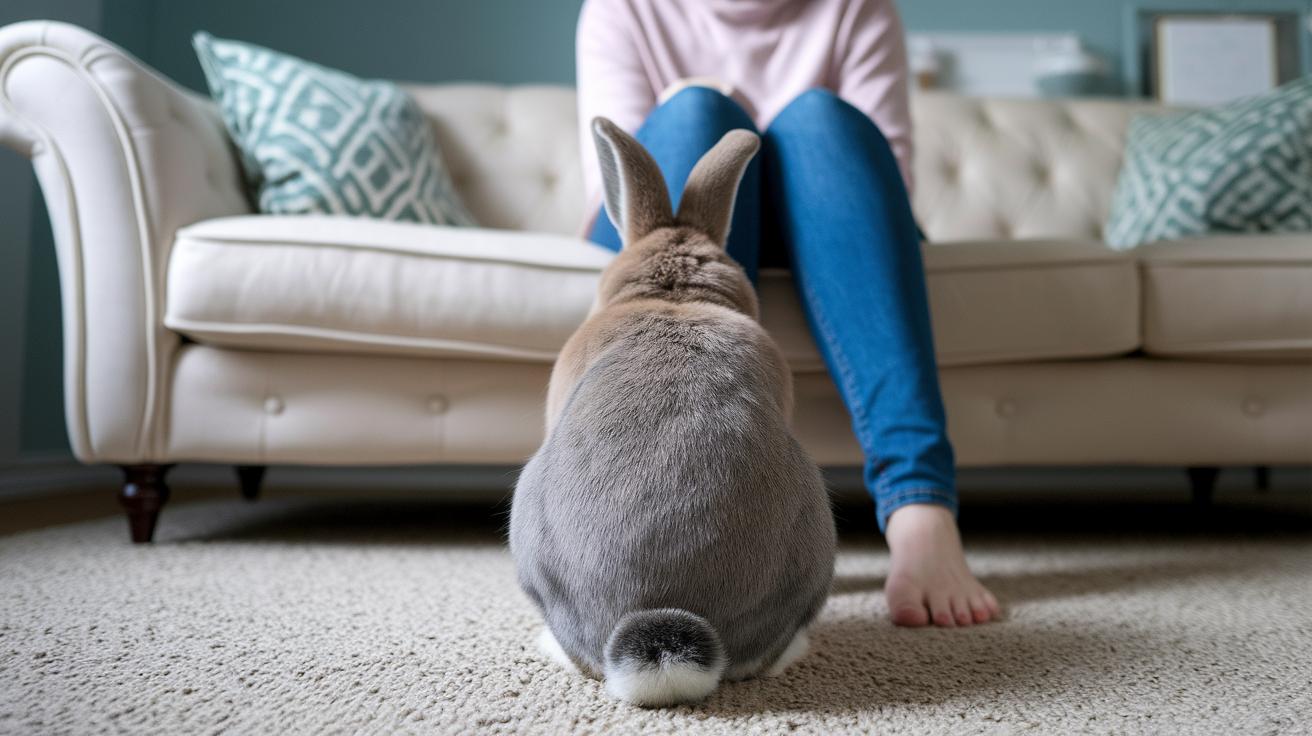
Spend about an hour each day gently handling your bunny, it helps build trust. When you pick up your rabbit, always support its back end so it feels safe. Keep an eye on its body language. For example, if you see its ears tucked back or notice a soft thump, it might be feeling scared. I sometimes slow down and whisper, "It’s okay, I’m here with you," when my bunny seems uneasy. Take your time and let your rabbit decide when it wants more attention.
It’s also important to give your pet a safe retreat. Create a quiet corner where your rabbit can relax if things get too overwhelming. Playing soft music or keeping a calm environment can really help lower any anxiety. Spaying or neutering can even lessen territorial behavior and make introductions with other pets smoother. Plus, simple training tips like rewarding calm behavior with a little treat can build positive interactions and a lasting bond.
Final Words
In the action, we explored essential steps that every pet parent should know. We checked out secure housing, balanced diets, routine grooming, daily exercise, health monitoring, and proper socialization. These strategies build trust and set your bunny on the happy path. Every little detail counts when it comes to how to care for a pet rabbit. Small, steady steps make life brighter for your furry friend. Here's to many joyful moments and healthy adventures ahead.
FAQ
Q: How to take care of a rabbit for beginners?
A: Taking care of a beginner rabbit means providing a secure home, a balanced diet, and daily exercise along with regular vet checkups to ensure your pet stays happy and healthy.
Q: How to care for a pet rabbit indoors and in an apartment?
A: Caring for an indoor rabbit involves setting up a safe sleeping area, a spacious exercise pen or apartment-friendly zone, and maintaining a clean environment with daily checks and litter cleaning.
Q: How to care for a rabbit outdoors?
A: Outdoor rabbit care requires a weather-proof hutch, a secure run area, ample hiding spots, and regular cleaning to protect your pet from predators and harsh weather conditions.
Q: How to take care of a bunny for kids?
A: Taking care of a bunny with kids means using simple daily routines, gentle handling, supervised playtime, and fun activities that teach responsibility while ensuring the pet feels safe and cared for.
Q: What should be included in a daily rabbit care checklist?
A: A daily checklist includes feeding with unlimited hay and fresh greens, cleaning the enclosure, ensuring fresh water is available, providing exercise time, and monitoring health signs like eating and toileting habits.
Q: What is the 3 3 3 rule for rabbits?
A: The 3 3 3 rule for rabbits refers to ensuring three key elements: secure housing, a balanced diet, and regular exercise, all critical for keeping your rabbit active and healthy.
Q: What should I avoid doing when owning a rabbit?
A: Avoid rough handling, feeding inappropriate foods, neglecting daily cleaning, and ignoring early health warning signs, as each misstep can lead to stress or serious health issues for your pet.
Q: Are rabbits easy to take care of?
A: Rabbits can be easy to care for with a clear routine that includes proper housing, nutrition, and exercise, though they do need daily attention and monitoring for any changes in behavior or health.
Q: Where can I find a Rabbit care guide PDF?
A: A Rabbit care guide PDF compiles detailed step-by-step instructions and checklists, serving as a handy resource for both first-time and experienced rabbit owners to follow the proper care routines.