
Ever wonder if your dog's food might be behind its itchy skin and discomfort? Many pet owners are surprised to learn that everyday fixes like chicken, beef, or even wheat could be causing allergies in our furry pals.
Making meals at home is a bit like trading in a scratchy sweater for a soft, cozy blanket, one that doesn't irritate your pet's sensitive tummy. When you prepare allergen-safe, balanced meals, you’re giving your beloved companion a chance to feel better and enjoy life a little more.
Isn’t it amazing how a small change in diet can brighten your pet’s day?
Why Homemade Dog Food for Allergies Is Effective
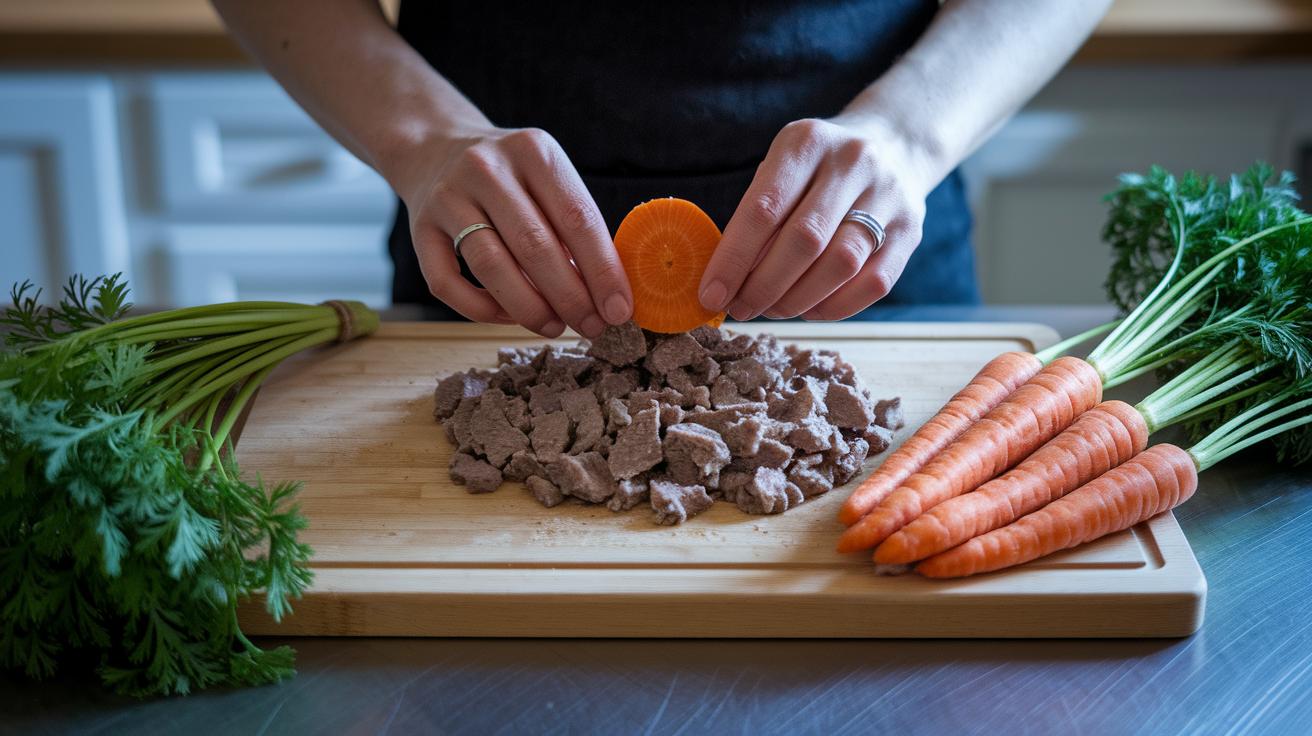
Many store-bought dog foods include ingredients like chicken, beef, dairy, and wheat that can make your dog's allergies worse. These common ingredients might cause constant itching, hair loss, or ear infections. When you prepare your dog's meals at home, you skip those irritants. Think of it as swapping out a scratchy sweater for a soft, cozy blanket that makes your pet feel loved and comfortable.
By making your dog’s food, you know exactly what goes in every bowl. This means you can avoid allergens while still providing a balanced, nutrient-rich diet. Many pet parents find that switching to new proteins like lamb, venison, rabbit, or duck helps them see improvements over time. For example, one pet owner shared, "After switching one protein, my dog's scratching stopped, and mealtime became a calm, happy ritual." Mixing simple, clean ingredients lets you figure out exactly which ones might be causing trouble.
This recipe yields about 2.5 cups (757 Kcal), which is enough for a 30 lb dog if you use a feeding rate of 2% of its body weight. Transition slowly to give your dog's tummy time to adjust. Keep an eye on your pet's stool and the shine of its coat to see if everything is working well.
Key Ingredients and Allergy-Safe Substitutions
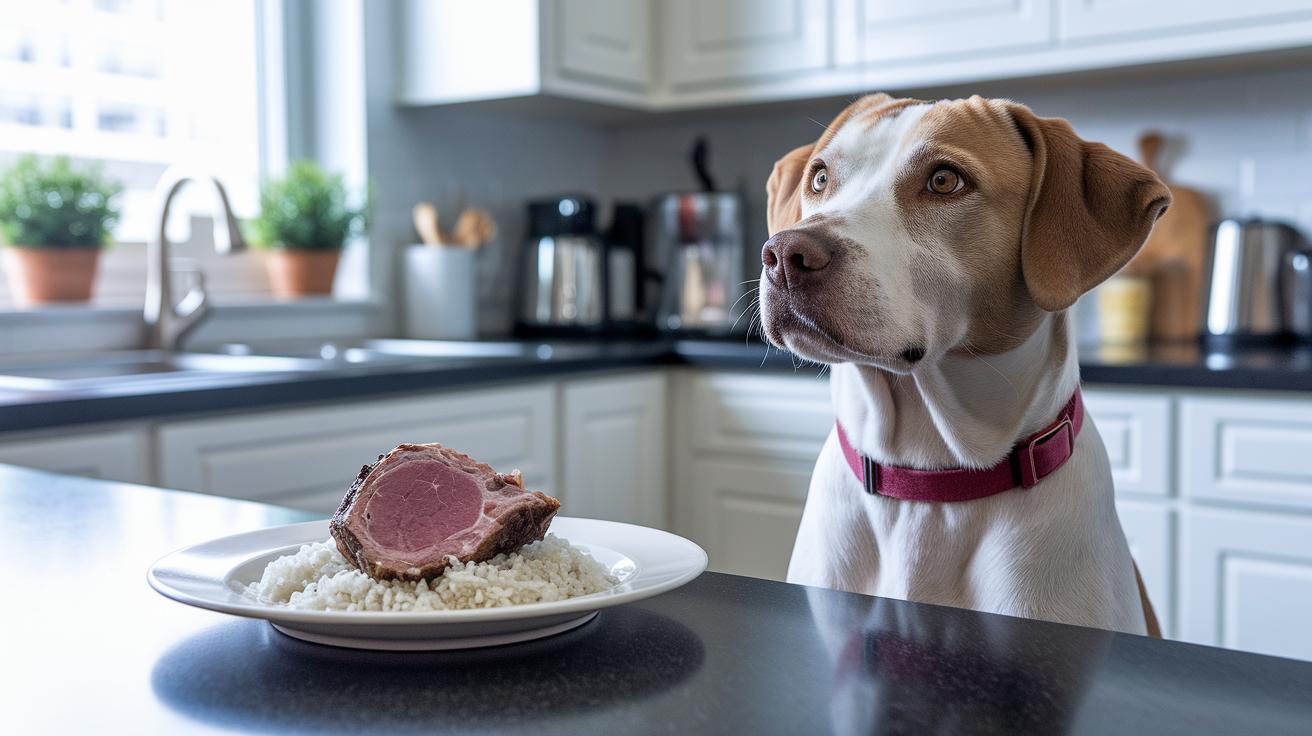
When you're cooking for a pup with allergies, fresh and simple ingredients work best. Start with lamb because it's gentle on sensitive tummies, while turkey serves as a lean protein that helps keep muscles strong. Carbs like white rice offer easy energy, and sweet potatoes add comforting fiber to soothe the digestive system. Don't forget fish oil, it brings in omega-3, which helps keep your pet’s skin and coat in great shape. And if your furry friend does better with a change, you can try options like venison, pumpkin, or another type of oil.
For instance, if lamb isn't around, you might choose venison or even rabbit. Sometimes, you can swap white rice for quinoa. And though fish oil is the top pick, alternatives like sunflower oil, wheat germ, walnut, or corn oil (at about 1.2 teaspoons) work in a pinch.
| Ingredient | Benefit | Substitution |
|---|---|---|
| Lamb | Gentle, hypoallergenic protein | Venison or rabbit |
| Turkey | Lean protein for muscle strength | Duck or another lean meat |
| Rice | Easy-to-digest energy source | Quinoa |
| Sweet Potato | Soothing fiber with antioxidants | Pumpkin |
| Fish Oil | Rich in omega-3 for skin and coat health | Sunflower, wheat germ, walnut, or corn oil (1.2 tsp) |
Step-by-Step Lamb and Rice Recipe for Allergic Dogs

Start by getting your protein ready. Grab 7 oz of cubed or ground lamb and put it in a pot. Fill the pot with enough water to cover the meat. Bring it to a gentle simmer and let it cook slowly for 30 minutes. Once the lamb is soft and fully cooked, carefully pour off the excess water. This helps get rid of extra fat and impurities, keeping the protein clean and easy to digest for your furry friend. Imagine the savory scent of lamb blending with a warm, comforting broth on a cool day.
Next, work on the carbohydrate part. In another pot, mix in your rice with twice as much water. Turn the heat down to a low simmer, cover the pot, and let it cook for 10 to 15 minutes until all the water is absorbed and the rice becomes soft. Open the lid and gently fluff the rice with a fork. This simple trick keeps the rice light and makes it a gentle energy booster for a sensitive tummy. It’s a bit like creating a soft, fluffy cushion that supports your pet’s digestive system perfectly.
Finally, mix in the vitamin premix to complete the meal. Stir in 1.2 teaspoons of sunflower oil, or you can swap it with wheat germ, walnut, or corn oil if you prefer. Then add a fish oil supplement, which is full of omega-3 (a type of fat that helps keep coats shiny and skin healthy). These good fats and nutrients together work to calm inflammation and soothe any irritation. The finished recipe will make roughly 2.5 cups of food, providing about 757 Kcals, which is just right for a 30 lb dog. You can adjust the daily amount using a 2% rule based on your dog’s body weight. Save any leftovers in the refrigerator for up to a week or freeze portions for up to a year.
Homemade Dog Food for Allergies: Pure Happiness
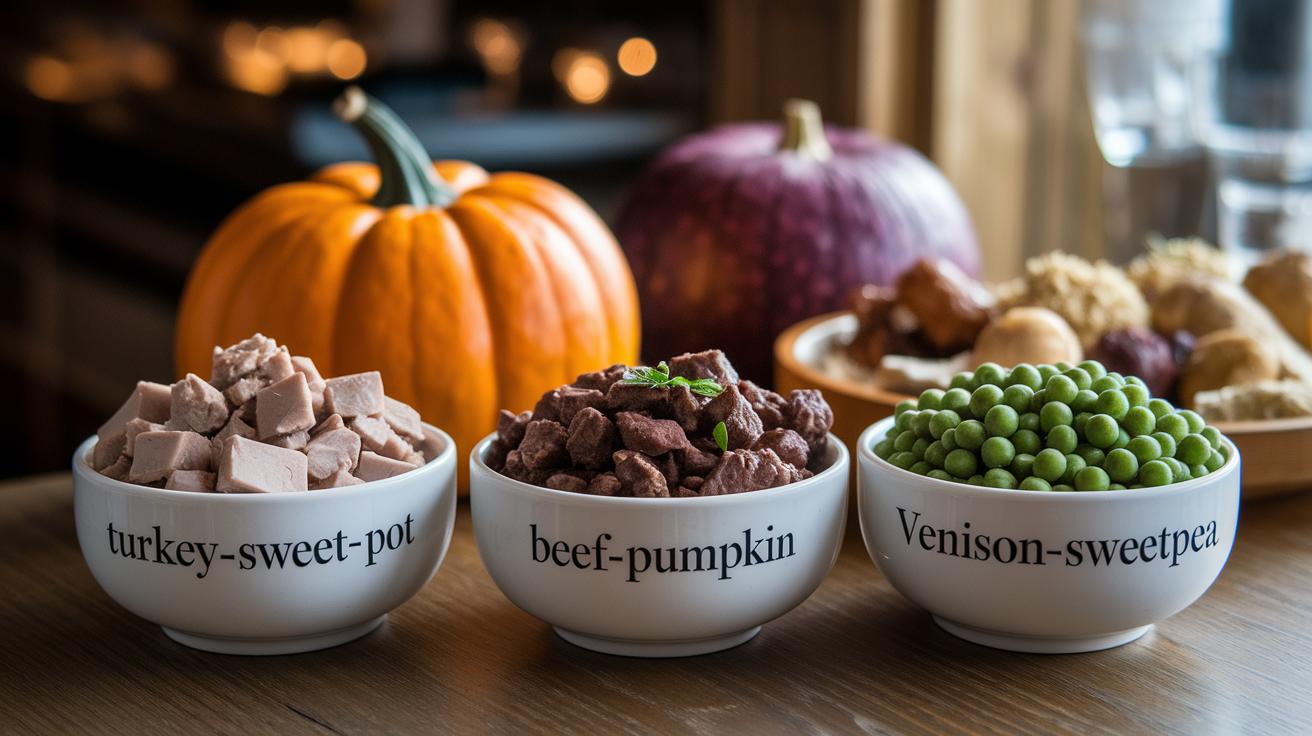
Turkey & Sweet Potato Delight is a warm, comforting meal that gives you about 2 cups of delicious food. Sweet potatoes, full of antioxidants (they help guard your pet's health), mix perfectly with high-quality turkey protein to support strong muscles. It’s a favorite for pups with sensitive tummies who need natural, gentle foods.
Beef & Pumpkin Stew brings about 1¼ cups of a mellow, soothing meal. Pumpkin offers natural fiber that helps digestion, while the lean beef is free from common allergens. This stew gently eases inflammation and keeps bellies happy, especially in cooler weather.
Venison & Sweet Pea Blend creates a protein-rich dish, yielding about 1 cup of food. Venison acts as a unique protein source, which is great for dietary tests, and sweet peas add vitamins that pets enjoy. A touch of fish oil brings in EPA and DHA (fats known to fight inflammation), making this recipe a smart pick for sensitive stomachs.
Mixing up these recipes with poultry, rabbit, fish, or even vegan meals can keep every meal exciting. Rotating recipes ensures a balanced diet and helps avoid over-sensitization. Enjoy watching your pet discover new flavors with every bowl!
Feeding Guidelines and Monitoring for Allergic Dogs

Split your dog's daily food into two equal parts. Feed one portion in the morning and the other in the evening so your furry pal gets steady energy throughout the day. For a little dog weighing 5 lbs, this might mean about 5.8 oz of food daily, roughly 8 to 9 cups if you're using a lamb and rice mix. A steady routine like this helps your dog’s tummy adjust slowly, making sure every bite adds to balanced nutrition.
Keep an eye on portion sizes and adjust in small steps. If you notice your pup’s weight changing, try shifting the serving by a quarter cup. For example, if your dog starts looking skinnier or gets extra lively, a bit more food might be just right. On the flip side, if you see a little extra weight, cutting back by 1/4 cup can help balance things out. These small tweaks let you fine-tune the meal plan to match your dog’s energy needs.
Make it a habit to check your dog's skin, fur, and even poop each week, along with how energetic they are. Notice if their coat turns soft and shiny again, or if their stools stay firm and well-formed. A change in energy can also be a big clue. By watching closely, you’ll know if the feeding plan is working or if a few more adjustments are needed to keep your furry friend happy and comfy.
Vet Consultation and Safety Precautions for DIY Allergy Diets

If you’re thinking about trying a homemade diet for your pet with allergies, it’s best to start with a proper diagnosis. Your vet will check your pet, look over their health history, and may run a skin or blood test to find exactly what’s causing the allergies. They might then suggest a trial diet, using fewer ingredients or a special hydrolyzed protein formula, for about 8 to 12 weeks to see if cutting out certain proteins helps your pet feel better.
Always chat with your vet before you change up your pet’s diet, even if it’s just a small tweak. And just a heads-up: some hydrolyzed diets might still hide chicken proteins, which could make allergies worse for sensitive pets. If you notice more itching, tummy troubles, or a drop in your pet’s energy, reach out to your vet right away. This careful check-in helps keep your pet safe while you experiment with a diet that’s just right for them.
Final Words
In the action, we explored a detailed DIY approach to tackle pet allergies by diving into ingredient choices and specific recipes. We broke down allergy triggers, kitchen tips, and precise feeding guidelines, designed to help you track changes in your pet’s health smoothly.
Using homemade dog food for allergies can really transform your pet’s well-being. By keeping an eye on portions and gradual transitions, you empower your furry friend to live healthier and happier every day.
FAQ
Frequently Asked Questions
What are vet-approved, nutritionally complete homemade dog food recipes for dogs with allergies?
The vet-approved homemade recipes for dogs with allergies combine hypoallergenic proteins like lamb with limited carbohydrates such as rice. They reduce triggers while delivering balanced nutrition for healthier skin and digestion.
Can homemade dog food with chicken help dogs with allergies?
The use of chicken in homemade recipes can be helpful only if your dog isn’t allergic to it. Always work with your vet to choose the safest protein for managing allergies.
What human foods are safe for dogs with skin allergies?
Plain, well-cooked foods like white rice, boiled sweet potatoes, and pumpkin can be safe. These ingredients are gentle on sensitive skin when served without salt or spices.
What dry dog food options work best for skin allergies?
The best dry dog foods for skin allergies avoid common allergens such as chicken, beef, dairy, and wheat. They offer balanced, limited-ingredient formulas that help reduce itching and discomfort.
Do vets recommend homemade dog food?
Many vets recommend homemade diets for dogs with allergies when the meals are carefully balanced. Regular vet consultations ensure the recipe meets your dog’s nutritional needs safely.
What foods help ease skin allergies and itchiness in dogs?
Foods that ease skin allergies include limited-ingredient meals with hypoallergenic proteins, white rice, and vegetables like pumpkin. These ingredients help calm itchiness and support overall skin health.