
Ever wonder if ordinary items around the house can turn into a fun agility course for your dog? This easy guide shows you how to use simple supplies to create safe, playful obstacles. Imagine turning a broom and a few chairs into jumps and tunnels that keep your pup lively and happy.
Step by step, you'll follow clear instructions and handy safety tips to build a backyard adventure. It’s a creative way to help your dog exercise while having a blast. Ready to set up a unique, homemade agility course that brings extra joy to your dog's day?
DIY Guide to Homemade Agility Equipment for Dogs: Quick Start Build and Safety Essentials
Get ready to create a fun dog agility course at home! With clear, step-by-step instructions, you can turn simple household items into exciting obstacles. Updated on September 13, 2024, this guide helps you set up jumps, turns, and tunnels that keep your pup happy and active. Imagine using an old broom and some chairs to build a mini hurdle that gets every tail wagging!
First, choose a safe and spacious area like a backyard with grass or dirt. A non-slip surface with room to run makes all the difference. Always take a quick look around for any potential hazards before letting your pet explore the new play zone.
Then, focus on making each piece of equipment secure. Start slowly by introducing basic obstacles to your dog and work on smoothing out any rough edges that could hurt them. Make sure everything is firmly anchored, just like you would when setting up a child’s play area. And it’s a good idea to check with your vet to see if this kind of training is right for your dog’s breed, age, and overall health.
With these simple tips, you’re all set to build a safe and engaging agility course, and soon you’ll be watching your dog gain confidence with every joyful run!
Constructing Home-Built Jump Modules for Dogs
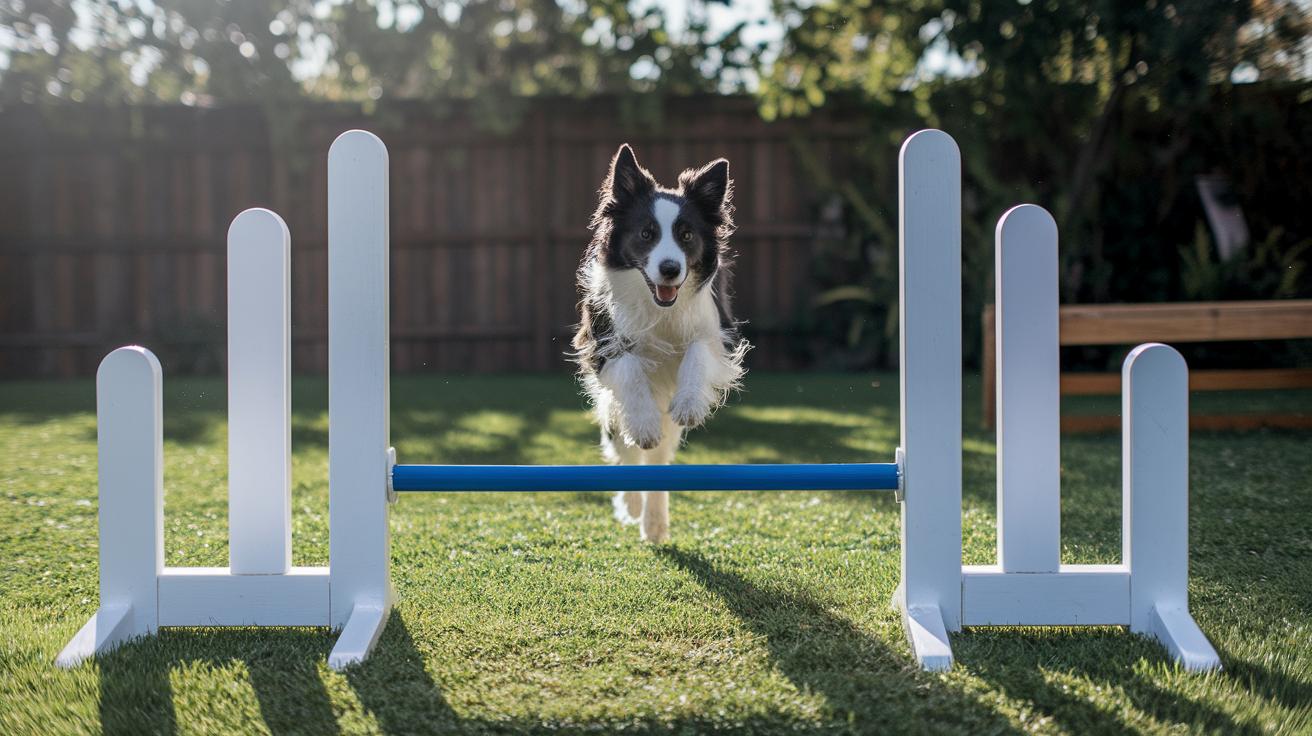
Start by gathering your 1-inch furniture-grade PVC pipes, you need both white and blue ones for a sturdy, UV-resistant design. This project lets you build six fun backyard jumps that blend simplicity with stability. Cut the white pipes to 47 inches for the ground rails and jump bars, ensuring a smooth track for your dog to run on.
The blue pipes are just as important. Cut one piece to 36 inches to serve as the upright support, and make two 9-inch pieces to act as the base feet. These parts help keep everything steady during even the quickest doggy dashes. Don’t forget to set aside any extra PVC for future projects, and if you’re unsure about the cutting process, a quick video demonstration can be really helpful.
| Pipe Color | Length | Purpose |
|---|---|---|
| White | 47″ | Ground Rails and Jump Bar |
| Blue | 36″ | Upright Support |
| Blue | 9″ | Base Feet |
Follow these easy steps to create PVC jump modules that bring extra excitement to your dog’s playtime. Taking a bit of extra care to measure precisely and secure each piece makes the obstacle course both safe and fun, perfect for ongoing training sessions with your furry friend. Ever notice how a well-built jump can brighten your dog’s day?
Crafting Woven Pole Courses and Weaving Obstacles for Homemade Agility Equipment
You can create a fun and affordable agility course at home by using small orange cones, like the ones from a kids' soccer set. This idea turns common items into playful obstacles for your dog, making exercise both enjoyable and budget-friendly. It’s perfect for pups who are just starting with agility training, as it helps them learn to follow a simple path while having a blast. Imagine your dog happily zigzagging around a row of bright cones, each one like a tiny stepping stone leading to excitement and exercise.
To set up your course, pick a flat area outdoors and line up the small orange cones in a straight row. Space each cone about 18 to 24 inches apart so your dog can easily get the idea of weaving in and out. Keeping the cones evenly placed helps your dog move smoothly from one to the next. This easy and effective design gives you a low-cost alternative to store-bought agility kits, and you can expand or adjust the course as your dog gets better at it.
DIY Indoor Tunnel Builds and Ramp Construction Tips for Homemade Agility Kits

Turning your home into a fun playground for your dog is easier than you might think. With a few everyday materials, you can set up indoor tunnels and ramps that boost both your pet’s physical activity and spirit.
Using simple items like collapsible children’s play tunnels and sturdy plywood for ramps, you can create safe obstacles that are as fun as they are practical. These lightweight tunnels and well-angled ramps give your dog a playful way to exercise their body and mind.
Indoor Tunnel Builds
Pick a collapsible tunnel that measures about 18 to 24 inches in diameter. This size gives your pup plenty of room to run through without feeling cramped. Lightweight models are great since you can easily move or store them when needed. Make sure the tunnel stays sturdy, so it won’t tip or collapse during a speedy dash. If it feels a bit shaky, try adding small weights to the ends to keep everything firm and secure.
Ramp Construction Tips
For your ramp, choose a large piece of plywood that’s wide enough for your dog to climb comfortably. Place the ramp on cinder-block supports to keep the slope at 30 degrees or less, this helps protect your pet’s joints. Next, create a non-slip surface by adding a textured coating or grip tape along the ramp. Finally, anchor the base tightly so it doesn’t shift around during play. This way, you build a stable and safe ramp your dog can enjoy over and over again.
Following these simple steps lets you craft indoor tunnels and ramps that are both fun and safe, giving your energetic friend plenty of ways to play indoors.
Budget-Friendly DIY Tips and Repurposed Materials for Homemade Agility Equipment
If you want to make playtime exciting for your dog without spending too much money, try using items you already have at home. Start by crafting simple jumps with laundry baskets and curtain rods. You can also use sturdy chairs for hurdle supports and old broom handles for weaving poles. Always give these items a quick check to make sure there are no rough or sharp spots that could hurt your pet. A drill, saw, and some sandpaper can help you smooth out any rough edges.
Next, try upcycling scrap wood into mini A-frames for a fun climb, or repurpose leftover PVC pieces to create adjustable height bars that match your dog's growing skills. By turning everyday objects into agility equipment, you not only save money but also keep your dog engaged with new challenges. These budget-friendly ideas let you mix creativity and care while giving your pet a safe workout that boosts both their physical strength and mental agility. Every repurposed piece helps make playtime a favorite part of your routine, and sometimes, saving a little money might even mean an extra treat or two for your furry friend!
Progressive Course Layouts and Homemade Agility Equipment Training Setup for Dogs
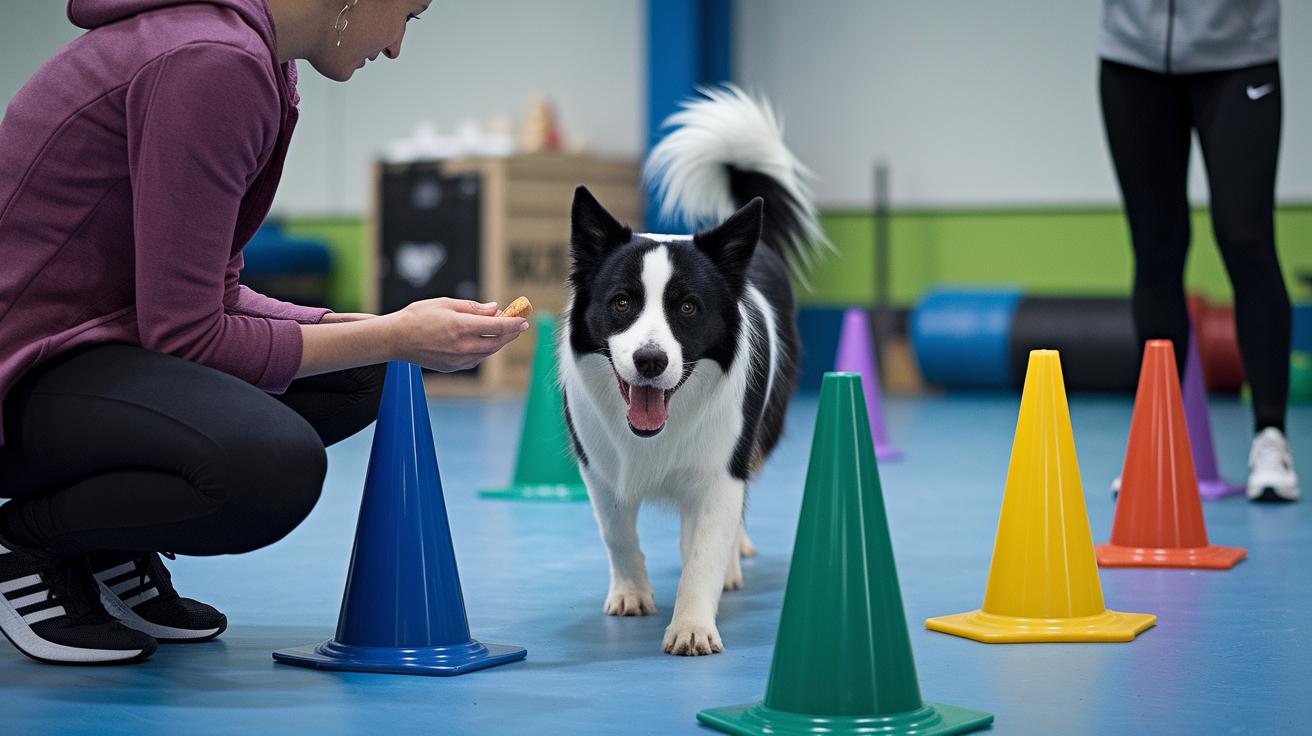
Start by picking a safe, open space where your dog can run freely without slipping. Mark the area with cones or flags placed 5-8 feet apart so your pet knows where one obstacle ends and the next begins. This clear setup helps your dog move confidently and lets you change things up as it learns.
Next, add one obstacle at a time to boost your dog's self-confidence. Use treats and kind words to reward each small success. This friendly approach makes training fun and builds trust. Once your dog is comfortable, try mixing obstacles together, ensuring each new challenge is safe and exciting without being too hard.
Finally, shake up the course layout now and then to keep your fur friend interested and to sharpen its memory. As your dog gets better, you can even introduce custom hurdles to gently raise the difficulty. A lively training area not only strengthens your dog physically but also sharpens its mind. And don’t forget to check with your veterinarian about suitable exercise routines. For more tips on advanced training setups, you might want to look at advice from dog training elite at https://reipet.com?p=646.
Final Words
In the action, this guide helped you set up your own pet agility course, covering everything from quick start builds to essential safety tips. It broke down the process of creating jumping modules, weaving obstacles, indoor tunnels, and ramps in a relaxed, easy-to-follow way.
Every section offered step-by-step advice to turn everyday items into homemade agility equipment for dogs. With clear instructions and safety checks, you're all set to boost your pet's confidence and well-being. Enjoy building and watching your pet thrive!
FAQ
How does homemade agility equipment for dogs indoors work?
Homemade agility equipment for dogs indoors uses everyday household items to create safe and fun obstacles, letting you train your pet at home with easy-to-follow instructions and plenty of open space to play.
What free dog agility equipment plans are available?
Free dog agility equipment plans, including PDFs, offer clear DIY instructions and blueprints to build affordable, safe obstacles using common tools and materials you already have around the house.
How can I DIY a dog agility ramp?
DIY dog agility ramp projects show you how to construct a secure, non-slip ramp with simple tools and safe incline guidelines, ensuring your dog enjoys a stable and confident run during training.
How do I build a DIY dog agility A frame?
Building a DIY dog agility A frame involves step-by-step guidance for creating a durable and safe obstacle that challenges your pet while keeping the construction process simple and cost-effective.
How can I create an easy, cheap DIY dog agility course using household items?
An easy, cheap DIY dog agility course uses everyday materials like PVC pipes to design engaging obstacles. It lets you build a fun, safe course at home without expensive equipment, perfect for a variety of indoor spaces.
What are the three C’s of dog training?
The three C’s of dog training focus on consistency, clarity, and compassion, ensuring that training sessions are steady, instructions are clear, and rewards are given with genuine care.
How can I make an obstacle course at home for dogs?
Making an obstacle course at home involves repurposing everyday items like chairs, broom handles, or laundry baskets into fun challenges, helping keep your dog active and stimulated right in your living space.
What defines professional or best dog agility equipment?
Professional and best dog agility equipment is made from high-quality, durable materials ensuring safety and longevity. It is designed with clear standards to support effective training for both beginners and seasoned agility dogs.
What dog agility gifts or accessories are available?
Dog agility gifts, including unique items like Teeter Agility setups and agility bags, offer creative training accessories. They are available from specialized sellers, adding a fun twist to your pet’s training routine.