
Have you ever thought a grain free diet might help your cat’s upset tummy? Many pet parents have noticed improvements when they switch to foods made with lean meats and real, wholesome ingredients. Instead of grains, these diets use alternatives like potatoes or beans, giving your cat the extra protein it naturally craves.
In this article, we chat about the upsides and some challenges of choosing a diet that supports both your cat’s health and its sensitive digestion.
Benefits and Drawbacks of Grain Free Cat Food
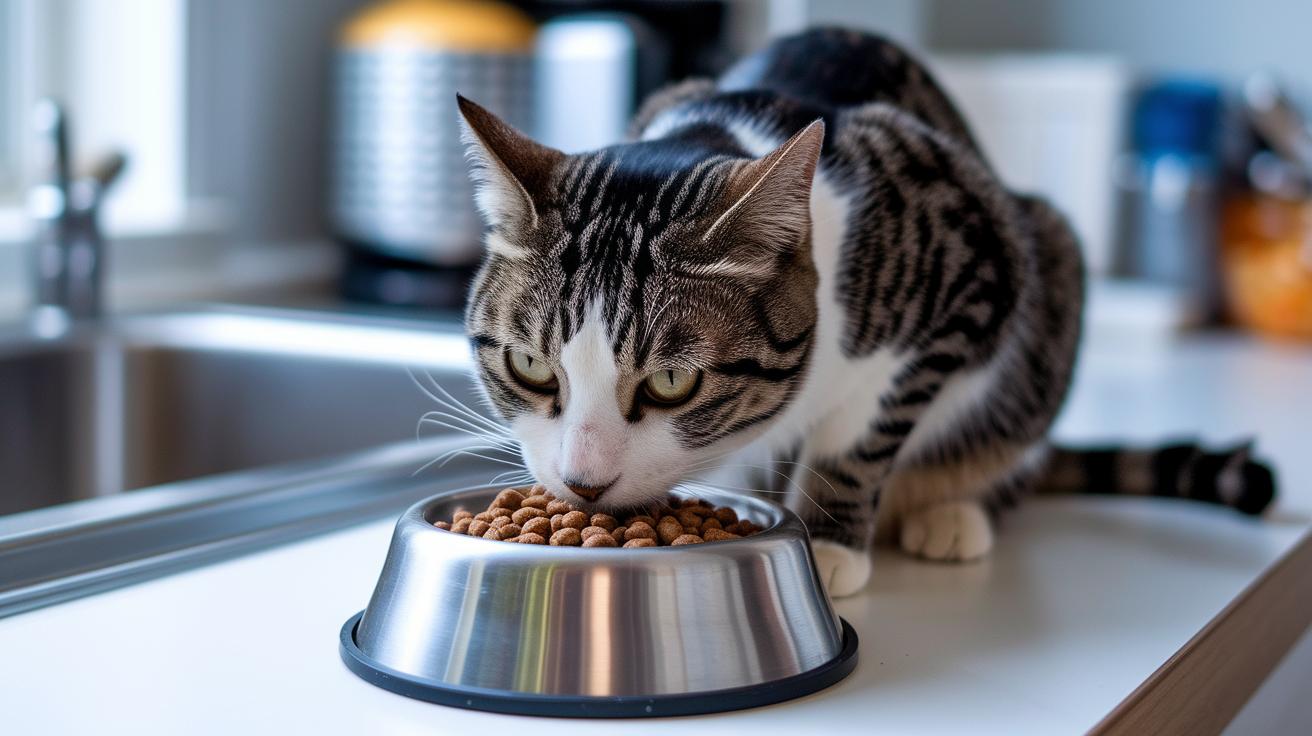
Cats are natural meat-eaters and do best with high-protein meals where animal meat is the star. Grains can give a bit of extra fiber, vitamins, and minerals, but they aren’t really needed. Lots of pet parents choose grain free food because they want every bite to match a cat’s need for meat, kind of like picking a fresh, lean cut over a processed snack.
Grain free formulas usually swap grains for things like potatoes, legumes, or tapioca. But don’t be fooled, this doesn’t automatically mean the food is lower in carbs. In many cases, these recipes are made for cats with specific sensitivities. True grain or gluten allergies in cats are pretty rare, and food allergies usually come from proteins like fish, chicken, or beef that might lead to itchy skin or tummy troubles.
Moisture is also super important for your cat’s health, especially for those with sensitive stomachs. Wet grain free diets, which are about 70–80% water, help keep your cat hydrated, support digestion, and aid urinary health. These wet meals are gentle on delicate tummies while still delivering the right nutrients to keep your furry friend happy and healthy.
Key Ingredients in Grain Free Cat Food Formulas
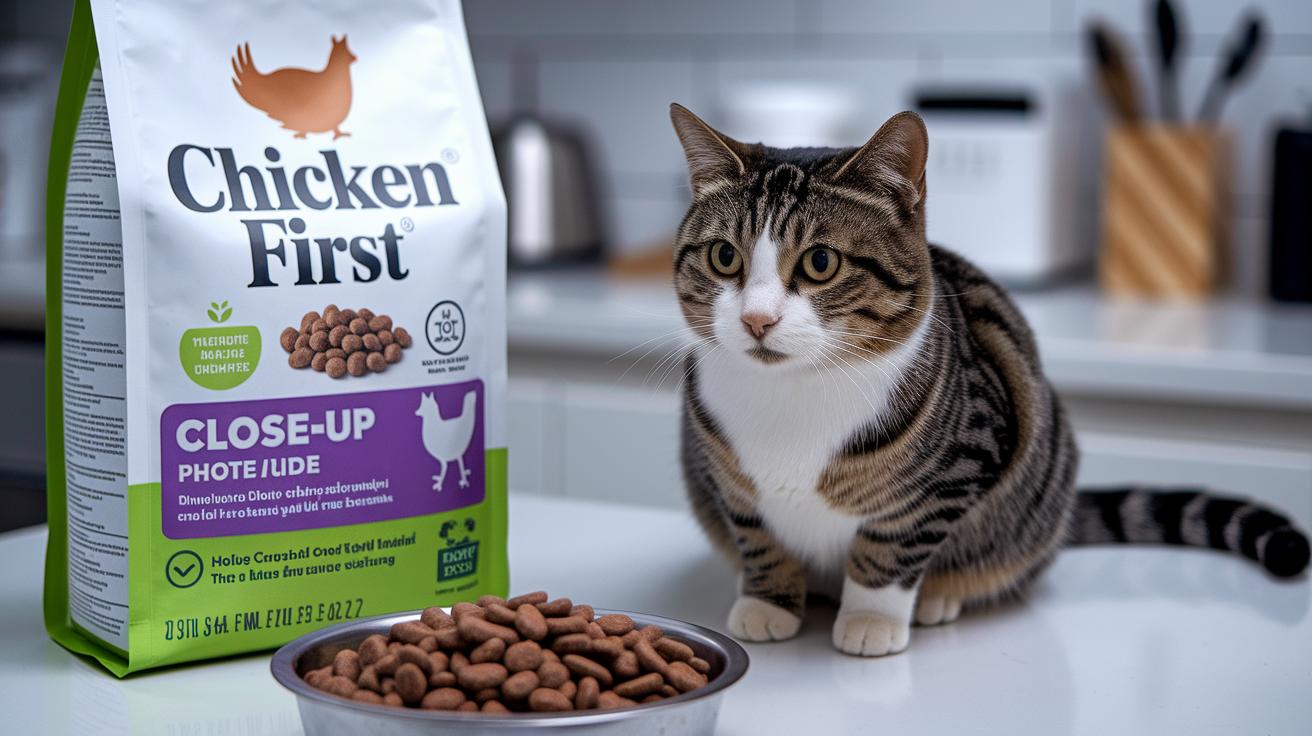
When you pick out a grain free cat food, check the label carefully. Look for clear terms like "chicken-first," which tells you real animal protein is at the top. This simple detail shows you that the food is made with quality ingredients and avoids hidden fillers. Reading labels like this helps you feel confident that you’re giving your cat a recipe that soothes sensitive tummies.
High-Quality Animal Proteins
Good cat foods use meat like chicken, salmon, or turkey liver instead of byproducts. These specific meats can lower the chance of protein allergies, issues that often pop up more than grain allergies. Imagine choosing a food that lists turkey liver right at the start; it’s like picking out familiar, fresh ingredients over a vague mix. This way, you know your cat is getting the best support for strong muscles and overall health.
Alternative Starch Ingredients
Instead of grains, many diets swap in starches like potatoes, peas, or tapioca. These ingredients add energy and bulk to the food while naturally boosting the carb count. Just like comparing different fruits, it helps to understand how these starches affect your cat’s diet compared to regular grains. Knowing this lets you balance the calories and protein, making sure your cat’s meal is just right for a sensitive tummy.
Dry vs. Wet Grain Free Cat Food: A Nutritional Comparison
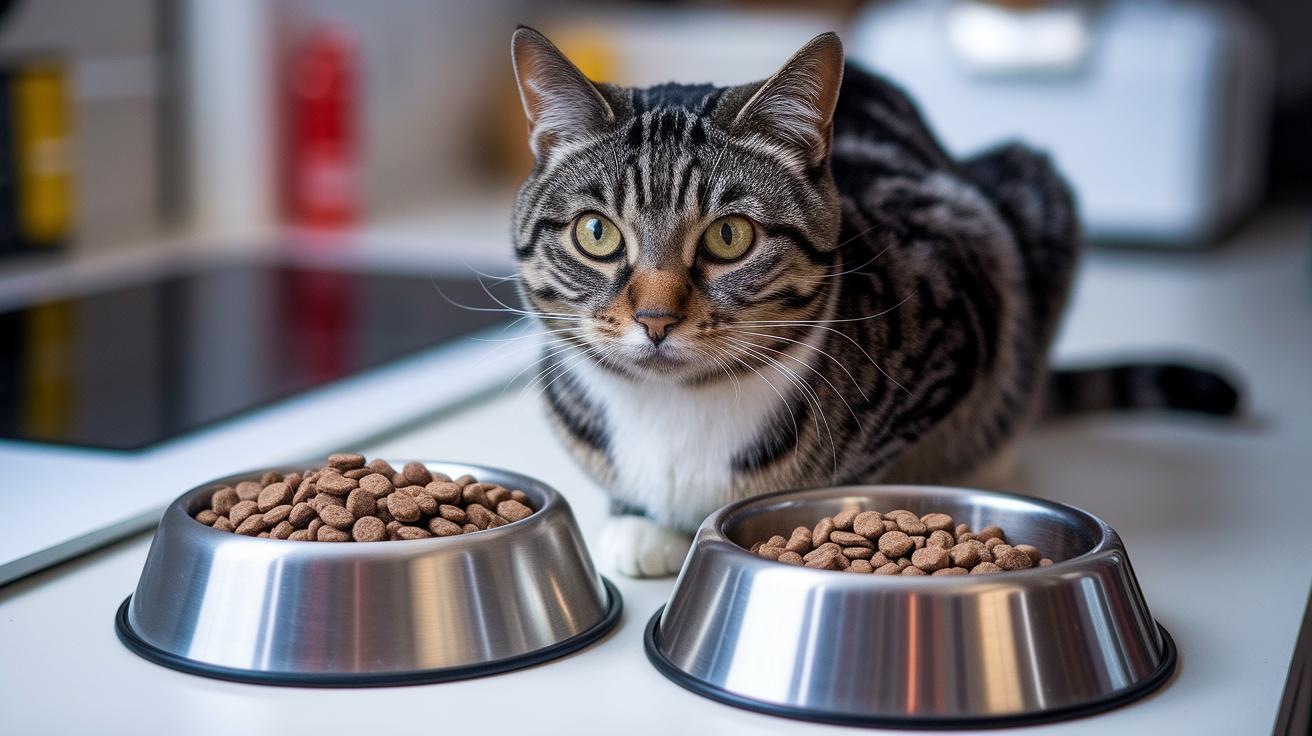
When you're choosing food for your kitty, dry and wet grain free options each offer their own perks. Dry food gives that satisfying crunch many pet parents love, making storage and feeding super easy. It usually contains about 8–10% water and includes extras like peas or tapioca to bump up texture and calories. Wet food, on the other hand, is like a refreshing treat that helps keep your cat hydrated and eases digestion, which is really helpful for kitties with sensitive tummies. With roughly 70–80% water, it also supports urinary health and overall comfort.
| Format Type | Moisture % | Primary Protein | Common Carb Source | Best For |
|---|---|---|---|---|
| Dry Grain-Free Kibble | 8–10% | Chicken, Salmon | Peas, Tapioca | Convenience, dental support |
| Wet Grain-Free Canned | 70–80% | Turkey Liver, Chicken | Potatoes, Legumes | Hydration, sensitive stomachs |
In the end, the decision really depends on what fits your cat's lifestyle and needs best. Think of wet food like a cool sip of water on a hot day, giving essential hydration while satisfying hunger. Dry kibble, meanwhile, offers that hassle-free feeding experience along with dental benefits. Each type has its own charm, so it's all about what makes your furry friend feel their best.
Grain Free Cat Food Delights Sensitive Tummies
-
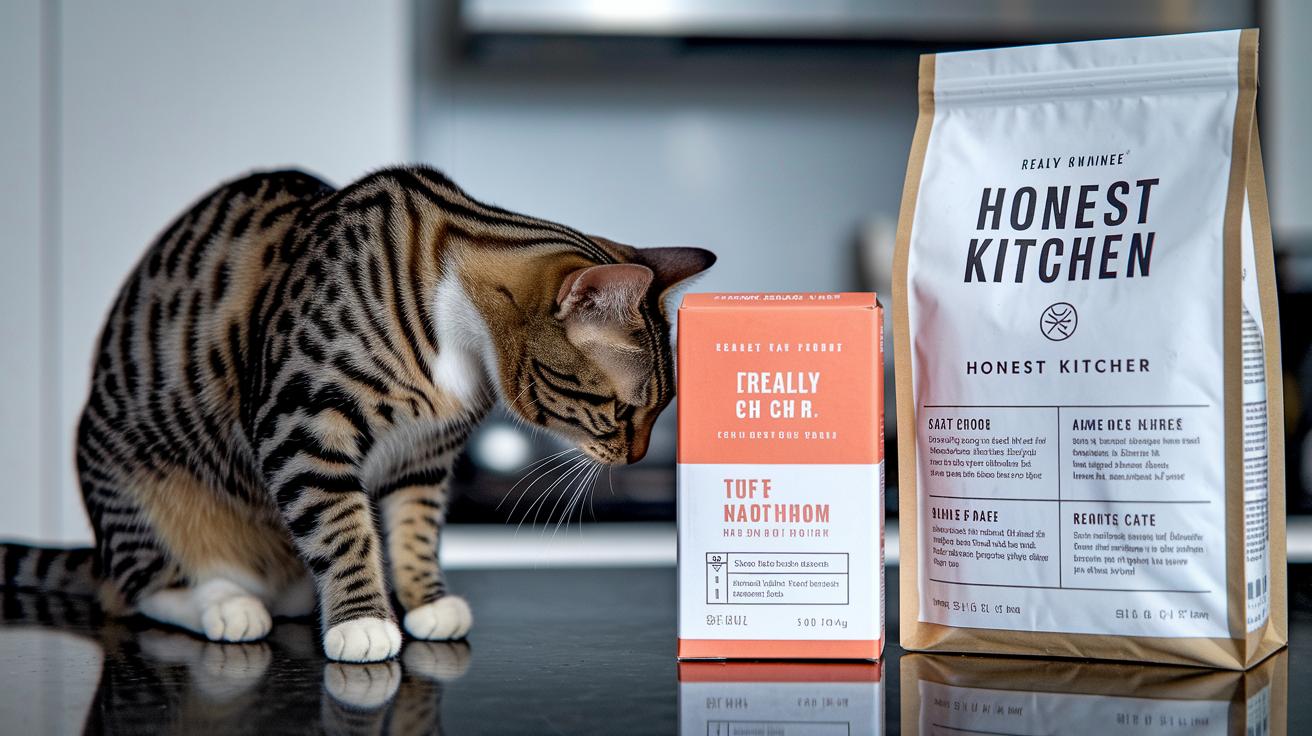
tuft + paw Really Great Cat Food is a tasty option that mixes premium fish proteins with a grain-free recipe. It comes in a box with 24 servings of 5.5 oz each, about $0.52 per oz. The recipe uses other wholesome carbs to keep calories low while still packing in the nutrients your kitty needs. It’s a perfect match for kitties with sensitive tummies who benefit from proteins that are easy on their stomach.
-
The Honest Kitchen Grain-Free Chicken Caté is a human-grade meal made from chicken, the star ingredient. When you add water, it turns into a delicious, rehydrated dish that gives your cat that extra bit of moisture needed for smooth digestion. It’s almost like a little hydration boost that helps your cat feel comfortable and cared for.
-
Smalls Ground Other Bird Cat Food comes right to your door as a fresh, whole-prey style meal. This option features a clear single source of protein from bird meat with no unnecessary byproducts or grains. It’s a nutrient-packed meal that works well for kitties who need a high-protein diet while keeping their sensitive tummies happy.
-
Koha Limited Ingredient Duck Pâté keeps things simple with just one protein, duck. This single-ingredient wet food is ideal for cats with food sensitivities. Its minimal ingredient list means fewer chances for tummy troubles, and it still provides the moisture and nutrients that are essential for a happy, healthy digestive system.
-
Tiki Cat After Dark Chicken & Quail Canned Cat Food offers a lean, high-protein entrée by blending chicken and quail. With less than 2% carbohydrates, it stays light on fillers, making it just right for cats with sensitive gastrointestinal systems. It’s a smart choice for pet parents looking to give their feline friend a nutritious and gentle meal.
-
Wellness CORE Grain-Free Chicken, Turkey & Chicken Liver is a dry kibble designed with active cats in mind. This blend of chicken, turkey, and chicken liver supports strong muscles and delivers essential amino acids, while controlled amounts of alternative carbs keep overall nutrition in check. It’s a balanced choice, kind to even the most sensitive bellies.
Meeting AAFCO Standards: Ensuring Balanced Grain Free Diets

AAFCO guidelines are like a reliable map for choosing your pet’s food. They make sure your cat’s meals hit the right nutrition targets. For example, foods meant for adult cats must have at least 26% protein along with vital fats, vitamins, and minerals. Think of AAFCO as quality control for your favorite snack, it ensures every bite supports your pet’s health.
Grain free diets need extra care when it comes to key nutrients. Even without grains, these formulas must include important ingredients such as taurine (which helps support heart and eye health), arginine (to help build muscles), vitamins A, D, and E, plus minerals like calcium and phosphorus for every life stage. Too much starch from sources like potatoes or legumes can throw off the balance, so manufacturers often add quality animal fats to keep things on track. This mix helps your cat get the right blend of nutrients whether they’re a playful kitten or a mellow adult.
When you’re shopping for complete and balanced grain free meals, take a close look at the guaranteed analysis panel. Make sure the food fits your pet’s life stage and doesn’t hide extra fillers. Look past flashy packaging and check for clear labels that list real ingredients with balanced starch levels. By focusing on these details, you can feel confident that your cat’s diet is made to support a long, healthy life.
FAQs on Grain Free Cat Food: Allergies, DCM, and Vet Recommendations
Q: Can grain free diets help manage food allergies in cats?
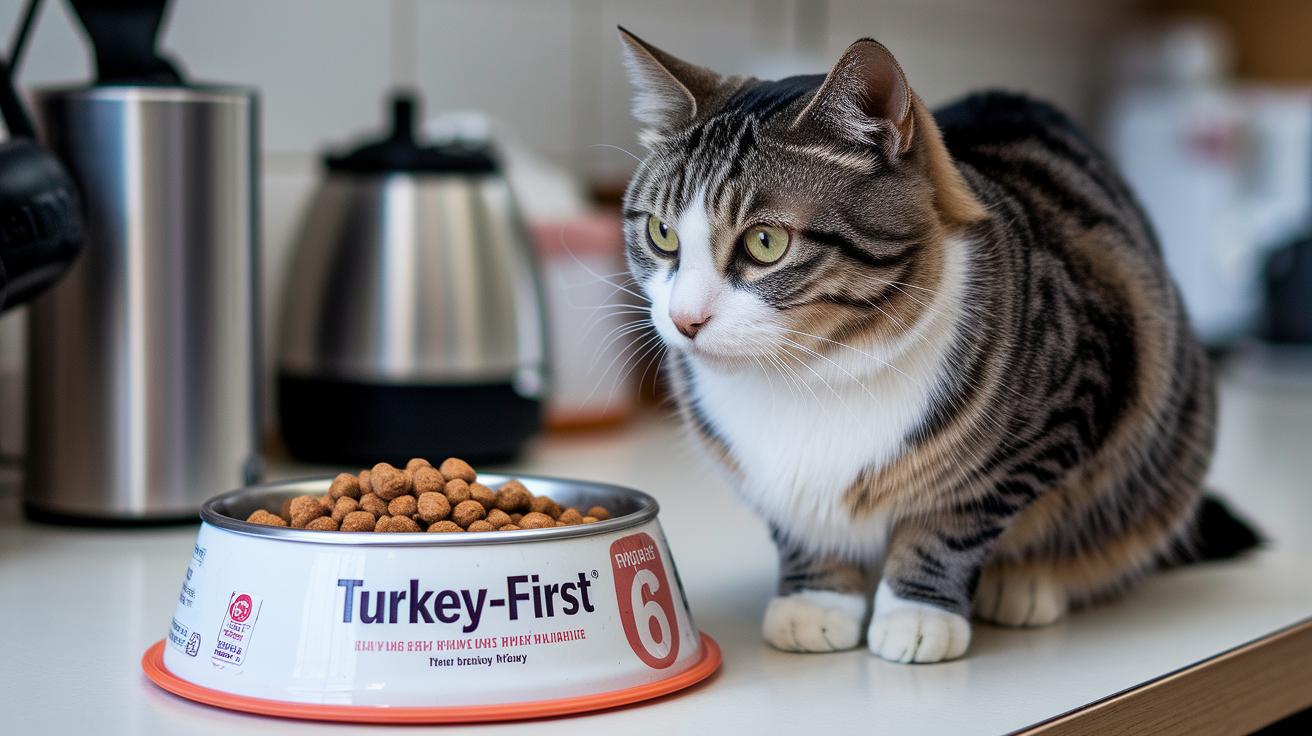
Grain allergies in cats are really rare. Instead, focus on foods that list a specific meat, like turkey or beef, as the first ingredient, which helps you know exactly what your cat is eating. If you think your cat might have a food allergy, it can be helpful to check out some pet allergy tips. For example, look for labels that say "turkey-first" to be sure about the protein source.
Q: Is there a DCM risk with grain free cat food?
DCM is very uncommon in cats. When it does show up, it’s usually linked to other health issues rather than the grain free diet itself. Regular vet check-ups are key to catching any subtle heart changes early, making sure your cat stays healthy.
Q: What do vets recommend when selecting a grain free diet?
Vets often suggest choosing foods that clearly list the meat you want as the main ingredient. They also remind us to watch the amount of carbs in the food. Plus, many recommend moisture-rich diets because they support urinary health while keeping nutrition in balance, going beyond just the AAFCO guidelines. One good tip is to pick a "beef-first" label if you’re looking for clear and honest ingredients.
Q: How should I pick the right food for my cat’s life stage?
It’s important to choose a food that meets AAFCO nutritional standards for your cat’s age. This ensures your cat gets the perfect mix of protein, fats, and nutrients needed for their specific stage of life. For example, a kitten needs food carefully crafted for their rapid growth, so checking the label is a must.
Q: How does moisture support urinary health in a grain free diet?
Having more moisture in your cat’s food can help with hydration and digestion, which in turn supports a healthy urinary tract. Think of moisture-rich food as a natural way to help flush out waste, just like taking a good sip of water here and there. This simple detail can make a big difference, especially if your cat is prone to urinary issues.
Final Words
In the action, we've explored the ups and downs of grain free cat food, taking a close look at its protein sources, carb alternatives, and moisture benefits. We've also compared dry versus wet options and reviewed top brands to boost nutritional balance. Understanding AAFCO standards and vet FAQs helps ensure a safe diet for your furry friend.
This guide equips you with practical tips to choose wisely and keep your pet healthy. Every small step counts toward a happier, more energetic companion.