
Is your dog having tummy troubles lately? It might seem like nothing is safe to eat when your furry buddy's stomach feels extra sensitive. We know it hurts to see your best friend in discomfort.
In this guide, we share six vet-approved dog foods that use gentle, easy-to-digest ingredients. Each option is made to calm upset tummies and give your pet the balanced nutrition they need.
Have a look and find out how these choices might help bring peaceful digestion and more joyful, tail-wagging days for your beloved companion.
Best Dog Food for Sensitive Stomachs: 6 Top Vet-Approved Picks
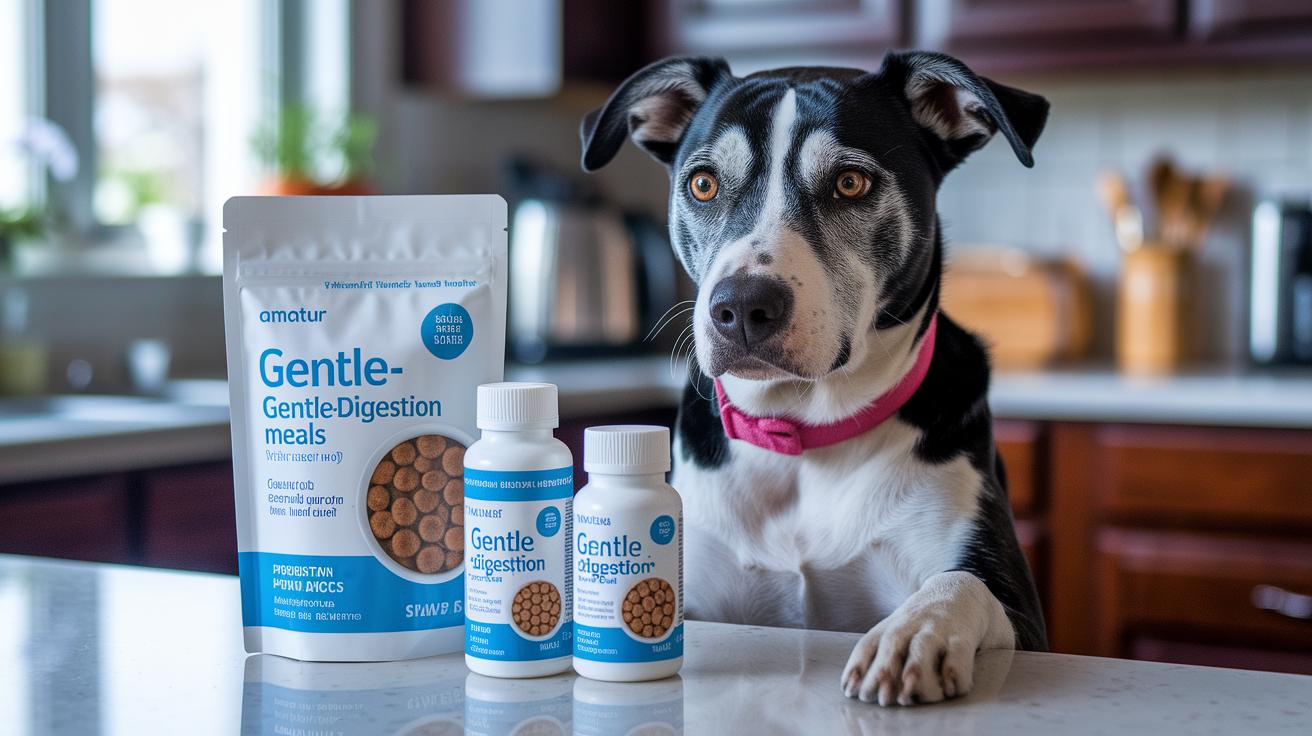
If your pup has a sensitive tummy, finding food that supports gentle digestion is really important. We’ve put together six vet-approved meals that are made with easy-to-digest ingredients and a boost of probiotics. Each option is designed to help with issues like allergens, preserve important nutrients through careful baking, and deliver balanced nutrition for dogs at every stage of life. They work to keep your dog’s stool consistent, reduce vomiting, and ease discomfort in delicate digestion.
| Product | Key Benefits |
|---|---|
| The Honest Kitchen Grain Free Dehydrated Recipes (Turkey & Chicken) | Provides balanced nutrition; needs water added before serving; supports gentle digestion. |
| Honest Kitchen Limited Ingredient Recipes (Fish & Duck) | Fewer ingredients help lower allergen risks; great for pups with sensitivities. |
| Whole Food Clusters | A grain-free kibble made with gentle baking to keep natural nutrients intact. |
| Bone Broth Pour-Overs | Adds extra hydration and nutrients from bone broth to support a healthy gut. |
| Instant Goat’s Milk With Probiotics | Filled with 1.25 billion probiotics; easy to digest for dogs of any age. |
| Homemade Diets With The Honest Kitchen Base Mix | A flexible mix that lets you create vet-approved homemade meals for sensitive tummies. |
Dog Owner Testimonials
- "Since we switched, my dog's tummy feels so much better, and she's full of energy again!"
- "It's amazing how his gas has reduced and his appetite has picked up."
- "You can really see the difference in his stool consistency, and he seems much more comfortable every day."
Essential Ingredients in Dog Food for Sensitive Stomachs

If your furry friend has a delicate tummy, choosing the right foods can make all the difference. Easily digestible proteins like chicken, turkey, and fish help keep meals light while still giving your dog the nutrients they need. I remember when I mixed fresh turkey into my pup's diet, the wagging tail said it all as his energy bounced back and his digestion improved.
Fiber is just as important. Foods such as pumpkin, kale, flaxseed, and apples add essential fiber that supports a healthy gut. These ingredients gently move food along the digestive tract, keeping things running smoothly. And choosing organic, preservative-free options can help avoid any unwanted irritation.
Here’s a quick list of what to use and what to skip:
- Easily digestible proteins: Chicken, turkey, fish
- Fiber-rich ingredients: Pumpkin, kale, flaxseed, apples
- Avoid artificial preservatives: BHA, BHT
- Skip dairy products: Milk, eggs, butter
- Avoid high-fat foods: Greater than 25% fat content
- Steer clear of spicy ingredients and common allergens like wheat, soy, and corn
By following these tips, you can create a balanced diet that soothes sensitive tummies and keeps your pet feeling great. Isn’t it wonderful to see your buddy thrive with a little extra care?
Veterinarian-Recommended Diet Plans for Sensitive Stomachs

When your dog’s tummy is acting up, a custom diet plan from your vet can really help. Your vet will create a plan that fits your dog’s age, breed, and health needs. I remember a pup whose energy and shiny coat came back quickly after switching to a vet-approved diet.
A big part of these plans is making the change slowly. Experts say you should take at least two weeks to mix the new food with the old. Start with just a little bit of the new food and gradually add more every few days. You might also add a probiotic supplement, like high-quality goat’s milk with 1.25 billion good bacteria, to help smooth the transition. This step-by-step approach eases your dog’s digestion and keeps his stool regular.
It’s also smart to avoid foods that might upset a sensitive stomach. Stay away from human table scraps, meals with too much fat, and anything spicy. Stick with balanced, carefully prepared meals instead. And if your pet shows serious or ongoing symptoms, check out this link on when to see a vet for help [signs your pet needs a veterinarian checkup].
For those looking at other options, it might be helpful to compare holistic plans with prescription diets. You can explore more about holistic pet nutrition under your vet’s guidance here [holistic pet nutrition].
Safe Transition Techniques for Dog Food Changeover
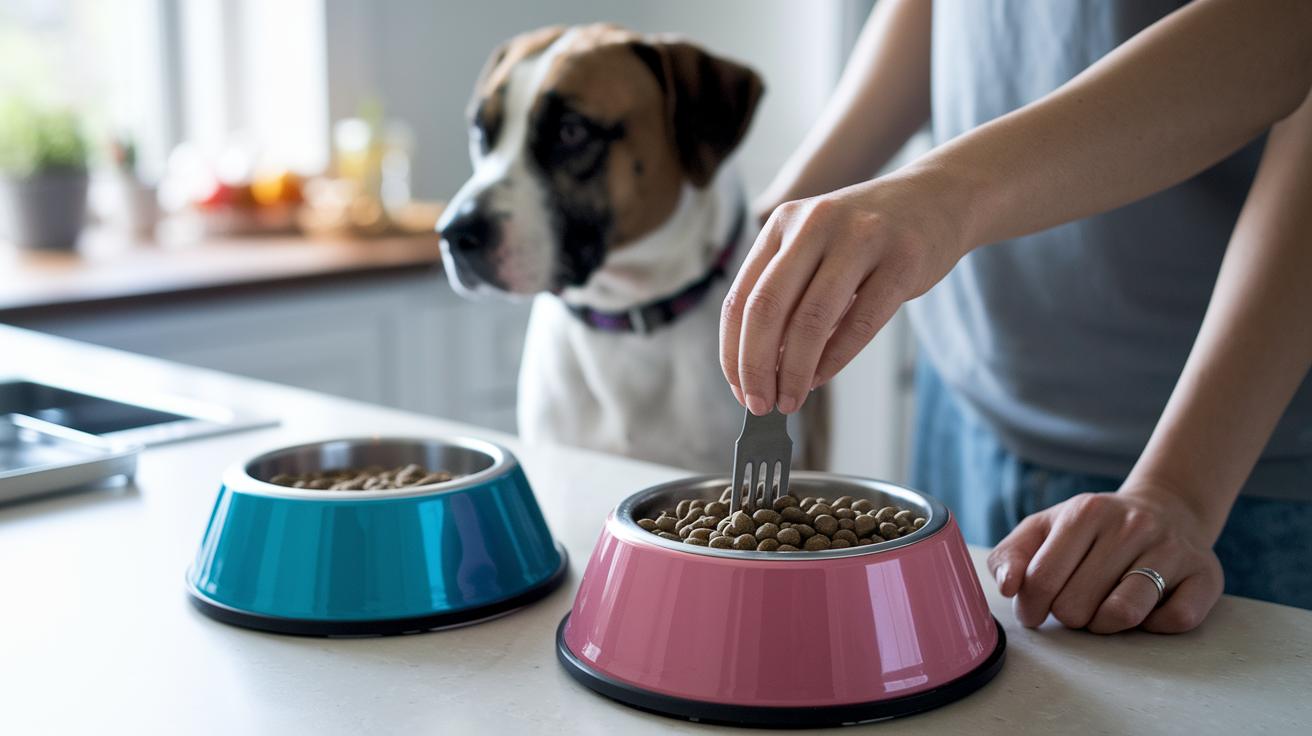
When it's time to switch up your dog's food, take your time and keep an eye on any signs of a sensitive tummy. Start by mixing a small share of new food with mostly the old one, letting the change happen gradually.
Here's a simple way to make the switch gentle:
- Begin with a mix of 25% new food and 75% old food for at least two weeks.
- Slowly boost the new food by about 25% every 2-3 days.
- Consider adding a probiotic supplement, like goat’s milk with 1.25 billion CFU (a dose that helps digestion), to support your pet's tummy.
- Watch your dog's reaction, notice changes in stool, appetite, and overall comfort.
A few extra tips for a smooth switch:
- For picky pups, mix in a teaspoon of low-sodium broth with the new food to boost flavor. This little trick can help encourage them to try the new taste.
- Be careful not to rush the process or mix foods that feel very different. If your dog keeps having loose stools, slow things down.
- One pet owner discovered that warming the new food to room temperature helped their dog accept it more easily, much like enjoying a warm meal on a chilly day.
By taking a gradual approach and using these extra strategies, you're giving your furry friend the best chance for a safe and comfy digestive change.
Dog Food for Sensitive Stomach: Blissful Digestive Care
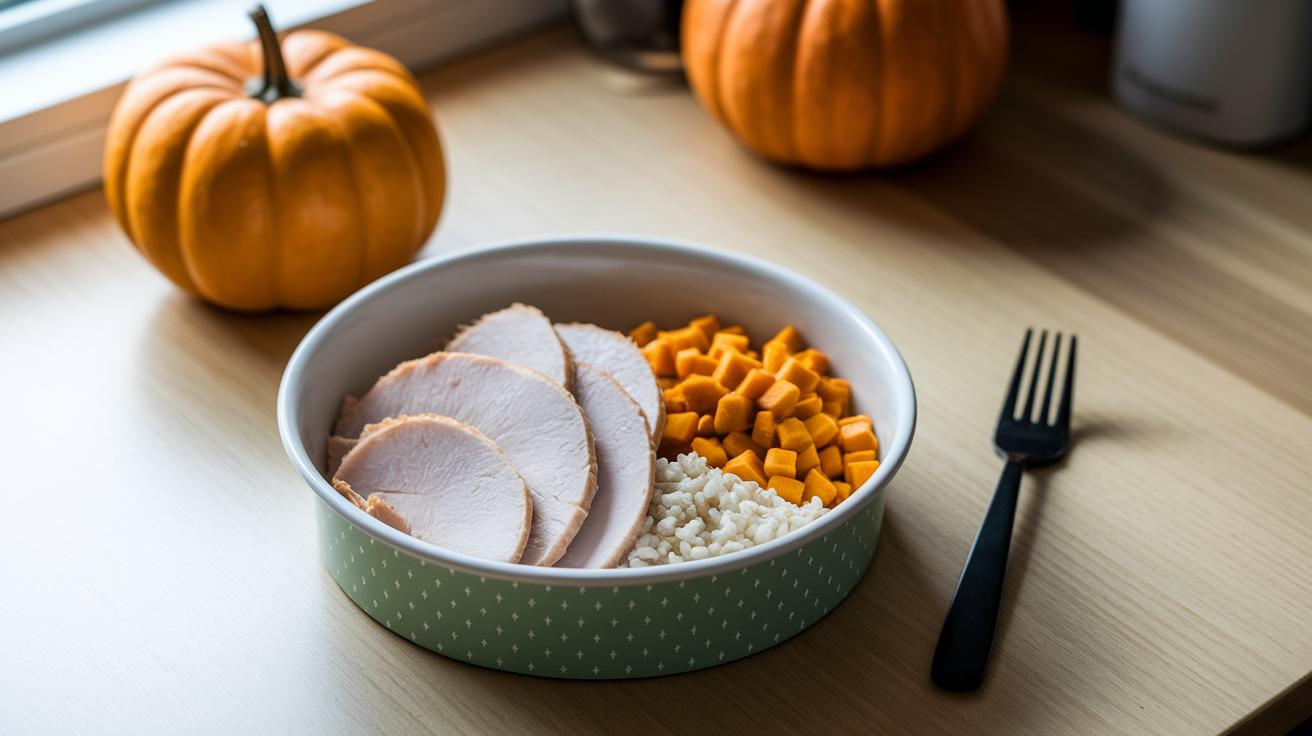
When you’re whipping up a homemade meal for your sensitive pup, it’s important to keep things gentle on their tummy and avoid any trouble-making ingredients. Think of it like cooking for a friend who has a delicate stomach. A simple mix of lean proteins, like turkey, rabbit, or fish, with soft carbs like rice or sweet potatoes, plus a bit of pumpkin for natural fiber, helps keep every meal calm and happy.
A good tip is to stick to recipes with just a few ingredients. With less on the list, there’s a lower chance of stirring up allergies in sensitive pups. For instance, plain turkey paired with a tiny serving of rice and pumpkin is all you need. This simple combo avoids unnecessary additives and gives your furry friend pure, wholesome nutrition.
You might also want to try adding a supplement like Instant Goat’s Milk With Probiotics. This supplement is packed with good bacteria that can help your pet’s digestion. And if you’re looking for an extra boost, consider The Honest Kitchen Base Mix; it’s a veterinarian-formulated foundation that makes your home-cooked meals balanced and nutritious.
Here are a few key tips for a successful recipe:
| Tip | What to Do |
|---|---|
| Protein | Use lean options such as turkey, rabbit, or fish |
| Carbs | Incorporate digestible carbs like rice or sweet potatoes |
| Fiber | Add pumpkin to help with fiber and regulation |
| Ingredients | Keep the list short to lower allergen risks |
| Support | Consider probiotic supplements for a digestion boost |
If you need more ideas, check out some vet-approved homemade dog food recipes for balanced, home-cooked meal plans. Isn’t it amazing how a few simple ingredients can make your pet’s meal both tasty and easy on the tummy?
Allergy-Friendly and Hypoallergenic Dog Food Solutions
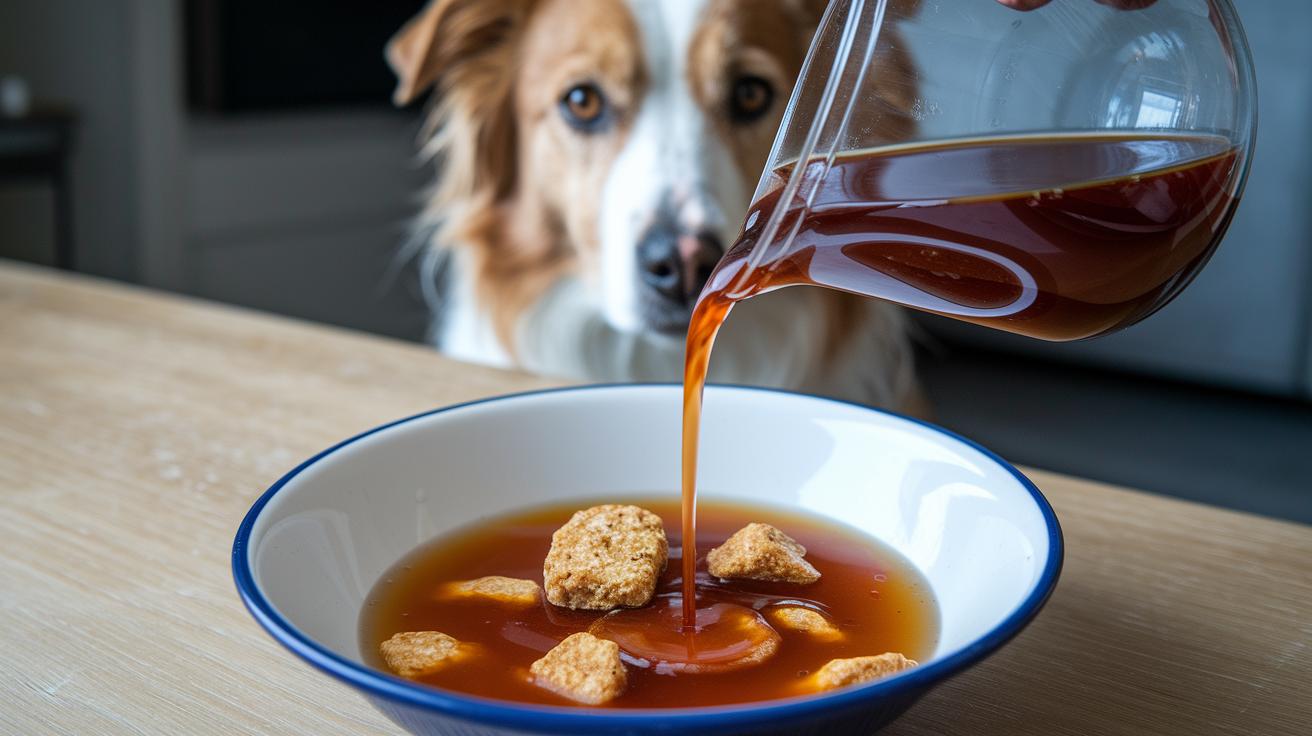
New ideas like freeze-dried raw nuggets and bone broth pour-overs offer a fresh way to support your dog's tummy without rehashing the old allergen tips. These innovative meals make it easier for your dog to digest food while carefully avoiding ingredients that typically cause issues.
One pet parent shared, "Switching to a venison-based meal decreased my pup's tummy troubles." This shows that trying out new proteins, be it venison, duck, or rabbit, can really help when they're made in a smart, modern way.
When picking out food, keep these simple tips in mind:
- Choose options that help gut health, like freeze-dried treats or broth-enhanced meals.
- Try out different proteins instead of the usual ones.
- Stay away from common allergens like wheat, soy, corn, dairy, and artificial preservatives.
| Feature | Benefit |
|---|---|
| Freeze-Dried Nuggets | Provides gentle gut support with fresh, lightly processed ingredients |
| Bone Broth Pour-Overs | Makes digestion smoother while adding a natural burst of flavor |
Frequently Asked Questions About Dog Food for Sensitive Stomachs
How long before I see improvements?
Most pups start feeling better in about 2 to 4 weeks. You might notice firmer stools and fewer tummy troubles during that time. But if nothing changes after a month, it’s a good idea to chat with your vet.
Can I add probiotics to my dog’s diet?
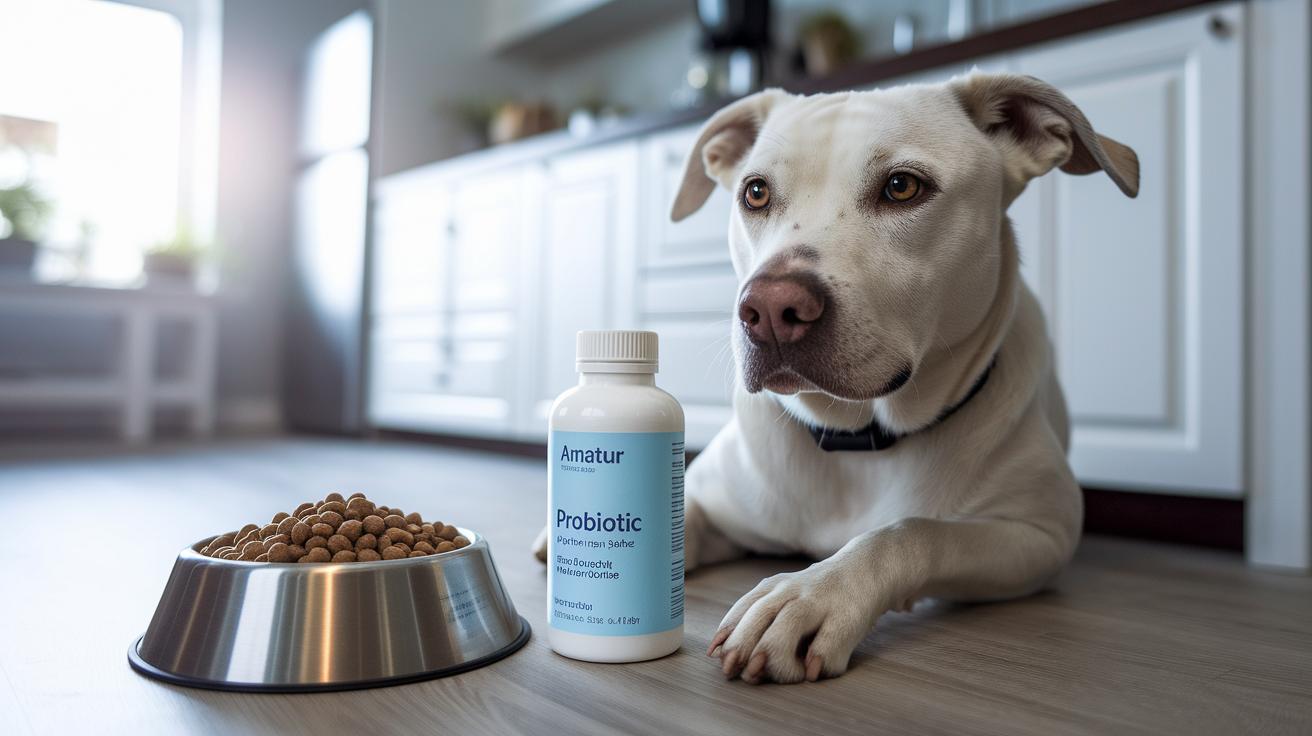
Yes, you can. Adding a probiotic supplement with at least 1.25 billion CFU can help balance your dog's gut health. It might even smooth the switch to a sensitive-stomach food.
Is a raw diet a good idea?
For some dogs, a raw diet works wonders. But if your pet has a weak immune system, a raw diet might not be best. Always check with your vet and think about your dog’s overall health before trying something new.
When should I seek veterinary care?
Keep an eye out for things like constant vomiting, diarrhea that lasts over a day, or sudden weight loss. These signs could mean your dog’s tummy issue is more serious and needs professional care.
Key formula points include:
| What to Look For | Why It Matters |
|---|---|
| Limited ingredients | Reduces the chance of upsetting sensitive stomachs |
| No artificial additives (like BHA/BHT) | Keeps your pet’s diet clean and natural |
| Fat content below 25% | Helps prevent overloading their digestion |
| Added fiber | Supports smooth, gentle digestion |
Final Words
In the action, we've explored six top picks, essential ingredients, and vet-recommended diet plans geared towards sensitive pups. We dove into safe transition techniques and even homemade recipes, ensuring every pet can enjoy gentle, nutritious meals without digestive hassles.
This guide helps simplify decision-making by showing how the right dog food for sensitive stomach can lead to a happier, healthier pet. Keep experimenting with new approaches and enjoy watching your furry friend thrive!
FAQ
What dog food is least likely to cause diarrhea in dogs with sensitive stomachs?
The best dog food for reducing diarrhea includes formulas with limited ingredients and high digestibility. These diets often add fiber and probiotics to support firm stools and overall digestive health.
What is the best dog food option for dogs with sensitive stomachs, including issues like vomiting and skin allergies?
The best dog food for sensitive stomachs, vomiting, and skin allergies uses hypoallergenic, limited-ingredient formulas with quality proteins and added probiotics. These diets calm the gut and help reduce troublesome symptoms.
How can homemade dog food be tailored for dogs with sensitive stomachs?
Homemade dog food for sensitive stomachs relies on simple recipes using lean proteins, easily digestible carbs like rice or sweet potatoes, and fiber-rich ingredients such as pumpkin to soothe digestion naturally.
What are non-prescription options for dog food for sensitive stomachs?
Non-prescription options feature over-the-counter formulas made with minimal, gentle ingredients and easily digestible proteins. These diets help manage digestive issues without the need for a veterinary prescription.
Who makes the best sensitive stomach dog food?
The best sensitive stomach dog food is offered by trusted, vet-endorsed brands. These companies produce grain-free and limited-ingredient formulas designed to ease digestion and promote overall gut health.
Is wet or dry food better for dogs with sensitive stomachs?
Both wet and dry food can work for sensitive stomachs; wet food provides extra moisture for digestion while dry food delivers a stable, balanced nutrient profile. The best choice depends on your dog’s unique needs.