
Have you ever wondered if some unwelcome guests might be hiding in your dog's tummy? Worms can sneak in and cause trouble, even for the liveliest pup. Dog dewormers work like brave heroes, quickly taking care of these tiny pests.
In this chat, we’ll break down how these little helpers do their job, share the benefits they offer, and point out the best choices to keep your furry friend healthy and free of parasites. Ready to learn how to protect your pet's health from the inside out?
Understanding Dog Dewormer: How It Works, Benefits & Essential Types
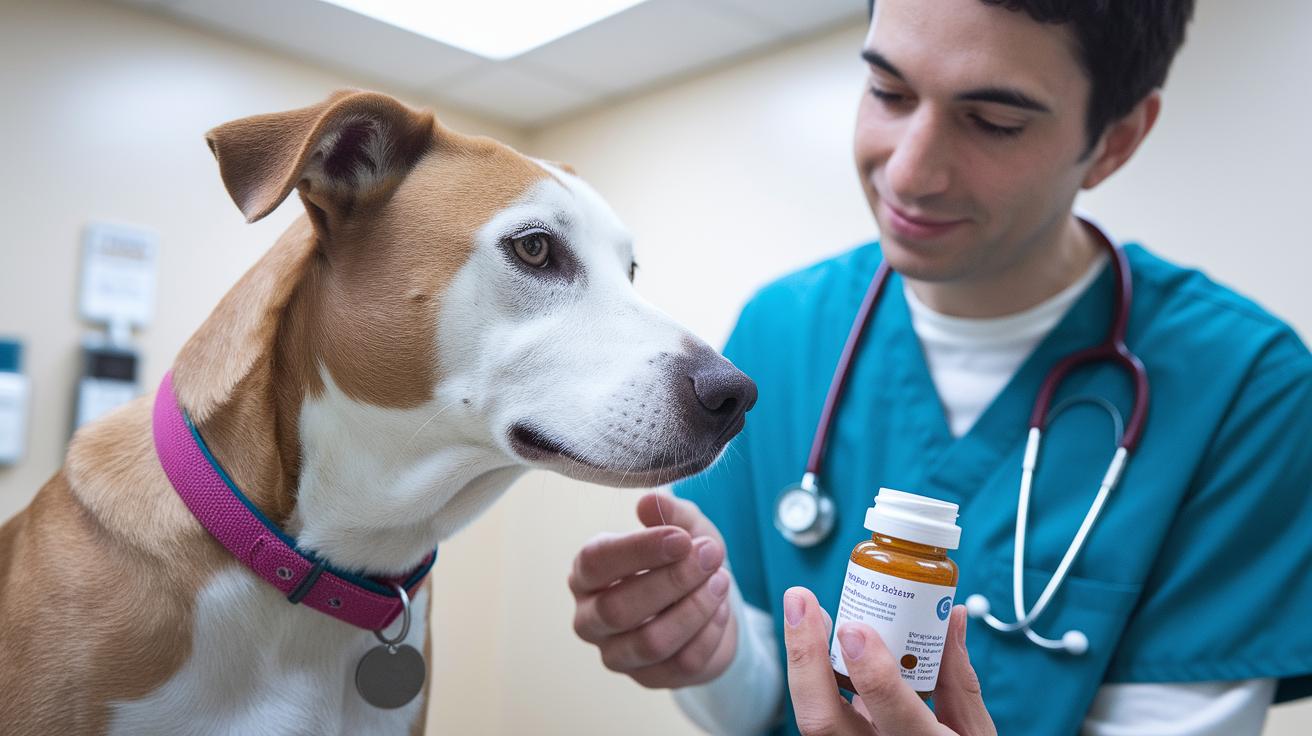
Dewormers are like little helpers that clear out nasty worms from your dog’s tummy. They work by either melting the worms away or making them unable to move so your dog’s body can push them out naturally. This is key because worms such as roundworms, hookworms, tapeworms, whipworms, heartworms, and lungworms can really harm your pet if they’re not taken care of.
Think of a dewormer as a brave firefighter that quickly stops a small blaze before it grows too big. Worms can get into your dog in various ways. For instance, roundworms can be passed from a mother to her puppies, hookworms are often picked up from dirty soil, and tapeworms might appear when your dog eats an infected flea or even a small animal. Even heartworms, spread by mosquito bites, remind us that small threats can turn into serious health hassles in no time.
Regular deworming is super important to break the cycle of these pesky parasites and keep your dog feeling great. For puppies, treatments are usually given every 2 to 4 weeks until they turn 12 weeks old, and then once a month until they hit 6 months. Adult dogs generally get dewormed every 3 to 6 months, depending on their risk and what the vet suggests. This steady care not only clears out any current worms but also helps keep new ones from coming back.
| Worm Type |
|---|
| Roundworms |
| Hookworms |
| Tapeworms |
| Whipworms |
| Heartworms |
| Lungworms |
Dog Dewormer Formulations and Key Active Ingredients
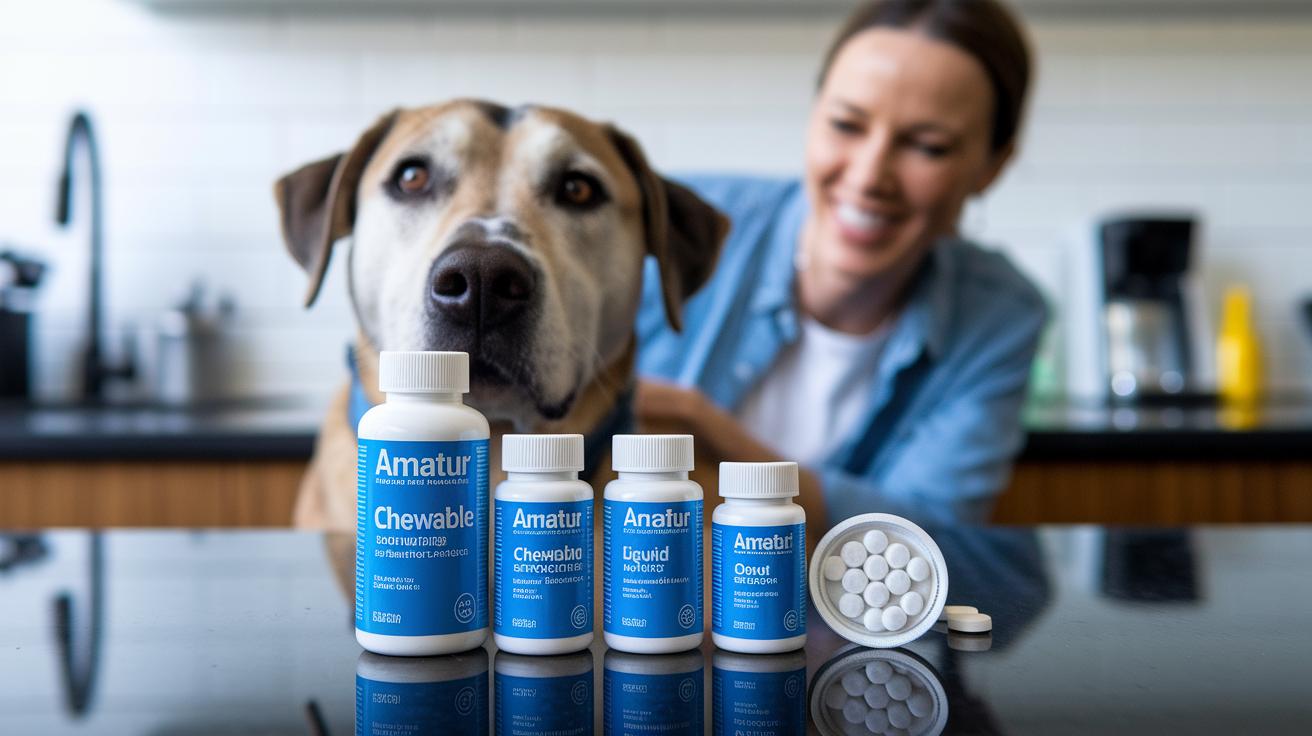
When it comes to keeping your furry friend safe from worms, there are several easy-to-use dewormers available. Whether your dog is a little puppy or a big, playful adult, there’s a reliable option to whisk away those pesky parasites. Each type is made with special ingredients that target specific worms while being gentle on your pet. Let’s take a friendly look at the three main kinds of dewormer forms and see what makes each one a great choice.
Liquid treatments work wonders when you need very accurate doses. They’re especially helpful for tiny puppies and small dogs who require just the right amount of medicine. For example, a liquid dewormer with 4.54 mg of pyrantel pamoate per mL ensures that every drop perfectly matches your pet’s weight. Think of it like following a trusted recipe to make your pet’s favorite snack!
Some pet parents prefer tablet-based dewormers because they're super simple to use. These tablets, such as those with 34 mg of praziquantel for tapeworms, can be crumbled and mixed into your dog’s food. This method is perfect for larger puppies and adult dogs, making it as easy as adding a pinch of seasoning to their meal.
Chewable dewormers bring a fun twist to your pet’s monthly care. They taste good, so your dog will see their medicine as more like a treat than a chore. A popular choice, like the Interceptor Plus chewable, combines milbemycin oxime and praziquantel for a wide range of worm control. It’s a stress-free and tasty way to help protect your buddy from parasites.
| Formulation Type | Active Ingredient | Recommended Use |
|---|---|---|
| Liquid Anti-Worm Formula | Pyrantel pamoate 4.54 mg/mL | Ideal for puppies and small dogs needing precise doses |
| Granular Formulation | Fenbendazole 22.2% | Best for dogs and puppies over 6 weeks old |
| Tablet-Based Expeller | Praziquantel 34 mg | Can be crushed for puppies aged 4+ weeks |
| Chewable Dewormer | Milbemycin oxime + Praziquantel | Provides monthly broad-spectrum parasite control |
| Tablet Solution | Combination formula | Handles multiple types of worms in one tablet |
Dosage Guidelines and Administration Best Practices for Deworming Dogs
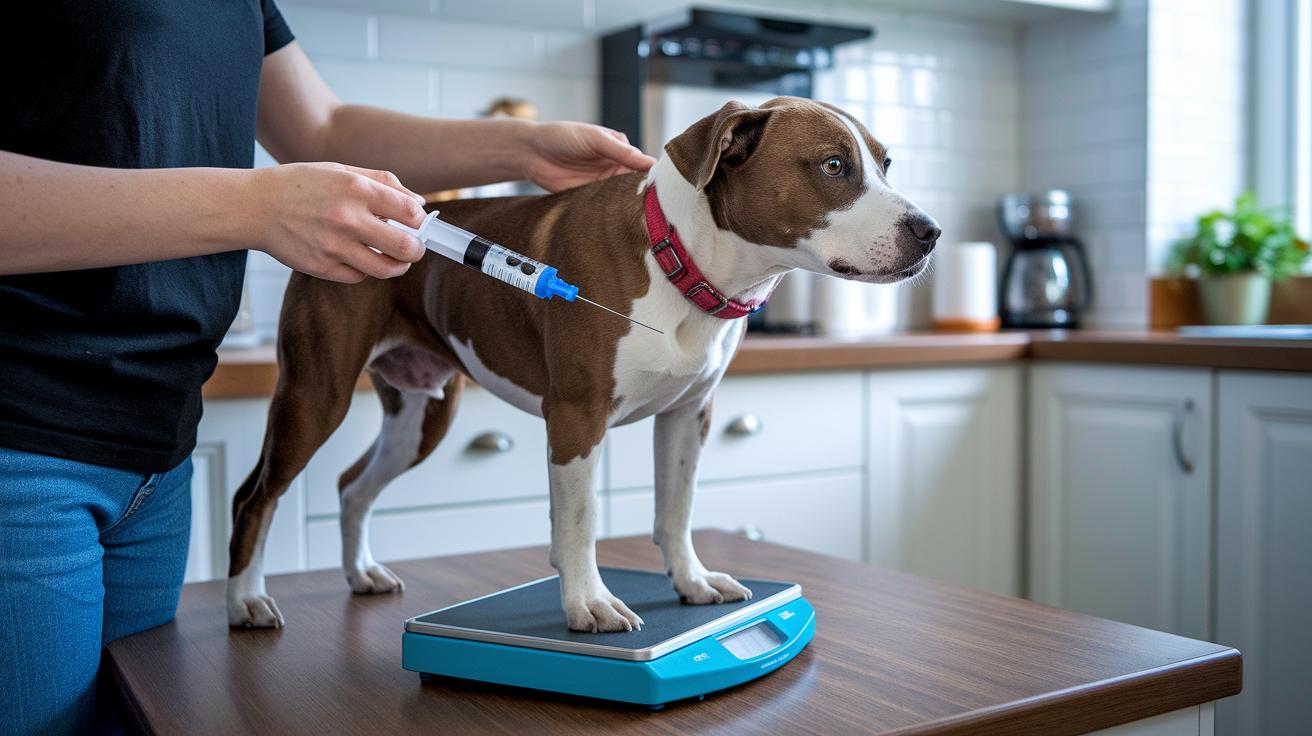
Getting your dog the right deworming dose is super important for keeping them happy and parasite-free. For puppies, treatments start as early as 2 or 3 weeks old. You give them medicine every 2 weeks until they’re 12 weeks old, then switch to once a month until they hit 6 months. Adult dogs get their dose every 1 to 6 months based on their risk factors and what your vet recommends.
Because the correct dosage depends on your dog's weight, you need to measure carefully. Liquid medicines show a clear mg/mL measurement, so always check the manufacturer’s dosing chart. Tablets and granules need careful calculation too. Always double-check the packaging or ask your veterinarian if you’re unsure about the dose.
Here’s a simple step-by-step guide to make sure you’re doing it right:
- First, weigh your dog on a good pet scale.
- Then, use the product’s dosing chart to figure out the right dose.
- Give the medicine exactly as directed, and mix it with food if that helps.
- Finally, mark down the date and time of the treatment so you know when the next one is due.
Following these steps helps keep track of dosing and makes sure your pet stays healthy and free from parasites.
Potential Side Effects and Safety Precautions of Dog Dewormers
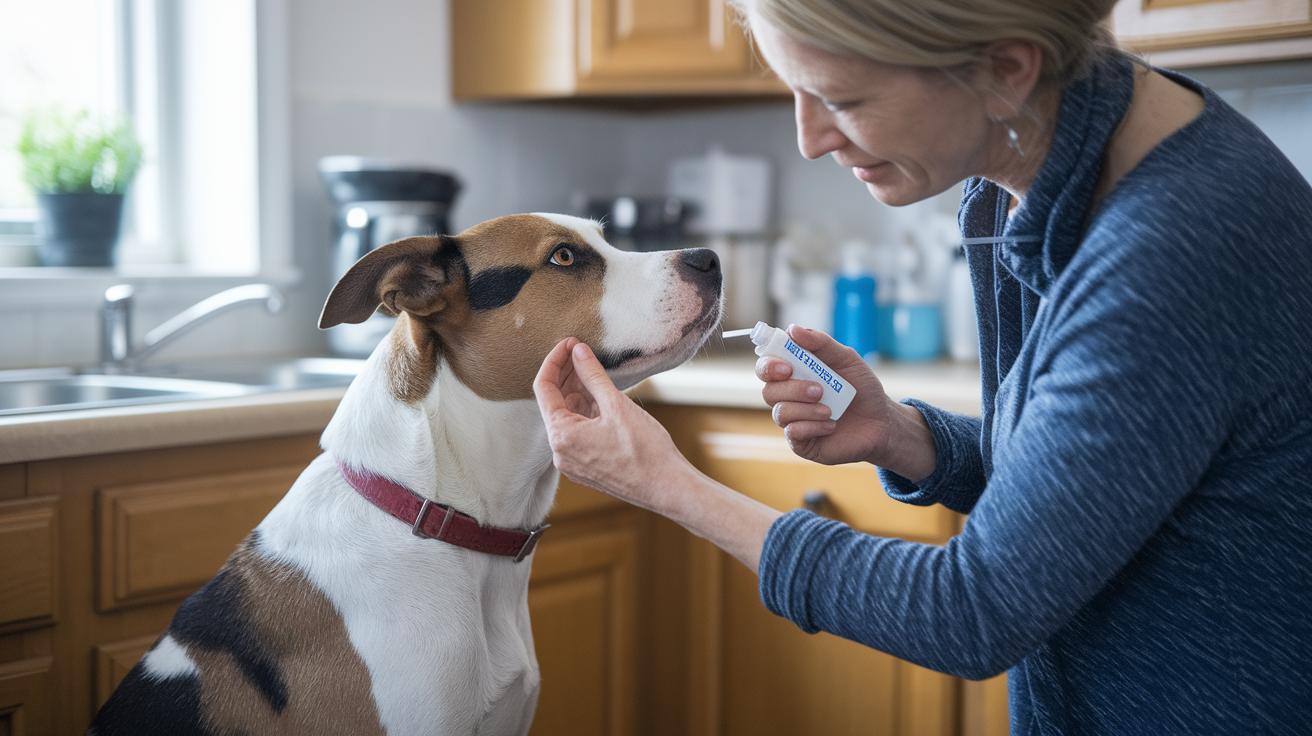
Sometimes, your dog might feel a bit off after taking dewormers. They could have a little nausea, throw up, or even experience diarrhea as the medicine clears out the dead worms from their stomach. Usually, these mild symptoms pass on their own without causing any lasting issues.
It’s important to follow dosing guidelines based on your dog’s weight. That way, you help avoid giving too much medicine, which could be harmful. Natural remedies like garlic need extra care since they can be dangerous if not used properly. I always say, double-check with your vet and consult a proper dosing chart to keep your furry friend safe.
If you notice more serious signs, like constant vomiting, extreme tiredness, or reactions that go beyond a mild upset, get in touch with your vet immediately. These signs could mean there’s something more serious going on. Keeping a close eye on your pet after treatment and following your vet’s advice can really help prevent any nasty surprises later on.
Prescription vs. Over-the-Counter and Natural Dewormer Options for Dogs

When it comes to picking a dewormer for your dog, it helps to know what choices are out there. Your vet can guide you based on your dog's needs so you know the treatment is safe and works well.
Prescription Dewormers
These are the dewormers your vet specifically recommends, like Drontal Plus and Interceptor Plus. They’re made to target certain parasites and have been approved by the FDA. When your dog has a confirmed or serious parasite issue, your veterinarian might suggest something like Interceptor Plus, which mixes milbemycin oxime and praziquantel to tackle several parasites in one go.
Over-the-Counter Remedies
These options, such as Safe-Guard and WormX Plus 7, give you broad protection against parasites and are easy to get. They work well for regular parasite checks but might need a vet’s opinion if you notice worsening symptoms. Many pet owners say using Safe-Guard is like giving a daily multivitamin to keep things balanced.
Natural Alternatives
For those who prefer organic options, natural dewormers like pumpkin seeds and diatomaceous earth can be an alternative. However, these might need higher amounts to work well, and there isn’t as much safety data available. So, it’s always a good idea to check with your vet before trying these out.
Preventing Re-Infestation and Post-Treatment Care for Dogs
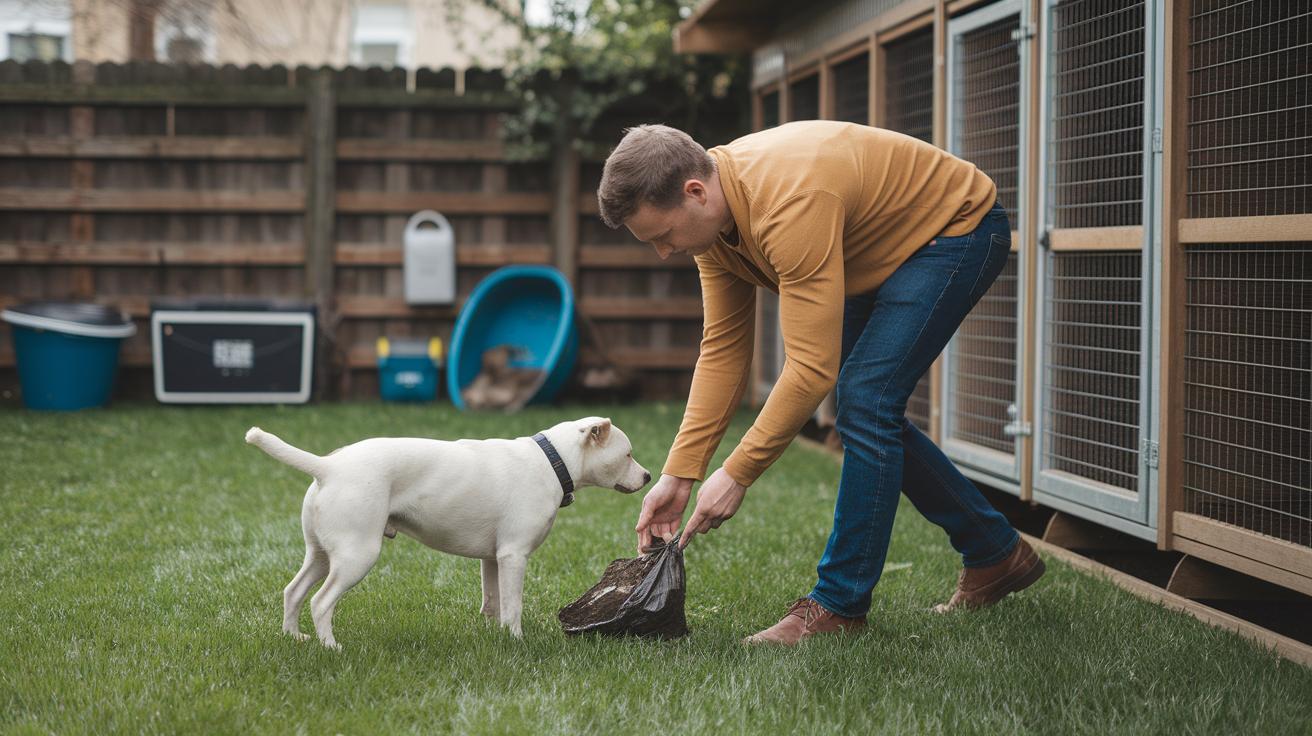
After deworming, it's important to keep your pup safe from parasites by sticking to smart, everyday care. First off, be sure to pick up your dog’s poop right away and clean out kennels and living areas often. Keeping your yard tidy helps stop any unwanted critters from coming back.
During months when mosquitoes are buzzing around, you might need to deworm more often to reduce the risk of heartworms. I once found that adjusting the schedule during these busy times really made a difference. And don’t forget regular poop tests every three to six months. These tests catch any stray worms early so you can take care of them quickly. Along with these tests, using monthly heartworm and flea/tick preventatives gives your dog a full-body shield against common pests.
Feeding your dog a balanced diet and making sure they drink plenty of water during recovery is crucial. It helps support their natural healing and keeps them feeling their best. Plus, keeping an eye on your dog's stool after treatment is a good habit. If you see any changes or signs of discomfort, you know it’s time to act.
- Dispose of feces immediately and clean your dog's living area often
- Increase deworming frequency when mosquitoes are active
- Schedule fecal tests every three to six months to ensure no worms remain
- Combine deworming with monthly heartworm and flea/tick preventatives
Final Words
In the action of our guide, we dove into how a dog dewormer works, why it’s essential, and the types available, from liquid formulations to tablets and chewables. We also covered proper dosage, potential side effects, and ways to prevent re-infestation to keep your pet feeling its best.
By laying out safe options and clear instructions, you can make informed decisions and protect your furry friend with a trusted dog dewormer. Enjoy every happy, healthy moment with your pet.
FAQ
What does the dog dewormer fenbendazole do?
The dog dewormer fenbendazole fights common worms like roundworms and hookworms by either paralyzing or dissolving them, which allows your pet to safely expel the parasites.
What is the best dog dewormer?
The best dewormer depends on your dog’s size, age, and worm type. Many products, including liquid and tablet options, offer broad-spectrum control, so always consult your vet for personalized advice.
Where can I buy dog dewormer near me?
Dog dewormers are available at major retailers such as Walmart and Tractor Supply, as well as local pet stores and online platforms, making access convenient and diverse.
Can I deworm my dog myself?
Yes, you can deworm your dog at home using over-the-counter products if you follow the directions carefully, but checking with your vet first can ensure the right dosage and safety for your pet.
What is the most effective dewormer for dogs?
The most effective dewormer is one that targets the specific worms affecting your dog. Broad-spectrum options like fenbendazole are popular, yet consulting a vet guarantees the best match for your pet’s needs.
What are signs your dog has worms?
Common signs include a bloated stomach, diarrhea, vomiting, weight loss, and a dull coat. Noticing these symptoms early, especially in puppies, can help ensure prompt and effective treatment.
How often should you deworm your dog?
Deworming frequency varies with age and risk factors. Puppies may need treatment every 2–4 weeks up to 12 weeks old, then monthly until six months, while adult dogs usually need deworming every 3–6 months per vet guidance.