
Have you ever wondered if a dog crate is a punishment or a safe haven? In truth, crate training turns that simple box into a snug little den where your pup can unwind. It’s like giving your furry friend their own private kingdom to relax, build confidence, and learn good habits.
When your pup has a cozy spot to call their own, housebreaking becomes easier and even trips to the vet feel less stressful. Try out a few simple tips, and watch how this small space creates big wins for a happy, well-trained dog.
How Dog Crate Training Tips Deliver Effective Training Results
Crate training brings more than just a way to keep your dog in one spot. It shows them where to go potty, gives them a safe, snug little space, helps ease those moments of feeling alone, and even makes trips easier because they get used to a small area. Think of it as giving your dog a cozy corner inside your home, a place that quietly says, "This is my safe spot," much like a warm den.
| Benefit |
|---|
| A cozy den to relax |
| Faster housetraining |
| Less separation anxiety |
| Smoother travel and vet visits |
By using these crate training tips, you help your dog feel safe and build confidence step by step. Start with a short session in the crate and slowly spread out the time as your pup grows more at ease. This gradual process makes the crate feel like a happy spot and also boosts overall obedience. In truth, every time your dog goes into the crate, it’s a little step toward a well-trained, confident companion.
Selecting the Perfect Crate Size and Placement for Your Dog
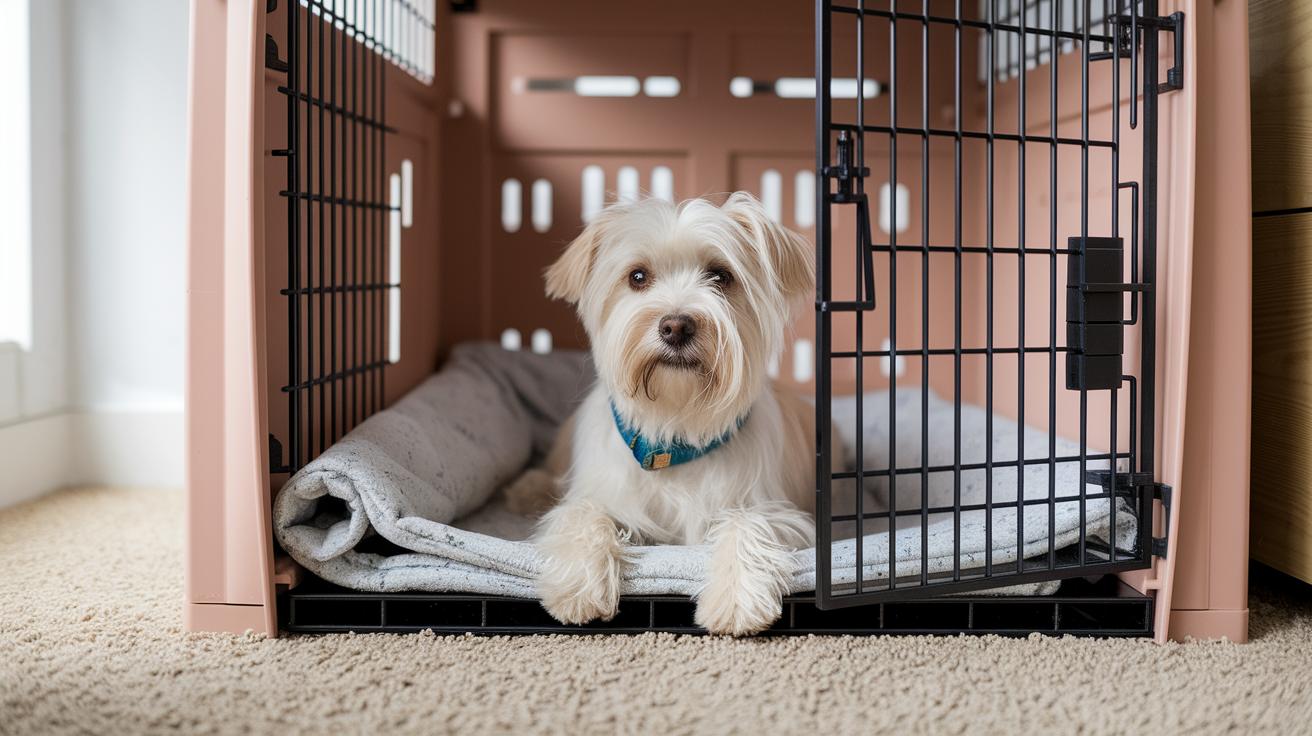
Begin by measuring your pup from the tip of the nose to where the tail starts and check their height from the floor up to the top of their head. This way, you can be sure they have enough space to move around without feeling squished. With these measurements, you can match your dog to a weight range and pick a crate that fits just right. For example, a small dog weighing up to 20 lbs will need a smaller crate than a bigger breed. Check out the guide below for easy crate dimensions.
| Dog Weight | Crate Dimensions (L×W×H) |
|---|---|
| Up to 20 lbs | 24″×18″×19″ |
| 21–40 lbs | 30″×21″×21″ |
| 41–70 lbs | 36″×23″×25″ |
| 71+ lbs | 42″×28″×30″ |
Next, find a calm spot for the crate in your home, a cozy corner away from heavy foot traffic and direct sunlight. A quiet, draft-free area makes your dog feel safe and helps them settle in happily. It’s like setting up a little retreat where they can relax and feel at home.
dog crate training tips: Happy Pup Success
Introducing crate training to your new friend can be fun and simple when you take it step by step. It’s all about showing your pup that the crate is a cozy, safe spot, and not a place for punishment. When you fill the crate with soft bedding, tasty treats, and gentle periods of separation and return, your dog comes to see it as a little haven where calm and good things happen. Imagine your pup curling up with a favorite blanket and toy, feeling loved and secure.
Phase 1: Making the Crate Inviting
Start by filling the crate with soft bedding, favorite toys, and a few scattered treats. Try placing one special treat right on the cushion as a sign that this is your dog’s safe zone. This warm setup will spark your pup’s curiosity and help create a happy connection with the crate.
Phase 2: Feeding Inside the Crate
Next, serve meals right inside the crate. Begin by placing the food bowl near the door, and then gradually move it further inside over time. This gentle shift shows your dog that the crate is a place where all good things, like a yummy meal, can happen.
Phase 3: Short Closed-Door Sessions
Once your pup feels comfortable, start closing the door for short bursts while he eats. Begin with just 1–2 minutes, and then add about 5 minutes at a time. This slow increase helps your pet learn that brief periods behind the door are nothing to worry about.
Phase 4: Practicing Departures and Returns
Practice stepping out for a minute or so, and then slowly extend these absences. This process builds your pup’s confidence by showing him that even when you leave, you always come back.
Phase 5: Overnight Crate Time
During bedtime, try keeping the crate near your bedroom for the first week. A calm nighttime routine, maybe with a soft night light and gentle words, can turn the crate into a comforting part of the nightly ritual.
Phase 6: Handling Whining and Whimpering
If your pup whines, pause for a moment before rushing to him. This teaches him to settle on his own and helps distinguish between true distress and simple attention-seeking behaviors.
Troubleshooting: Avoiding Common Crate Training Mistakes
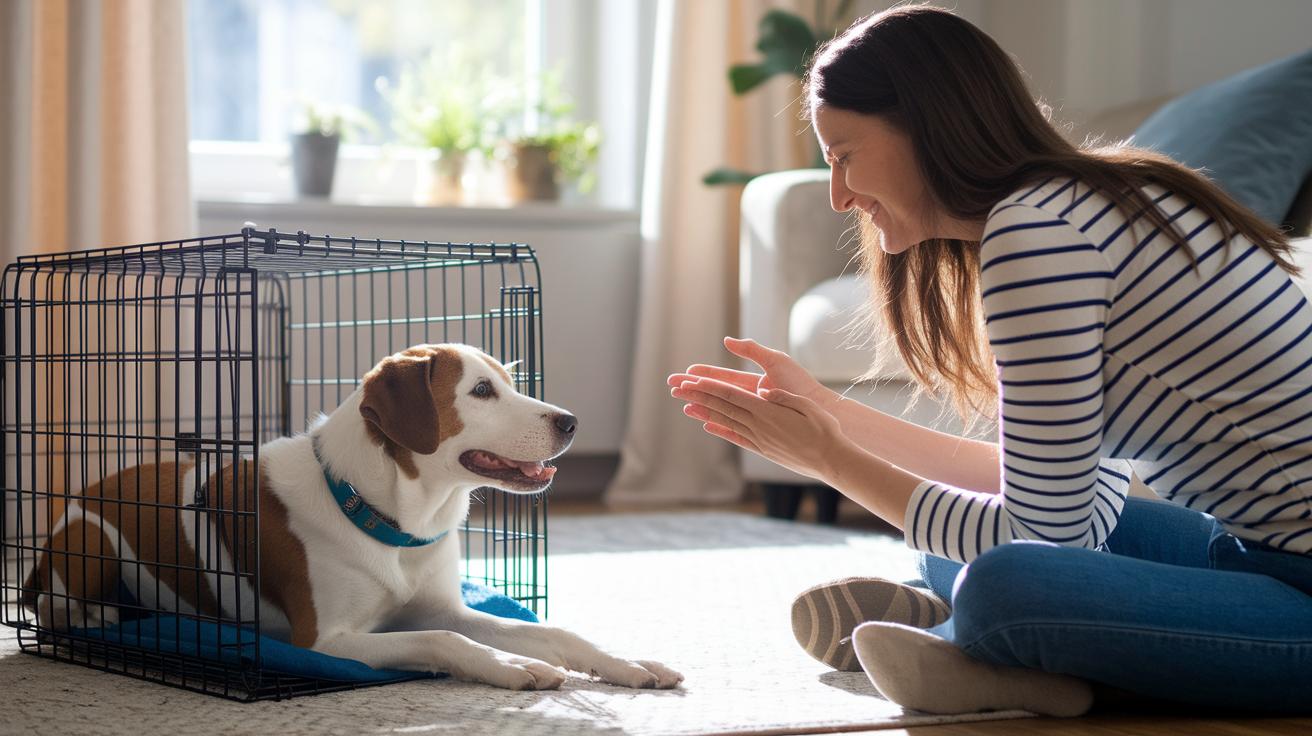
Forcing your dog into the crate too quickly can make them scared instead of feeling safe. Instead, let your pup check it out on their own. Use treats and kind words to help them feel excited about going inside. This way, the crate becomes a little den they can trust.
Keeping your dog crated for too long can lead to stress. Start with short sessions and slowly make them a bit longer as your dog learns to relax. This helps keep the crate cozy rather than a place of discomfort.
Never use the crate as a punishment. It should always be linked with good things like a calm rest, tasty treats, or quiet moments. Keep your tone gentle and friendly so your dog always thinks of the crate as a safe, happy spot.
If your dog starts whining, try waiting just a moment before giving attention. This little pause teaches them that staying calm is a good thing, and it can help ease their anxiety.
And hey, don’t forget to praise your dog when they settle down in the crate. A few kind words or a quick treat go a long way in building their confidence. If you find things tricky, you might even consider a pet training class for hands-on help.
Customizing Crate Training Tips for Puppies and Adult Dogs
Different dogs need different tricks when it comes to crate training. Whether you’re working with a playful puppy, an adult dog, or a rescue, each one has its own story and needs. Think of turning their crate into a cozy haven, just like making a little corner that fits their personality perfectly.
Crate Training Puppies
When training a puppy, keep things short and fun. Try starting with brief sessions, about 5 to 10 minutes at first. This helps match their short attention span and makes the experience light. Remember to take frequent potty breaks so they learn quickly, and keep the crate close by at night so your little buddy feels safe. Gradually, as your pup gets more comfy, you can gently extend the time they stay inside. It’s like slowly adding a bit more time to a game they’re starting to enjoy.
Crate Training Adult Dogs and Rescues
Adult dogs and rescues might need a little extra time to settle in, so start with longer sessions than you would for a puppy. Pairing crate time with meal times or a short walk helps make the space feel rewarding. Try leaving for a minute at a time and then slowly increasing that gap, which can ease any worries about being separated. Always back up calm behavior with kind words or a small treat; this helps build trust over time. In no time, your dog will see the crate as a safe, welcoming spot, a little refuge where they can relax and feel at home.
Integrating Dog Crate Training Tips into Your Daily Routine
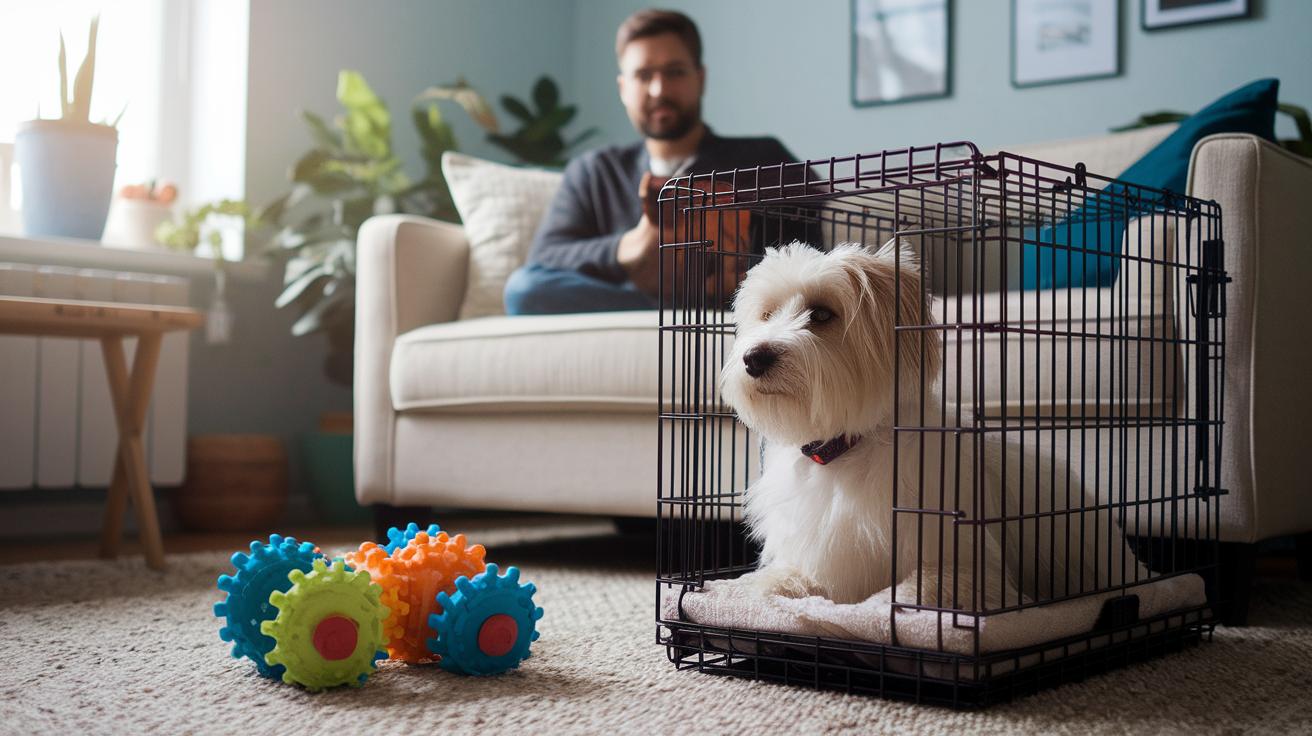
Start your day by following a simple routine with your dog. Wake up together and head outside for a quick potty break. Then let your pup have a short crate rest, it helps them settle before the day's adventures. A steady morning like this sets a reliable tone for you both.
At lunch time, keep things balanced. Serve a healthy meal, and then enjoy a fun play session to help burn off some energy. After some playful moments, guide your dog into the crate for a brief nap. This little pause not only aids digestion but also builds a positive relationship with the crate.
Later in the day, plan some exercise. Whether it’s a brisk walk or a spirited game of fetch, a good stretch is key. After dinner, shift into a calm period with a bit of crate time. This helps your furry friend transition smoothly from active play to a relaxed state.
Finish the day with a gentle stroll before bed. A soothing nighttime walk can help settle your pup’s energy nicely. Then, set up the crate in your bedroom with dim lights and a quiet vibe to create a cozy sleeping spot. This end-of-day routine reinforces a calming environment and keeps things predictable, helping both of you enjoy a good night’s sleep.
Advanced Dog Crate Training Tips for Long-Term Success
Rotate your pup's favorite toys and switch up the bedding every now and then to keep things fun. Try changing a squeaky toy to a rope toy or introducing a new chew to stir up a bit of curiosity. New bedding, like a different fabric or a freshly laundered cushion, can make the crate feel like a brand-new cozy den each time your dog steps in.
It helps to adjust how long and when your dog stays in the crate, especially when life changes. If your work hours change or travel plans pop up, slowly tweak crate time bit by bit. Start with shorter sessions and gradually build them up so your dog never feels too alone. It’s a bit like perfecting a favorite recipe, small changes now lead to a more comfortable routine later.
Keep an eye on your dog's body language to know if things are going well. When your pup walks into the crate happily and relaxes inside, you know the routine is working. But if you notice signs like yawning or hesitation that might mean your dog is getting tired, it might be time to re-check the schedule. This simple observation helps make sure your furry friend always feels safe and loved.
Final Words
In the action, we've covered how crate training builds a strong bond with your pet through safe spaces and clear benefits. We broke down how to select the right crate size and placement, laid out step-by-step crate induction techniques, and shared fixes for common mistakes. We even looked at customizing tips for puppies and adult dogs while fitting these into your daily routine. These dog crate training tips help create a happier, healthier life for your furry friend. Keep going strong, you’re on the right path!
FAQ
How does crate training benefit my dog?
Crate training benefits your dog by creating a safe space, improving housebreaking, easing separation anxiety, and preparing your pet for travel. These advantages build trust and reinforce positive behavior.
How do I choose the right crate size and placement for my dog?
Choosing the right crate starts with measuring your dog’s length and height, then matching those dimensions to a suitable crate size. Place the crate in a quiet, draft-free spot away from heavy traffic.
What are effective steps for crate induction techniques?
Effective crate induction involves making the crate inviting with bedding and toys, feeding your dog inside the crate, gradually increasing closed-door sessions, and practicing brief departures to build comfort and confidence.
How can I avoid common crate training mistakes?
You can avoid common mistakes by not forcing your dog into the crate, limiting the time spent confined, avoiding use of the crate as punishment, addressing whining with timed responses, and offering praise for calm behavior.
What crate training tips work best for puppies versus adult dogs?
Crate training puppies works best with short sessions, frequent potty breaks, and close overnight proximity, while adult dogs benefit from longer sessions, pairing crate time with feeding and walks, and gradual departure exercises to ease anxiety.
How can I integrate crate training into my daily routine?
Integrate crate training by creating a daily routine that includes outdoor potty breaks, play sessions, and designated crate rest periods. This balanced schedule builds consistency, helping your dog feel secure and well-adjusted.
What advanced strategies help maintain long-term crate training success?
Advanced strategies include rotating enrichment toys, adjusting crate durations for life changes, and closely observing your dog’s body language to ensure the crate remains a comfortable den that supports ongoing positive behavior.