Training
Dog Agility Training Obstacles Ignite Canine Confidence
By gilbertsmith
November 2, 2025
Field Notes
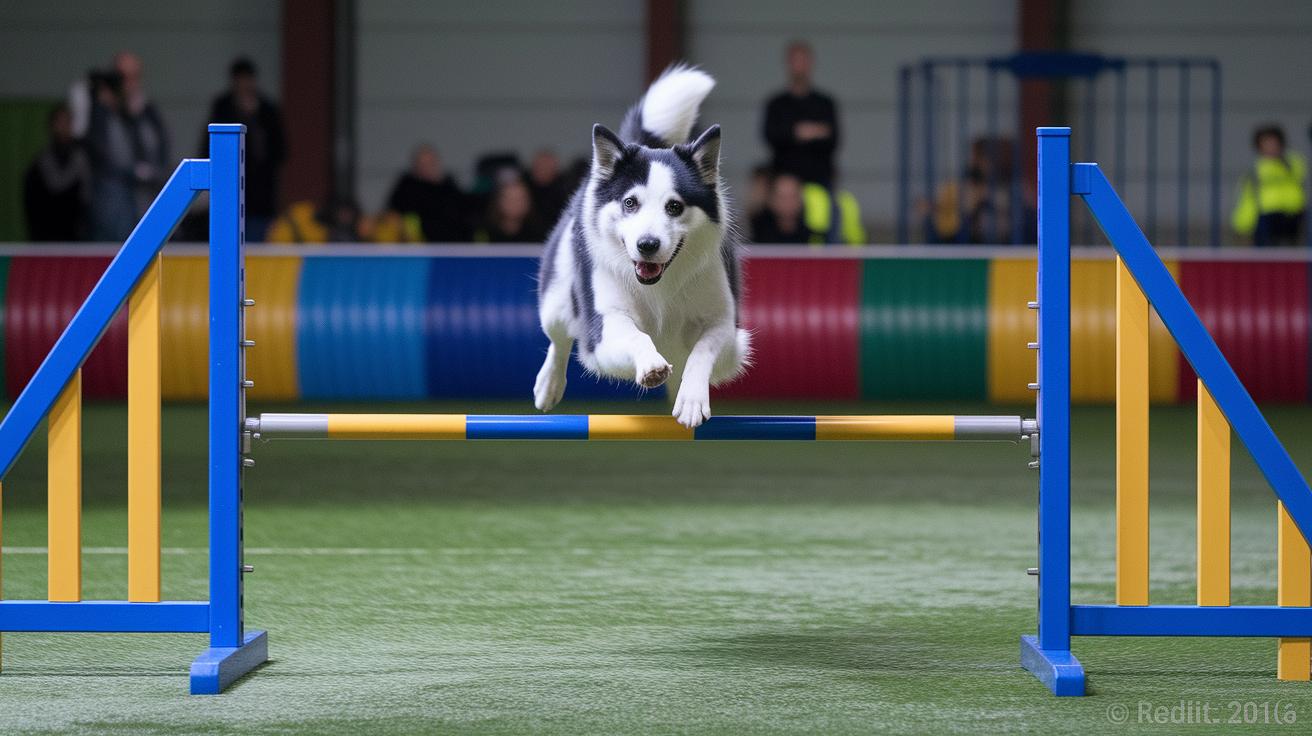
Ever wonder how your backyard can turn into a fun playground for your dog? Dog agility training is like a mini adventure right at home, where your pup can learn new tricks while having a blast.
Imagine your dog leaping over a little homemade jump or weaving between makeshift poles. Each jump helps build balance, focus, and confidence, all while getting a bit of exercise. Plus, it’s a great way to spend time together.
This guide gives you simple ideas to create your own doggy obstacle course at home. It’s all about sparking creativity and boosting your dog’s confidence through play. So, why not give it a try and watch your furry friend shine?
Essential Dog Agility Obstacles and Setup
Dog agility training is a fun sport you can easily try at home. Find a big, open space with a safe surface like grass or dirt. This way, you keep your pup safe while giving them plenty of room to run and play. Picture your backyard turned into a park where your dog can zip from one fun challenge to another.
Start with a few simple obstacles. For example, make a jump by using PVC pipes or even a broom stick balanced on sturdy supports like plant pots or milk crates. I remember when I first made a jump with a broom stick on crates – watching my dog leap over it was amazing. Next, you can set up weave poles. Use PVC poles and secure them with a thin tool so they stand about 60 cm apart. These are great for helping your dog learn to move in different directions and improve focus.
Guide your dog along the course by marking it with cones or flags. These markers help your pet learn the layout and make the game even more fun. Then, mix things up by moving the obstacles around each time you train. This keeps the exercise fresh and gives your dog a new challenge every session.
| Obstacle | DIY Materials |
|---|---|
| Jump | PVC Pipes, Broom Stick, Plant Pots/Milk Crates |
| Weave Poles | PVC Poles, Thin Screwdriver |
| Contact Obstacle | Wide Plank of Wood, Sand/Rubber Chip Coating |
Designing Your Dog Agility Obstacle Course Layout
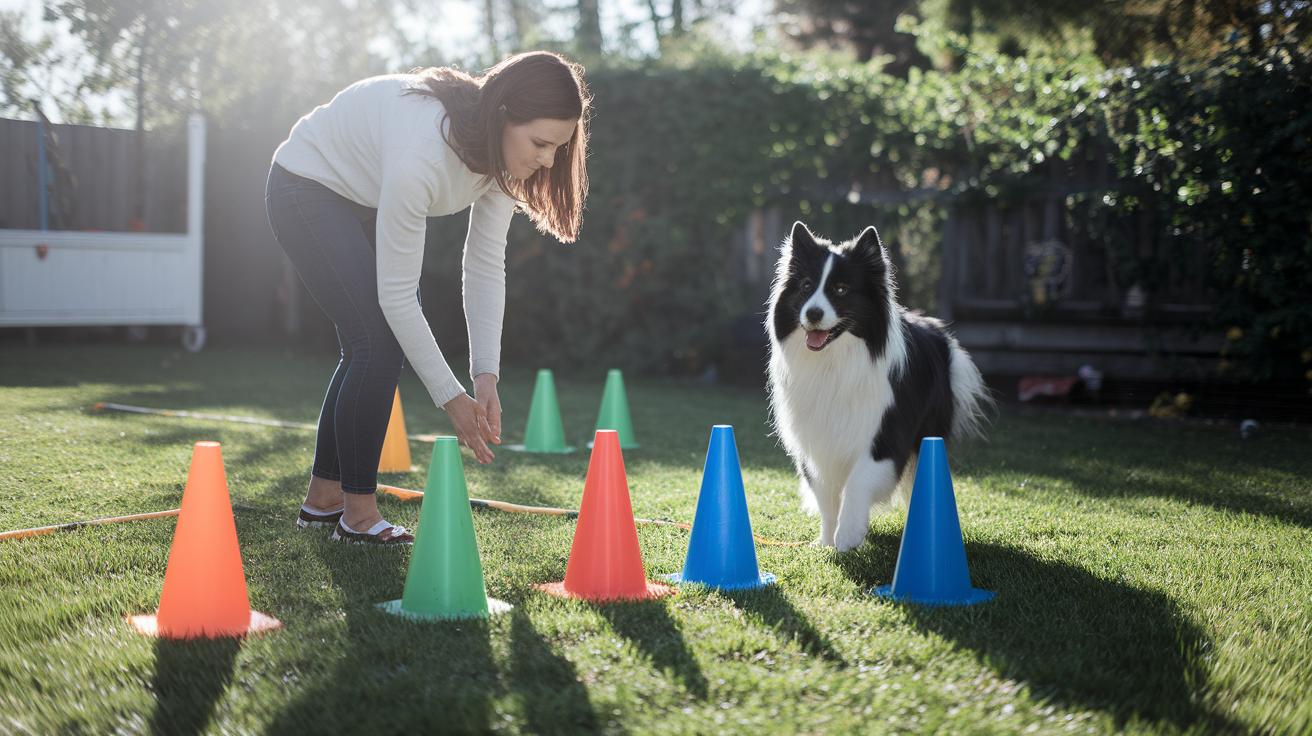
Start by sketching out your course with care. Whether you build your own obstacles or pick them up from a store, make sure each one is set up to be fun and safe for your dog. Mark the course with cones or flags so your dog can easily follow along. Picture lining up jumps, weave poles, and balance obstacles, then turning the path into a little maze, kind of like a treasure map guiding your furry friend.
When planning, think about the space you have and how naturally it flows. Here are some easy tips to get you going:
| Tip | Description |
|---|---|
| Clear Start and Finish | Set a definite beginning and end to the course. |
| Open Spaces | Use areas that are dry and safe, without slippery spots. |
| Obstacle Variety | Mix up the positions of obstacles for a fresh look each time. |
| Regular Rotations | Change the layout often to keep training exciting. |
Each session, try switching around the obstacle order. This little change not only keeps things interesting, but it also makes your pup think on its paws, boosting both confidence and coordination. A fresh arrangement encourages your dog to use both its body and brain in fun, new ways.
Remember, the best courses are always evolving. Experiment with different setups so every training session feels like a new adventure. Your dog will love the challenge, and you’ll both enjoy the playful spirit of the game.
Jump Technique Mastery for Dog Agility
Building a jump for your dog can be both fun and safe using everyday materials. You can create a basic jump with PVC pipes, T-joints, and some clever additions like cardboard cut-outs to turn it into a wing-jump. Imagine your dog leaping over it with ease, it's a bit like unlocking a new level in your favorite game.
Start with a low jump so your dog can learn the right form at a relaxed pace. Use treats and kind words to cheer every little success. As your furry friend gets more confident, slowly raise the jump height and speed. It’s just like leveling up in a game, begin easy and gradually make it more challenging.
Here are some easy steps to master jump techniques:
- Begin with a sturdy, low jump to introduce the idea.
- Use treats to guide your dog smoothly over the jump.
- Focus on clearing the hurdle with care and landing safely.
- Gradually increase the height while ensuring your dog feels comfortable and builds muscle coordination.
Keep in mind that refining your dog’s technique not only boosts their performance but also keeps them safe from injuries. Regular practice and small changes to the jump setup will help make your pet’s agility journey both fun and rewarding.
Dog Agility Weave Pole Drills and DIY Setup Methods
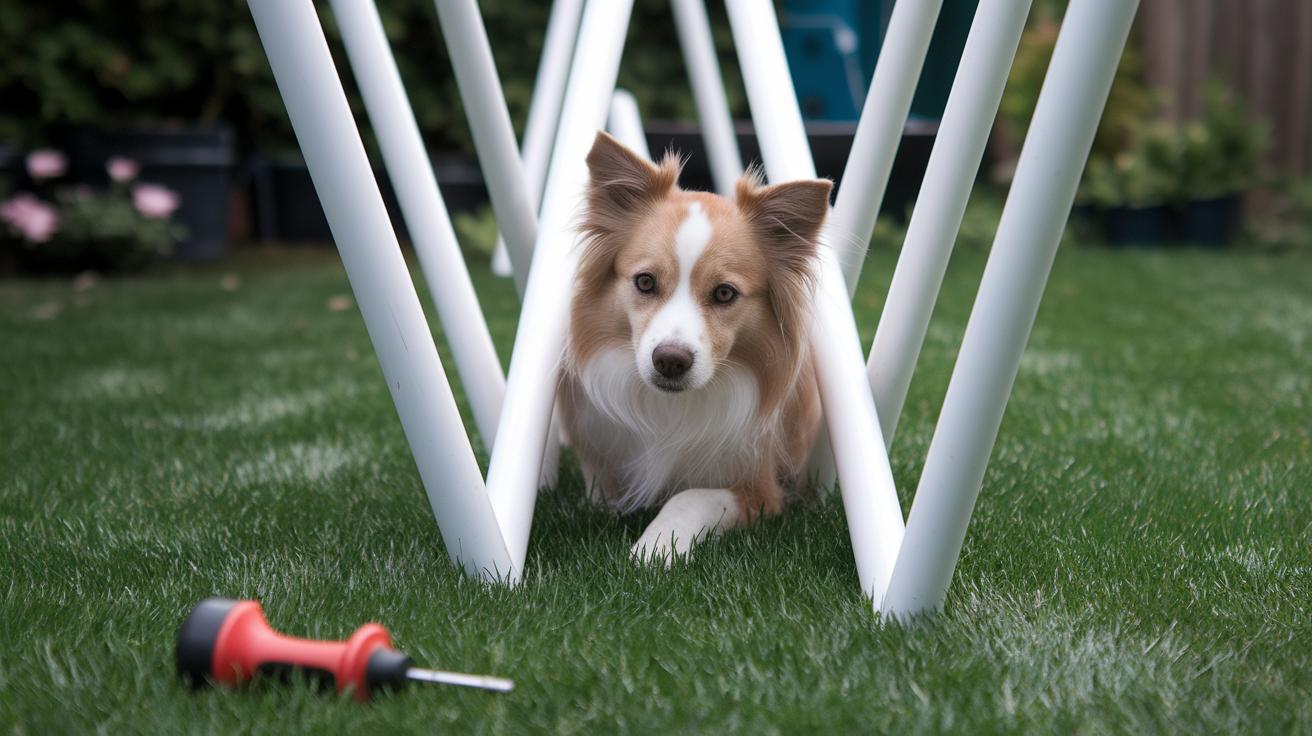
If you love spending time with your furry friend and enjoy a fun DIY project, why not build your own weave pole course? Using simple tools and a bit of creativity, you can create a safe and exciting challenge for your pup.
Start by taking a thin screwdriver and gently sticking it into the ground. Then, slide a PVC pole over the screwdriver so that each one stands steady and is set exactly 60 cm apart. Picture it like this: you insert the tool, slide the pole into place, and soon you see your little course come alive, almost like a homemade obstacle masterpiece!
These DIY poles are perfect for fun game-style drills that help your dog develop coordination and focus. Begin with slow, careful movements as your dog learns to weave through the setup. Once your furry friend gets the hang of it, slowly pick up the pace and add a bit more of a challenge.
Next, try these simple steps for a smooth training session:
| Step | What to Do |
|---|---|
| 1 | Line up the poles in a straight line at a comfy distance |
| 2 | Gently guide your dog through the poles with treats and kind words |
| 3 | Introduce the exercise slowly so they can follow the pattern |
| 4 | Once they’re familiar, encourage a little speed and cheer every weave |
Mixing up the drill keeps training fun and fresh. Each session turns into a playful challenge that builds agility and boosts your dog’s confidence. It’s amazing how a little DIY project can spark excitement and create cherished moments with your best friend.
Dog Agility Contact Obstacles: Training A-Frame and Teeter-Totter Techniques
Building a safe contact obstacle can really boost your dog’s confidence. Start with a wide wooden board as your base. You can make the surface safer by painting it or mixing sand or rubber chips into the paint for extra grip. Imagine walking on a board that feels secure under your feet, that’s exactly the kind of texture your dog will enjoy when learning balance.
Next, try creating a gentle slope. Place the treated plank on a bucket or step so it forms an easy incline. This little hill change challenges your dog in a fun way, much like a mini outdoor adventure. Then, for a twist, set up a small round log under one end of the board. This turns the plank into a mini seesaw that offers a slight rocking motion as your dog practices staying steady.
Before your dog steps up to the challenge, check that every part is secure and the whole setup is firmly anchored. Use a few tasty treats and friendly words to guide and encourage your pet along the way. Every careful step builds balance and coordination, turning training time into a fun and rewarding experience.
As you get more comfortable with the obstacle, update the setup slowly to keep it safe and exciting. After all, every small step helps your furry friend become more agile and confident, one happy wag at a time.
Dog Agility Performance Enhancement Drills and Conditioning
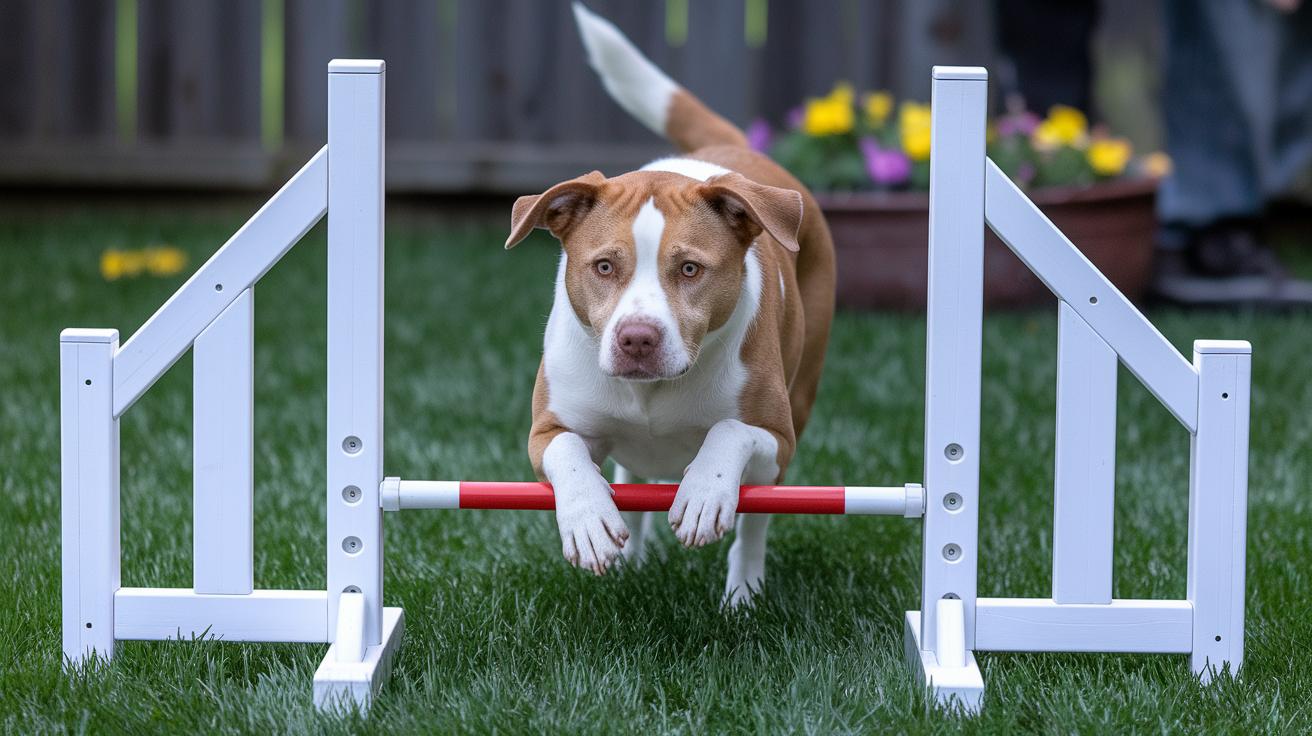
Running daily agility drills can really boost your dog's health, both in body and mind. Start with one obstacle at a time so your furry friend can learn at their own pace. Imagine setting up a small jump followed by a weave course right in your backyard. Fun fact: many pet owners noticed that just one daily session helped their dog’s focus and stamina improve within weeks.
Ease into each drill slowly, using treats and kind words to cheer every small win. This approach makes training feel like a game and helps your dog see that hard work pays off. If you’re looking for more tips, check out the positive reinforcement dog training ideas on our site.
You might want to try drills like sprinting between markers for a burst of speed or weaving through poles to boost agility. Adding in balance and pause exercises can also help build strength and control. At first, keep sessions short and enjoyable, then gradually mix in more complex challenges as your dog grows more confident.
Here’s a simple plan for focused conditioning:
| Step | Description |
|---|---|
| 1 | Introduce one obstacle at a time so your dog isn’t overwhelmed. |
| 2 | Reward every effort with treats and a cheerful tone. |
| 3 | Slowly increase the speed and complexity of the obstacles. |
| 4 | Change the order of obstacles regularly to keep things fresh. |
By using these drills and conditioning steps, your dog will not only become more agile but will love the daily routine that keeps them happy, fit, and sharp-minded. Isn’t it amazing how a little extra practice can lead to big improvements?
Final Words
In the action, the article explored various aspects of building a fun, safe dog agility course. We discussed setting up essential obstacles, planning a smart layout, and mastering jump techniques. You also learned how to create DIY weave poles and tackle contact obstacles like the A-frame and teeter-totter with care. Plus, performance enhancement drills offer a way to keep your pet active and challenged. All these insights inspire better, playful routines that boost both health and happiness, starting with dog agility training obstacles.
FAQ
What options are available for dog agility training obstacles near me, outdoors, for sale, and DIY?
The dog agility training obstacles question means you can find ready-made items at pet suppliers, use outdoor setups, or create DIY obstacles at home with safe, durable materials for a fun exercise course.
What are the best dog agility equipment options including professional setups, DIY projects, and complete equipment lists?
The best dog agility equipment options include high-quality professional items available from pet retailers and budget-friendly DIY projects. These often cover essentials like jumps, tunnels, and weave poles for an engaging course.
What are the obstacles for dog agility courses?
The dog agility courses usually include jumps, tunnels, weave poles, and contact obstacles like A-frames and teeter-totters. Each obstacle is meant to boost your dog’s speed, coordination, and overall fitness.
What are some common agility training mistakes?
The common agility training mistakes include overcrowding the course, overlooking safety measures, and not rewarding progress enough. Avoiding these pitfalls helps keep training fun and effective.
What are the 5 D’s of dog training?
The 5 D’s of dog training emphasize key concepts like direction, demonstration, discipline, dedication, and delight. These principles guide you in providing clear, supportive training that your pet can easily follow.
What is the rule of 3 in dog training?
The rule of 3 in dog training means repeating a command three times before expecting a consistent behavior. This method helps reinforce learning and builds your dog’s confidence in following instructions.