Training
Dog Agility Competition Preparation: Unleash Winning Energy
By johnmacron
November 3, 2025
Field Notes
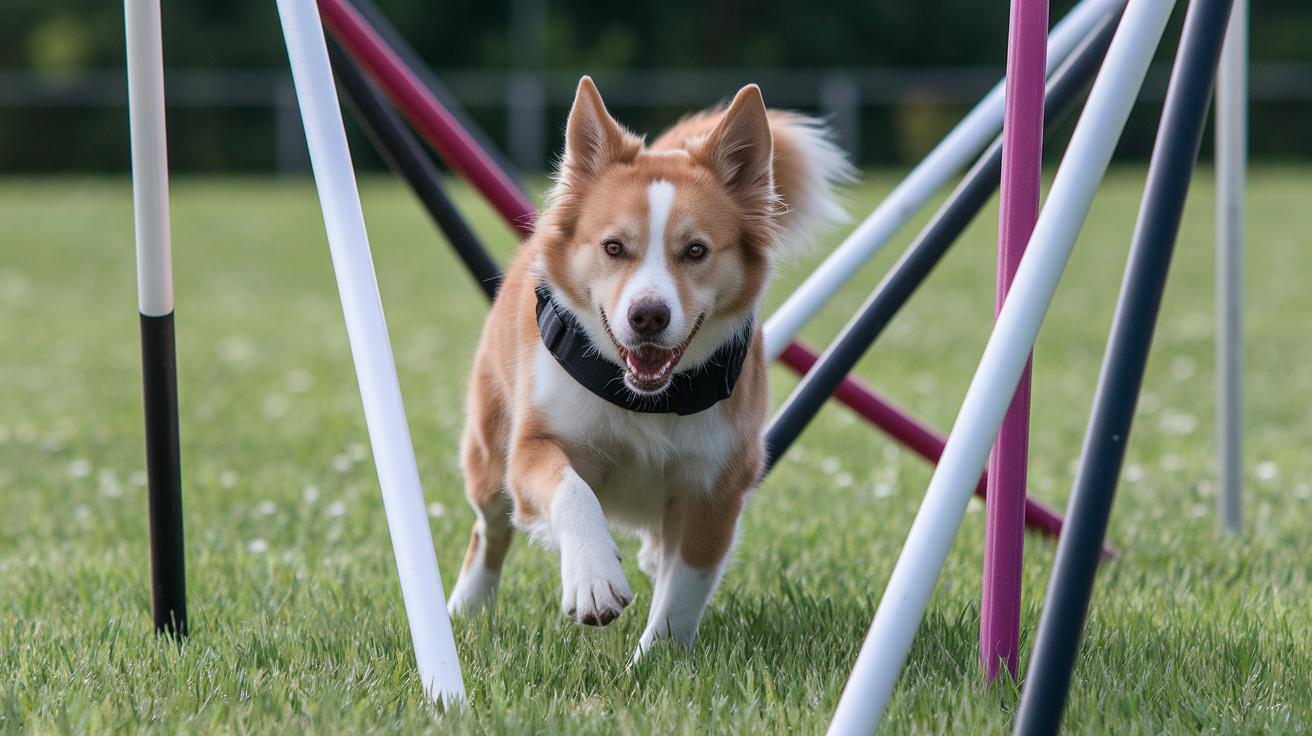
Have you ever thought about how your dog could steal the show on the agility course? Getting ready for these events is more than just setting up fancy jumps, it’s like planning a fun day out with your best buddy. Each training session builds trust and sparks energy as you both learn together.
When you train smartly and work as a team, your pup feels braver and ready to jump high and weave through obstacles. In this guide, we share simple, fun steps that can bring out the winning spirit in both you and your dog.
Essential Foundations of Dog Agility Competition Preparation
Getting ready for dog agility competitions is all about blending fun, step-by-step training with some smart planning. It’s like planning a playful outing with your best friend, you and your pup learn and grow together. Handlers boost their dog’s confidence by mixing simple physical exercises, basic obedience drills, and gentle practice runs through a mini course. Knowing what to expect from groups like AKC, USDAA, and UKI helps you get comfortable with different sections like standard, jumpers, and games. This kind of practice not only teaches your dog the moves but also deepens the bond between you two.
A smart plan means taking in advice from coaches and learning from each training session. Clear, friendly communication during practice and learning how to handle your gear safely make everything smoother. By repeating exercises often and planning your course step-by-step, you set the stage for a great day of performance for both you and your dog.
| Tip | What It Means |
|---|---|
| Regular Training | Practice routines that build strong muscle memory |
| Equipment Familiarity | Learn your gear so your runs are safe and smooth |
| Team Communication | Work together through clear, friendly signals |
| Mental Readiness | Stay calm under pressure and shake off distractions |
| Event Planning | Plan the day carefully for a seamless experience |
All these tips create a training plan that feels both fun and effective. Each element builds up your skills and strengthens the special connection you share with your dog. And really, isn’t that the best part of this journey? Embrace the process, and you’ll capture the winning spirit for your next agility competition.
dog agility competition preparation: Unleash Winning Energy
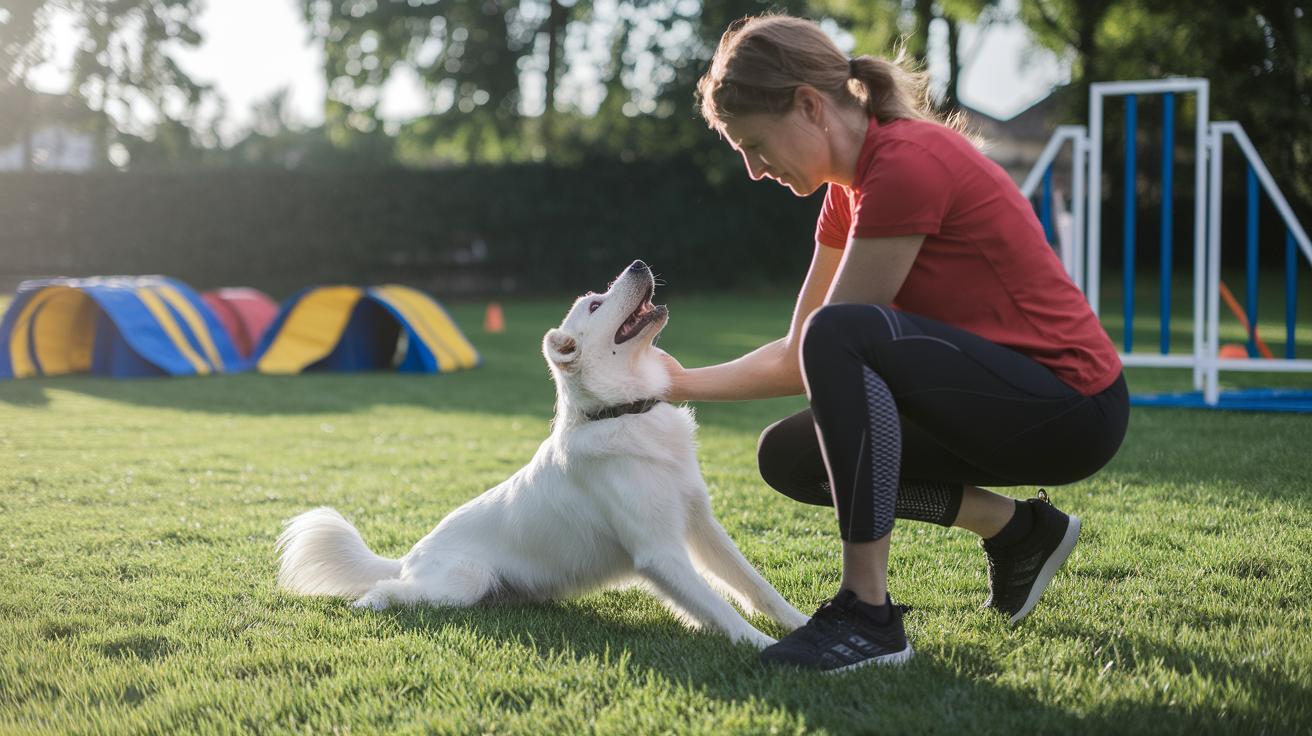
Getting your dog ready before an agility competition is key to a successful run. A good routine helps build strength, endurance, and flexibility. Try using simple exercises that work like a warm-up or cool-down for people. A healthy diet, plenty of rest, and advice from your veterinarian can make a big difference. One great tip is to set aside ten minutes each day for drills that gradually boost fitness and help your dog remember the moves. Think of it as a mini-workout, just like an athlete gets ready for a big race.
Plan your workout to include both speed drills and stretching exercises. Warm-up activities such as a light jog, gentle limb stretches, or a slow-paced walk help your dog move more smoothly. You might even add some basic obedience training to the mix to build a strong foundation. After fun drills, don’t forget cool-down stretches so your dog can relax and ease any muscle tightness.
A steady exercise routine not only cuts down the risk of injuries but also makes each agility run more enjoyable. Regular pre-event workouts can boost performance and turn training sessions into bonding moments that you both can look forward to.
Obstacle Mastery Training for Dog Agility Competition Preparation
Dog agility courses are a fun way to strengthen the bond between you and your dog while keeping both of you active. In these competitions, dogs face different jumps and obstacles that test their speed and control. For instance, bar jumps are set at heights from 4 to 26 inches depending on your dog’s shoulder height, and weave poles are arranged in a neat 24-inch gap. These setups call for practice drills that build good timing, control, and that crisp muscle memory dogs need to nail each obstacle.
It’s all about quick, repeated training sessions. Think grid jumps that help your dog learn the right timing and adjust their stride. Working on turns and handling distances is also key; this ensures your pup can handle distractions and still nail the precise path through the course.
Other course parts, like open tunnels, A-frames with special contact zones, dog walks with marked spots, teeter balances, and pause tables, need their own focused practice. A good training routine lets your dog figure out each obstacle correctly so they jump safely and hit contact points with confidence. For example, practicing directional entries at tunnels can boost your dog’s speed and confidence. Mixing these exercises sharpens your dog’s ability to tell one obstacle from another and react quickly, making sure they’re ready for any course.
| Obstacle | Drill | Purpose |
|---|---|---|
| Bar Jumps | Grid jumps | Improve timing and stride control |
| Weave Poles | 2-pole start drills | Boost muscle memory and accuracy |
| Tunnels | Directional entries | Enhance speed and build confidence |
| Contact Obstacles | Target-tap exercises | Increase precision and reliability |
Regular practice is key for building strong agility skills. Every drill builds your dog’s confidence and fine-tunes their responses to different challenges. As your dog masters each exercise, you’ll see smoother runs and more dependable performance on the big day. Even short daily sessions really add up, helping your dog unlock their full agility potential.
Handler Coordination Skills and Course Strategy in Dog Agility Competition Preparation

Every great agility run begins with you and your dog talking the same language. Start by walking the course together to plan your route, remember the order of the obstacles, and spot the best areas to turn. This approach helps you plan each move with certainty. Your calm body language and steady voice build trust in your dog, making each action flow smoothly. When you practice together, it feels like a true team effort. For instance, during a practice session, you might say, "When you see the tunnel, focus on my left hand," so your dog learns to link your gesture with the right move.
It’s also key to mix up both what you say and show with your hands for those super quick turns and perfect distances. Keep your commands short and clear, pairing them with simple hand signals to guide your dog during fast changes. These little drills, where quick cues lead to swift responses, sharpen both your timing and your pet’s focus, even when things get a bit hectic. With these techniques built into your regular practice, you and your dog turn each part of the course into a winning display of teamwork and excitement.
Equipment Setup Tips and Course Layout Planning for Dog Agility Competition Preparation
Getting the right gear is super important when you're getting ready for a dog agility competition. Start by gathering the basics like agility leads, martingale or slip collars, treat pouches, crates with covers, cooling mats, and the right bowls. Each item not only keeps your dog comfy and safe but also helps you build a course that meets the official rules. It’s a bit like creating your own little obstacle playground where every piece is designed for smooth and secure fun.
Next, focus on planning your course and keeping safety in mind. Make sure every obstacle is firmly anchored, placed on level ground, and has a clear path that matches the space you’re working with. Take a moment to check the contact zones for any wear or debris so nothing gets in the way. By verifying that all items follow the AKC safety standards, you’re lowering any risk during training and competitions. A handy checklist can really help you stay on top of everything and feel confident about your setup.
| Essential Gear | Course Checklist |
|---|---|
| Agility leads, martingale/slip collars, treat pouches, crates with covers, cooling mats, appropriate bowls | Secure anchors, level surfaces, clear approaches, proper alignment with venue, inspected contact zones, debris cleared |
Mental Preparation Techniques and Competition Strategy Tips for Dog Agility Competition Preparation
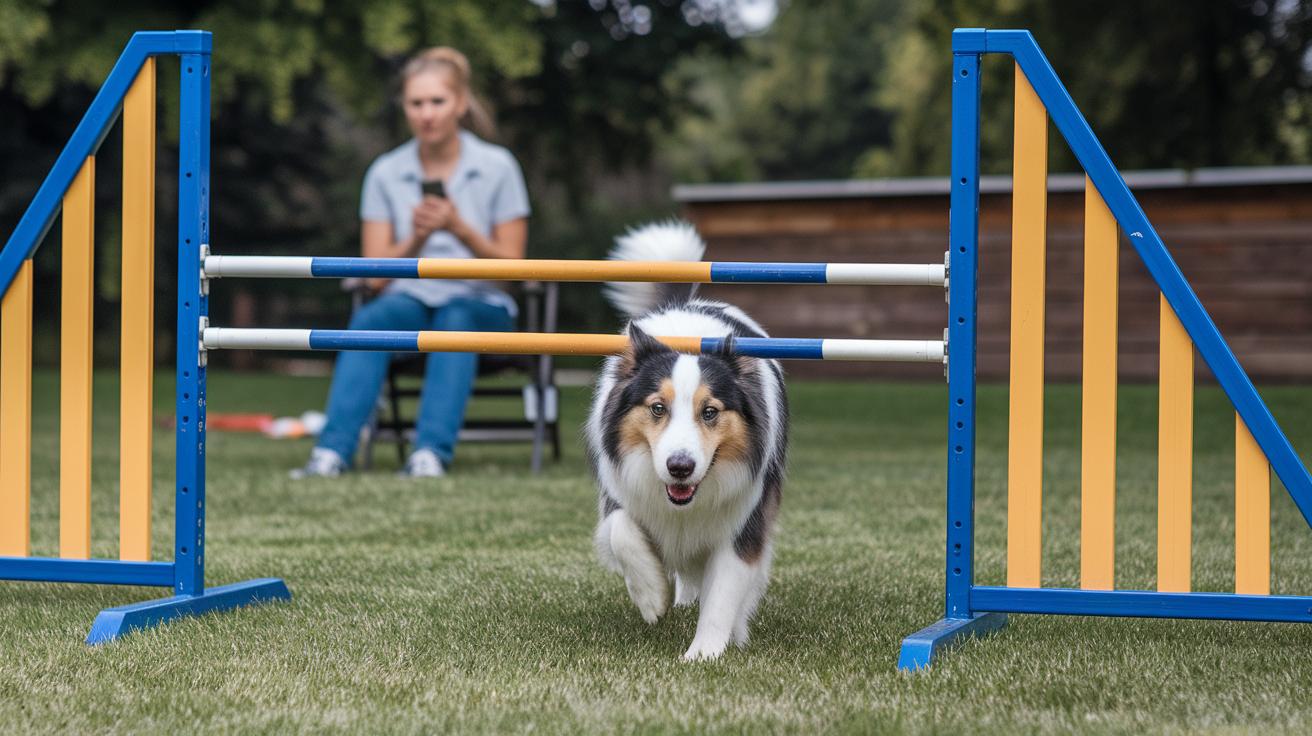
Before you and your dog hit the course, try some simple relaxation exercises to clear your mind. Take a few deep, steady breaths while picturing your dog gracefully weaving through the obstacles, like a smooth dance in your favorite local park. It’s a great way to turn any nerves into focus. A quick mental checklist, reminding yourself of the course plan and key cues, can really transform jittery energy into a precise game plan.
Next, adjust your run strategy to suit the day’s challenges. You might start with a few quick drills, like practicing cue responses in a quiet spot or running through a mini simulated course to get your pacing right. And don’t forget a little positive self-talk to ease the pressure. These easy mental tips help both you and your dog stay calm, centered, and ready to bring lots of winning energy to the course.
Trial Day Checklist and Safety Protocols for Dog Agility Competition Preparation
Start your day with a calm and clear plan. Arriving a little early gives you time to check the equipment, walk the course, and get a feel for the area. Before you head out, double-check that you have all your competition papers, including vaccination records and registration documents. A well-packed handler bag with your dog essentials sets you and your pup up nicely for a smooth day.
Key items to pack include:
- Competition paperwork and vaccination records
- Agility equipment along with some delicious, high-value treats
- Water and a fully stocked first-aid kit for your dog
- Supportive shoes, weather-friendly clothes, a comfortable chair, some shade, and snacks
- Enough water for yourself
It’s a good idea to brush up on basic canine first-aid and know what to do in an emergency. Using a detailed checklist and getting there early can really help you and your furry friend stay safe, focused, and ready for fun.
Final Words
In the action, we’ve covered structured training routines, equipment checks, and course walkthroughs, all vital for effective dog agility competition preparation. We talked about pre-event physical drills, mastering challenging obstacles, and honing handler coordination. We also looked at mental prep and a solid trial day checklist to keep safety in focus. Each step builds your pet's confidence and your own, setting you both up for a smooth and enjoyable competition experience. Keep up the training, and enjoy every moment of your journey!
FAQ
What is included in a dog agility competition preparation checklist?
The preparation checklist covers everything from equipment and obstacle inspection to training drills and safety gear. It ensures you’re fully prepared for a smooth competition day.
Where can I find dog agility training near me and for beginners?
Local dog agility training classes and resources offer beginner-friendly drills, expert coaching, and hands-on practice sessions, helping both new and seasoned handlers enhance skills for competition success.
What does dog agility training for beginners involve?
Dog agility training for beginners involves simple drills, warm-up routines, and basic obstacle courses to build confidence, coordination, and a solid foundation for advancing skills.
What benefits do dog agility competition classes offer?
Dog agility competition classes provide expert guidance on obstacle technique, course mapping, and handler communication, ensuring you and your dog develop effective teamwork for competition readiness.
What kind of dog agility equipment is essential?
Essential dog agility equipment includes hurdles, weave poles, tunnels, and contact obstacles, paired with safety gear like treat pouches and appropriate collars to create secure and engaging training sessions.
How can I train my dog for agility at home?
Dog agility training at home uses simple obstacle setups and basic drills in your backyard or living space to boost your dog’s coordination, speed, and confidence before moving to structured competition courses.
How do I prepare my dog for an agility competition?
Preparing your dog for an agility competition means establishing a structured training routine with physical exercises, course walkthroughs, mental conditioning, and clear handler cues to build confidence.
What are the 3 C’s of dog training?
The 3 C’s of dog training are Consistency, Clarity, and Compassion. They help create clear commands, steady routines, and a supportive environment for effective learning and progress.
What are some common agility training mistakes?
Common mistakes include progressing too quickly, skipping warm-ups, overcomplicating drills, and not reinforcing proper technique, which can lead to frustration and hinder your dog’s performance.
Which dog breed is considered the most agile?
Border Collies and Australian Shepherds are often regarded as the most agile breeds due to their quick reflexes, high energy levels, and natural ability to handle complex courses.