
Ever thought that giving your cat a bath could be a fun, low-stress time instead of a battle? Even though cats usually keep themselves clean, sometimes they need a little extra help.
In this guide, you'll find easy, down-to-earth tips to help turn bath time into a calm, pleasant experience for both you and your furry friend. We'll chat about setting up a cozy, safe spot, choosing the best supplies, and gently handling your kitty during the bath.
Give it a try, and you might find that bath time becomes a sweet and simple time to bond with your cat.
Essential First-Time Cat Bathing Guide
Cats usually take care of themselves, but every so often a bath is needed. This might happen if they have skin trouble, come in contact with something yucky, or even get fleas, especially if they roam outdoors. And if your kitty has long hair, like a Persian, they might need a bath more often than short-haired friends.
Before you start, grab all your supplies: cat shampoo, soft towels, a non-slip mat, some treats, a few toys, a hair dryer, and if you can, a helper. Keep everything close by so you aren’t leaving your furry friend alone. Fill a shallow basin or sink with lukewarm water (about 98–100°F) and place the non-slip mat inside to help your cat feel safe.
Take it slow. Begin by gently wetting your cat’s paws while talking in a warm, friendly tone. You might even say, “Let’s try a little splash,” as you dip your hand into the water. This step-by-step approach makes the experience less scary. You can offer a little treat, like a bite of their favorite snack, between steps to boost their confidence.
Keep the setting calm and free from distractions. When your cat seems more at ease, work in the cat-specific shampoo carefully through their fur, avoiding the eyes and ears. Rinse everything off thoroughly with the lukewarm water so no soap is left behind. Finally, wrap your kitty in a soft towel to soak up the water, and if needed, gently use a hair dryer on low heat to finish drying.
Cat Bathing: Pre-Bath Preparation and Safety Measures
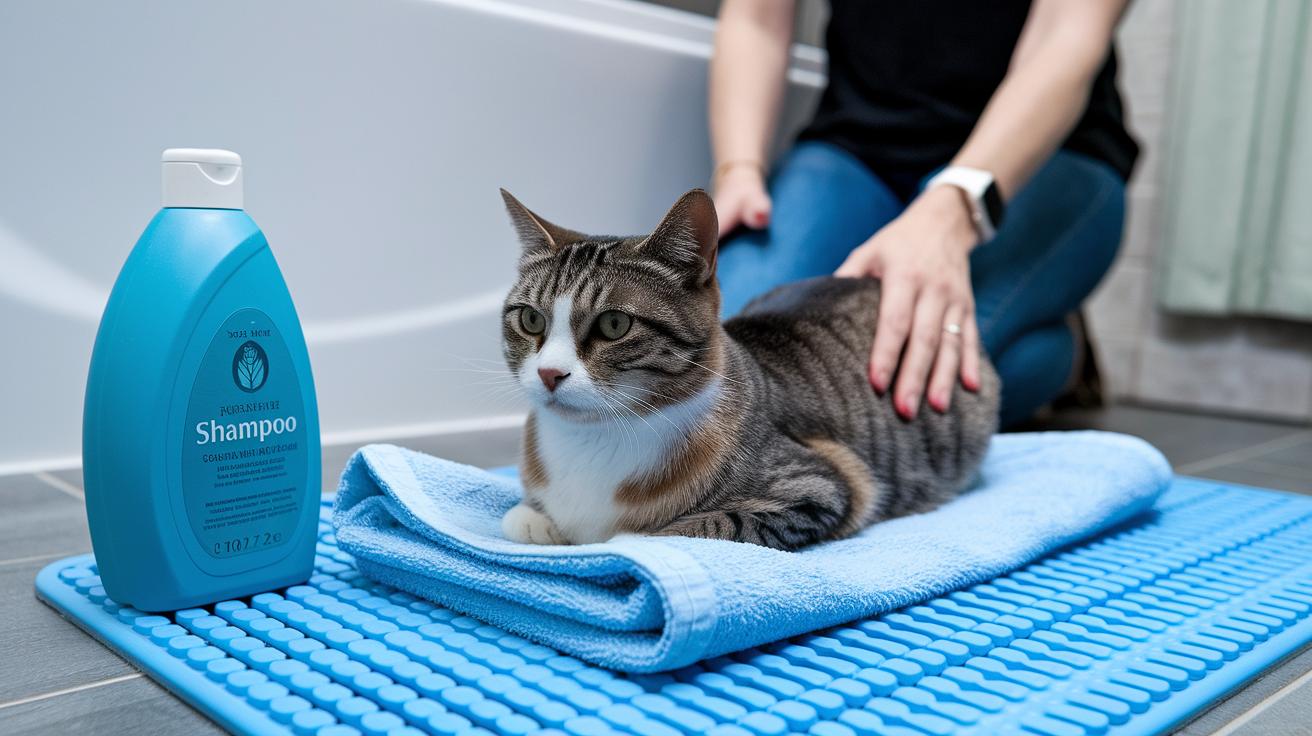
Before you get started, gather all the items you'll need and set up a quiet, safe space for your cat. Make sure the room stays around 75°F and that the water is just right, lukewarm and under 100°F. Place a non-slip mat or a folded towel where your cat will be bathed to help prevent any accidental slips. If you can, have someone nearby to gently hold or distract your kitty. You might even say, "Here comes a little splash," to help ease your pet into the bath.
| Supply | Purpose |
|---|---|
| Cat-specific Shampoo | Cleans your cat without irritating its skin |
| Soft Towels | Gently dries your cat after the bath |
| Non-slip Mat | Helps your cat stay stable and feel secure |
| Treats & Toys | Distracts and rewards your cat during the bath |
| Hair Dryer | Finishes drying your cat softly and efficiently |
Cat Bathing Supplies: Choosing the Right Shampoo and Water Temperature
Always use shampoo made just for cats, and check the label to see how much water you need to add. For example, if the shampoo doesn’t foam up much, follow the label’s mix instructions so it rinses away easily. And if you need medicated shampoo, be sure to get advice from your veterinarian.
Make sure the water feels just right, about 98 to 100°F. Test it by dipping your wrist in or using a thermometer. Think of it like preparing a baby’s bath: warm, gentle, and safe.
If your cat has long hair, a little conditioner made for their type can help smooth out tangles and keep their coat neat.
Supplies Checklist:
| Item | Guidance |
|---|---|
| Cat-specific shampoo | Follow label for mixing instructions |
| Medicated shampoo | Use only with veterinarian advice |
| Water thermometer or wrist test | Keep water at 98–100°F |
| Breed-specific conditioner | Helps smooth and untangle long hair |
Here are some extra tips:
- Carefully check the label for how to dilute the shampoo.
- Make sure the water is just right before you start.
- Watch your cat closely for any signs of skin irritation.
Cat Bathing: Gentle Handling Techniques to Keep Your Cat Calm
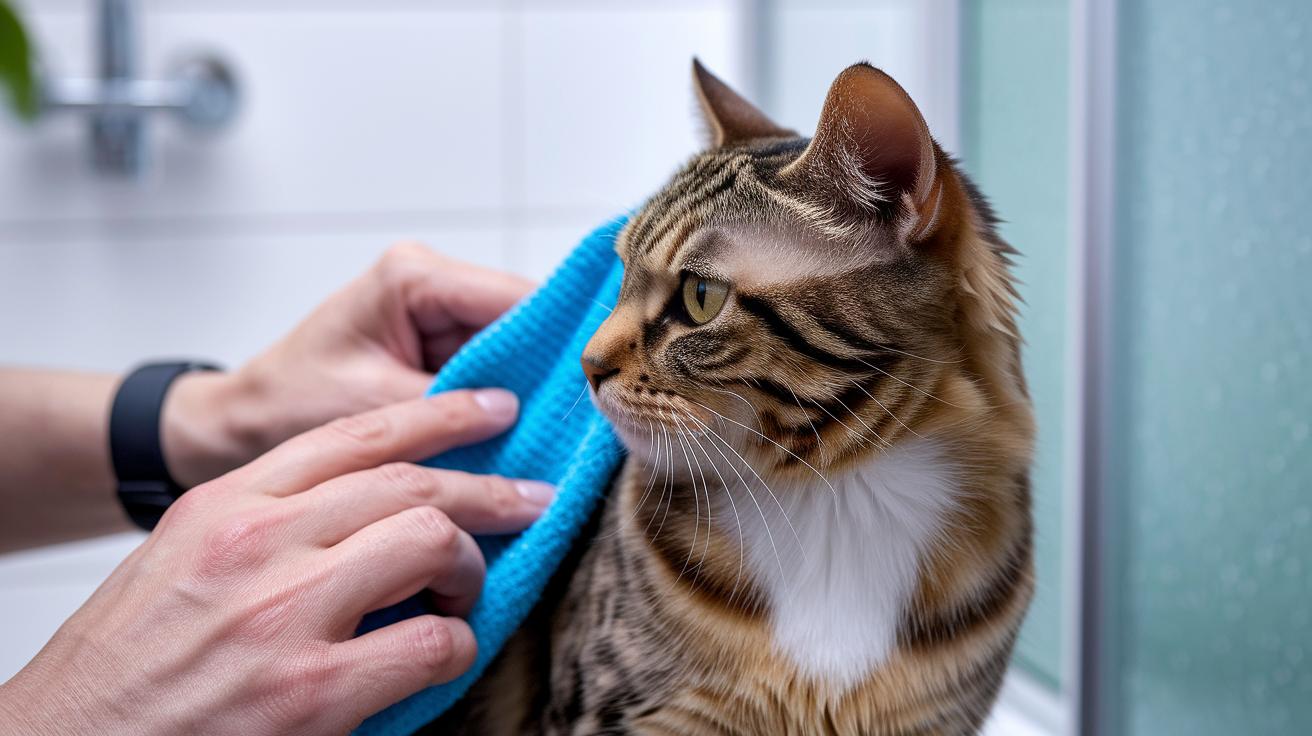
Start by gently wiping your cat with a damp cloth. This simple step helps your furry friend get used to water without the full bath surprise.
During the bath, use soft, careful strokes on your cat's fur while speaking in a calm, friendly tone. Say things like "you're doing great" to keep them feeling safe. If you notice your cat's ears flatten or hear a little hiss, pause for a few moments. This break gives your cat time to relax.
It also helps to offer a treat between steps. A small snack or favorite toy nearby can make things feel a bit more fun if your cat starts to feel overwhelmed.
For extra safety, consider wearing protective gloves and long sleeves. This not only keeps you safe from scratches but also adds to the calm, gentle atmosphere. Remember, taking it slow and letting your cat set the pace builds trust and makes bath time much less stressful for both of you.
Cat Bathing Workflow: Supplemental Tips
-
Start with a good brush to remove any mats. This helps keep tangles away, especially if your cat has long hair. Think of it like gently unraveling a ball of yarn.
-
Change up your brushing based on your cat's coat. Short-haired cats might just need a quick comb, while long-haired kitties do best with a careful, section-by-section brush.
-
For extra-sensitive cats, try a different approach before getting them fully wet. Gently dab a damp cloth on a small patch, like near the ears, to ease them into bath time.
-
Rinse with a gentle, low-pressure spray until all the shampoo is washed away. You might need to rinse a few times to be sure.
-
Dry your cat by softly blotting with a towel. If you decide to use a hair dryer, keep it on low heat and brush gently to avoid tangles. Imagine smoothing a soft silk scarf with light, careful strokes.
-
Right after the bath, give your cat treats and some play time to make the experience a happy one.
| Coat Length | Brushing Technique |
|---|---|
| Short-Haired | A quick comb through to pick up loose hair. |
| Long-Haired | Brush one small section at a time to gently remove mats. |
Cat Bathing Aftercare: Post-Bath Fur Maintenance Tips
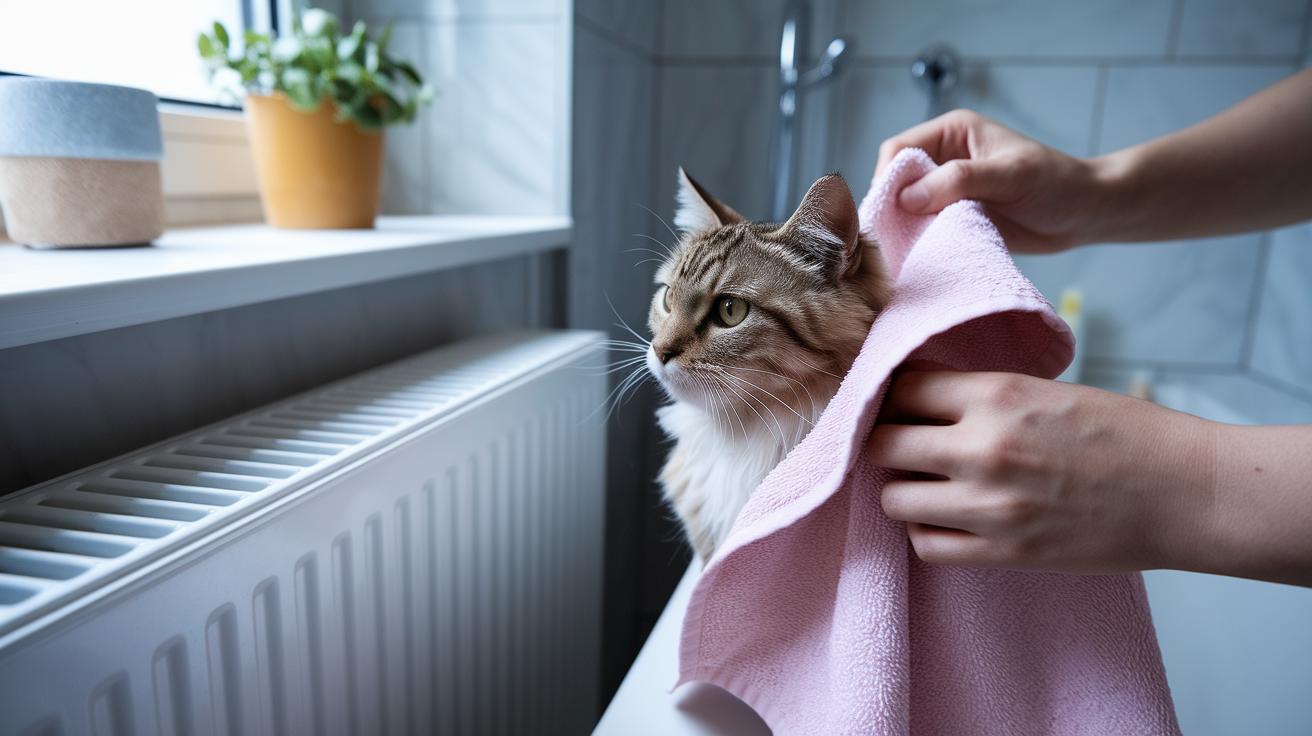
For more details on keeping your cat's fur neat, check out our workflow guide. It covers things like towel drying, combing the coat, and using a hair dryer carefully.
After you towel-dry your cat, let them finish drying in a warm, draft-free spot. For example, set up a cozy area near a low radiator so your feline friend stays toasty and avoids feeling chilly.
When your cat is almost dry, give them a treat or a quick play session to reward their calm behavior. A little snack goes a long way in making bath time a positive experience.
Try to bathe your cat every 4 to 6 weeks, unless your vet suggests otherwise. This helps keep their natural skin oils balanced and healthy.
Cat Bathing: Troubleshooting Common Challenges
Sometimes your cat might try to escape during a bath or act nervous during the first wash. If you see your cat trying to bolt, gently wrap them in a soft towel and slowly add water. You might say, "Let's take a little break," to give your kitty time to calm down before you continue.
If your cat really dislikes water, try using waterless cat wipes or a dry shampoo instead. Let your cat sniff and explore each tool first so it feels familiar and less scary. Keeping the bath short can also help stop stress from building.
A handheld shower with an adjustable flow can give a gentle drizzle that feels more like a soft rain than a heavy stream. You could also use a calming pheromone spray in the area to make the space feel more relaxed. Experiment with these small tips until you find a routine that comforts your cat and makes bath time easier for both of you.
| Tip | What to Do |
|---|---|
| Gentle Wrap | Use a soft towel if your cat tries to escape |
| Waterless Cleaning | Offer waterless cat wipes or dry shampoo for water-shy cats |
| Short Sessions | Keep bath time brief to reduce stress |
Final Words
In the action of learning, we explored how to safely set up a bath, gather essentials, and gently wash your cat using simple, step-by-step techniques. We talked about calming your furry friend and using treats to ease stress. Each tip, from non-slip mats and lukewarm water to careful towel drying, builds confidence. Remember, these cat bathing tips for beginners aim to turn a stressful task into a loving routine that keeps your pet happy and healthy. Enjoy every small moment during bath time, it might just become a bonding experience.
FAQ
How to bathe a cat that hates water?
Bathing a cat that hates water means starting slowly by wetting its paws and offering treats. Use calm, reassuring tones and gradual water exposure to ease its fears and prevent stress.
What are some beginner-friendly cat bathing tips at home?
Beginner-friendly cat bathing tips suggest gathering supplies, using a non-slip mat, and keeping sessions brief. They emphasize gentle handling, soft voices, and rewarding your cat to build positive experiences.
Is it cruel to bathe cats?
Bathing cats isn’t cruel when it’s necessary for health reasons. Using mild, cat-specific shampoo and soothing techniques helps make the experience safe and minimizes stress for your cat.
How can I bathe a cat without getting scratched or bitten?
Bathing a cat without getting scratched means using protective gloves and inviting gentle handling. A helper can provide extra support, ensuring calm movements that reduce the cat’s tendency to bite or scratch.
What is the proper way to bathe a cat for the first time?
Bathing a cat for the first time involves gathering all essentials, using lukewarm water, and starting by wetting only the paws. Apply cat-safe shampoo while speaking gently and offer rewards to ease anxiety.
What is the 3-3-3 rule of cats?
The 3-3-3 rule for cats is a guideline that suggests breaking the bathing process into three calm phases with three steps each, allowing for gradual exposure and breaks to keep your cat comfortable during the bath.
How can I make bathing my cat easier?
Making cat bathing easier means preparing a safe, quiet space with all supplies at hand, using gentle water introductions, and offering treats. This approach helps reduce anxiety and turns bath time into a positive routine.