
Have you ever wondered why one dog seems to catch every command while another misses them all? The trick is all about simple, clear instructions and plenty of praise.
It’s just like building a sturdy bridge, one rewarding step at a time. In this friendly guide, I’ll share some easy tips for teaching your dog right from the start.
With short, fun training sessions and steady rewards, you can turn even small wins into a strong bond with your furry friend. Ready to enjoy watching your pup learn and grow with genuine excitement?
Essential Best Practices for Canine Obedience Training
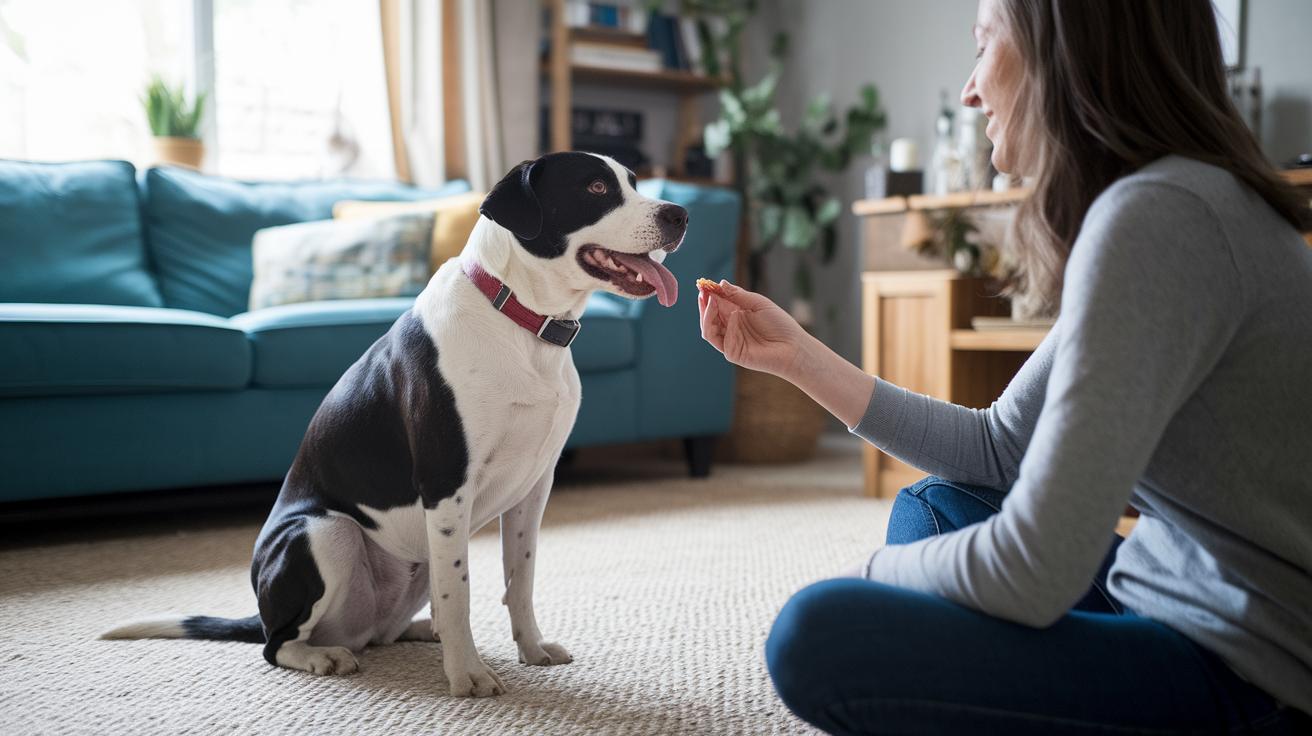
Start your training journey with a big dose of positive reinforcement. When your dog shows the right behavior, celebrate it, give a treat, a favorite toy, or a warm word of praise. For example, when Max sat right on command, I quickly offered him his favorite treat, and his tail started wagging like crazy. That simple moment builds his understanding and makes him excited to learn more.
Clear and simple commands like "sit" or "stay" help avoid any confusion. Keep your voice calm and steady, and use the same hand signals every time you ask for a behavior. It really helps when you show your dog what you mean, imagine saying "sit" and then gently guiding your dog into the right position before celebrating his effort.
Break down bigger tricks into small, easy steps with shaping techniques. If you’re teaching something a bit more challenging, try using a treat as a guide. Lead your dog slowly, reward every little move, and let him know he’s on the right track. Remember, the secret is in rewarding right away so your dog makes a strong connection between the action and the reward.
Keep each training session short and fun, about ten minutes is perfect. This length works well for older dogs and pups alike, ensuring both of you stay focused and happy without feeling overwhelmed.
Consistency, patience, and a lot of love are the heart of every successful training session. Practice a little each day, and you’ll notice your dog becoming more obedient and confident. And if you ever hit a tough spot, plenty of resources and professional advice out there can guide you further.
Every little training moment builds a bond with your pet and helps them grow into a well-behaved friend.
Structuring Sessions and Ensuring Consistency in Obedience Training
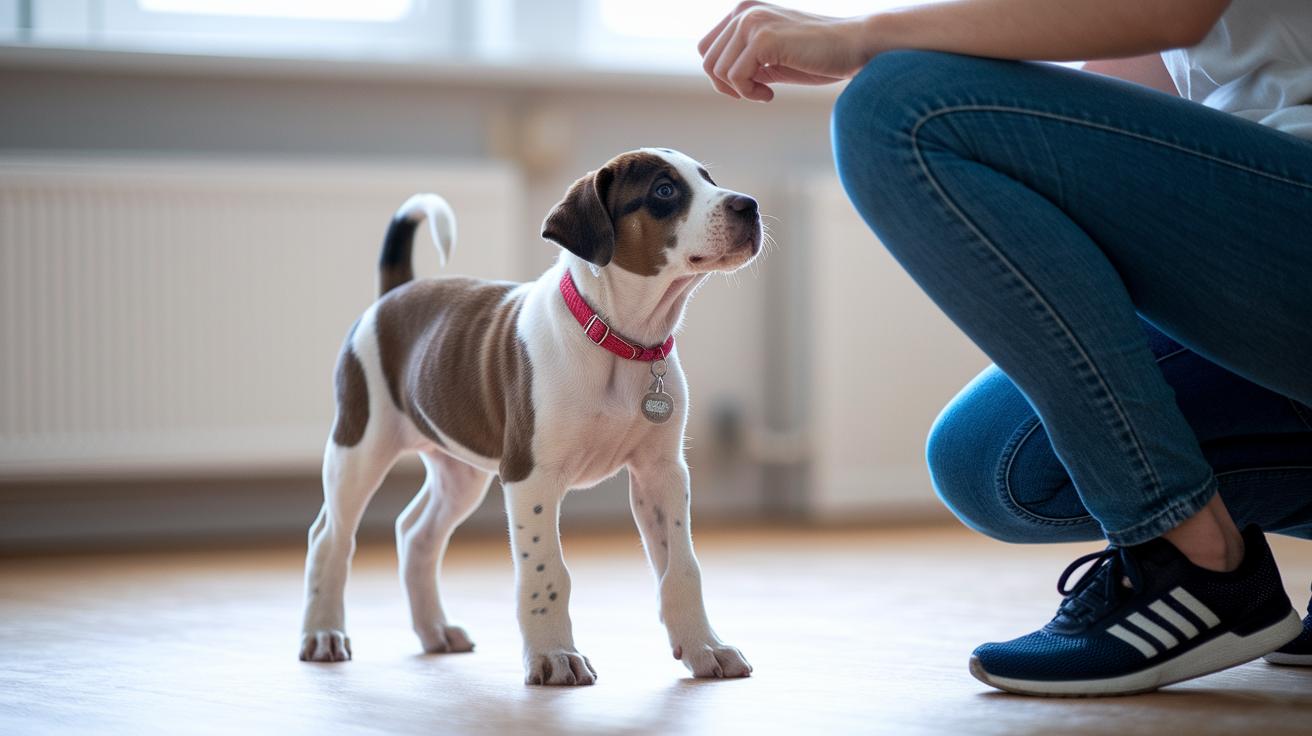
When you start training your dog, it helps to stick to a clear routine. Dog development passes through different stages: Neonatal, Transitional, Socialization (from 3 to 12 weeks), and Juvenile (from 12 weeks until maturity). It’s during the Socialization stage that daily practice builds the very foundation for good behavior. I like to keep sessions short, about 10 to 15 minutes, so your pup stays engaged and doesn’t get overwhelmed. Imagine your dog’s eyes lighting up as you start with a simple warm-up, his head turning to follow your every cue.
Keeping training sessions brief makes it easier for both you and your dog. Short, focused drills like “sit,” “stay,” and “come” work best in calm, low-distraction areas. This steady practice not only cements new commands but also builds your dog’s confidence for tougher environments. Next, try to mix in little treats or a kind word to celebrate when your dog gets a command right. It can feel like a mini victory, just like taking a joyful walk on your favorite path.
Remember, the key is to be consistent. Repeating the same exercises over weeks helps the behavior become second nature. A structured schedule, combined with a fun reward system, transforms uncertain actions into lasting obedience. Think of each brief session as a step toward a future where your dog is a well-trained, happy companion.
Mastering Effective Command Techniques for Dog Obedience
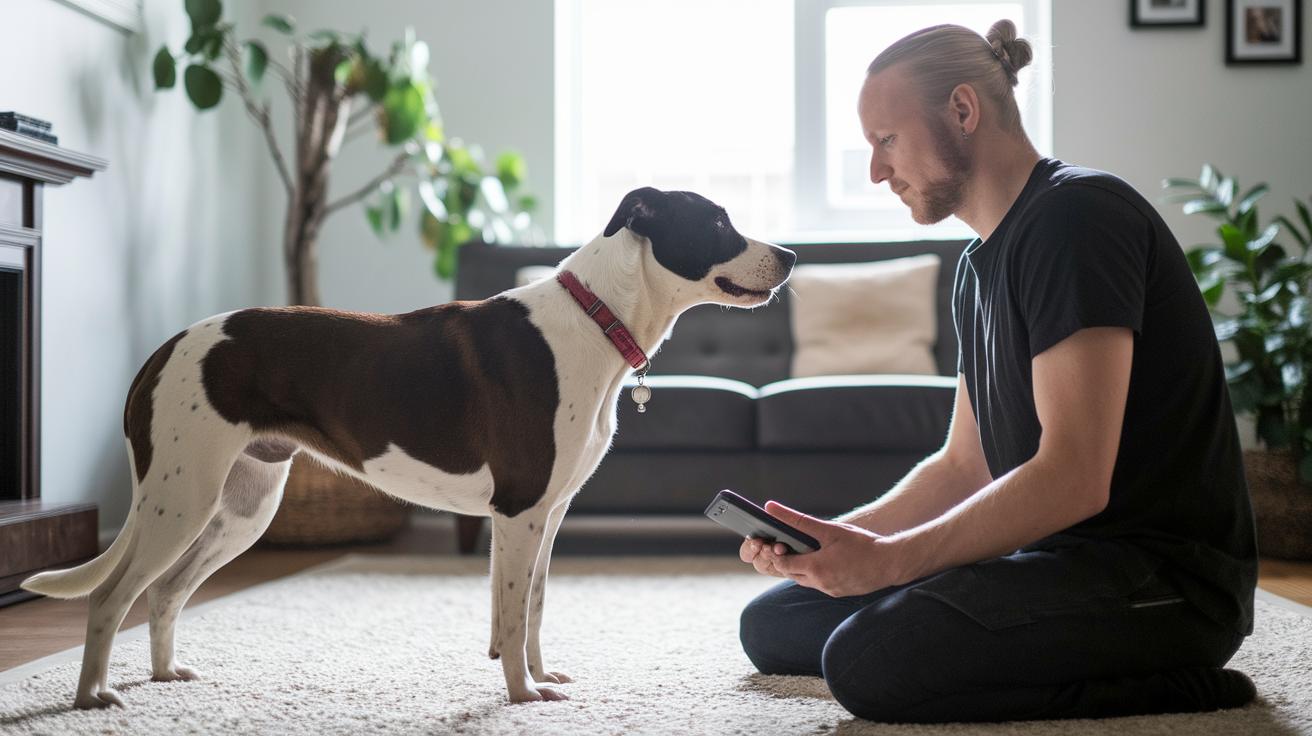
Start by using clear commands like "sit," "stay," and "down" with easy hand signals. For example, when you say "sit," hold out your hand near your dog's nose so they can connect the word with the action.
Remember to mix in a firm yet friendly tone. Say your command, like "stay," then pause for a moment so your dog can think about what you just said, almost like the quiet before a fun surprise.
It also helps to show your pup what you mean. If you want them to "lay down," gently guide them into that position with a clear hand gesture. This way, you won't have to remind them over and over.
Keep practicing these tips in every session. Think of training as a friendly conversation that builds trust and helps your dog feel confident about the right actions.
Leveraging Reward-Based Methods and Clicker Training Benefits
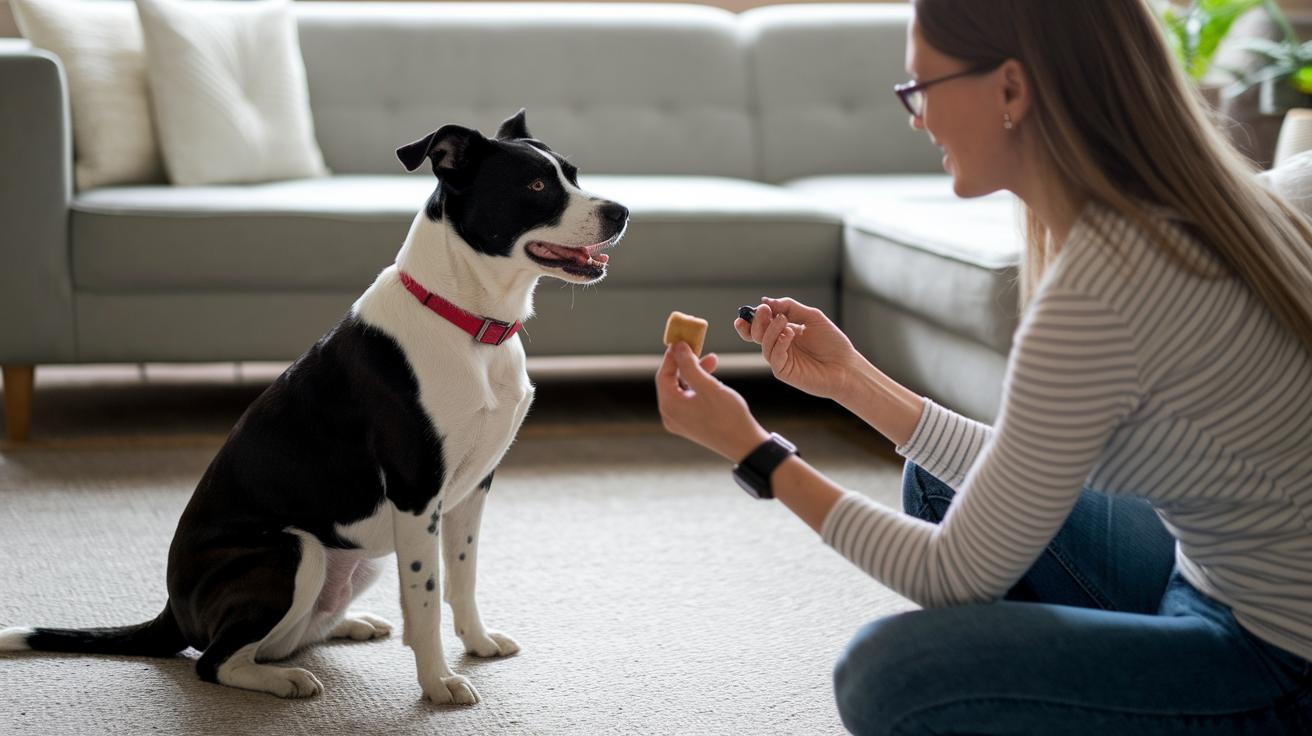
Start with a bright note by using positive reinforcement, reward your dog at once when he does something right. When your furry friend nails a command, offer a tasty treat or a sweet word like, "Good job!" It’s just like giving a high-five when a friend does well, and it encourages him to keep up the good work.
Clicker training is a cool way to sharpen this method. First, get your clicker "charged" by pairing its sound with a treat so your dog knows the sound means something positive is coming. For instance, if your pup sits down, click immediately and then treat him. This clear timing creates a strong link in his mind between the click and the good feeling that follows.
Keep your training sessions short and fun. Use small, yummy treat pieces to avoid making your dog overly dependent on constant rewards. When you click right at the moment your dog shows the behavior, whether that’s a quick glance or a gentle nudge, you’re sending a clear message: “That’s exactly it!”
Here are some steps to follow:
- Charge the clicker: Repeatedly pair the click sound with a treat.
- Click exactly when your dog performs the desired behavior.
- Reward immediately with a tiny treat.
Remember, timing is the secret sauce! The moment your dog does something right is when your reward makes the biggest impact. This technique not only sharpens communication but also builds a warm, lasting bond between you and your best friend.
Shaping, Luring, and Step-by-Step Progression Plans
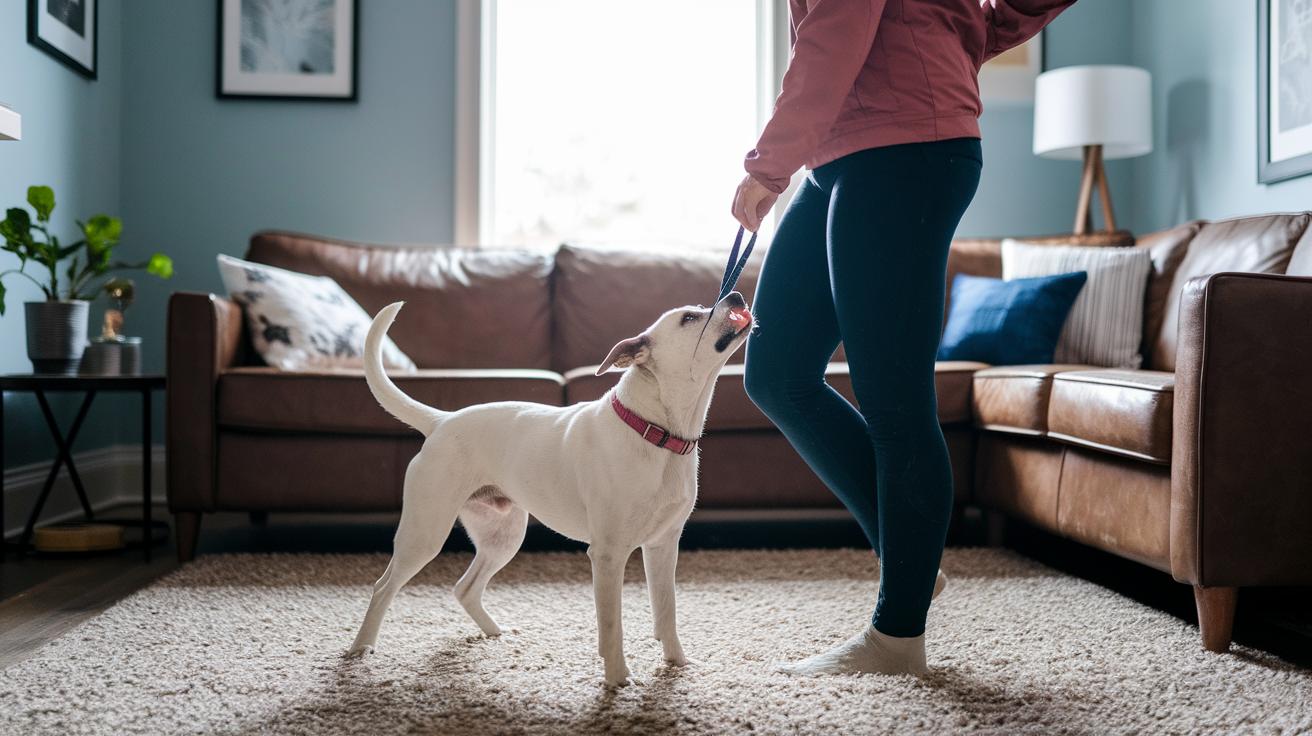
When you're teaching your dog something new and complex, break it down into small, simple steps. Start with shaping exercises so you can cheer for every little win. For instance, if you're working on a "dance between ankles" trick, begin by rewarding your dog just for moving around one leg. Even a tiny shift in body counts! Imagine guiding your pup with a treat until it takes that first step around your leg, then giving a quick cheer, it all builds a chain to the full behavior.
Luring methods work by using a treat to lead your dog into the right spot. Hold the treat in a way that makes your dog follow its movement until it stands in the correct position. Then, reward immediately so your furry friend connects the move with praise effortlessly.
Another great tip is to string simple tasks together in order, like stacking blocks one on top of the other. Start with a basic move, then add another, slowly combining them. This patient, step-by-step approach helps prevent any frustration and builds your dog's confidence over time.
Keep every session positive and focused. Celebrate all the small successes and gradually introduce more challenging steps. Before you know it, even advanced tricks will become a natural part of your dog's behavior.
Managing Behavior Correction and Impulse Control in Obedience Training
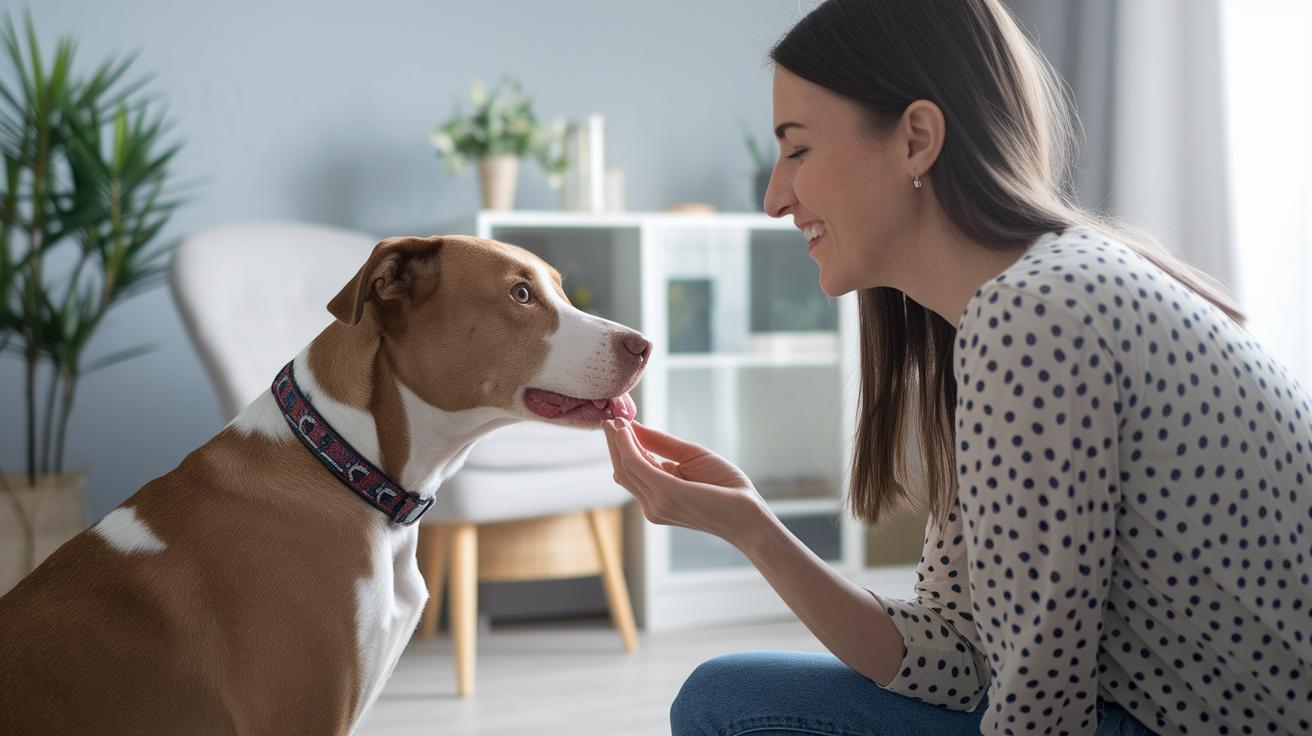
Start by teaching your dog to control their impulses with simple exercises like "leave it." Choose a calm and quiet room where your dog can focus just on you. For example, say "leave it" while gently hiding a treat behind your back. When your dog stops reaching for the treat, give lots of praise and a little reward. This relaxed exercise sets a friendly stage for tackling bigger distractions later.
If your dog shows unwanted behavior, for instance, jumping during play, pause the fun right away. Stopping the activity immediately sends a clear message: misbehaving means the game is off. It’s like hitting a pause button that tells your dog, "Not this behavior."
You can also help ease fears or aggression using gradual steps. For example, if the sound of a vacuum makes your dog anxious, start by keeping the vacuum off. Reward your dog when they stay calm. Then, slowly let the vacuum run at a low volume while still offering treats and praise. Step by step, your dog learns to feel better even when there’s a bit of noise.
Here are some simple tips to remember:
| Tip | Description |
|---|---|
| Clear Commands | Speak in simple words in a quiet spot. |
| Immediate Feedback | Stop fun activities right away if misbehavior occurs. |
| Slow Introduction | Gradually expose your dog to distractions with treats and praise. |
| Gentle Redirection | Guide your dog kindly instead of using harsh punishment. |
These positive, friendly strategies create a calm learning environment that helps your dog grow into a more confident and well-behaved companion.
Integrating Socialization and Handling Environmental Distractions
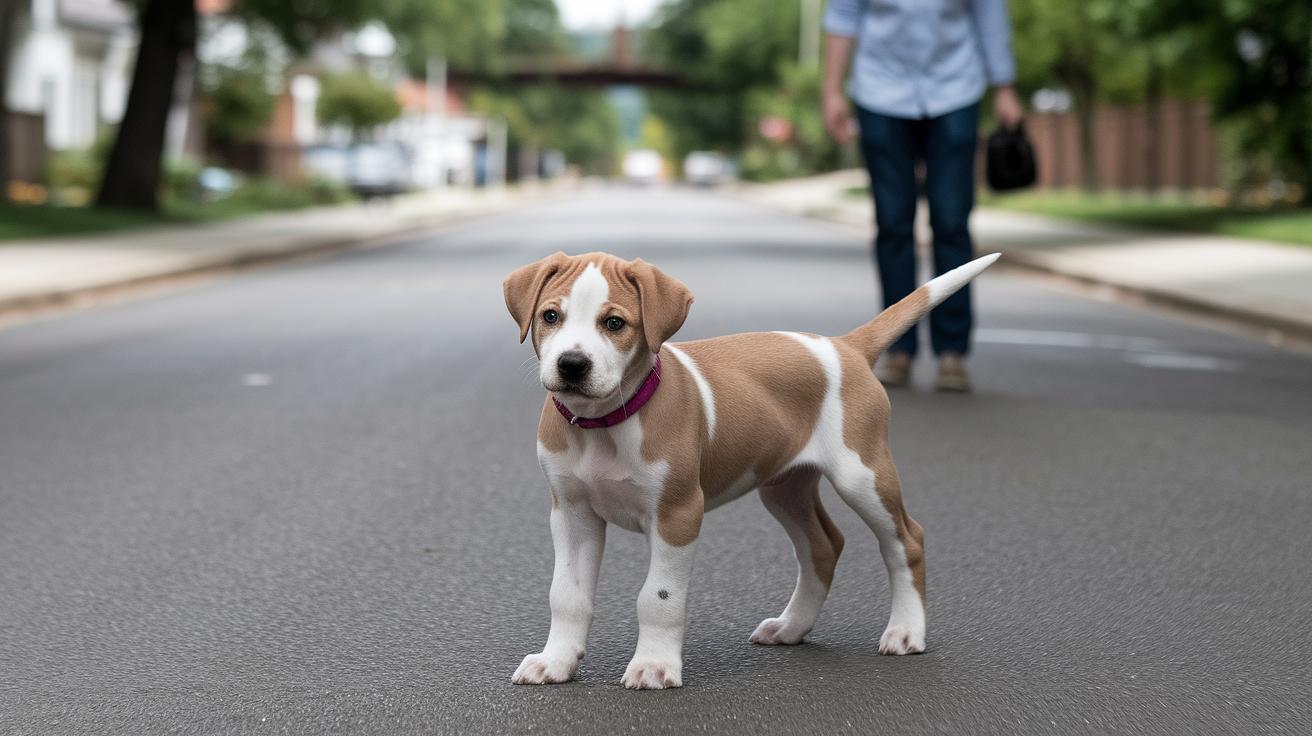
Start by introducing your puppy to a variety of people, places, and sounds when they're young, ideally between 3 and 12 weeks old. This early mix of new faces and sounds helps build a strong base for obedience and confidence later on. For example, a brief chat with a friendly neighbor on a quiet street can boost your puppy’s trust and prepare them for bigger challenges ahead.
Mix up your training spots so your dog learns that good behavior is expected everywhere. One day, try working in your backyard; the next, take a trip to the local park. Begin with soft sounds at home and slowly introduce busier settings, like a pet-friendly store where you might hear gentle chatter or see other dogs playing. It’s like noticing your dog's journey from calm focus at home to a little bounce of alertness on a lively walk.
Keep track of progress with a simple milestone list. Write down moments when your pup listens well despite some distractions. This little record not only shows how far your dog has come but also makes training sessions more fun and encouraging.
Practice often in short, daily bursts. Even a quick session helps to reinforce good habits while also strengthening the bond you share. Remember, each new spot is just another chance for your dog to learn, and maybe earn an extra treat and a kind word.
Final Words
In the action, we dived into essential training methods from clear command techniques to shaping and reward-based methods. We explored how to build strong foundational habits with best practices for dog obedience training and use positive reinforcement for lasting change.
This guide also highlighted the value of consistent sessions and effective socialization in managing distractions. Each section builds a reliable plan to boost your dog’s obedience in a fun, stress-free way. Keep experimenting and enjoy every small win along the journey!
FAQ
Q: What are best practices for dog obedience training near home, on reddit, and in various regions?
A: The best practices for dog obedience training, whether at home or as shared on reddit, rely on positive reinforcement, clear commands, and short, focused sessions. Consistency and timely rewards are key for success.
Q: What are some effective dog training tips for beginners?
A: The dog training tips for beginners stress using basic commands like “sit” and “stay,” alongside brief, regular practice sessions. Rewarding every small success helps your dog build good habits quickly.
Q: How do I train my dog to behave well?
A: The guide to training your dog to behave well involves using positive reinforcement, clear commands, and immediate rewards. Regular, short sessions and a patient, consistent approach help shape good habits.
Q: What do the 7 7 7 rule, 3 3 3 rule, and 5 D’s mean in dog training?
A: The 7 7 7 rule, 3 3 3 rule, and 5 D’s simplify training by outlining reward ratios, session structures, and corrective steps. They provide quick, easy guidelines for timing rewards and adjusting techniques perfectly.
Q: What is the best method of dog obedience training?
A: The best method of dog obedience training uses positive reinforcement with clear, concise commands and reliable reward timing. This approach builds trust, speeds up learning, and deepens the bond with your pet.