
Have you ever thought that a few simple commands could help turn your playful pup into a friendly, well-behaved companion? Basic obedience isn’t just about following rules; it’s also a way to keep your dog safe and build a closer bond between you two.
In this guide, we’ll show you easy methods to teach commands like Sit, Stay, and Come. With clear signals and plenty of praise, you’ll quickly notice your dog’s behavior improving, making life happier and safer for both of you.
Getting Started with Basic Dog Obedience Commands
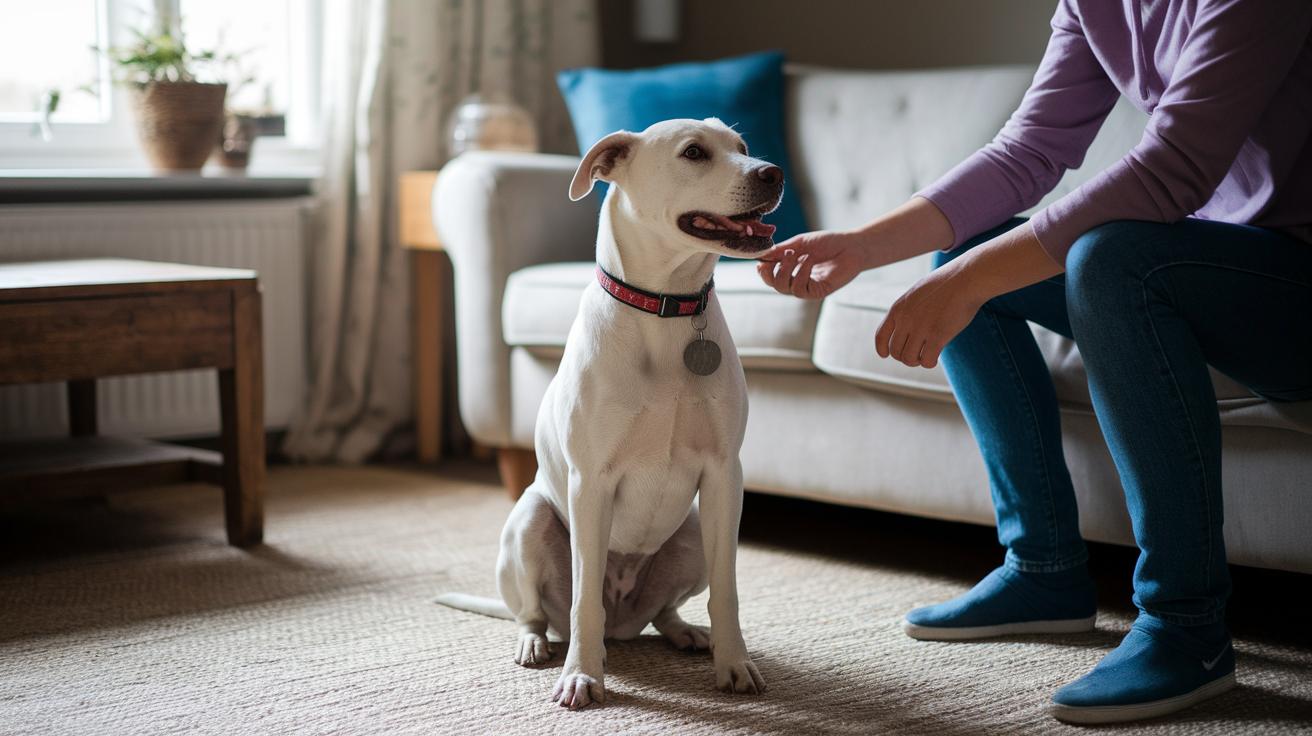
Teaching your dog to sit, stay, and come is a must for managing behavior and keeping your furry friend safe. These commands form the heart of every training session. For example, when guests arrive, using the Sit command helps your dog settle down nicely, and it works well when it's treat time. The Stay command builds early impulse control, making sure your dog stays put when needed. And, of course, the Come command is key to calling your dog back in any risky situation.
Start training with a fun, step-by-step approach. Begin by luring your dog with a treat so that it naturally moves into the right position. Once your pup gets the idea, say the word “Sit” along with a clear hand signal. Then, slowly build up the time your dog holds the position and the distance between you. This friendly, gradual process not only helps you control your dog physically but also strengthens the special bond between you.
Positive reinforcement is the secret ingredient to reliable obedience. Every time your dog does the right thing, give it a treat and lots of praise, make sure the reward comes right away, almost like a quick “Yes!” This method keeps your dog excited and focused during short, regular training sessions that last just a few minutes each day. And if you’re looking to expand your training skills, check out other trusted dog training techniques available from reliable sources.
Teaching the Sit Command with Basic Dog Obedience Commands
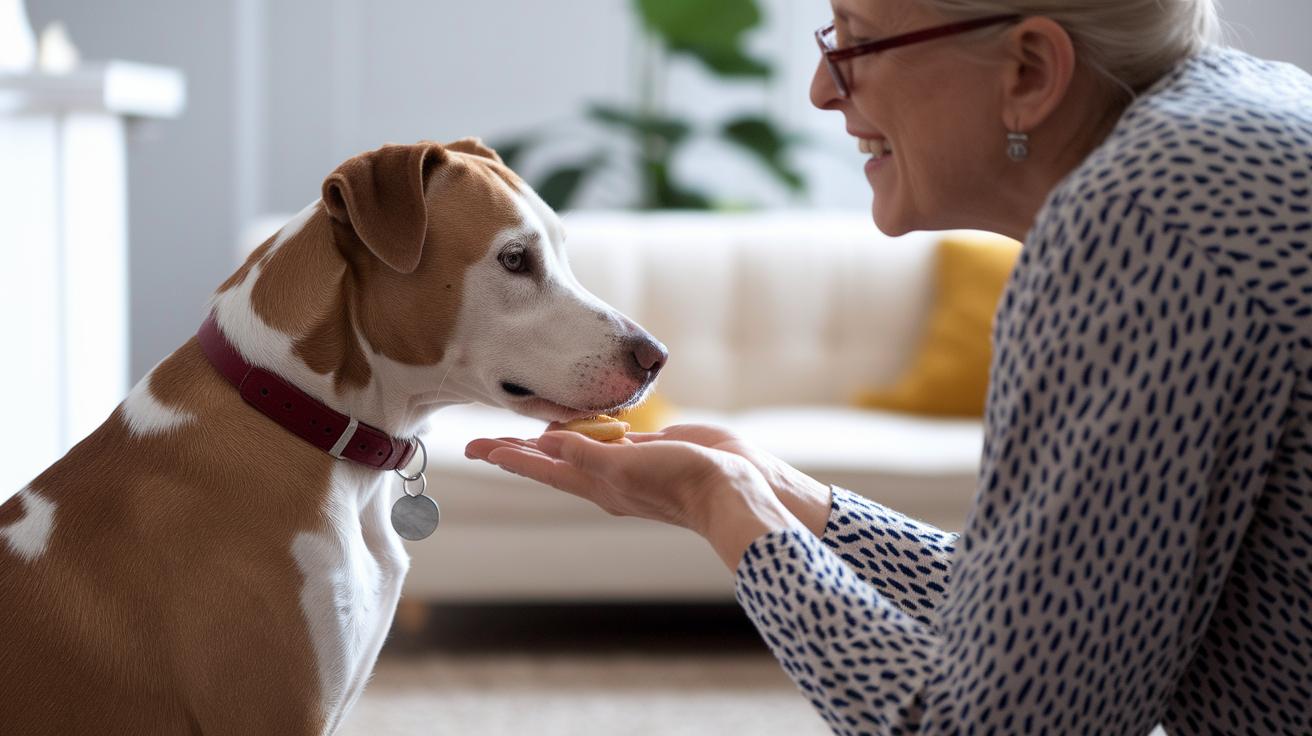
Learning to teach your dog to sit is a fun and important part of training. Imagine holding a treat near your dog's nose and watching them lower their head until they settle down, it's a sweet, natural way to guide your furry pal.
Try pairing a clear word like "Sit!" with a simple hand signal using a flat palm. When your dog sits, quickly mark that good choice with a click or a friendly "Yes!" and reward them with the treat. For example, say "Sit!" and give the treat right away so your dog makes the connection between the cue and the action.
Keep the training sessions short, around five minutes each, and do them three times a day in a calm, low-distraction spot. Start by guiding your dog with a treat until they sit. Then, add the verbal and hand signals every time. Gradually, ease off on the treat so your dog learns to depend only on your cues while you still celebrate their success.
Mastering Stay and Come with Basic Dog Obedience Commands
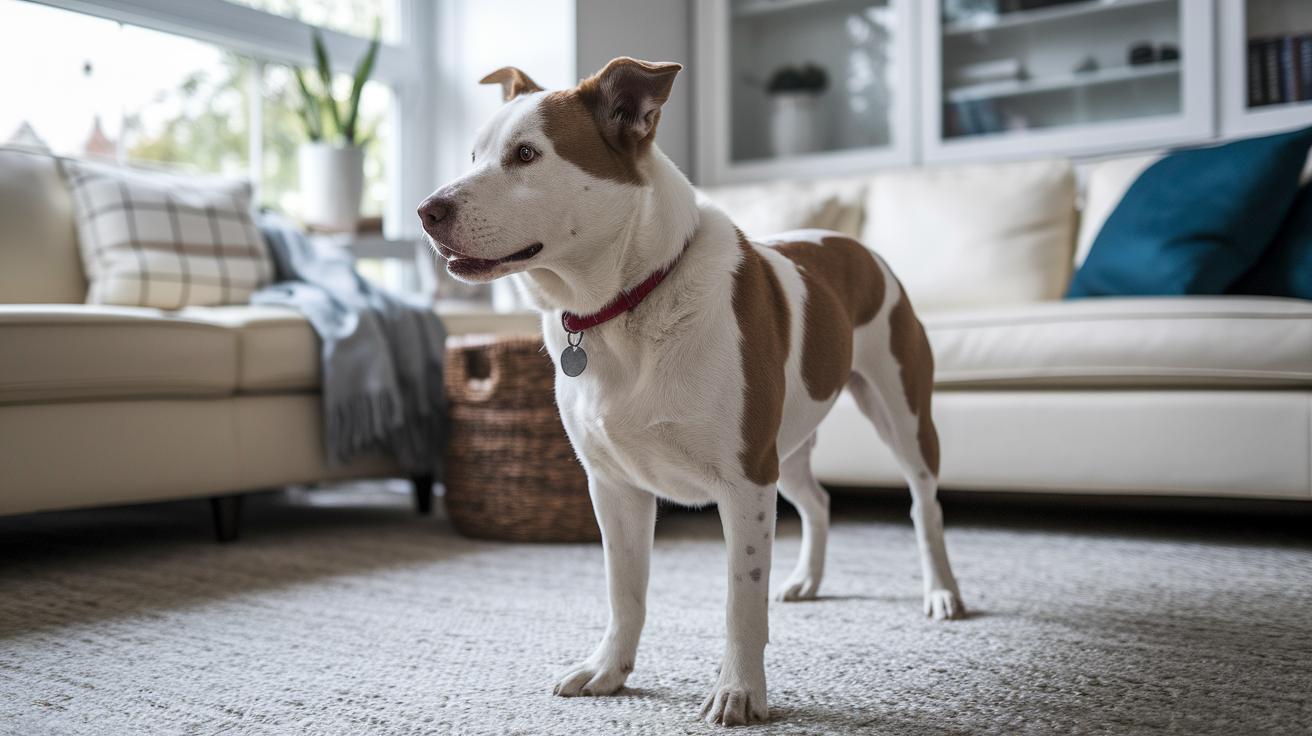
Start by teaching your dog the "Stay" command with a one-second pause, right beside you. Place your pup in a calm spot and gently say "Stay" while barely moving. Then, slowly stretch the pause from just a second up to 30 seconds, and take small steps backward until you’re 10 feet away or more. Always use the same release word like "OK!" to let your dog know when it’s time to move, never let go early. For instance, say "Stay," wait for your dog to hold the position, then use "OK!" along with lots of praise.
Next, work on the "Come" command indoors using a long line, starting with a short, three-foot distance. Call your dog in a cheerful tone with a clear hand signal, saying "Come!" When they reach you, immediately reward them with treats and kind words. Keep these sessions short, about 5 minutes at a time, to build a strong habit where coming to you is always a win.
Once your furry friend masters both commands inside, take the training outdoors where there are more distractions. Begin in a quiet area and slowly introduce things like family members or a nearby toy. By gently increasing the challenge, your dog will learn to stay focused and excited to please, no matter what’s happening around them.
Introducing Heel and Down in Basic Dog Obedience Commands
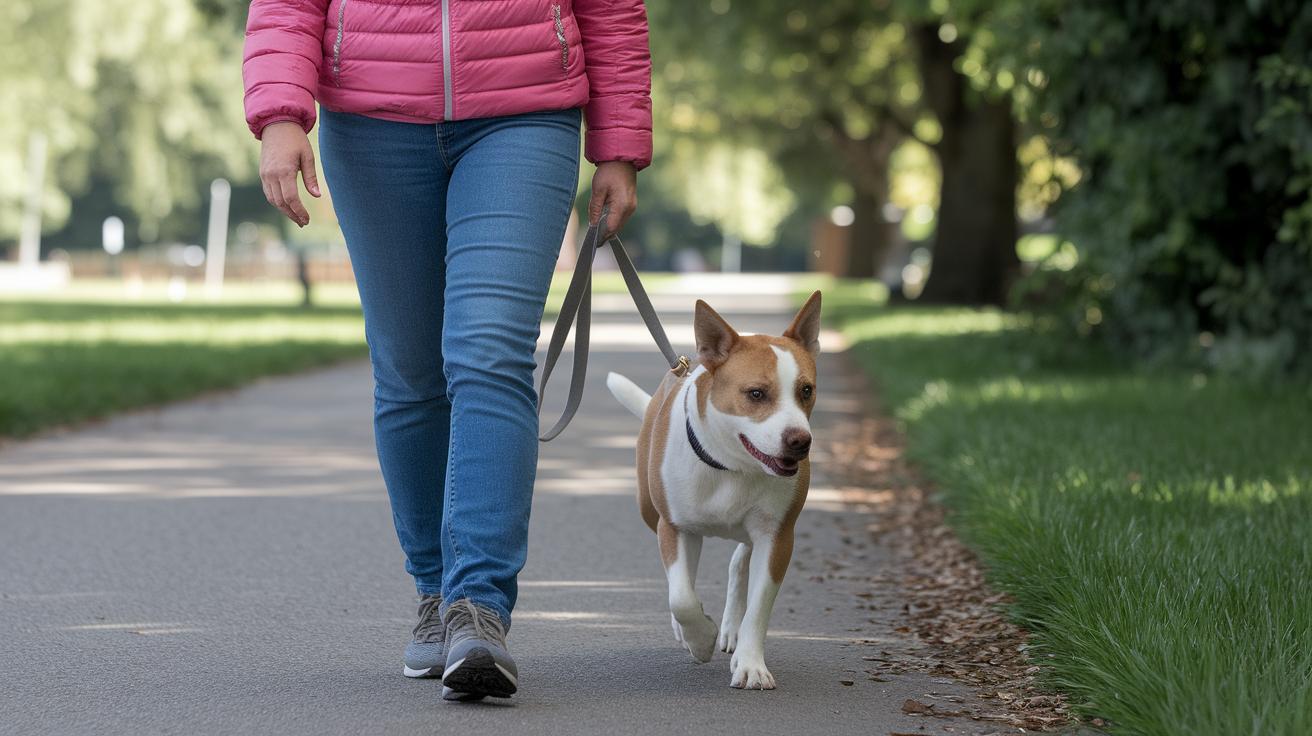
When you work on the heel command, start by holding a treat at your hip level and saying, "Heel!" as you begin walking. This helps your dog know they should stay right next to you. If your pup pulls ahead, simply stop walking and wait until the leash goes slack before moving again. You can say "Heel!" and pause until your dog calms down, then keep walking while giving a treat for those careful steps. This little trick sets clear rules and makes walks pleasant for both of you.
For the "Down" command, hold a treat near your dog's nose and slowly move it toward the floor. Use a flat hand gesture and say "Down" clearly as you guide them until they lie on all fours. As soon as they do, mark the behavior with an upbeat "Yes!" and hand over the treat. Because this command is a bit more challenging, keep each session to about two minutes in a quiet spot, gradually building up the time and comfort. It’s all about making learning fun and easy.
Keep your training sessions short and focused. Do several brief sessions throughout the day in calm settings, then slowly add a bit of distraction by practicing in new places. This steady approach makes the sessions enjoyable, helps build consistency, and boosts your dog's overall obedience every day.
Troubleshooting Common Issues in Basic Dog Obedience Commands
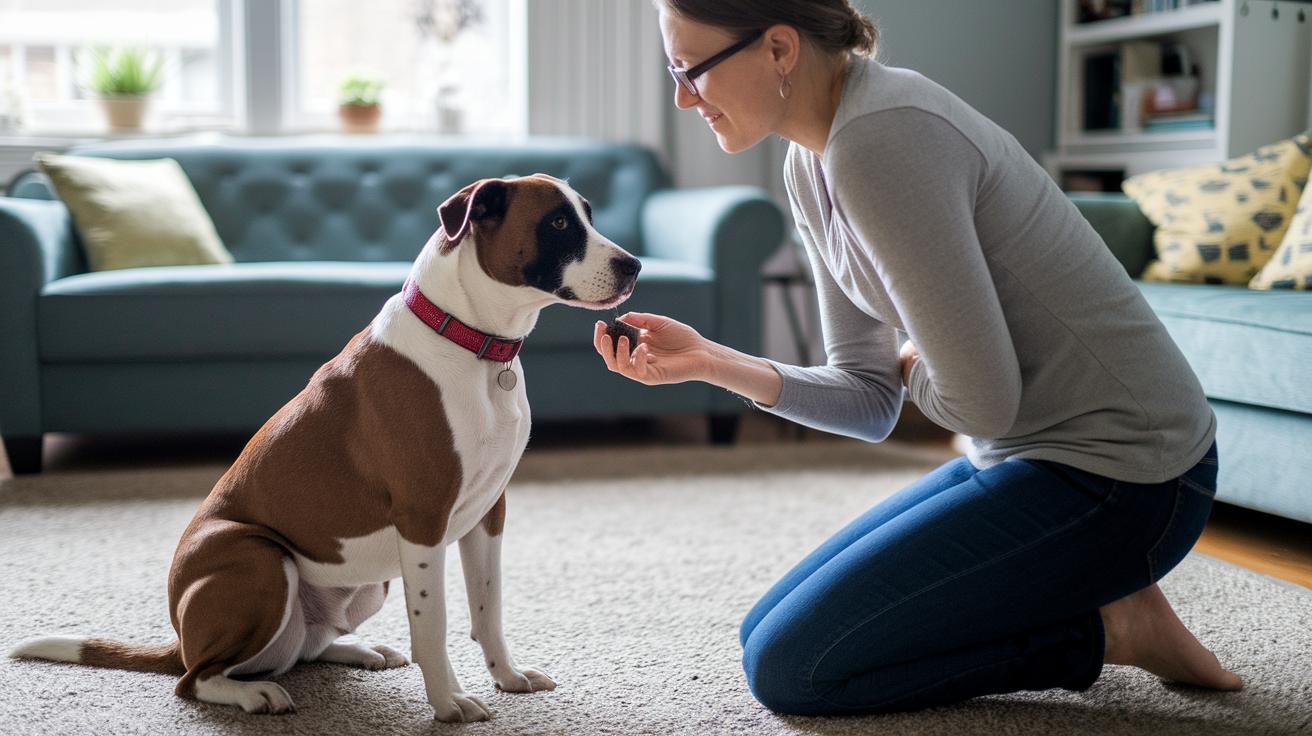
Training your dog is a fun and rewarding adventure, but even the best pups sometimes get stuck on common commands. When your furry friend has trouble with cues like "sit" or "stay," it often comes down to a simple issue. Maybe a treat was given too late, or perhaps unintentional movement distracted your dog during the command. Once you spot these little hiccups, you can easily make training smoother and more enjoyable. Here is a handy table that shows common problems, what might be causing them, and some simple fixes to try.
| Problem | Likely Cause | Solution |
|---|---|---|
| Failure to Sit | Treat given too late or low motivation | Work with clear cues and offer treats right away |
| Inconsistent Stay | Handler movement causes distraction | Keep still during the command and slowly increase distance |
| Poor Recall | Practice lacks real-life distractions | Add small distractions and reward with special treats |
| Leash Pulling | Too much excitement causes tension | Stop moving immediately and only continue when the leash is relaxed |
| Reluctance in Down | Not used to staying on the floor | Gently guide your dog with a treat and use clear hand signals |
Remember, steady practice and timely rewards are key to success. With a bit of patience and these small adjustments, you'll soon notice your furry friend growing more confident and well-behaved, making every training session a joyful step forward.
Maintaining Progress with Basic Dog Obedience Commands
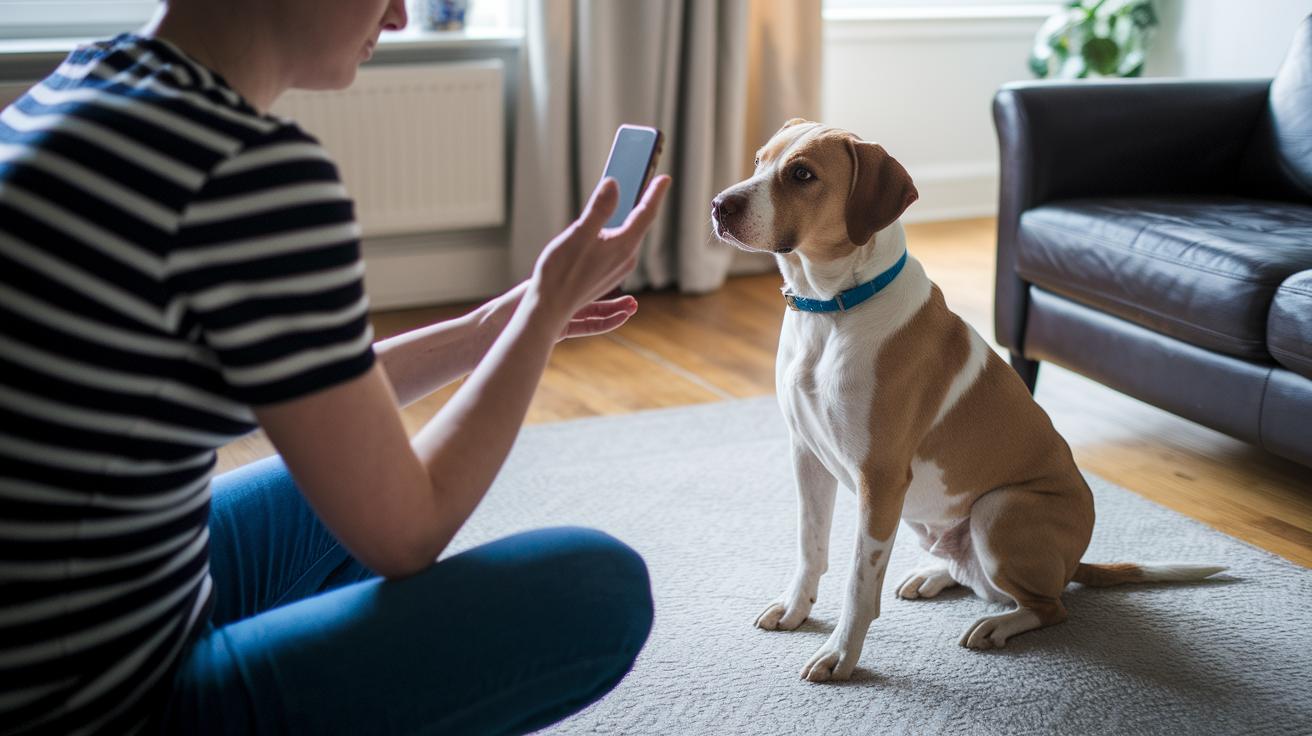
Try to sneak in some quick training drills into your everyday routine. During mealtimes or while taking a walk, why not ask your dog to "Sit" or "Stay" for just a minute or two? These little reminders keep your dog’s skills fresh without feeling like a formal class.
Mix it up by practicing in different spots like your living room, backyard, or even a nearby park. This way, your pup learns to listen no matter where you are. Sometimes, a favorite toy or even a family member nearby can help add a bit of focus to the session.
Then, you can take it a step further by putting commands together. Try a fun combo like "Sit-Stay" or "Down-Come." Start with a clear, calm space and once your dog gets it, add a bit of distraction gradually. Treat rewards and heaps of praise go a long way in keeping the training upbeat and fun.
Final Words
In the action, this guide walked through the journey of teaching basic dog obedience commands. You'll remember how key commands like Sit, Stay, and Come build safety and control. Each section showed clear, step-by-step methods paired with positive reinforcement. Small, consistent training sessions can turn challenging moments into fun family activities. With regular practice, you and your pet can enjoy a happier, safer bond, keeping the spirit of those basic dog obedience commands alive in every day. Keep training, stay positive, and enjoy every moment with your furry friend.
FAQ
Q: What are the 10 basic dog commands?
A: The 10 basic dog commands include cues like Sit, Stay, Come, Down, Heel, Leave it, Drop it, Off, Wait, and No. These foundational commands help create structure and safety at home.
Q: What does a dog commands chart and list of dog commands and hand signals include?
A: A dog commands chart typically shows each command paired with a clear hand signal. This visual guide simplifies training and helps your dog understand your expectations quickly.
Q: Are there advanced dog commands or military dog commands beyond the basics?
A: Advanced and military dog commands go beyond basic cues. They involve more complex behaviors and precision, requiring extra training sessions and practice to master specialized tasks.
Q: Can I train my dog to follow 100 commands?
A: Training your dog to follow 100 commands is an ambitious goal. It’s best to start with the basic commands and gradually introduce new ones as your dog becomes more confident and skilled.
Q: In what order should I teach my dog commands?
A: The teaching order typically starts with simple commands like Sit and Stay, then moves to commands like Come and Down. This progression builds a steady foundation for handling more complex cues later on.
Q: What is the rule of 3 in dog training?
A: The rule of 3 means practicing a command three times in a short session before giving a reward. This helps reinforce the behavior quickly and makes the cue easier for your dog to remember.
Q: What is considered the hardest command to teach a dog?
A: Many owners find commands like Recall – or “Come” – the hardest to teach due to distractions and natural tendencies to wander, which is why extra patience and multiple practice sessions are essential.
Q: What is the 123 method for dogs?
A: The 123 method breaks a command into three simple steps, making it easier for your dog to learn. Each step builds on the previous one with clear, concise cues, encouraging quick and confident understanding.