Health
Average Cost Of Vet Visit For Dog: Affordable
By cindypalmer
November 3, 2025
Field Notes
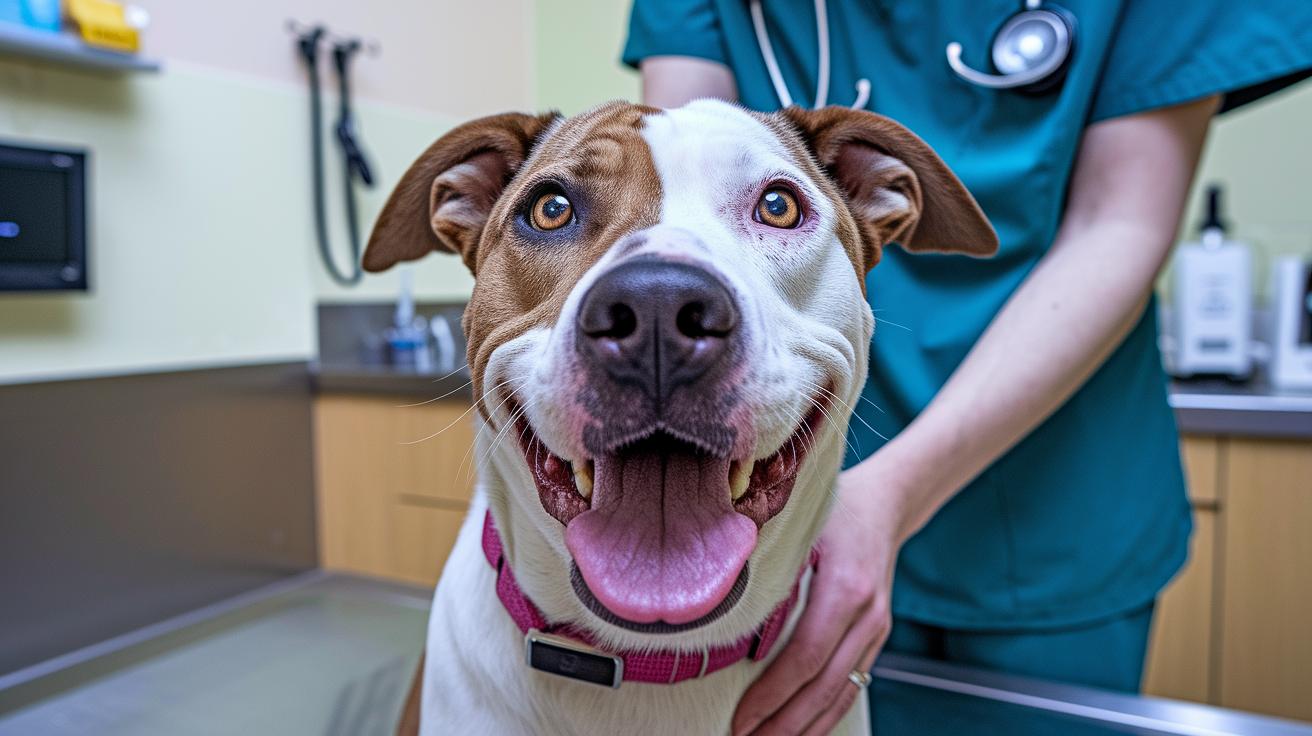
Ever wonder if a $50 checkup might turn into a much bigger bill? It can happen fast when extra shots or tests are needed. In this guide, we'll walk you through what a typical vet visit costs and why those fees might add up. Understanding these details helps you plan ahead and avoid surprises while making sure your furry friend gets the care they need.
Typical Fees for a Dog Vet Visit: Average Costs Explained
Taking your dog to the vet often starts at about $50 for a basic checkup. This fee generally covers a simple visit where your furry friend gets a routine health check. But many vets add extra services like shots, parasite tests, or microchipping that can bump up the cost. You might even hear a vet say, "We began with a $50 visit, but after including a booster shot and parasite screening, the bill ended up much higher." So, that starting fee is just the beginning, and costs can shift based on what your pet needs.
In the first year of having a dog, you might spend $2,000 or more on vet care alone. During that time, regular checkups, preventive treatments, and extra tests can quickly add up. It’s a good idea to plan ahead. Even if that $50 visit seems low, follow-up appointments and extra services are essential to keep your pup healthy, and they can really surprise you when it comes to the total cost.
Recent trends show that vet fees have been climbing steeply. Studies reveal that costs are rising much faster than everyday expenses. That means a simple checkup might be around $50 in one place, but in another area, the price could range up to $150 because of where you live, the type of clinic, and the extra services provided. Keep these regional differences in mind when you compare costs for dog vet visits.
Key Factors Driving the Cost of Dog Vet Visits

Vet bills can really vary, and there are a few simple things to keep in mind. First off, your dog's size and breed matter a lot. A big dog might need more medicine or a higher dose of vaccines compared to a small dog. It’s a bit like how a larger pup might need extra care during a checkup, which can bump up the fee.
Next, where you go for the visit makes a difference. A clinic in the city or a well-known chain might charge more than a neighborhood or non-profit vet. This is because urban clinics often have higher costs, like rent and fancy equipment. So, even a regular checkup can cost more depending on your area.
Finally, routine visits and extra tests can add up. If your dog needs follow-up checks or if an emergency pops up, the total expense can quickly increase. Keeping these points in mind can help you plan and feel ready for whatever the vet visit might cost.
Routine and Preventative Vet Service Costs for Dogs
Taking care of your dog means planning for regular vet visits. A yearly exam is the first step, where your vet performs a basic health check on your furry friend. Often, your vet might add extra services like vaccines, parasite checks, or even microchipping, a tiny chip that helps identify your pet if they get lost. For instance, a vet might explain, "We started with the annual exam, and when we added core vaccines and a parasite check, the total cost went up a bit." These routine services help spot any health issues early, saving you both money and stress later on.
While these visits are important, they usually take up less of your overall vet budget compared to surprise diagnostic tests or emergency care. Keeping up with check-ups and timely vaccinations not only boosts your dog’s well-being but also helps avoid more expensive procedures in the future. Imagine spending a little extra on routine care now to dodge a pricey treatment later, it really makes budgeting for your pet’s health easier.
Preventative services are all about staying ahead of any problems by catching them early. Here are five common services that are often part of your dog's annual visit:
- Annual wellness exam
- Core vaccinations
- Parasite screening
- Microchipping
- Routine immunization pricing evaluations
Diagnostic and Treatment Charges in a Dog Vet Visit
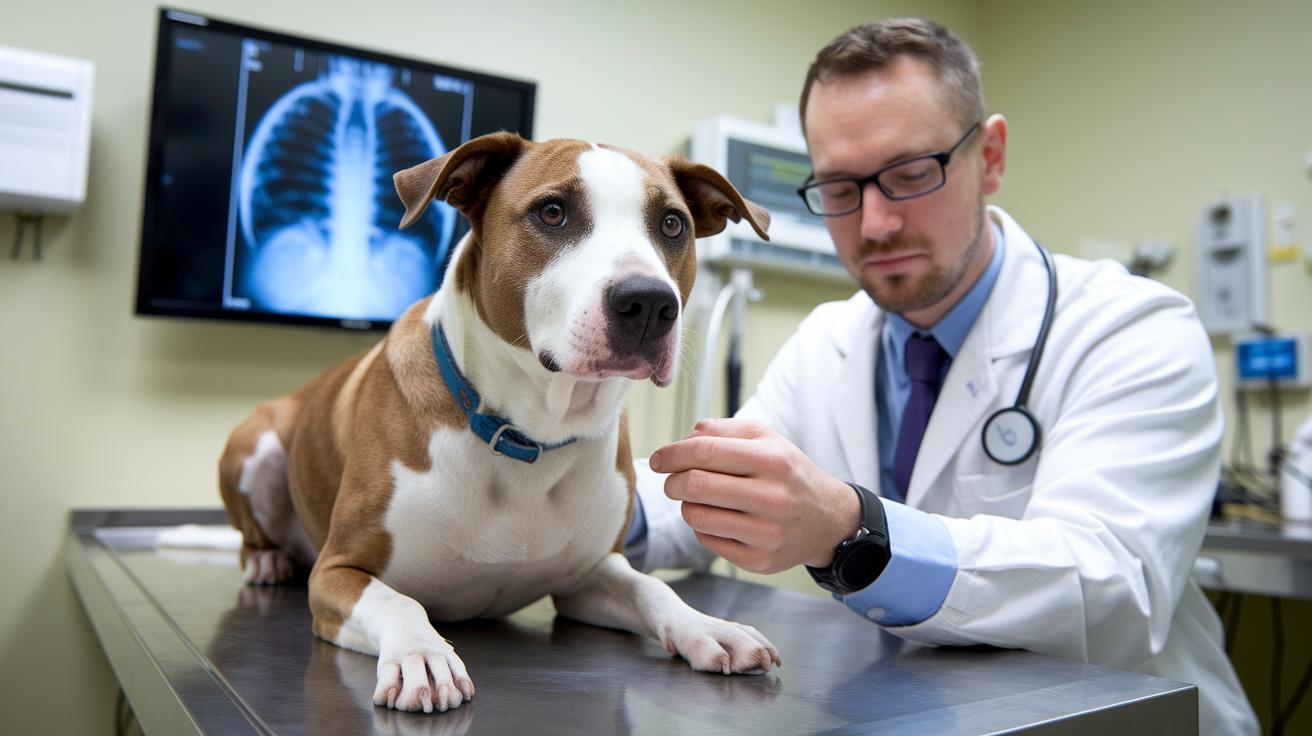
When your furry friend isn’t feeling quite right, the first step is usually a set of diagnostic tests. Vets often suggest things like blood tests, X-rays, or ultrasounds to figure out what’s going on. I remember a vet saying, "We ordered an X-ray and a full blood panel to rule out an infection," which shows just how different these test costs can be. And yes, these expenses can add up quickly, especially if your dog needs more than one test.
After the tests, treatment costs might also bump up the final bill. Depending on what the tests reveal, your dog might need prescription medications, a few in-clinic procedures, or even follow-up visits. For example, a vet might explain, "Based on the test results, we recommend a follow-up treatment charge that covers both medication and a brief procedure." That means the final cost can vary a lot depending on the condition and the level of care needed.
One neat tip: you might be able to save 5% to 10% on medications by using online pet pharmacies instead of filling prescriptions directly through the clinic. This little trick can help lighten the financial load when unexpected health issues arise.
Emergency and Specialty Vet Visit Expenses for Canines
When your dog needs fast care, the bill can jump from a simple $50 checkup to hundreds or even thousands of dollars. Sometimes, these visits can include urgent treatments like surgery or quick fixes when your dog has eaten something harmful. One vet once mentioned that after-hours treatments can cost double compared to daytime visits, which shows just how high these charges can be.
Often, urgent care for dogs isn’t just a basic exam. It might also include lab tests, special x-rays, or even a chat with a pet specialist. For instance, if your dog’s condition takes a sudden turn, a hospital visit might include many tests to figure out what’s wrong. Ever notice how even a routine visit can turn pricey if things get complicated?
After-hours services are even steeper because clinics have extra staff and special equipment ready for emergencies. Services that handle tricky, serious issues also follow this higher fee setup. That’s why it’s smart to have a backup plan for those unexpected pet emergencies.
How Pet Insurance and Coverage Impact Dog Vet Costs
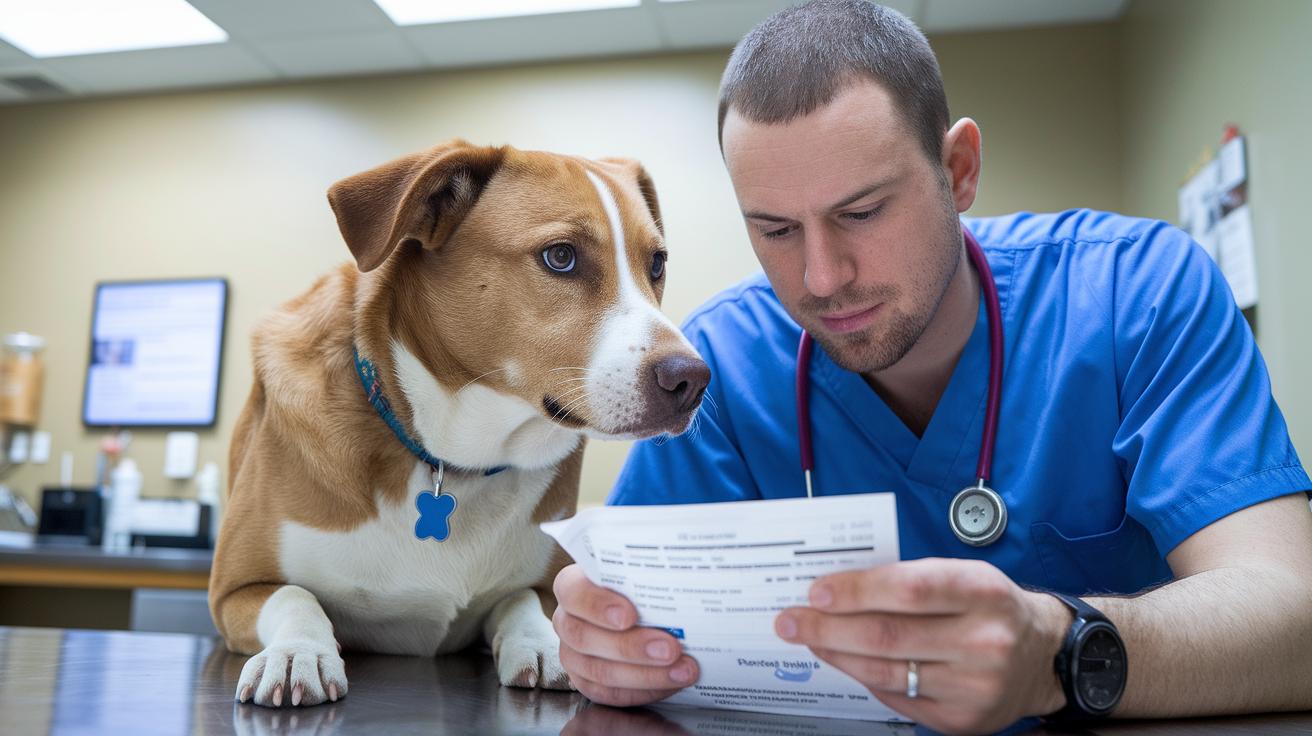
Pet insurance can really help you handle both everyday check-ups and surprise emergencies. Once you’ve paid your deductible, many plans will chip in to cover your dog's vet bills, sometimes even the full cost! For instance, a vet might say, "After our deductible, the insurance covered 80% of the X-ray cost." That tells you how insurance steps in to ease those unexpected expenses.
Not all policies work the same way, though. Some cover only major procedures, while others include routine care like check-ups and vaccinations. When you compare the costs, you'll often see that having insurance can lead to much lower bills than paying out-of-pocket. It’s a good idea to look for plans that clearly detail what’s included during vet visits. That way, you won’t be surprised by hidden fees later on.
Always be sure to read the fine print and even ask your vet about their experiences with different insurance options. This can help you plan better for both the routine visits and the unexpected moments. Checking and comparing the costs of insured versus noninsured visits might just lead you to the perfect plan that fits your budget and keeps your furry friend happy and healthy.
Cost-Saving Strategies for Your Dog’s Vet Visits
Saving on your dog's vet bills can be easier than you think. A little planning goes a long way when you're making sure your furry friend gets the care they need. For example, check out affordable local clinics or nonprofit vet services. I once heard of a friend who found a nearby nonprofit that charged almost half the price of a major chain, yet the quality of care was just as good.
Another idea is to explore budget options like pet health credit cards or even set up a dedicated savings account for vet visits. These choices help spread costs over time, so you’re not stuck with one big bill all at once. Plus, you might even score some savings, many online pharmacies offer discounts for prescription medications, sometimes anywhere from 5% to 10%.
Here are six handy tips to help you manage those expenses:
- Look for local, low-cost clinics and nonprofit veterinary services.
- Ask your regular vet about different pricing tiers.
- Set aside a small, fixed amount each month in a dedicated vet savings account.
- Consider using pet health credit cards like CareCredit.
- Shop for your pet’s medications at trusted online pharmacies for discount deals.
- Consult with pet assistance nonprofits for extra financial help.
These simple strategies can help you keep your best friend healthy without stretching your budget too thin.
Final Words
In the action, we explored the base fee for a dog vet visit, showing how routine check-ups usually start around $50 but can climb with extra services.
We touched on how yearly vet expenses add up for dog owners.
We also looked at recent price trends, regional differences, and cost-saving tips to ease the burden. All these insights help you navigate the average cost of vet visit for dog while keeping your furry friend happy and healthy.
FAQ
What is the average cost of a vet visit for a cat?
The average cost of a vet visit for a cat typically starts around $50 to $100, covering a basic checkup and vaccinations, with prices varying by location and services provided.
How much is a vet visit for a dog without insurance near me?
The average vet visit for a dog without insurance usually costs about $50 to $150, depending on your region and any extra services needed during the exam.
What is the average cost of a full exam or standard check-up for a dog?
The average full exam for a dog generally starts at around $50, with costs rising if additional diagnostics or treatments are required based on clinic type and regional differences.
How much is the average cost of a vet visit for a puppy?
The average vet visit for a puppy tends to be a bit higher, often starting near $100, due to extra vaccinations and developmental checks, though costs can vary by clinic and area.
How does pet insurance impact the cost of a dog’s vet visit?
The impact of pet insurance on a dog’s vet visit is that it usually reduces out-of-pocket expenses, as owners pay only deductibles or copays, making routine and emergency care more affordable.
What does a veterinary price list include?
A veterinary price list includes fees for exams, treatments, diagnostic tests, and preventive care, giving pet owners a clear idea of service costs to help with budgeting.
What can I do if I can’t afford a vet visit?
The inability to afford a vet visit can be managed by asking about payment plans, low-cost clinics, or nonprofit organizations that offer assistance with pet care expenses.