
Have you ever noticed that grooming your pet at home can become the best part of your day? When you take care of your furry friend at home, it’s more than just looking good. It’s about sharing special moments, saving time, and keeping your pet feeling well.
Regular grooming helps spot little issues before they grow into bigger ones. Think of it as a mini check-up that you both enjoy together. With just a few fun, simple steps, you create moments full of trust and love. Your pet will shine with happiness and health, making every day a little brighter.
Comprehensive At Home Pet Grooming Guide
Grooming your pet at home is a heartfelt way to show your love while keeping your furry friend in tip-top shape. Doing a little grooming regularly can help prevent issues like ear, nail, dental, and coat problems. Think of it as a mini check-up each time you spend a few minutes together.
It also makes you feel more confident as a pet parent. Not only does it turn routine care into a fun, bonding time, but it also saves you time and money by reducing frequent trips to the groomer. With just a few simple steps, you can keep your pet looking shiny and healthy.
Here are some easy tips:
- Brush your pet’s fur every day or several times a week. This helps remove loose hair and gives their skin a gentle massage.
- Bathe your pet with lukewarm water and a shampoo made for them. Be careful not to bathe too often to keep their natural oils intact.
- Trim their nails every three to four weeks to avoid discomfort from overgrown nails.
- Clean their ears once a month or as needed using a damp cloth, taking care around those sensitive spots.
- Brush their teeth once or twice each day to help prevent gum issues and keep tartar away.
By following these simple steps at home, you not only save money but also create special moments that strengthen the bond between you and your pet. It feels great to know you’re caring for your pet’s health and nurturing a relationship filled with trust and affection.
At Home Pet Grooming Station: Essential Tools and Setup
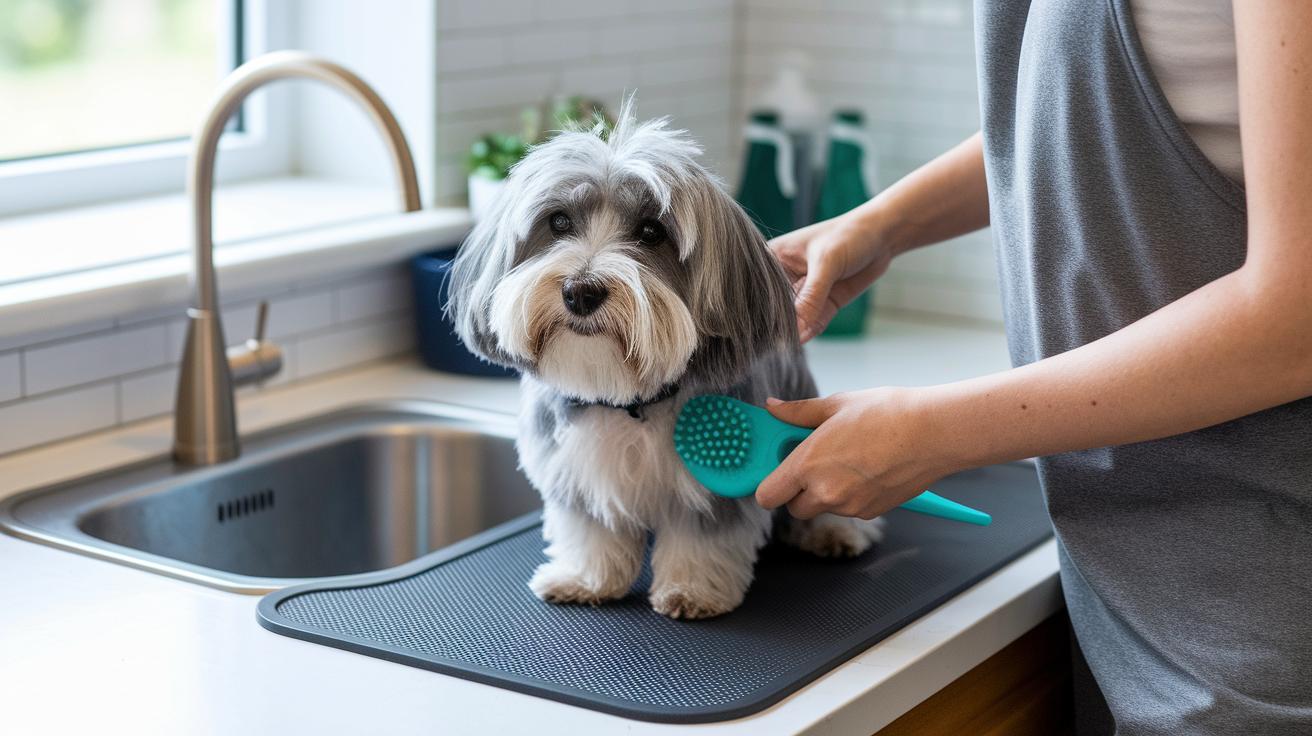
Setting up a special grooming spot at home makes pet care easy and fun. When you keep everything together, it feels like you have all the tools ready at your fingertips, and that makes the whole process less stressful. A good non-slip mat, plenty of light, and a location near water all work together to help you enjoy every moment of grooming your furry friend.
Having a dedicated spot means you can grab your supplies quickly, so each grooming session runs smoothly. It’s like having your favorite snack always within reach, simple and satisfying.
Here are some friendly tips on the tools you might need: Consider using a rubber-bristled brush for pets with short hair to gently remove loose fur. A wire slicker brush works wonders for untangling knots, while a steel comb is great for smoothing out fur and checking for little pests. If your pet has a thick double coat, a de-shedding tool can be a lifesaver.
Remember to include shampoos made for your pet’s breed and toothpaste that’s safe for dogs. Nail trimmers paired with styptic powder help if you have a small cut, and ear cleaning supplies like cotton balls with mineral oil will keep those ears sparkling clean. If your pet isn’t too bothered by the noise, a blow dryer can be a handy extra tool.
| Tool | Purpose | Recommended Option |
|---|---|---|
| Rubber-Bristled Brush | Gently removes loose hair and dirt | Standard Rubber Brush |
| Wire Slicker Brush | Helps untangle and remove mats | Medium Slicker |
| Steel Comb | Smooths fur and checks for ticks | Fine-Tooth Comb |
| Nail Trimmers & Styptic Powder | Keeps nails neat and helps with small cuts | Safety Nail Kit |
| Ear Cleaning Supplies | Cleans ears safely | Cotton Balls & Mineral Oil |
Bathing and Drying Techniques for At Home Pet Grooming
Before you start your pet’s bath, give them a gentle brush to smooth out tangles and loose hair. This simple step stops knots from forming and turns bath time into a relaxing, mini massage that also helps you spot any bumps or irritations. It clears away dirt so your pet gets the freshest, cleanest wash.
When it's time to wash, use water that feels just warm and a shampoo made for dogs. Lather the shampoo softly, being careful to steer clear of your pet’s eyes and inner ears. Rinse very well so that no shampoo is left behind, just like making sure every spice in your favorite soup is perfectly mixed for the best flavor.
After the bath, pat your pet dry with a towel to remove the extra water. When you use a dryer, set it on low heat and keep it about 20 centimeters away from your pet’s fur to avoid overheating. This gentle drying helps keep the natural oils intact for a shiny, healthy coat and prevents any damp spots that might cause skin problems. Let your pet settle in while you gradually introduce the dryer, and offer calm praise to help build trust.
At Home Pet Grooming: Effective Brushing and Coat Maintenance for Furry Friends
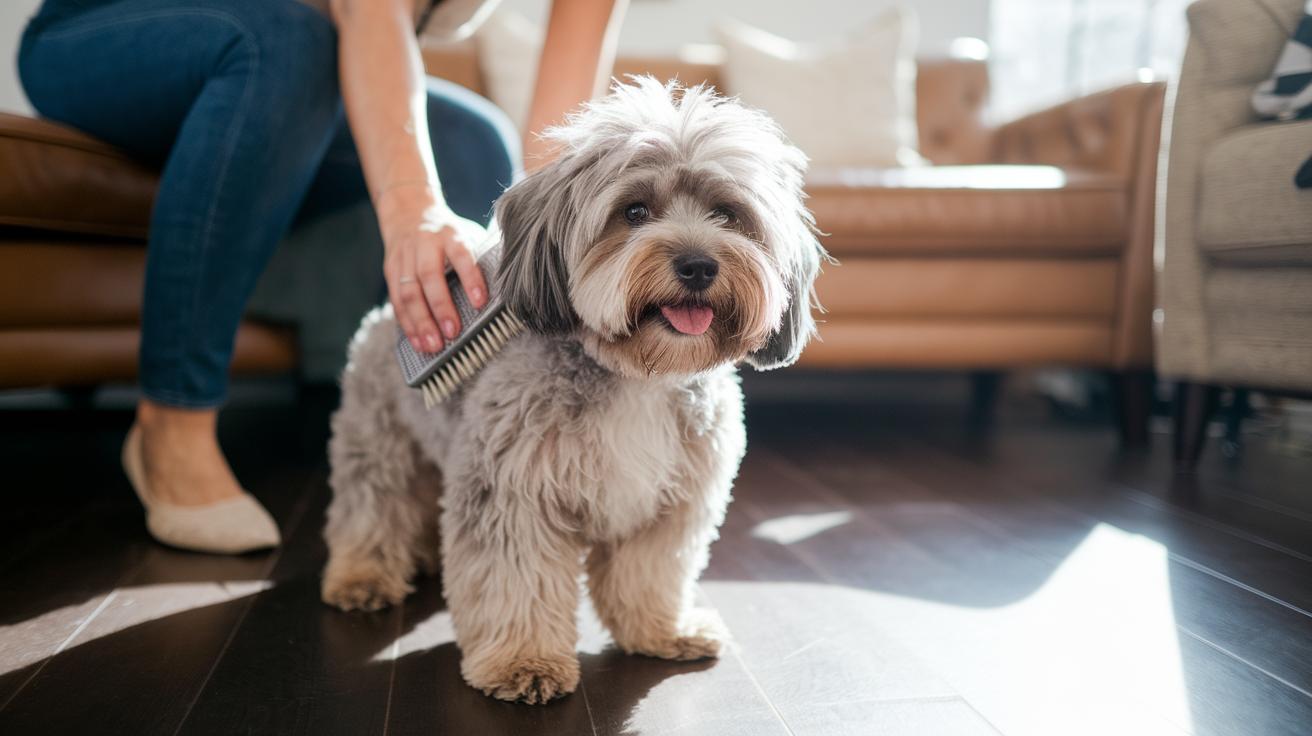
Different types of coats need their own brushing routine. If your pet has a long or wiry coat, daily brushing helps untangle knots and keeps their fur smooth. For short-coated pets, brushing two or three times a week usually does the trick. Regular brushing not only tidies up your pet’s coat but also spreads their natural oils, giving their fur a healthy, shiny glow. Ever feel that soft, tangle-free fur under your fingers? It’s a little burst of joy that shows how much you care.
Choosing the right brush makes all the difference. Slicker brushes work wonders on long, curly fur by gently untangling knots and reducing mats. For pets with double coats, a de-shedding tool is great for handling seasonal hair loss. And if your pet sports a short, smooth coat, a rubber brush can be just the right tool. Always remember to brush in the direction of hair growth, it’s a bit like following the natural flow of a story, revealing all the beauty hidden beneath.
Brushing also gives you a chance to check up on your pet’s skin. As you groom, take a moment to look for ticks, bumps, or dry spots that might need extra care. A seasonal de-shedding session can keep loose hair at bay and make home grooming a breeze. Next time you brush your furry friend, enjoy the extra bonding time and the peace of mind that comes with a healthy coat.
At Home Pet Grooming: Nail, Ear, Eye, and Dental Care
Nail Trimming: Frequency, Angle, and Styptic-Powder Safety
Trim your pet's nails every 3 to 4 weeks, especially before they start clicking on the floor. Gently hold their paw and use clippers at a slight angle, keeping away from the quick (the pink part inside the nail). Always keep some styptic powder close by, just in case you accidentally nick a nail. If a tiny cut happens, a light dusting of the powder will quickly stop the bleed and help your pet stay comfy.
Ear Cleaning: Step-by-Step Ear-Care Method
Clean your pet's ears once a month using a cotton ball dipped in a mild oil. Carefully wipe the outer part of the ear, and avoid pushing anything deep into the ear canal. If you see extra hair in there, gently remove it so air can flow and keep the area healthy. This simple routine helps lower the chance of infections and keeps their ears neat.
Eye Cleaning: Gentle Eye-Wipe Process
Use a damp cotton ball or a soft washcloth to wipe around your pet’s eyes. Make sure not to touch the eyeball directly to avoid any irritation. A gentle wipe takes away debris and tear stains, keeping your pet’s eyes clean and comfortable. It’s a small step that really makes a difference in their daily comfort.
Dental Care: Tooth-Brushing Routine and Chew-Toy Tips
Brush your pet's teeth up to twice each day using toothpaste made for pets. Ease into the routine slowly so your pet gets used to the sensation. You can also offer dental chews, which help fight tartar build-up and keep their breath fresh. Just a few minutes of dental care every day can boost your pet’s overall health and happiness.
DIY Fur Trimming and Clipper Techniques in At Home Pet Grooming
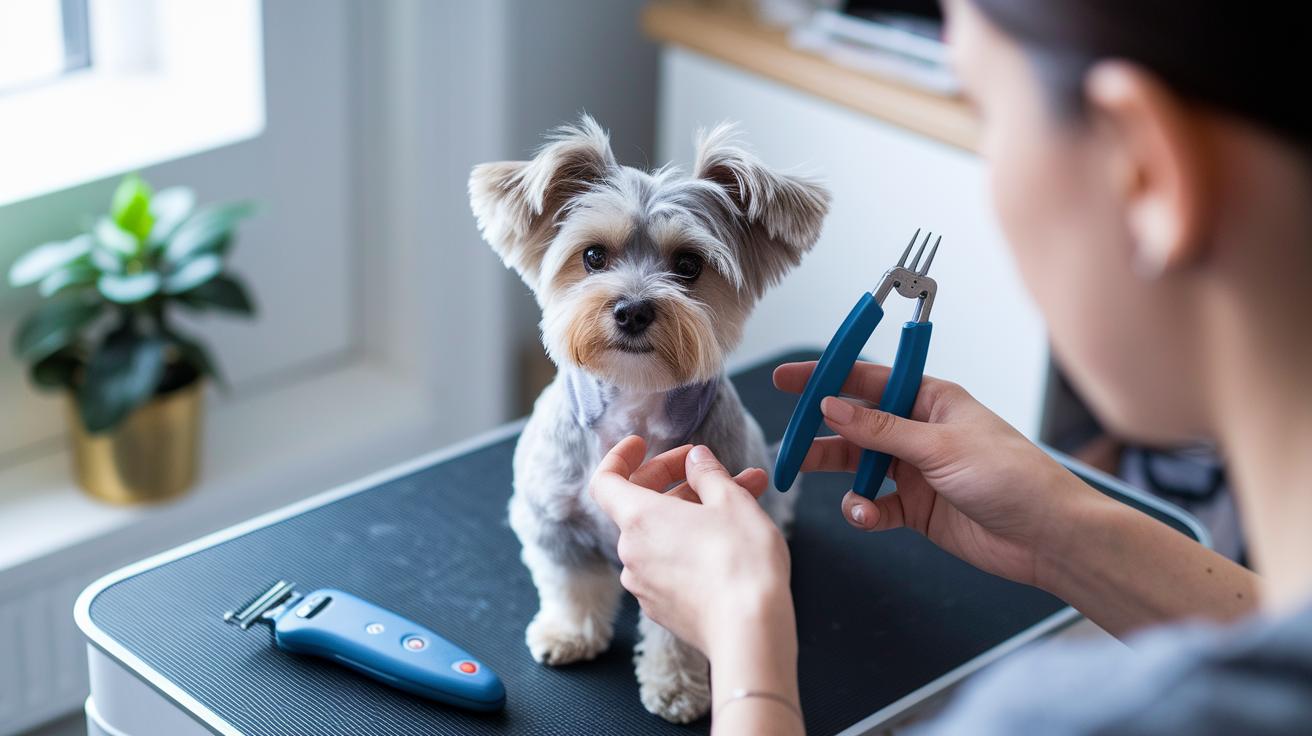
DIY fur trimming can be a fun way to bond with your pet. Start by letting your pet get used to the clippers without running them; simply have them nearby so they can become comfortable with the sound and feel. Once your pet seems relaxed, briefly turn the clippers on. This gentle start helps ease any worries and builds trust, a great first step toward a regular grooming routine.
Choosing the right tools also matters. Look for clippers that come with adjustable blade guards, longer ones for a light trim and shorter ones for a neat, precise cut. Make sure the clippers feel comfortable in your hand and work reliably. Sometimes a product like Best Dog Grooming Clippers can offer extra guidance. Picking the right tool really makes the grooming session smoother for both you and your pet.
When you’re ready to trim, hold the clippers at about a 45° angle and move them slowly in the direction of your pet’s hair growth. This steady, smooth motion gives an even trim, helps protect your pet’s skin, and keeps discomfort to a minimum. It might help to go slowly and take short, careful snips while watching your pet’s reactions. Remember, practice makes perfect, each session is a chance to get a little better.
After you've finished, clean the clippers by removing any trapped hair and adding a few drops of clipper oil. This simple step stops rust, keeps the blades sharp, and makes sure your tool lasts longer. And don't forget to shower your pet with praise or a favorite treat afterward. Regular tool care and a positive approach can make DIY grooming safe, fun, and a little adventure each time.
Safety, Common Mistakes, and Best Practices for At Home Pet Grooming
Start with a safety checklist. Always use products made just for pets, skip the human shampoo and avoid giving your pet too many baths. Don’t ever try to express their anal glands at home. Also, be gentle with their ears; never insert anything deep into the ear canal. Keep your grooming blades sharp to avoid any hair pulling, and when it comes to trimming nails, take it slow so you don’t cut them too short. A calm atmosphere with treats and breaks can make the whole process much easier for both you and your pet.
Next, think about common mistakes that many pet owners make. Rushing through grooming sessions can mean you miss spotting things like ticks or tangled mats. If you don’t dry your pet thoroughly after a bath, they might end up feeling chilled or irritated. Over-bathing can strip away those natural oils in their coat, and using dull blades in a hurry might tug their hair, causing discomfort.
For the best grooming experience, stick to a steady routine. Check your pet’s coat, ears, and nails both before and during each session. Keep things positive with calm words, short pauses, and plenty of treats. Taking your time not only helps avoid mistakes but also builds trust, making grooming a relaxed, stress-free time for everyone.
Tailoring At Home Pet Grooming for Specific Breeds and Aftercare
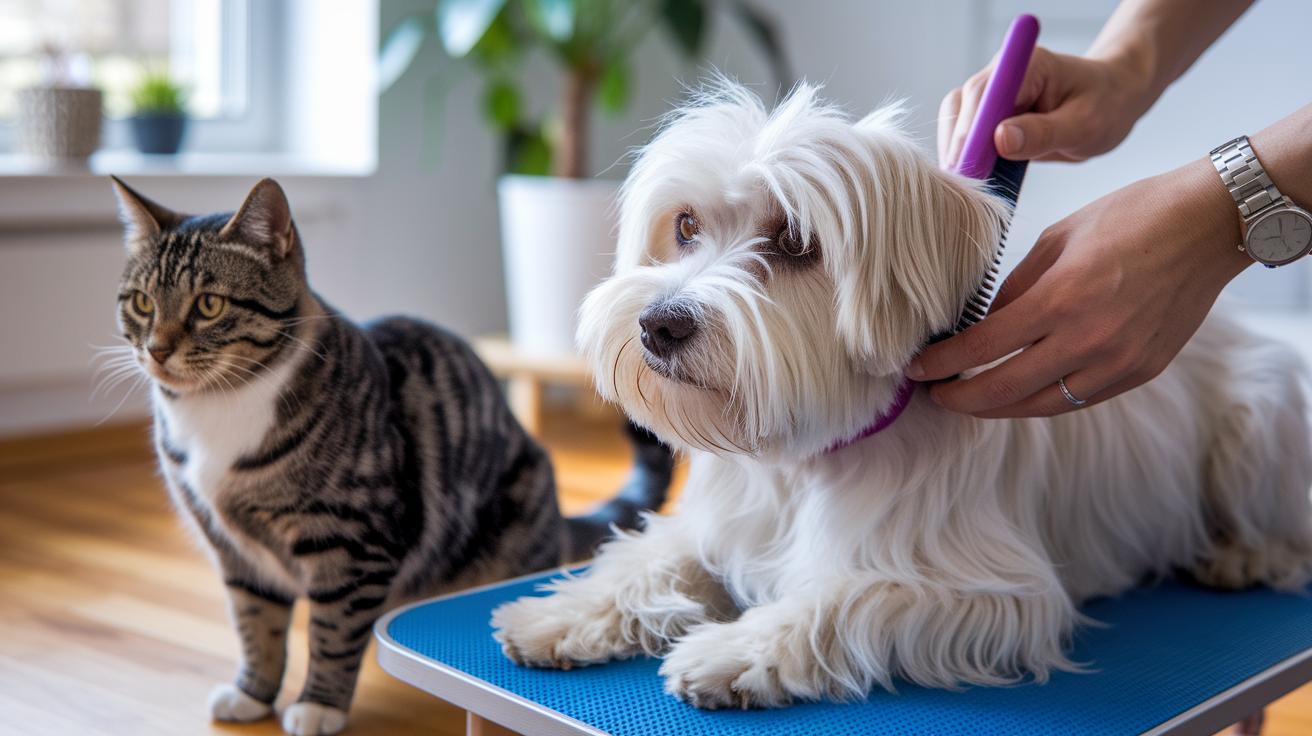
Some dog and cat breeds need a little extra love when it comes to grooming. For instance, breeds with fancy, high-maintenance coats like Afghan Hounds, Poodles, or Komondors can really benefit from a professional trim every now and then. But on the days in between salon visits, a gentle brush and some careful detail work at home can go a long way. On the other hand, pets like Beagles, Weimaraners, and Boxers, with their easygoing coats, usually only need a few light trims. Knowing what your pet’s breed needs helps you plan a grooming routine that keeps them both looking smart and feeling comfy.
Seasonal care matters too. In the summer, a shorter trim can help your pet stay cool, almost like a little breeze on a hot day. And during winter, a bit of extra length in their coat can act like a cozy sweater against the cold. By tweaking your grooming routine with the changing seasons, you not only boost your pet’s comfort but also keep them looking their best all year round.
After grooming, a bit of extra care can really lock in all your efforts. Start by gently brushing through their coat to blend everything nicely and clear out any stray hairs that might form mats. If you notice any dry spots on their skin, a pet-friendly conditioner can help keep their fur soft and shiny, kind of like a little spa treatment just for them. And while you're at it, take a moment to give your pet a quick once-over for any unusual bumps or signs of irritation. These small check-ups are great for catching issues early. In the end, giving your pet a thorough aftercare session builds trust and makes them excited for the next at-home grooming day.
Final Words
In the action of at home pet grooming, this guide broke down everything from brushing and bathing to nail, ear, eye, and dental care. It highlighted essential steps like tool selection, safe clipper techniques, and breed-specific tips to keep your pet healthy and happy. Each section showed how DIY grooming can save costs and build trust with your furry friend. By following these simple practices, you'll feel more confident making informed decisions in at home pet grooming and enjoy every moment spent caring for your beloved companion.
FAQ
Can I do pet grooming at home and find services near me?
The concept of at home pet grooming means you can groom your pet at home with the right tools and guidance. It lets you skip local salons and manage grooming yourself.
How can I handle dog grooming at home and find nearby services?
Dog grooming at home involves using proper brushes, clippers, and a safe space. This DIY approach saves money, builds trust, and lets you care for your dog without driving to a salon.
How do I perform pet grooming at home for cats?
Grooming cats at home means using gentle brushes and careful nail trimming. It helps keep your feline friend looking neat while reducing stress from long trips to the groomers.
What are typical at home pet grooming prices and costs?
At home pet grooming costs are generally low when you invest in quality tools. This DIY method saves money in the long run by reducing frequent visits to professional grooming salons.
What does a full groom include at Pets at Home?
A full groom at Pets at Home typically includes a bath, haircut, nail trim, and ear cleaning. This comprehensive service helps ensure your pet looks polished and stays healthy.
How can I groom my dog myself at home?
Grooming your dog at home means mastering basic techniques like brushing, bathing, and nail cutting. With patience and positive reinforcement, you can build a routine that keeps your dog comfortable and clean.
How much should I tip for a $75 dog grooming service?
Tipping for dog grooming is generally 15-20% of the total cost. For a $75 groom, consider tipping between $11 and $15 to show appreciation for a job well done.
What is mobile pet grooming and how does it work?
Mobile pet grooming brings professional grooming services directly to your location. Although it may cost a bit more, the convenience and reduced stress for your pet often make it worthwhile.