
Have you ever noticed your dog shaking its head non-stop? It might be more than just a cute quirk. Sometimes, an ear infection can begin very small but then quickly spread, much like a tiny stain that enlarges over time.
In this post, we share simple, trusted ways to help. Whether you try gentle home remedies, like cleaning the ear with a damp cloth, or use prescription drops recommended by your vet, these methods can help your dog feel better fast.
Catching early signs, like frequent head shaking, means you can act quickly and prevent more serious issues later. Let's dive into some easy tips to keep your furry friend comfortable and healthy.
Proven Dog Ear Infection Treatment Methods
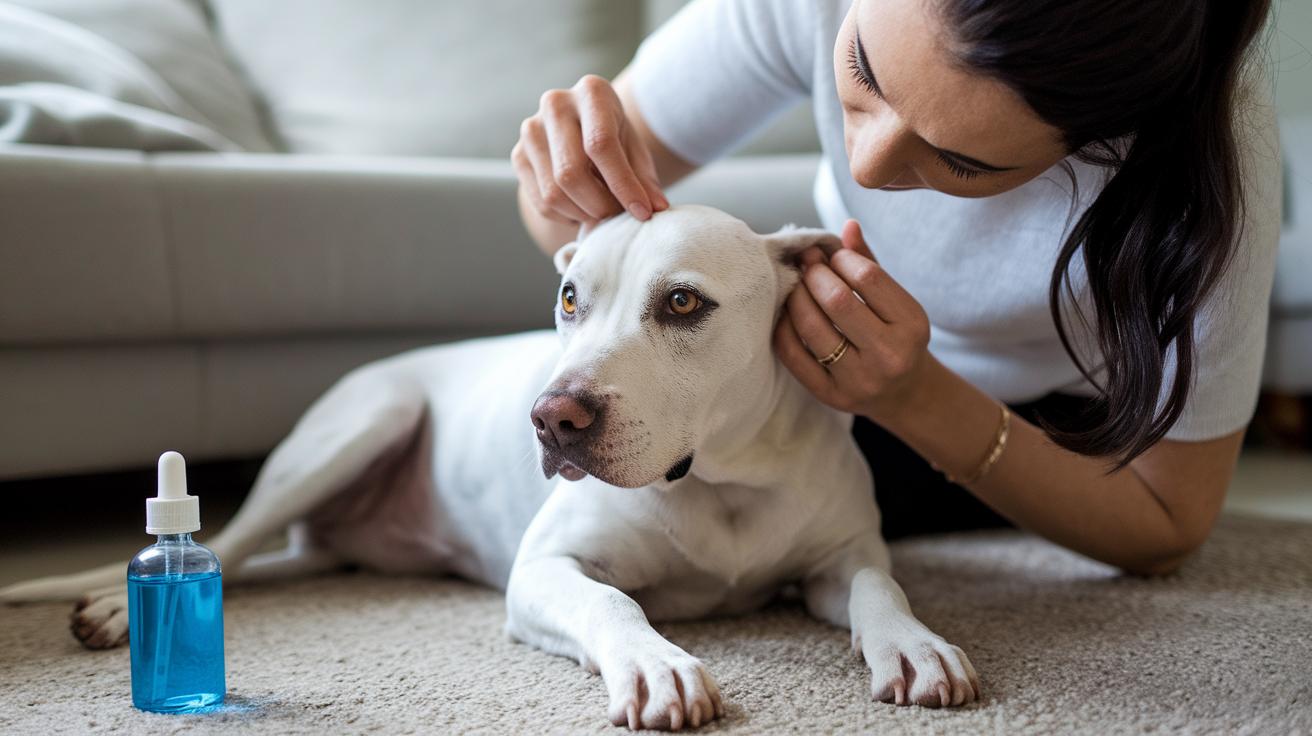
Dog ear infections, known as otitis externa, often happen because of bacteria, yeast, tiny ear mites, foreign objects, or moisture that gets trapped inside. When you see signs like head shaking or scratching, it’s best to act right away. Ignoring these early clues can lead to bigger problems, like hearing loss or a burst eardrum. It's a bit like spotting a small stain on your shirt before it sets in permanently. I remember when Max started shaking his head every few minutes, his owner quickly took a closer look.
Natural treatment approaches work by boosting your dog's natural defenses. Simple home remedies, like diluted apple cider vinegar or coconut oil, can balance the ear’s pH (that's just a way to say they help even out the natural levels) and soothe the irritation. But if that isn’t enough, medicated options, like over-the-counter ear cleaners or prescription drops, directly fight the germs causing the infection. Sometimes, a light infection might clear up with gentle cleaning and natural oils, but if things persist, switching to medicated drops often speeds up recovery.
- Ear cleaning
- Gentle drying
- OTC ear cleaners
- Home remedies
- Commercial natural formulas
- Prescription drops
- Professional veterinary cleaning
The key is catching the problem early and choosing the treatment that matches how bad the infection is. Sometimes, a mix of treatments works best. A minor issue might get better with routine cleaning and natural formulas, but a stubborn infection could need a combination of cleaning, natural care, and prescription drops to help your dog’s ear heal properly.
Identifying Signs of Ear Distress in Dogs
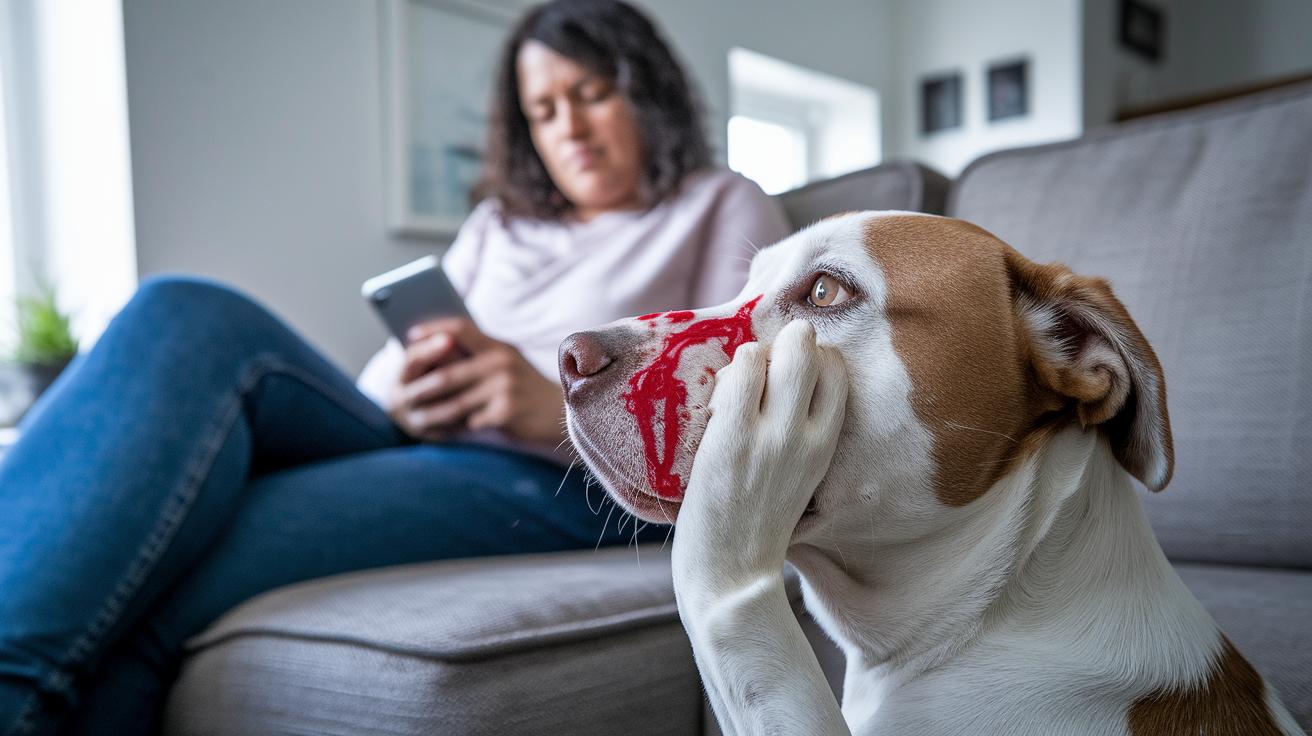
Sometimes our furry friends show they’re not feeling their best. If your dog shakes its head a lot or keeps scratching its ears, it might be trying to tell you that something is wrong. When you see your pup tilting its head or using its paw to rub its ear, it's a clear sign that there could be a problem.
You might also notice that the ear looks red or swollen, or that there is a sticky discharge. This fluid can be brown, yellow, or even a little bit bloody. These changes mean the ear is inflamed and might be heading toward an infection.
Smell is another important clue. If you catch a foul odor coming from your dog’s ear along with yellow-white crusts on the skin, it’s a strong hint that the issue could be more serious. It can be a bit like noticing food that has started to spoil.
When these signs show up together or seem to get worse quickly, it’s a good idea to visit your vet. If your dog keeps shaking its head or seems really hurt when you touch its ear, don’t wait. Getting help early can prevent more serious problems like hearing loss or a damaged eardrum.
At-Home Management and Natural Care for Canine Ear Infections
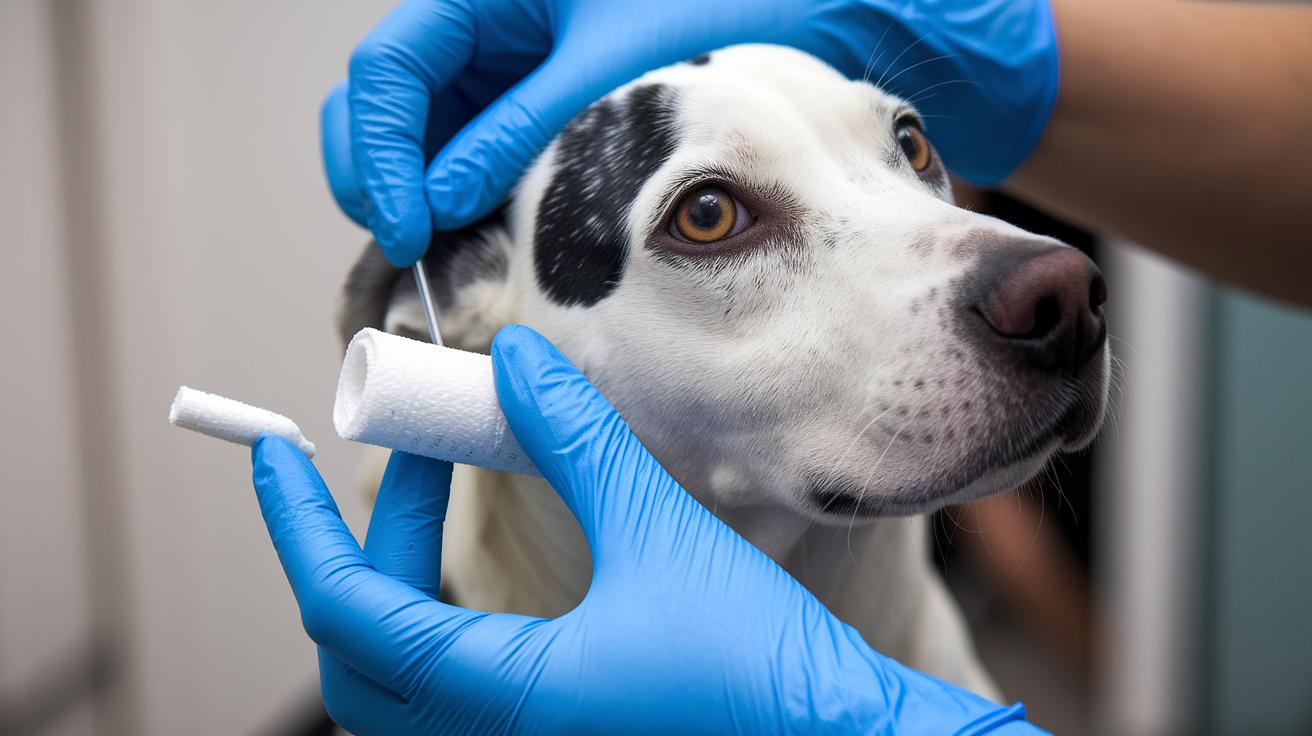
When your dog feels a bit uncomfortable in their ears, a soft approach can help keep their natural defenses strong. Using natural remedies like a mix of diluted apple cider vinegar or coconut oil can help balance the ear's pH and ease mild discomfort. Just be sure to use a cleaner approved by your vet, like the ones from Professional Pet Products. Also, it’s best to use soft gauze instead of cotton swabs, which might push any gunk further in.
Here’s a simple guide to follow:
- Start with a vet-approved cleaner.
- Mix a little apple cider vinegar or coconut oil with water until it’s diluted.
- Gently apply the mixture inside the ear and give it a light massage.
- Wipe away any extra liquid with soft gauze.
- Let the ear dry on its own completely.
Keep a close eye on your pet after this treatment. If you see a bit of improvement after a couple of days, that’s a great sign. But if you notice more redness, swelling, or discomfort, it might be time to talk to your vet about a medicated option.
Over-the-Counter and Prescription Medication Options for Dog Ear Infections
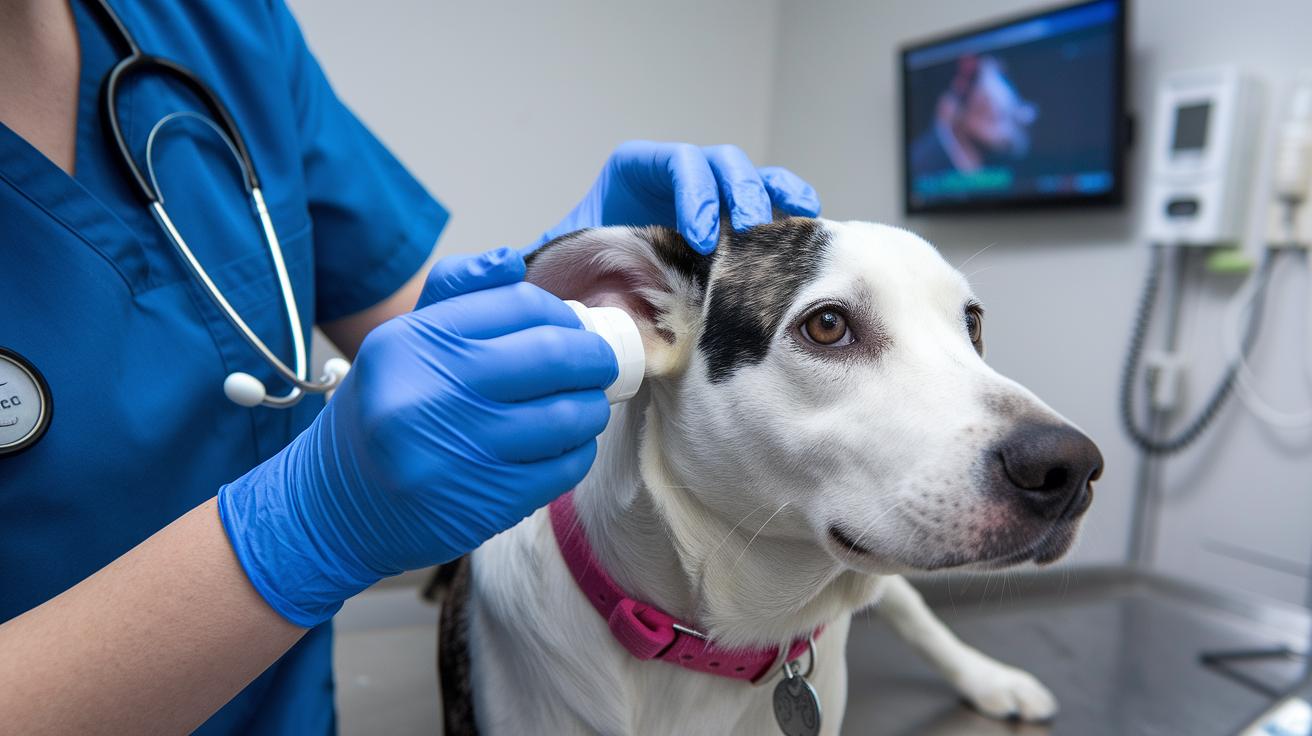
When your dog shows signs of an ear infection, your vet usually starts by gently flushing the ear with a medicated cleaner to remove any mess. For mild yeast issues, you might try over-the-counter ear care products that often contain helpful ingredients like salicylic acid or natural enzymes. These products work to lessen irritation and keep the ear clean.
If the infection is more serious, like a stubborn bacterial or fungal problem, your vet might prescribe treatments like antibiotic drops (for example, gentamicin), antifungal drops such as miconazole, or even anti-inflammatory ointments to relieve pain and swelling quickly. Choosing the right treatment depends on the kind of infection and its severity, which helps your pet feel better fast and prevents the problem from getting worse.
| Medication Type | Active Ingredient | Purpose | Administration |
|---|---|---|---|
| Medicated Cleanser | Various antiseptics | Clean debris and lower infection risk | Ear flushing procedure |
| Antibiotic Ear Drops | Gentamicin (example) | Eliminate bacterial pathogens | Direct ear application |
| Antifungal Ear Drops | Miconazole (example) | Combat yeast and fungal growth | Direct ear application |
| Anti-Inflammatory Ointment | Steroidal compounds | Reduce inflammation and pain | Topical application |
It’s really important to follow the vet’s directions on dosage and the length of treatment. This helps stop the infection from coming back and keeps any germs at bay. Keep an eye on how your dog responds, and don’t hesitate to call your vet if you notice the symptoms not improving or getting worse. This careful mix of treatments lets your pet get safe and effective care while getting on the path to a quick recovery.
Preventive Hygiene and Routine Ear Care to Avoid Recurrence
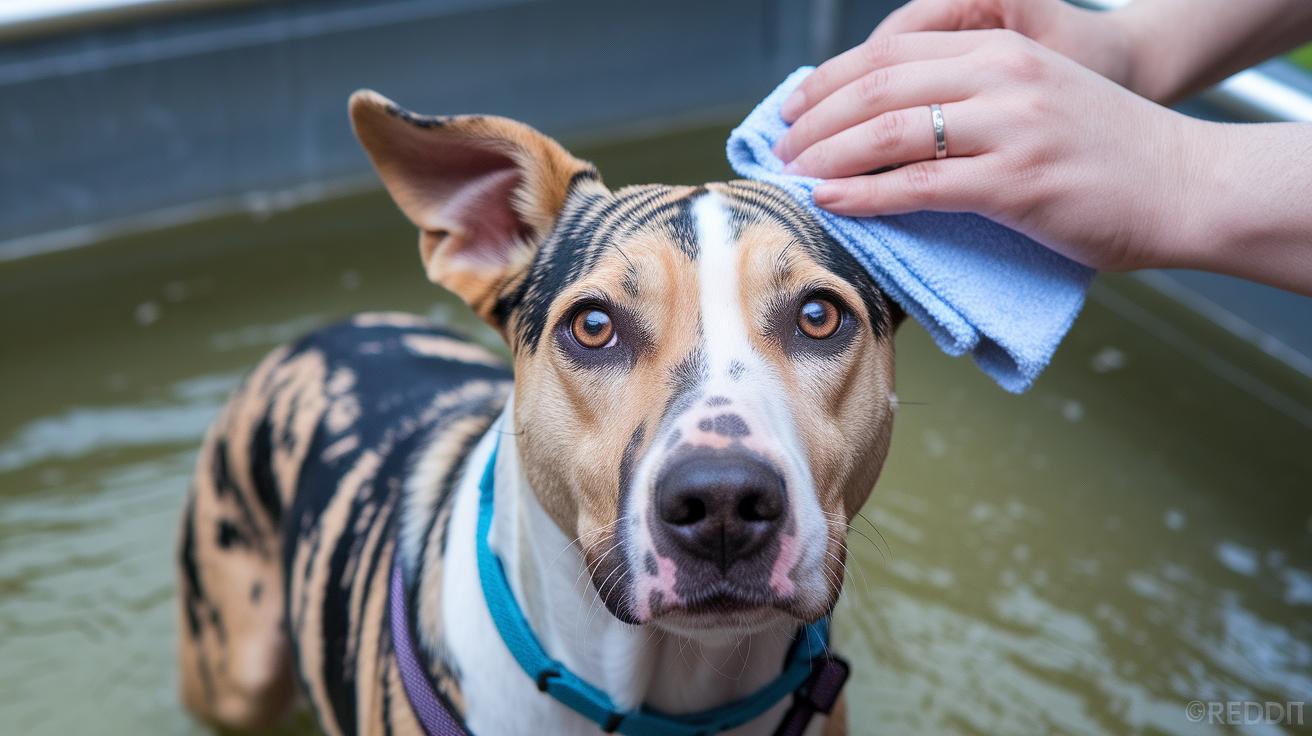
Make it a habit to check your dog's ears, especially after bath time or a refreshing swim. This simple step lets you spot any damp spots or early signs of irritation that might lead to trouble later.
Always use a mild ear cleaner recommended by your vet. Gently wipe your dog's ear with a soft cloth or gauze to clear away any dirt. This careful touch helps keep the ear canal safe without pushing debris deeper.
After cleaning, be sure to dry your dog's ears completely. Moisture can irritate the skin, so gently pat each ear dry and let a bit of fresh air help keep the area cozy and clear.
Regular grooming is a big help for healthy ears, too. Trimming the fur around the ear makes it easier for air to circulate, keeping the area drier and reducing the chance of infections coming back.
Finally, keep an eye on things around your dog. Allergies, damp weather, or even the natural shape of their ears can sometimes cause problems. With steady, gentle care, you can create a healthy ear environment that keeps issues away.
When to Seek Veterinary Care for Canine Otitis Externa
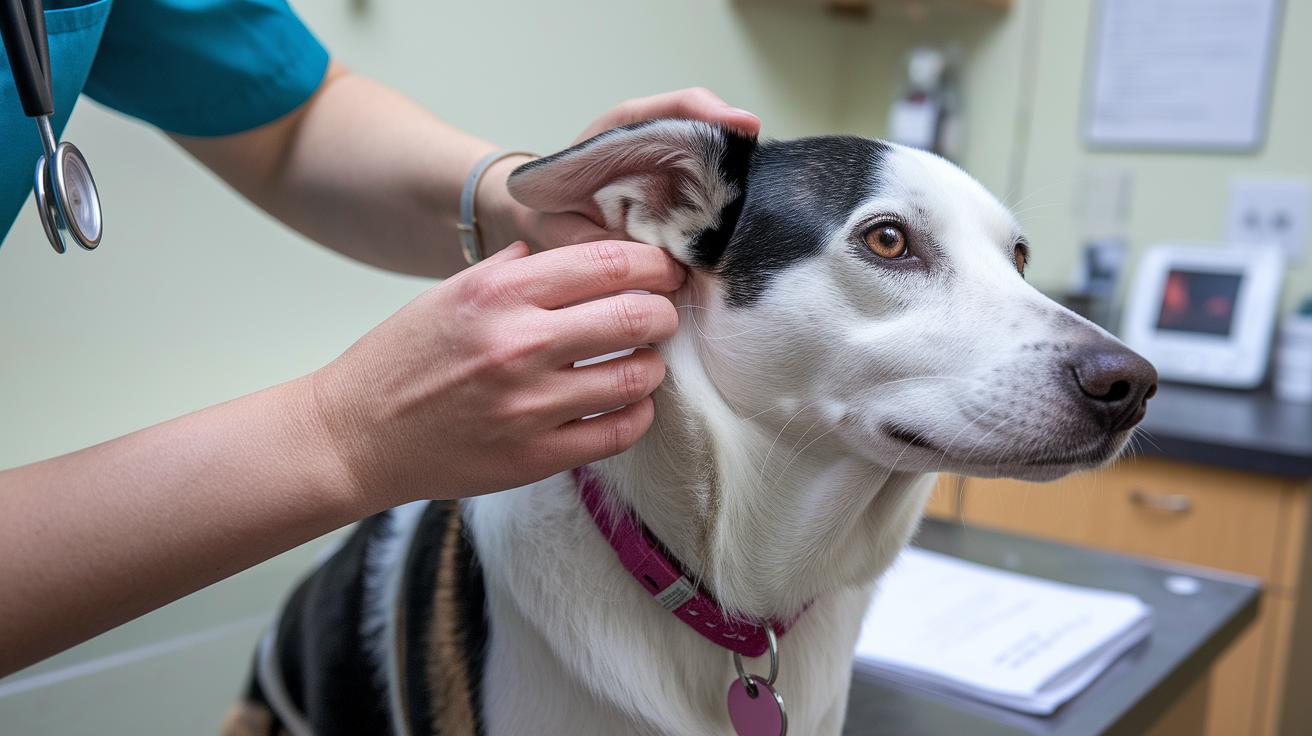
If your dog's ear problem keeps bothering it after three to five days of gentle home care, it might be time to see a vet. Sometimes simple cleaning and natural remedies just don’t cut it when the problem runs deeper.
Keep an eye out for red flags like sharp pain, a head tilt, or non-stop ear scratching. These can mean the infection is getting worse and might even cause issues like a damaged eardrum or long-term hearing problems.
At the vet’s office, they might do some tests, like looking at ear cells under a microscope or checking for germs, to figure out exactly what’s causing the issue. This helps them decide if it’s bacteria, yeast, or something else like ear mites or allergies.
Then, your vet will make a special treatment plan just for your pet, which could include ear drops, oral medicine, or more thorough cleaning. Taking care of the issue early can help protect your dog's hearing and keep your furry friend feeling better.
Final Words
In the action, we explored proven methods for dog ear infection treatment and easy at-home steps to keep your pet's ears happy and healthy.
We broke down natural remedies, proper cleaning, and when it’s best to turn to veterinary care, all to help you make confident choices for your furry friend.
Remember, taking care of your pet’s ears with care and consistency leads to better health and more joyful, tail-wagging moments every day.
FAQ
Q: What does dog ear infection treatment over the counter involve?
A: The dog ear infection treatment over the counter involves using mild, over-the-counter ear cleaners that help remove debris and soothe minor irritation. It’s meant for temporary relief until a vet can be consulted.
Q: How can I treat my dog’s ear infection at home without seeing a vet?
A: The dog ear infection treatment at home focuses on gentle cleaning using diluted solutions like apple cider vinegar or coconut oil. Always monitor for worsening symptoms and consult your vet if the condition persists.
Q: How much does dog ear infection treatment cost and what if I can’t afford a vet?
A: The dog ear infection treatment cost varies by severity and method. Affordable home remedies can help with mild cases, but if symptoms worsen or persist, seeking professional care is essential to prevent complications.
Q: What is the best antibiotic for a dog ear infection, especially without a vet?
A: The best antibiotic for a dog ear infection depends on the type of infection and should be prescribed by a vet. Over-the-counter options are not a safe substitute for a vet’s recommended medication.
Q: What are the common dog ear infection symptoms to watch for?
A: The dog ear infection symptoms include head shaking, ear scratching, redness, swelling, and discharge with an unpleasant odor. Recognizing these signs early can lead to quicker and more effective treatment.
Q: How should hydrogen peroxide be used for dog ear infections?
A: The dog ear infection treatment using hydrogen peroxide is not recommended since it can irritate sensitive ear tissue. Always use vet-approved cleaners and methods to avoid further damage to your dog’s ears.
Q: What medicine can I give my dog for an ear infection?
A: The medicine for a dog ear infection often includes vet-prescribed ear drops containing antibiotics or antifungals. Self-medicating without professional advice can be risky and may worsen the condition.