
Ever noticed how your dog keeps scratching? It might be more than just a funny habit. Allergies in dogs can really cause discomfort, from itchy rashes and hives to even a puffy, swollen face.
In this guide, we share some simple tips to help ease your pet's allergy issues. You can change a few daily habits and mix a bit of natural care with some quick medical help. Think of it like grooming your pet with a loving touch, making sure every pet-friendly moment is joyful.
So, ever imagine your dog playing without that annoying itch? Let's dive in and help your furry friend enjoy every day feeling happy and comfortable.
Comprehensive Strategies for Treating Dog Allergies
Dogs with allergies can show signs in many ways. You might notice red, irritated skin, scabs forming, or hives that appear within a day of exposure. Sometimes, even a swollen face can happen. Quick care is very important to help your dog feel better and avoid more trouble. For example, you can try keeping your pet away from allergens on days when counts are high or use flea medicine for flea-related issues. And if symptoms suddenly get worse, although a severe reaction like anaphylactic shock is rare, it’s smart to get help from your vet right away. Ever notice how a simple change of scene and fast action can help ease a flare-up faster than waiting for regular treatments?
Mixing natural care with medical treatment can work really well for dog allergies. Adding things like omega-3 fatty acids or probiotics (good bacteria that help your dog’s skin and overall health) can boost your pup’s immune system. At the same time, dietary changes and focused flea control tackle the exact triggers. This combination gives your dog quick relief and long-term help. By paying attention to your dog’s unique reactions, you can tailor a plan that truly fits their needs.
Identifying Triggers and Symptoms of Dog Allergies

Keeping a close eye on your dog's symptoms is really important when dealing with allergies. Try keeping a daily journal where you note any changes in behavior or appearance, this can help you spot issues early. For example, if you see red patches on your dog’s skin or notice constant scratching after a walk, these might be clues that it's time to adjust their treatment. Recording these details helps you and your vet find the best way to ease your dog’s discomfort.
Different triggers can show different signs. Outdoor allergens like pollen or dust mites might cause hives or swelling around the face and ears within a day, while food allergies often bring along tummy troubles and skin irritations. Noticing the differences between days your pet spends outside versus mostly indoors can help you tell which allergies are affecting them.
Over time, keeping track of when your dog shows symptoms can really help pinpoint the allergen. Write down details like the timing of symptoms, outdoor activities, and meal times. For instance, if your dog starts itching or develops red, scabby skin a day after a meal or a walk in a pollen-heavy area, it could be a hint about the allergen. With these observations, you can adjust daily routines to help your dog feel happier and healthier while managing their allergies better.
Natural and DIY Remedies for Canine Allergy Relief
Holistic pet care uses natural ingredients to boost your dog's immune system and help ease allergy symptoms. These simple methods not only calm the itch but also support healthy skin and a happy tummy. For example, omega-3 fatty acids can keep your dog's coat shiny and strong, while herbs like turmeric, nettle, and echinacea help guide their immune system in a gentle way. By choosing these natural options, you can lessen your dog's discomfort without always needing strong medications. It's really wonderful how a few home-made remedies can make your furry friend feel at ease, almost like a soft breeze on a sunny day.
- Baking soda bath to calm itching
- Oatmeal rinse to soothe the skin
- Apple cider vinegar soak to ease inflammation
- Diluted chamomile or green tea spray for relief
- Coconut oil applied to irritations
- Cool compresses on sore spots
- Probiotic supplements to support gut and skin health
Before trying any herbal supplements or new remedies, it’s a good idea to chat with your vet. They can help figure out the best choices for your dog's needs, especially if the allergies are strong or there are other health issues. Working together with a professional makes sure these home treatments safely go along with any other care, keeping your pet on the path to feeling happier and healthier.
Veterinary Treatments and Medication Options for Dog Allergies
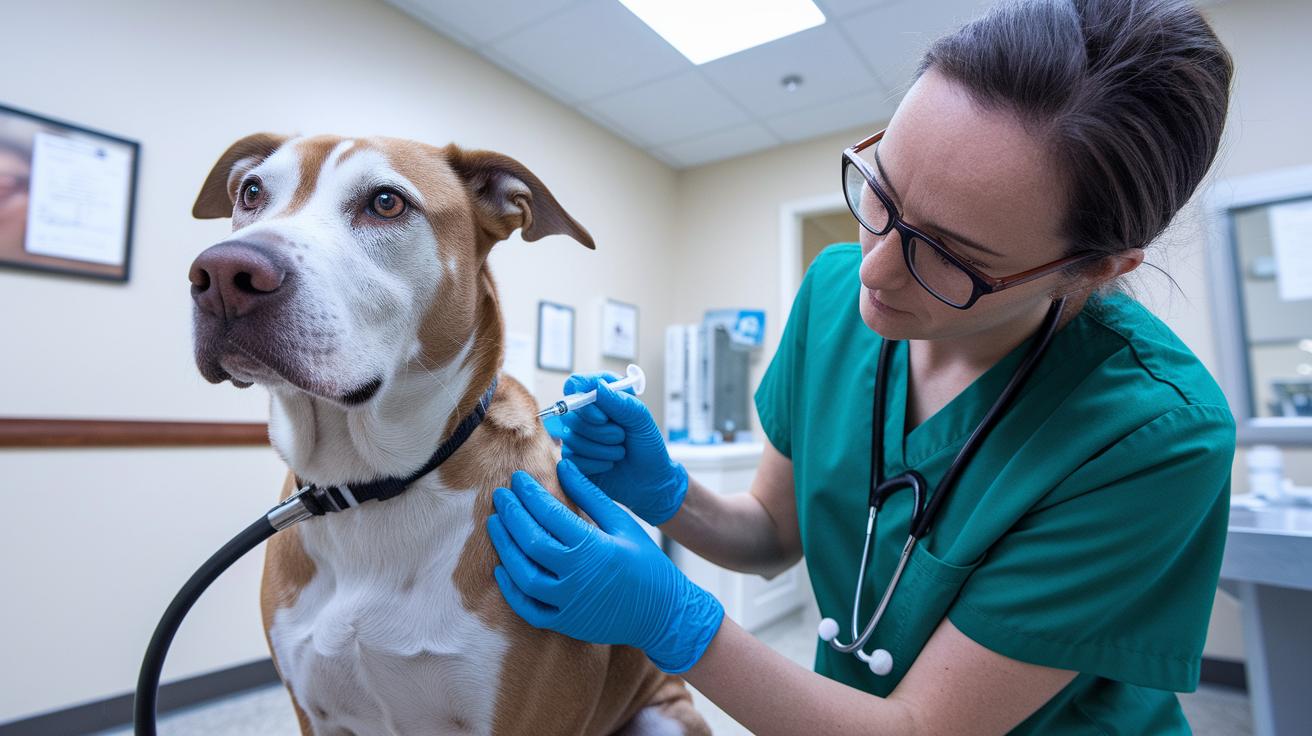
Sometimes natural remedies and changes around the house aren’t enough to help your dog when allergies act up. If you notice your furry friend scratching a lot or having swollen, irritated skin that makes them uncomfortable, it might be time to consider medication from your vet. Allergy tests, done with skin or blood panels, can often guide your vet in choosing the right medicine to help your dog feel better.
Antihistamines
Antihistamines are usually the first stop when you need quick relief. Many pet parents use common types like diphenhydramine and cetirizine. For example, diphenhydramine is given about 1 mg for each pound your dog weighs every 8 hours. The dose is based on your dog’s weight to help avoid giving too much, and it works by blocking the chemicals that cause those annoying allergy signs. You might see a few side effects like your pooch getting a bit sleepy, having a dry mouth, or sometimes even panting lightly. Keep an eye on your dog and talk with your vet if anything seems off.
Steroids & Immunotherapy
If your dog’s allergies lead to strong inflammation or the antihistamines just aren’t enough, your vet may suggest corticosteroids. These work pretty fast to calm the inflammation but are usually given only for a short time because they can lead to side effects like extra thirst and more panting. On the flip side, immunotherapy, or allergy shots, offers a way to help your dog over a longer period. With allergy shots, your dog gets small doses of the allergens over time, which can help their body learn to handle them better. This process typically takes several months, and your vet will check up regularly to ensure everything is working smoothly.
| Medication Type | Typical Dosage | Frequency | Common Side Effects |
|---|---|---|---|
| Antihistamines (Benadryl) | 1 mg per lb | Every 8 hours | Sedation, dry mouth |
| Non-drowsy Antihistamines (Cetirizine) | Based on weight | Once daily | Drowsiness, occasional GI upset |
| Corticosteroids | Varied dosages | Daily then tapered | Increased thirst, panting |
| Immunotherapy (Allergy Shots) | Individualized dose | Weekly, then monthly | Injection site reactions |
Dietary Strategies and Supplements to Manage Dog Allergies
Taking care of your dog's diet is one of the best ways to manage allergies. A thoughtful meal plan can boost your furry friend’s immune system and cut down on common food triggers. Imagine switching to a hypoallergenic dog food made with unique proteins like duck or venison, it can really help reduce itchy skin and tummy troubles. When you change your pet’s food, you’re giving them a little extra support against allergies.
A handy method to figure out food triggers is the 8–12 week elimination diet. This means taking away common proteins from your dog’s meals to see if their symptoms, like red and itchy skin, get better. Many pet parents have found that moving to a special hypoallergenic commercial diet makes all the difference. Keep a close eye on your pup during this time to see if the changes make them feel more comfortable.
Don’t forget about the power of supplements for your dog’s skin. Adding omega-3 fatty acids and probiotics to their meals can really help keep their skin strong and healthy. Some brands, like Hill’s Derm Complete, mix these helpful ingredients with phytonutrients to ease allergy symptoms even more. For those who love a hands-on approach, check out vet-approved homemade dog food recipes or look for the best dog food options for allergies with your vet’s advice. Enjoy making small changes that can lead to a big difference in your pet's well-being!
Preventive Home Measures for Long-Term Allergy Control in Dogs
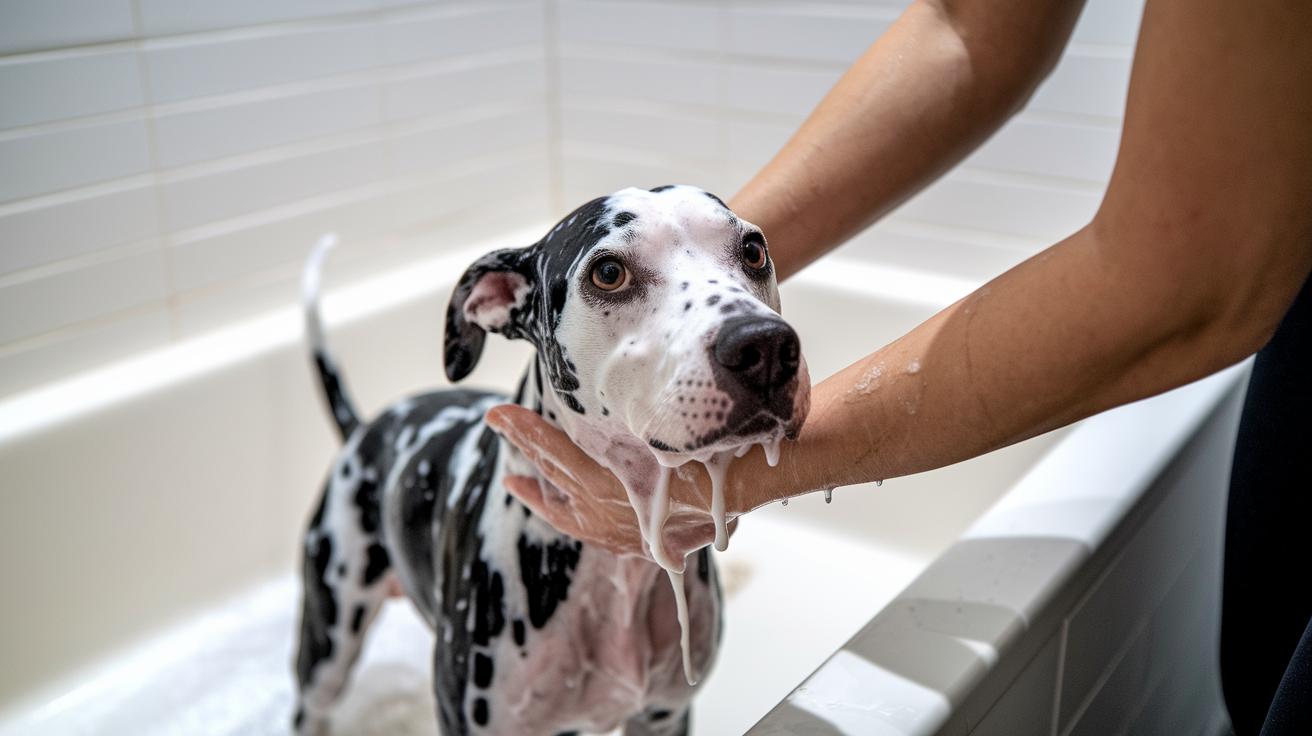
Keeping your dog free from allergens is a simple way to help them stay happy and healthy. Small changes like regular cleaning can reduce dust, pollen, and other irritants that might upset your furry friend. For example, a bath with a gentle, pH-balanced, non-toxic shampoo paired with hypoallergenic bedding washed in hot water can make a big difference. It’s pretty neat how these little adjustments can lower allergy flare-ups at home.
Regular grooming and cleaning play a big role in keeping allergens at bay. Frequent vacuuming and steady flea control help remove dander and dust that can bother your pet. Ever thought about a HEPA air purifier? It traps pollen and tiny particles that float in the air, another handy tip for a cleaner indoor space. Some pet lovers even use humidity tools to keep the air just right, which can lower allergens even more. Just imagine the relief of knowing that a fresher home is just a few steps away.
By making these habits part of your daily routine, you can better manage dog dander and other allergens. Keeping your pooch indoors during peak allergen times also helps reduce contact with outdoor irritants. Step by step, you create a cozy, allergy-friendly space that nurtures your dog’s well-being every day.
When to Seek Veterinary Care for Dog Allergies
Keep an eye on your dog if you notice signs like ongoing hives, swelling around the face, eyelids, or throat, and even trouble breathing or collapse. These signals show that your pet’s body is overreacting. And if these symptoms get worse quickly, it might be time for an emergency vet visit. Your dog could need quick care with treatments like a dose of special medicine, IV fluids, or extra oxygen to help them stabilize.
Your veterinarian will use simple tests, like skin checks and blood work, to find out which allergen is causing the problem. This helps them create a care plan that fits your dog just right. Always be ready to head to the vet if your pet seems distressed. Quick treatment can help avoid more serious issues later on. Plus, knowing that emergency care might cost more can remind you how important it is to plan ahead so you and your furry friend are always prepared for any sudden flare-ups.
Final Words
In the action, the article explored key tactics, from tracking symptoms and natural home remedies to using vet-approved treatments and smart dietary choices. It’s all about combining immediate care with long-term strategies to ease your pet’s discomfort while keeping safety at the forefront.
By blending routine prevention with both natural and medical approaches, you can confidently boost your pet’s overall well-being. Remember, when it comes to treating dog allergies, every small step matters for a happier, healthier pup.
FAQ
Dog skin allergy treatment, home remedies for dog allergies, and how to treat them at home
Dog skin allergy treatment with home remedies involves using gentle, natural solutions—like oatmeal baths, cool compresses, and baking soda rinses—to soothe irritated skin. Always follow up with your vet for tailored advice.
How to stop dog allergies immediately
How to stop dog allergies immediately means delivering quick relief through cool rinses and approved antihistamines under veterinary guidance. Prompt care helps ease discomfort while you monitor your dog’s response.
My dog has allergies; what can I give him for allergies and itching
My dog has allergies; what can I give him involves using vet-recommended antihistamines or natural supplements such as omega-3 fatty acids to reduce itching and irritation. Always confirm safe dosages with your vet.
How to treat environmental allergies in dogs
How to treat environmental allergies in dogs includes reducing exposure to allergens by keeping your pet indoors during peak pollen times and using regular baths to remove irritants. Your vet can recommend specific medications, too.
Dog seasonal allergies: symptoms
Dog seasonal allergies symptoms often include red, scabbed skin, persistent itching, and hives. Recognizing these signs early can help you seek prompt, effective treatments that keep your dog comfortable.
Is Zyrtec or Benadryl better for dogs?
Is Zyrtec or Benadryl better for dogs depends on your pet’s needs; some dogs respond better to one or the other. Always consult your vet to determine the safest choice and proper dosage for your dog.