
Ever wonder if giving your pet raw food might make them feel more alive? A lot of pet parents believe that nature’s simple meal plan can lead to a shiny coat, strong teeth, and loads of energy.
The raw food diet is made up of lean meats, fresh organs, and raw bones. Think of it like a natural spa day for your furry friend, where every bite is crafted to help keep them feeling great.
By sticking to what nature intended, this diet may boost your pet’s overall well-being. Imagine your pet ready for non-stop adventures at the park, full of energy and joy.
Raw Pet Food Diet Explained: Core Concepts and Benefits

The raw pet food diet is all about giving your pet meals filled with top-quality proteins and heart-friendly fats like Omega-3. You know, it means serving lean meats, fresh organs, and raw bones that work together to keep your furry friend healthy and energetic, almost like they're all set for an extra-long park adventure.
Fans of this approach say that pets have firmer and smaller stools since they avoid all those fillers found in processed foods. Many pet owners also notice that healthy fats bring a lovely shine to a pet’s coat. Picture running your hand over a cat's soft, smooth fur, it really feels like giving them a little spa day. Plus, chewing on raw bones can help clean teeth naturally and boost gum strength.
This way of feeding mimics what nature planned for our pets by following their ancestral eating habits. Combining meat, bones, and organs, plus a little plant matter, helps give pets exactly what they need. With a raw food diet, your pet might enjoy better weight control and a stronger immune system since they’re getting food without any extra fillers. Fun fact: In the wild, canines thrived on whole prey diets, balancing every nutrient needed for a vibrant life.
Nutritional Breakdown of a Balanced Raw Pet Food Diet
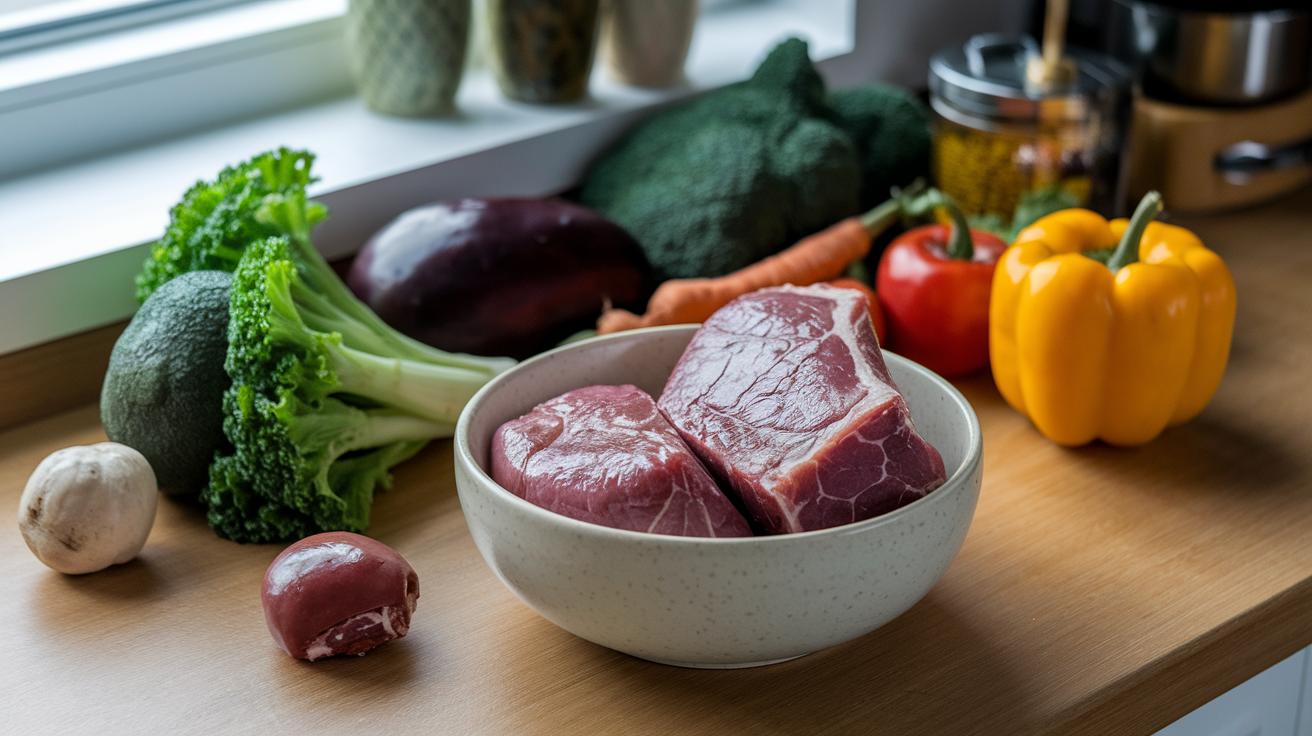
Muscle meat forms 70% of this BARF diet. It’s the main source of protein and moisture, giving your pet all the building blocks for strong muscles. Think of it as a hearty meal that fuels your furry friend’s energy, just like getting ready for a fun romp at the park.
Raw edible bones make up around 10% of the diet. They pack in calcium and phosphorus, which help build strong bones and naturally clean your pet’s teeth as they chew. It’s like having a mini dental care routine built right into each crunchy bite.
Liver is included at 5%, offering a rich source of vitamin A along with water-soluble vitamins. This little organ works like nature’s multivitamin, helping to support good vision and a healthy immune system, almost like a gentle boost to keep those bright eyes shining.
Other organs, such as kidneys and spleen, also add 5% to the mix. They bring in extra minerals and trace elements that round out all the essential nutrients your pet needs for long-lasting health. Think of it as an extra dose of nature’s best micronutrients.
Vegetables contribute about 7% and are best enjoyed when puréed, lightly steamed, or fermented. This method helps release their natural goodness, making them easier to digest and adding a burst of flavor that supports overall vitality, like a fresh, light mix in your pet’s meal.
Seeds and nuts hold a small but important spot at 2% of the meal. They deliver vital fatty acids and fat-soluble vitamins that help keep your pet’s coat shiny and skin healthy. It’s just a sprinkle that elevates every bite.
Lastly, fruit makes up around 1% of the diet. Even though it’s small, it offers antioxidants that help protect your pet’s cells. This little hint of sweetness is a smart way to add extra nutrients without too much sugar.
| Component | Percentage | Key Nutrients |
|---|---|---|
| Muscle Meat | 70% | Proteins, water-soluble vitamins |
| Raw Edible Bones | 10% | Calcium, phosphorus |
| Liver | 5% | Vitamin A, water-soluble vitamins |
| Other Organs | 5% | Minerals, trace elements |
| Vegetables | 7% | Phytochemicals, vitamins |
| Seeds and Nuts | 2% | Fatty acids, fat-soluble vitamins |
| Fruit | 1% | Antioxidants |
Managing Risks and Safe Handling for Raw Pet Food Diets

Raw pet food can sometimes come with risks like Salmonella and E. coli. One way to lower these risks is by using high-pressure processing, which works a bit like a deep cleaning that leaves no hidden mess. Always keep your ingredients in a sealed container at 40°F or below. Using fresh and well-chilled items helps keep harmful bacteria away. If you're working with meats, use them within five days if fresh or freeze them right away.
When you need to thaw meats, put them at the back of your refrigerator. This cool spot slows down bacterial growth, making your pet’s meal safer. Little steps like this really add up.
Here are some simple tips to keep raw pet meals safe:
- Store all ingredients in tightly sealed containers at or below 40°F.
- Thaw meats only in the back of the refrigerator so they stay cool.
- Always wash cutting boards, utensils, and other surfaces with a pet-safe disinfectant.
- Toss any uneaten portions after one hour and clean bowls between feedings.
Being extra clean in your kitchen is key. Think of it like preparing a special meal for someone you love. When you keep your surfaces and tools clean, every meal stays both safe and full of nutrition for your pet.
Step-by-Step Transition Plan to a Raw Pet Food Diet
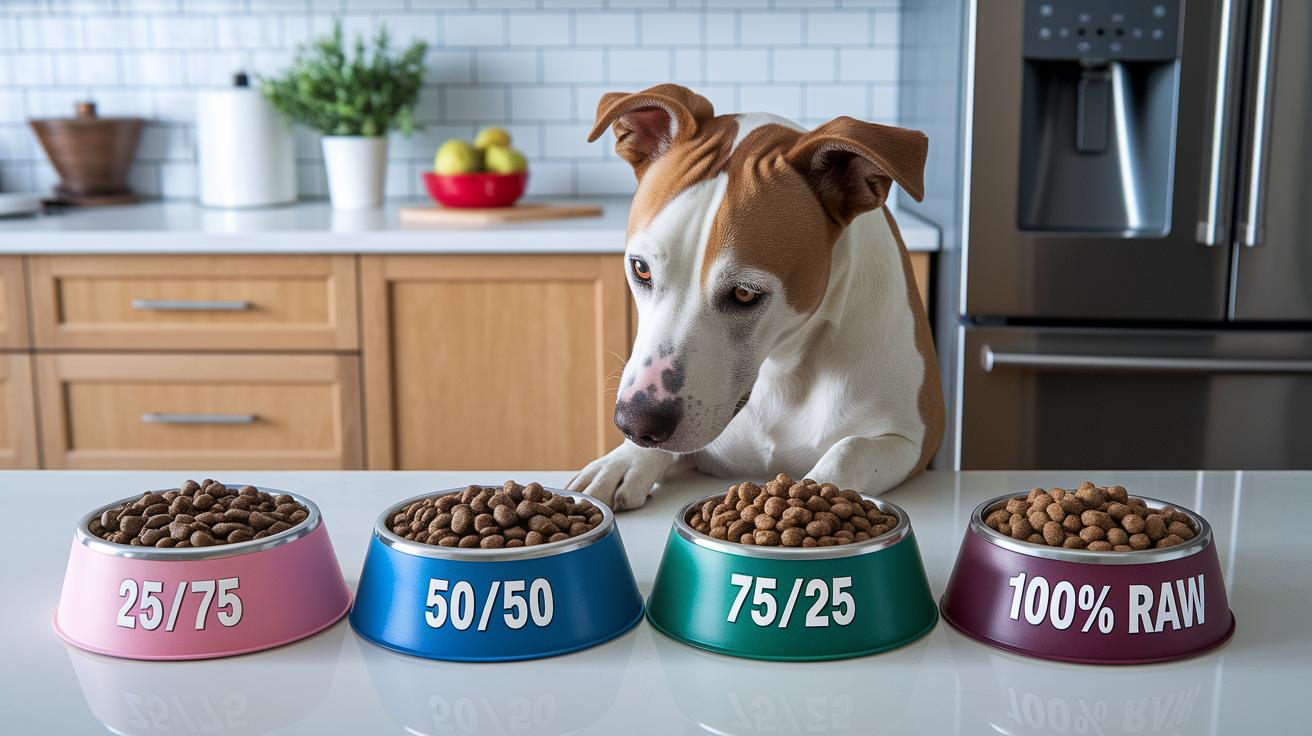
Start by gently introducing raw food into your pet’s regular meal. For the first three days, mix just a little raw food, about 25% raw to 75% of your pet’s usual feed. Think of it as slowly adding a new ingredient to a well-loved recipe so that your pet’s tummy can adjust without any worries.
Next, for days four through six, try a balanced mix by giving half raw food and half of their current meal. This step is like mixing a fresh twist into your pet’s favorite dish while keeping things familiar.
Then, from days seven to nine, bump up the raw food to 75%, leaving only 25% of the old diet. At this point, your pet’s digestive system starts getting used to the new flavors, almost like turning up the heat in the kitchen until everything blends perfectly.
Finally, by day ten, serve 100% raw food. As a handy tip, aim to feed your pet around 2-3% of its body weight each day, and adjust that amount based on their age, energy, and needs. Enjoy watching your pet thrive on their new, natural meal plan!
DIY Raw Pet Meal Recipe Ideas and Planning
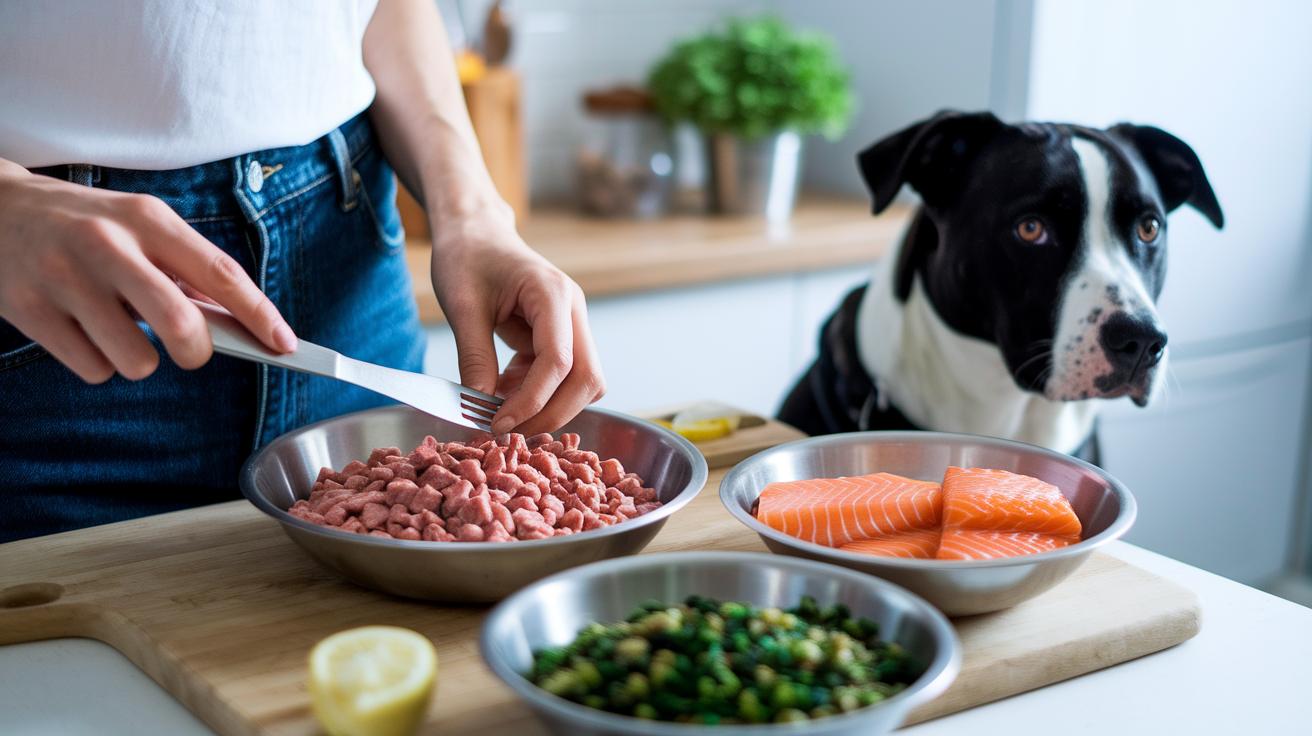
Cooking raw meals at home for your pet can be both fun and fulfilling. Imagine whipping up a meal that’s as fresh and unique as your furry friend. This guide shares some favorite meal ideas that blend great taste with healthy nutrition while also keeping an eye on costs.
When choosing raw meats, options like Salmon & Ocean Fish, Kangaroo with Sweet Potato, Chicken & Turkey, and Lamb & Ancient Grains are excellent choices. These mixes offer various protein sources and even include novel proteins, like Got Beef and Roo’s Clues, to help with sensitivities. You might also come across Eco Woofer BSFL, which is specially made for pets with unique dietary needs.
Cost matters too. You can find raw meal recipes ranging from a simple lean protein dish at about $59 to a high-energy mix boosted with Omega-3s at roughly $115. Think of each ingredient as part of a creative recipe designed to fuel your pet’s vitality. Picture your dog enjoying a meal where tender muscle meat pairs perfectly with lightly steamed greens, a true burst of natural goodness.
You can keep your kitchen experiments simple. Start by adding new proteins slowly. For example, mix a little of the Chicken & Turkey Blend into your pet’s regular food until they perk up with excitement at the new taste, just like trying a new snack for the first time.
Below are some DIY meal templates to spark your culinary ideas:
| Meal Template | Ingredients | Approx. Cost |
|---|---|---|
| Salmon & Ocean Fish Bowl | Muscle meat + 7% steamed greens | ~$104 |
| Kangaroo & Sweet Potato Mix | Novel protein + 1% berries | ~$115 |
| Chicken & Turkey Blend | Lean protein + 2% seeds/nuts | ~$59 |
| Lamb & Ancient Grains Fusion | Organ meat + 1% fruit | ~$99 |
Use these templates as a starting point for creating balanced, raw diets that suit your pet’s unique tastes and nutritional needs. Enjoy the process of mixing and matching flavors, your pet’s tail-wag might just be worth it!
Monitoring and Adjusting Your Pet’s Raw Food Diet Over Time

Keep a close watch on how your pet is doing. Notice things like how firm their stool is, whether their coat is shiny, if they maintain a healthy weight, and if they have plenty of energy and good teeth. These little signs let you know if the raw diet is working well or if some changes are needed. For example, if your pet starts having loose stools, it might be a hint that the mix of muscle meat and other parts needs a little adjustment.
It’s a good idea to jot down your observations in a notebook or on a simple app. You can note everyday details, like how your pet seems to have a little extra bounce in their step during a chilly winter walk or that they might need a bit more fat in their meals during the cold season to keep warm and full of energy.
Here are some handy tips:
| What to Track | Why It’s Important |
|---|---|
| Stool consistency, coat shine, weight, and energy | They tell you how your pet is reacting to the raw diet |
| Ingredient ratios during different seasons | For example, adding more fat in winter can help maintain warmth and energy |
| Notes reviewed every few weeks | Reviewing notes helps spot patterns and guide adjustments |
| Cost evaluations | While raw diets can seem expensive upfront, better health might lower vet visits over time |
Regularly checking these details helps you fine-tune your pet’s diet. This way, you make sure your furry friend gets just the right balance of nutrition while keeping your budget in check.
Expert Insights and Scientific Research on Raw Pet Food Diets
Recent studies tell us that puppies switching to raw diets often suffer less from skin issues like atopic dermatitis and chronic ear infections. It seems that feeding your pet unprocessed meals might give them smoother skin and help boost their immune system over time.
Scientists have also noted that Omega-3 fatty acids play a big role in keeping your pet’s coat shiny and their immune system strong. In simple terms, these special fats work like a gentle polish that brings out your pet’s natural glow while giving their body extra strength.
To address common worries about bacteria in raw pet food, experts now use a method called high-pressure processing. This process lowers the number of harmful germs in the food. One particular study compared old-fashioned methods with high-pressure techniques and found a big drop in dangerous bacteria when HPP was used. This means raw diets can be much safer for both pets and their people when cared for the right way.
Many veterinarians are now on board with raw feeding based on these findings, even though not every vet school spends a lot of time on pet nutrition. As more experts share their firsthand experiences and views, the talk about raw, unprocessed meals just keeps growing. In truth, when prepared and stored correctly, raw pet foods can help your furry friend thrive.
For even more ideas from professionals, take a look at Holistic Pet Nutrition at https://reipet.com?p=227. It's a great spot to learn more about feeding whole, natural meals that support long-term health.
Final Words
In the action, we explored the raw pet food diet and its benefits for energy, coat health, and overall well-being. We broke down a balanced diet, from muscle meat to veggies, and tackled safe handling and a smooth transition plan. We also shared creative DIY meal ideas and tips to adjust your pet’s diet over time. Expert insights backed the advice, showing how natural feeding can be both safe and beneficial. Embrace the journey and feel inspired to try a raw pet food diet for your furry friend’s best life.
FAQ
Q: What raw pet food diet recipes are available for pets?
A: The query about raw pet food diet recipes means you can try various meat-based blends, like chicken, turkey, lamb, or fish, mixed with small amounts of vegetables and fruits to recreate your pet’s ancestral meals.
Q: Where can I find a raw pet food diet PDF guide?
A: The question on where to find a raw pet food diet PDF means you can access digital resources online that offer detailed nutritional breakdowns, safety tips, and step-by-step recipes to help you start a healthy raw feeding plan.
Q: What scientific research supports the dog raw food diet?
A: The question on dog raw food diet scientific research means studies have shown that raw diets may improve coat condition, dental health, and digestion, while safety measures like high-pressure processing help reduce pathogen risks.
Q: How can I develop a raw pet food diet chart, plan, and menu?
A: The question on creating a raw pet food diet chart, plan, and menu means you can design a schedule that balances muscle meat, bones, organs, vegetables, seeds, and fruits to ensure your pet gets all the necessary nutrients.
Q: Are raw diets good for pets?
A: The question about raw diets being good for pets means many owners find that a balanced raw diet can lead to improved energy, healthier coats, smaller stools, and better overall well-being by mimicking natural ancestral feeding patterns.
Q: Why don’t vets commonly recommend a raw diet?
A: The question about why vets may not recommend a raw diet means some professionals worry about the risk of pathogens and the challenges of balancing nutrients, despite raw diets showing promising benefits when handled safely.
Q: What is the 80-10-10 rule for raw dog food?
A: The question on the 80-10-10 rule means that guideline suggests feeding dogs 80% muscle meat, 10% raw edible bones for minerals, and 10% organs or additional ingredients for vitamins and trace minerals to maintain a balanced diet.
Q: Do veterinarians recommend a raw diet for dogs?
A: The question on whether veterinarians recommend a raw diet means that while some vets support raw diets for their natural benefits, recommendations vary based on concerns about food safety and the need for balanced nutrition in each individual pet.