
Have you ever wondered if your pet’s past health problems might stop them from getting the care they need? It might sound risky, but there’s some good news.
In this guide, we break down what pre-existing conditions mean in pet health insurance. We explain why signing up early can really pay off and how making smart choices now might lead to better coverage later.
Even if your pet has shown symptoms before, you can still give them the loving, ongoing care they deserve.
Overview of Coverage for Pre-Existing Conditions in Pet Health Insurance

A pre-existing condition is any health problem that your pet already had, or that shows up before your insurance starts. Most companies won’t cover these issues if your pet had symptoms or a diagnosis before you signed up. But hey, there’s a twist, some insurers might cover problems that run in the family or are born that way, as long as your pet wasn’t showing signs when you enrolled. Picture this: during a routine checkup, a gentle heart murmur was noticed but never officially diagnosed until after you signed up. Depending on the provider, that situation might be looked at a bit differently.
Some health issues can be treated and might even become eligible for coverage after your pet stays symptom-free for a period, usually between 180 days and 12 months. On the other hand, long-lasting or chronic conditions that need constant care are mostly left out. Imagine a pet that shook off an ear infection and stayed healthy for six months, some insurers might then decide to cover that condition. Even if certain conditions aren’t covered, many plans still include preventive care like vaccines and regular check-ups, so your pet’s routine care isn’t left out of the picture.
Getting your pet insured early is a smart move. It helps avoid a situation where a new or developing condition ends up being classified as pre-existing. Always double-check what each provider specifically defines as a pre-existing condition. That way, you’re sure your pet gets the best preventive care while you navigate the details of coverage.
pet health insurance pre existing conditions: Hopeful Care
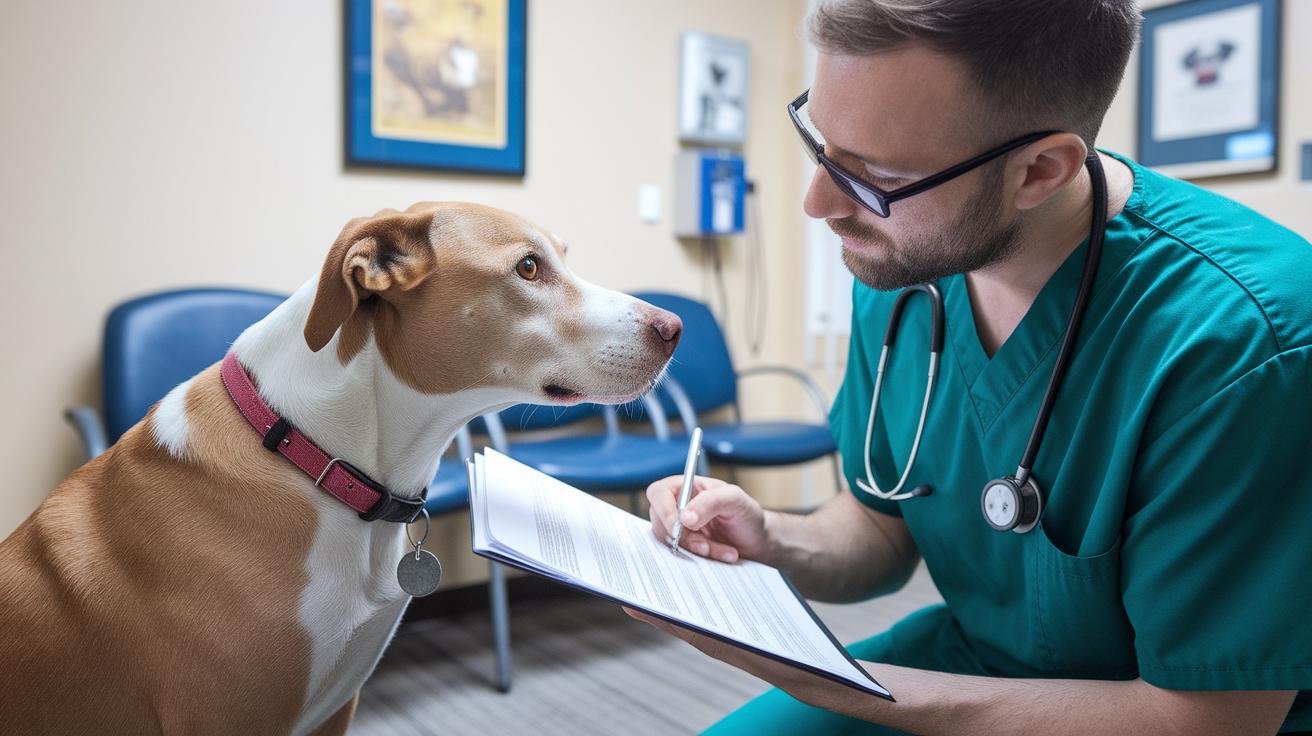
Insurers go through detailed vet records and listen to what you share about your pet's past health. They consider anything that showed up before coverage began, even a small sign like a slight eye irritation, as a pre-existing condition. They also make a clear cut between issues that can be fully cured, like an ear infection that clears up after a break, and ongoing problems that need constant care.
Lately, companies are sharpening how they assess these risks. They use clearer rules and real-life examples to spot if those little issues add up to something bigger. Imagine your pet with several minor concerns that hint at a deeper problem, insurers might adjust the policy accordingly. The good news is that many providers now take a more flexible approach, offering hope for new and unrelated issues after a full review.
Exclusions, Waiting Periods, and Limitations for Chronic Pet Conditions
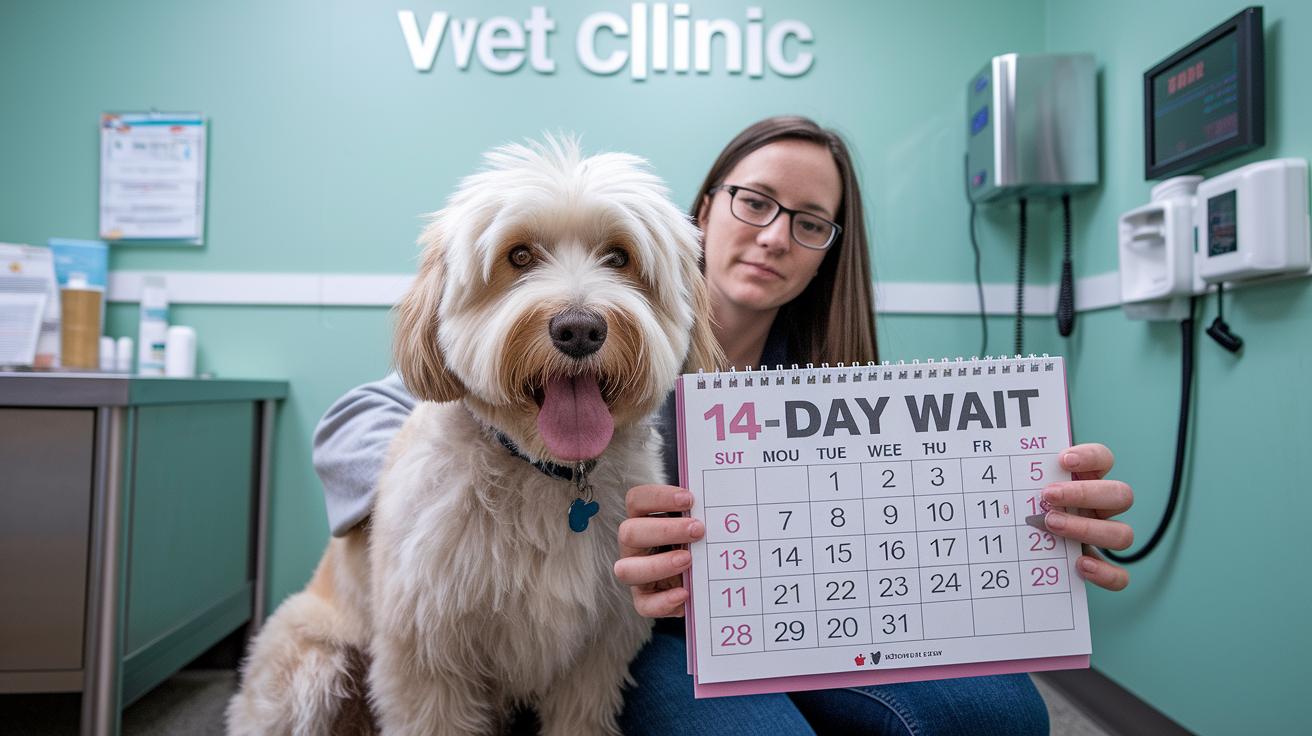
When you sign up for pet insurance, there’s usually a short wait before your coverage starts. For example, if your pet gets hurt, there might be a 14-day wait period before the plan kicks in. Illnesses are a bit different and can have waiting periods of 2 to 6 months. Conditions that your pet is born with or inherits can take even longer, up to 12 months. So if your pet has an injury right after you join, it might not be covered because it happens during this waiting time.
Changing insurance plans or having a gap in coverage can also affect your pet’s care. When you switch providers or experience a break in coverage, conditions that were being treated might suddenly be seen as already existing. This means that even though the condition was managed before, it might not be covered under the new plan. Imagine having a pet with a steady condition that suddenly becomes a no-go because of a coverage gap, that can be really frustrating.
Also, most insurers do not cover congenital issues (those your pet is born with) or any new symptoms that show up during waiting periods. Even if it’s just a small sign like a light cough or a tiny limp, it’s still counted. This ensures that only truly new conditions get covered under your plan.
pet health insurance pre existing conditions: Hopeful Care

If your pet has had some health bumps in the past, you know how tricky it can be to find the right insurance. Many companies simply won’t cover problems that started before you signed up, but a few do offer options for pets that have been ill. For example, some providers will cover conditions, both ones that can be cured and even some that can’t, if your pet has been symptom-free for a year. This option might not be available everywhere, though. And hey, there are also programs out there that help with ongoing care costs for pets dealing with long-term issues.
Next, let’s take a look at a handy comparison of some top carriers that could work for you:
| Carrier | Pre-Existing Coverage | Waiting Period | States Available |
|---|---|---|---|
| Guardian Paws | Excludes pre-existing conditions | 14 days for accidents, 2-6 months for illnesses | Most states |
| Healthy Tails | Covers curable conditions after a 12-month symptom-free period | 12 months | Select states |
| Pet Protect | Generally excludes; add-on options available | 2-6 months for illnesses | Most states |
| CarePet Plus | Provides limited coverage for hereditary issues | 180 days for stable conditions | Nationwide |
This side-by-side look shows how different policies can be when it comes to pre-existing conditions. While regular insurance plans might stick to strict rules, these special options are there to give you a bit of hope when your pet has a history of health issues. By checking out details like waiting periods and what exactly counts as pre-existing, you can pick a plan that fits your pet’s needs and gives you peace of mind during those challenging times.
Cost Factors, Premium Adjustments, and Deductibles for Chronic Pet Policies

Rising vet bills mean that premiums for pets can go up, especially if your pet already has health issues. When your pet has a condition like arthritis or diabetes, the insurer often bumps up the cost to help cover possible future vet visits. So, if you see any early signs of a chronic problem in your pet, expect that the price may rise a bit because of the extra risk.
Insurers look at lots of details when setting premiums. They check your pet’s age, breed, how serious the condition is, and even past claims. Older pets or breeds known for certain health issues usually come with higher rates. But you can lower your monthly cost by picking a higher deductible or adding extra options. It’s kind of like choosing the right ingredients for your pet’s favorite snack – you want the plan that best fits your pet’s needs.
Taking a close look at these factors helps you find a plan that fits both your pet’s health and your budget. By knowing how premiums and deductibles work, you’re not just looking after your pet, you’re also planning smartly for the future.
Application Process, Eligibility, and Pre-Certification Strategies for Pre-Diagnosed Pets

Starting your pet's insurance application early can really make a difference, especially if your buddy has had health issues before. Enrolling before any signs of trouble helps prevent a condition from being marked as pre-existing, and that means more coverage for your furry friend. It always helps to gather all your pet’s veterinary records so you know exactly what each insurer means by "pre-existing." Plus, be sure to find plans that welcome pets with a history and offer pre-certification options for ongoing problems.
Enroll as soon as you can so that new issues aren’t added to the list.
Make sure your pet’s vet records are complete and up-to-date.
Check how each insurer defines a “pre-existing” condition to know what’s covered.
Look for policies that accept pets with prior conditions and include pre-certification programs.
Keep your pet's coverage continuous so that previously managed issues don’t get labeled as pre-existing again.
Taking these steps will help ensure your pet gets the coverage they need right away, even with a past health history. By planning ahead, you'll enjoy a smoother claims process and more peace of mind as you care for your loyal companion.
Additional Riders, Wellness Options, and Managing Ongoing Pet Chronic Illnesses
When your pet needs extra care, optional riders can really help manage chronic conditions. They cover things like repeat tests, therapies, and special treatments that might not be part of a standard plan. Imagine needing regular scans or physical therapy sessions. These add-ons can ease the financial burden and help your pet stay comfortable.
Wellness plans are all about keeping your pet healthy with routine care. They cover vaccines, yearly check-ups, and monthly preventives. Even if your pet has chronic issues, these plans help prevent new problems from forming. Regular vet visits can catch issues early, which might mean avoiding more expensive treatments later.
Taking a proactive approach is key. Combining wellness care with optional riders, and maybe even tapping into financial help programs, can really balance the costs of long-term care. Stick to regular check-ups and follow your vet’s advice, and you’ll likely see better health for your pet and smoother claim processes over time.
Final Words
In the action, the post explored coverage for pre-existing conditions and how insurers assess your pet's medical history through detailed records. It broke down exclusions, waiting periods, and cost factors, while also comparing top carriers and outlining the application process. Insights on optional riders and wellness plans provided clear guidance for managing pet health challenges. Understanding pet health insurance pre existing conditions empowers you to make smarter choices. Enjoy the journey of ensuring a happier, healthier life for your furry friend.
FAQ
What is the best pet insurance for pre-existing conditions?
The best pet insurance for pre-existing conditions depends on your pet’s unique needs. Many insurers exclude these conditions, but some offer limited coverage after a symptom-free period, so check each policy carefully.
How much does pet health insurance cost for pre-existing conditions?
Pet health insurance for pre-existing conditions often comes with higher premiums due to increased risk. Costs vary based on age, condition severity, and policy specifics, so compare quotes to find the best fit.
How is pet health insurance for pre-existing conditions handled in Texas?
In Texas, pet health insurance for pre-existing conditions follows similar guidelines as other states. Many policies still include exclusions and waiting periods, making it important to review local policy details.
What do Reddit discussions say about pet insurance that covers pre-existing conditions?
Reddit discussions reveal that most pet insurance plans do not cover pre-existing conditions. Some alternative programs may offer limited coverage, so research reviews and policy terms before deciding.
What does AKC pet insurance say about pre-existing conditions?
AKC pet insurance generally excludes pre-existing conditions, though specifics can vary. It is best to examine the policy or speak with a representative to understand the exact coverage terms.
Can you lie about pre-existing conditions on pet insurance applications?
Lying about pre-existing conditions on pet insurance applications is not allowed. Providing false information can lead to denied claims and policy cancellation if discovered.
Do any pet insurances offer a no-waiting period for pre-existing conditions?
No pet insurance offers a no-waiting period for pre-existing conditions. Waiting periods are set to manage risk, meaning coverage for these issues usually begins only after a designated symptom-free time.
Is pet insurance worth it for pets with pre-existing conditions?
Pet insurance for animals with pre-existing conditions can still be valuable by helping offset future emergency costs. However, benefits vary, so consider your pet’s overall health needs and potential care expenses.
Are there any pet insurances that pay for pre-existing conditions?
Some pet insurances may cover curable pre-existing conditions after a required symptom-free period. Generally, chronic conditions remain excluded, so read the policy details to determine what is covered.
What qualifies as a pre-existing condition for pet insurance?
A pre-existing condition in pet insurance is any illness, injury, or health issue diagnosed or showing signs before the policy’s effective date. Insurers use veterinary records to make this assessment.
How do pet insurers check for pre-existing conditions?
Pet insurers review detailed veterinary records and owner-provided information to check for pre-existing conditions. This process helps them determine which conditions may be excluded from coverage.