Training
Dog Obedience Training: Transform Your Pup’s Behavior
By gilbertsmith
September 20, 2025
Field Notes
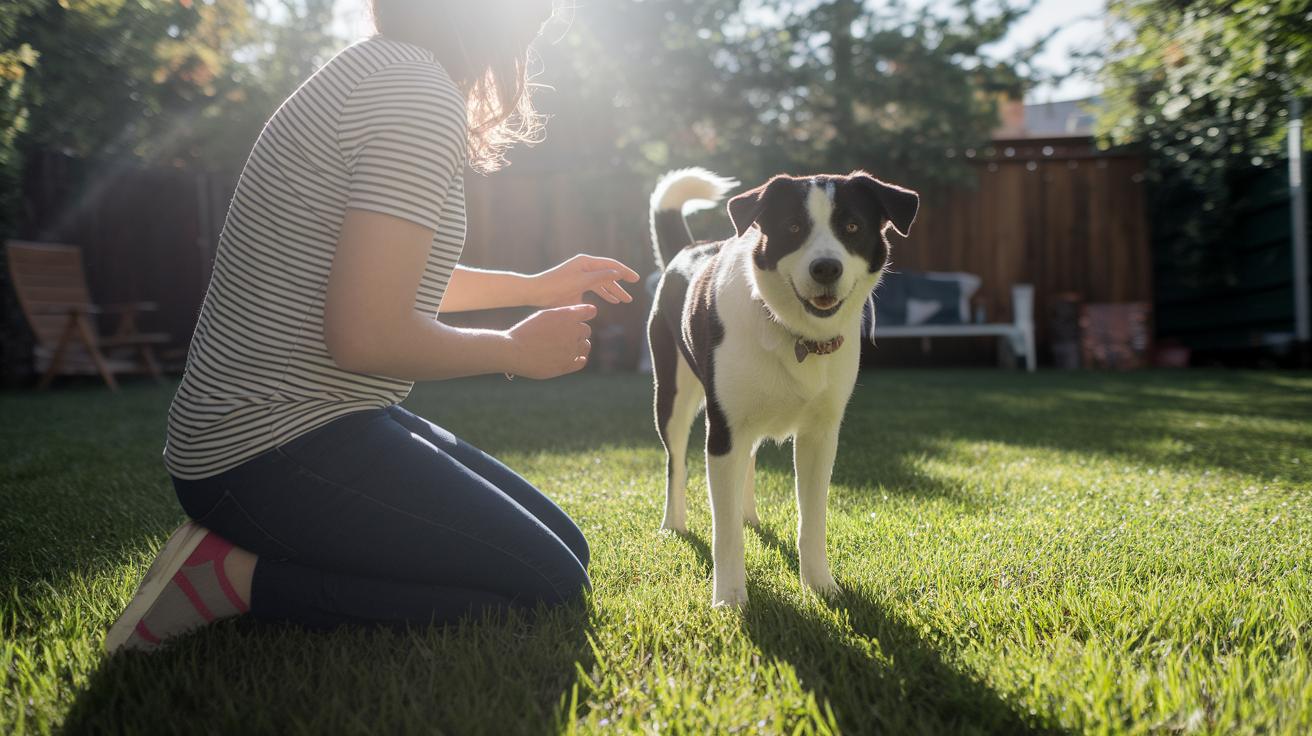
Have you ever noticed how your dog's lively energy could be channeled into calm, loving behavior? Obedience training uses simple, steady steps to build trust and guide those playful moments into peaceful routines.
By using clear commands and gentle rewards, you'll soon see a big change in your pup. It’s like setting up a strong foundation for a friend who’s confident and happy every day.
Isn’t it amazing how a few kind words and a treat can transform your buddy’s everyday actions?
Mastering Dog Obedience Training: A Step-by-Step Guide for Behavior Improvement
Training your dog well starts with a strong foundation built on small, steady steps. The LIMA method, short for Least Intrusive, Minimally Aversive, encourages you to use gentle, clear techniques that work with your dog’s natural instincts. At its heart, this approach relies on three things: simple basics, a clear plan, and plenty of patience. Whether you choose one-on-one guidance at home or try a dog training class or an online program, a structured plan really makes all the difference.
Here are five friendly steps to set up a positive training routine at home:
- Clearly say your commands in a calm, cheerful voice.
- Break each behavior into small, easy-to-learn parts.
- Practice the commands over and over in a quiet spot free of distractions.
- Reward your pup right away to build a strong link between action and praise.
- Slowly introduce challenges and distractions as your dog becomes more confident.
Each little step brings you closer to a happier, more obedient buddy. This fun and gentle training approach turns every session into an engaging moment that deepens the bond between you and your furry friend.
Essential Dog Obedience Training Commands: Core Skills Every Dog Should Learn
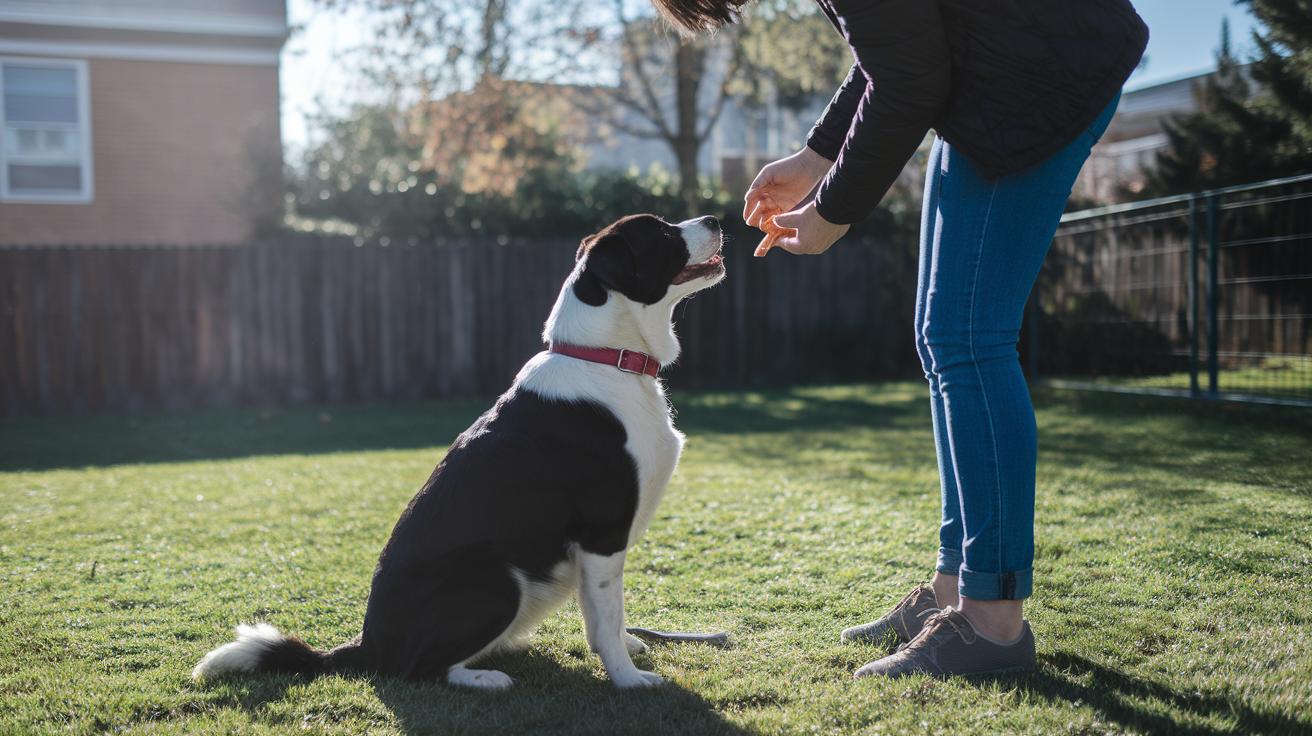
Kick off your dog’s training by teaching a few basic commands that form the building blocks of a well-behaved buddy. A solid start in obedience helps your furry friend handle everyday challenges smoothly. When you work through these commands, try teaching them in a clear order, like learning DOWN before SIT, to keep things simple. And hey, here’s a friendly tip: for LEAVE IT, only give a treat when your pup shows complete understanding.
- COME: This command calls your dog to come over quickly and safely.
- STAY: It tells your dog to stick around in one spot until you give the next cue.
- DOWN: Helps your dog relax and stay calm. It’s best to start with DOWN before SIT.
- SIT: A basic command that builds self-control and sharpens your dog’s focus.
- LEAVE IT: Stops your dog from snatching things they shouldn’t. Reward only after full obedience.
Using these key commands turns training into a fun, clear, and secure experience for your pet. When you keep things simple and steady, doesn’t it feel great to see your dog understand you every day?
Positive Reinforcement and Reward-Based Dog Obedience Training Strategies
Reward-based training works by tapping into your dog's natural wish to please you and feel recognized. In this approach, we follow the simple LIMA method, which stands for least intrusive, minimally aversive, to keep training gentle and free of harsh punishments. When your dog does something right, you celebrate that moment with a treat or praise, helping them understand exactly what behavior you want. Imagine your pup sitting on command and getting an immediate treat, it's like sharing a tiny victory together. This friendly method makes training fun for both of you while reminding us that there's no single "right" way to work with our pets.
Using positive reinforcement does more than build good manners, it boosts your dog's overall well-being. Here are seven great benefits of this approach:
- Motivation: It encourages your dog to try out new behaviors.
- Confidence: It helps your pet feel happier and more self-assured.
- Focus: It keeps training sessions engaging and easy to follow.
- Faster Learning: It speeds up how quickly your dog picks up new commands.
- Less Stress: It makes each session light and enjoyable.
- Better Bond: It strengthens the special connection between you and your furry friend.
- Long-Lasting Memory: It helps your dog remember good behaviors for a long time.
When you choose reward-based training, every session becomes a joyful experience that both you and your dog look forward to. And if you're searching for extra help, free eBooks and community tips offer real advice and personal insights, just another wonderful way to connect with your best friend.
Structured Dog Obedience Training Plans: Curriculum and Progress Tracking
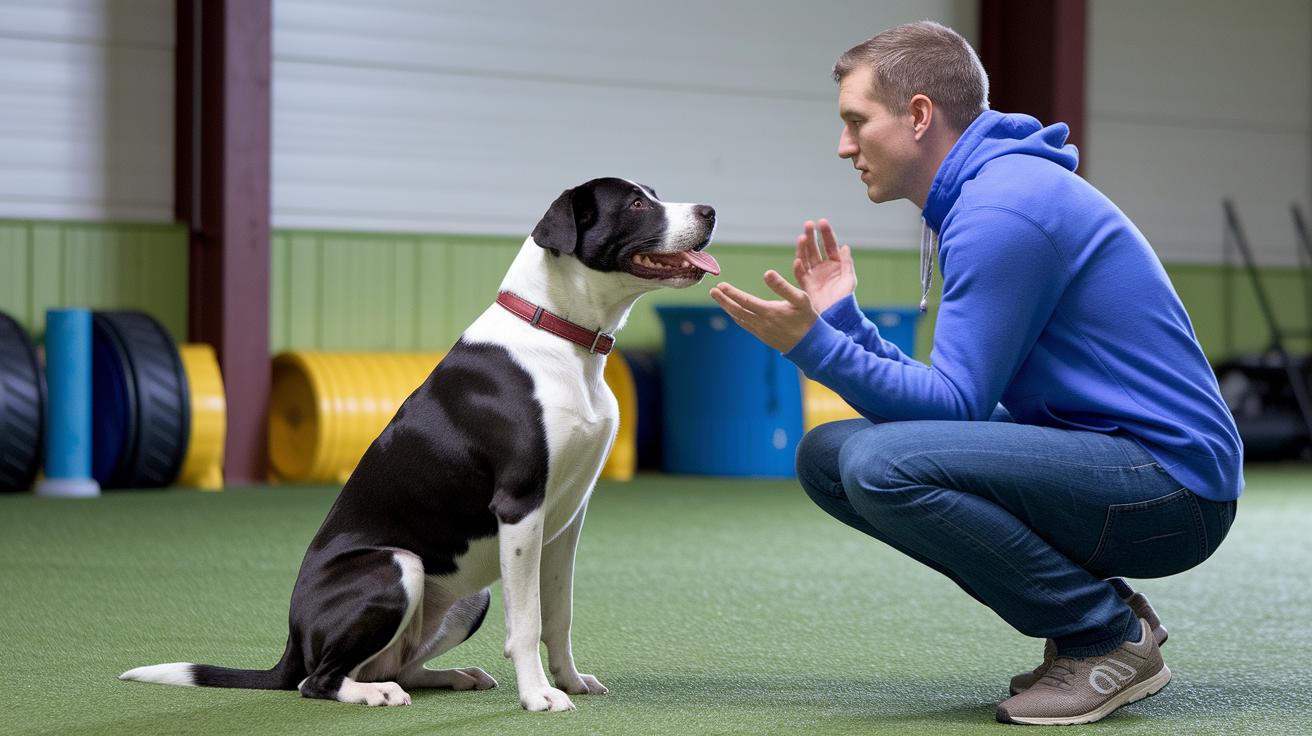
Building a clear training plan for your dog sets the pace for steady progress and fun learning. A simple plan helps you run sessions smoothly and see your pup’s improvements, one happy step at a time.
Start by picking a course that fits your dog's needs. You might try the Ultimate Training Series, the Shelter Dog Training Course, or even a Puppy Course for the first 30 days. Each option offers fun lessons and over 170 videos that show everything from basic commands to clever tricks in an easy, step-by-step way. And with cool features like live chats and note-taking tools, you can keep track of little wins and go back over lessons to help your dog form lasting good habits. It’s a lot like keeping score at your favorite game!
| Course Name | Primary Focus | Duration |
|---|---|---|
| Ultimate Training Series | Full obedience training | 8 Weeks |
| Shelter Dog Training Course | Boosting confidence and flexibility | 6 Weeks |
| Puppy Course (First 30 Days) | Early social skills and basic commands | 30 Days |
With a clear plan and simple progress markers, every session brings you closer to a well-behaved, joyful companion.
Addressing Common Behavior Challenges with Dog Obedience Training
Many pet parents notice that their dogs sometimes face behavior challenges that test both their patience and consistency. Problems like leash reactivity, moments of aggression, and signs of fear or anxiety can feel overwhelming. With kind, gentle methods mixed with clear steps, you can help your furry friend learn and grow. For example, when you use steady cues along with a calm approach, it not only eases unwanted reactions but also creates room for fun, playful activities like dog sports and little adventures.
| Behavior Issue | Training Approach | Expected Outcome |
|---|---|---|
| Leash Reactivity | Controlled exposure with clear, calm commands | Smoother, more relaxed walks |
| Aggression | Gentle redirection techniques | Fewer aggressive moments and improved focus |
| Fear | Step-by-step exposure and reward-based praise | Boosted confidence in new situations |
| Anxiety | Relaxation exercises mixed with playful activities | A calmer, more adaptable behavior |
Using these simple strategies turns everyday challenges into chances for growth. When you tailor your training techniques to match your dog's needs, it becomes easier for your pup to overcome hurdles. Whether it's dealing with tugging on the leash, sudden outbursts, or feeling nervous in new places, friendly and organized training sessions pave the way for a more obedient and happy companion.
Advanced Dog Obedience Training: Beyond Basic Commands
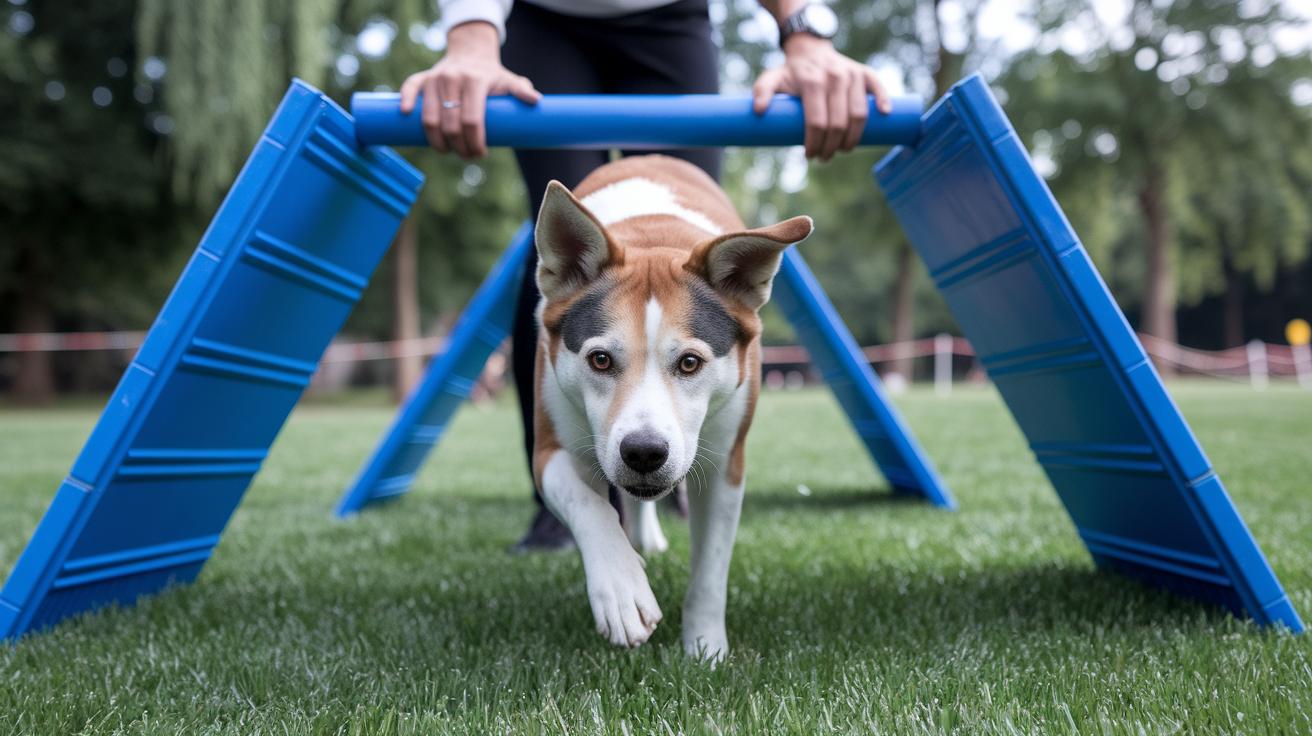
Now that your dog has nailed the basics, it's time to step things up. Think of it like graduating from simple practice drills to an exciting sports game. You build on what your pup already knows and add fun challenges that make both of you work together in new ways.
These sessions turn training into a little adventure. You both get to explore interactive commands that mix play with real-life situations. It's like adding a fresh layer of teamwork where every move counts and every command sets the stage for another cool trick.
Advanced training not only boosts your dog's agility but also sharpens its mind. Try mixing in activities like agility runs or using hidden treats on scent trails to encourage tracking skills. You might even experiment with simple herding drills, remote recalls, or off-leash heeling. Each game builds on the basics while giving your dog a fun mental workout.
Here are some playful advanced exercises to try:
| Exercise | Description |
|---|---|
| Obstacle Course | Set up varied barriers to test agility and speed. |
| Scent Trails | Hide treats where your dog has to use its nose to find them. |
| Herding Drills | Use simple commands that tap into natural herding instincts. |
| Remote Recalls | Practice calling your dog from a distance in a safe way. |
| Off-Leash Heeling | Practice staying close and focused even without a leash. |
| Complex Cue Sequences | Mix several commands to mimic everyday distractions. |
These fun challenges are perfect if your dog is ready to move beyond routine commands. Everyday training becomes an exciting, brain-boosting workout for both of you, deepening your bond and making each session a joyful adventure.
Choosing the Right Dog Obedience Training Approach and Resources
Finding the perfect training plan is all about matching your dog's needs with your own learning style. It helps to choose a program that feels right for both of you. When you see a trainer holding CDBC or ADT certificates, it’s a good sign they really understand pet behavior. And with methods like LIMA, which means using gentle, tested techniques, training becomes fun and clear.
Whether you pick professional help or try a DIY course, having expert support makes a huge difference. A good program builds a strong path for better behavior and helps bring you closer to your furry buddy.
When selecting a training program, consider these key factors:
| Factor | Details |
|---|---|
| Certification | Make sure your trainer has recognized credentials like CDBC and ADT. |
| Methodology | Look for programs that use LIMA methods, which rely on gentle, proven techniques. |
| Format | Decide if virtual sessions or in-home training best fits your lifestyle and your dog’s comfort. |
| Support Resources | Check for extra tools and a supportive community; you could even explore gadgets like the ecollar from trusted sites. |
A well-chosen training plan sets up a sturdy framework that helps with lasting improvements in your dog's behavior. In truth, the right support turns training into a fun journey that strengthens the bond between you and your pet.
Final Words
in the action, we explored a clear pathway to mastering dog obedience training, from basic commands like COME and SIT to advanced techniques and progress tracking. We broke down step-by-step strategies, highlighted reward-based methods, and offered tools to address behavior challenges, all while emphasizing gentle, effective training methods. It’s amazing how a clear plan can transform your training routine while deepening your bond. Keep experimenting and enjoy every small win on your journey toward improved pet health and happiness through dog obedience training.
FAQ
Where can I find dog obedience training near California, Texas, or near me?
Finding nearby dog obedience training means checking local training classes, community centers, or veterinary offices in areas like California, Texas, or your own neighborhood. Local listings and online reviews can help you choose a trusted trainer.
How can I start dog obedience training at home?
Starting dog obedience training at home means setting clear goals and teaching basic commands like SIT, STAY, and COME using positive reinforcement. Create a consistent routine to build your dog’s focus and trust.
What does a basic dog training lesson plan include?
A basic dog training lesson plan includes teaching essential commands such as COME, SIT, STAY, and DOWN, paired with a set schedule and reward-based techniques to keep your dog motivated and learning.
What are the offerings at PetSmart and Petco dog training?
PetSmart and Petco dog training offer structured classes that use positive reinforcement, group lessons, and professional guidance to help your pup learn basic obedience and gain confidence.
What is a dog obedience training plan and how should I structure it?
A dog obedience training plan is a clear outline that sets objectives, uses evidence-based methods, and schedules regular practice sessions. It should focus on consistency, patience, and rewards for success.
What is the 3-3-3 rule for dog training?
The 3-3-3 rule in dog training means practicing a command for 3 minutes, in 3 separate sessions per day, and focusing on 3 different commands to keep sessions fun and productive.
What is the 7-7-7 rule for dogs?
The 7-7-7 rule means working on a command for 7 minutes, repeating it 7 times, and practicing it in 7 sessions each day to gradually build your dog’s skill and understanding.
Can I obedience train my dog myself?
Yes, you can obedience train your dog yourself by using clear, reward-based methods and a structured plan. Consistency and patience are key to building a positive learning experience.
What is the best method for dog obedience training?
The best method for dog obedience training uses evidence-based, positive reinforcement techniques that build trust and encourage your dog to learn new commands in a gentle, supportive way.