
Have you ever noticed your pup scratching or getting red rashes after eating? It might be more than just a little irritation. Sometimes, the food could be causing an allergic reaction. Many pet parents have seen great results when they switch to a diet with different proteins like duck or goose. Top veterinarians now agree that the right food can calm these symptoms and help your pet stay healthy. In this post, we're going to explore some of the best dog food options to help your furry friend live a happy, healthy life.
Best Dog Food for Allergies: Top Veterinary-Recommended Options
Many vets agree that a raw diet can ease allergy symptoms by avoiding the usual allergens found in regular dog foods. This simple switch often uses new proteins like duck or goose instead of common ones like chicken or beef. One pet parent said, "Since switching to a freeze-dried raw dinner patty diet, my pup’s skin has never looked healthier, it’s like night and day!"
Freeze-dried raw dinner patties usually include turkey, lamb, and beef, and have been favored since 2019 for dogs with several allergies. Trusted brands such as Freshpet offer choices like Nature’s Fresh®, Homestyle Creations™, Fresh Treats, Freshpet Delivery, and Deli Fresh. These diets use easy-to-know, high-quality ingredients that help keep your dog's coat shiny and calm skin irritations.
Vets suggest you change to an allergen-free diet slowly, one step at a time, and always talk with your vet to make a plan that fits your pet’s needs. For more help, you might try Wellness Dog Food for vet-approved options or Pet Nutrition Center if you want detailed nutrition tips.
Real-life stories and expert advice show that the right diet not only soothes allergy symptoms but also boosts your dog's overall health. Keep an eye on your furry friend as you make changes, and adjust the meals gradually to help them enjoy a happy, healthy life.
Common Allergens in Dog Food for Allergies and How to Identify Them
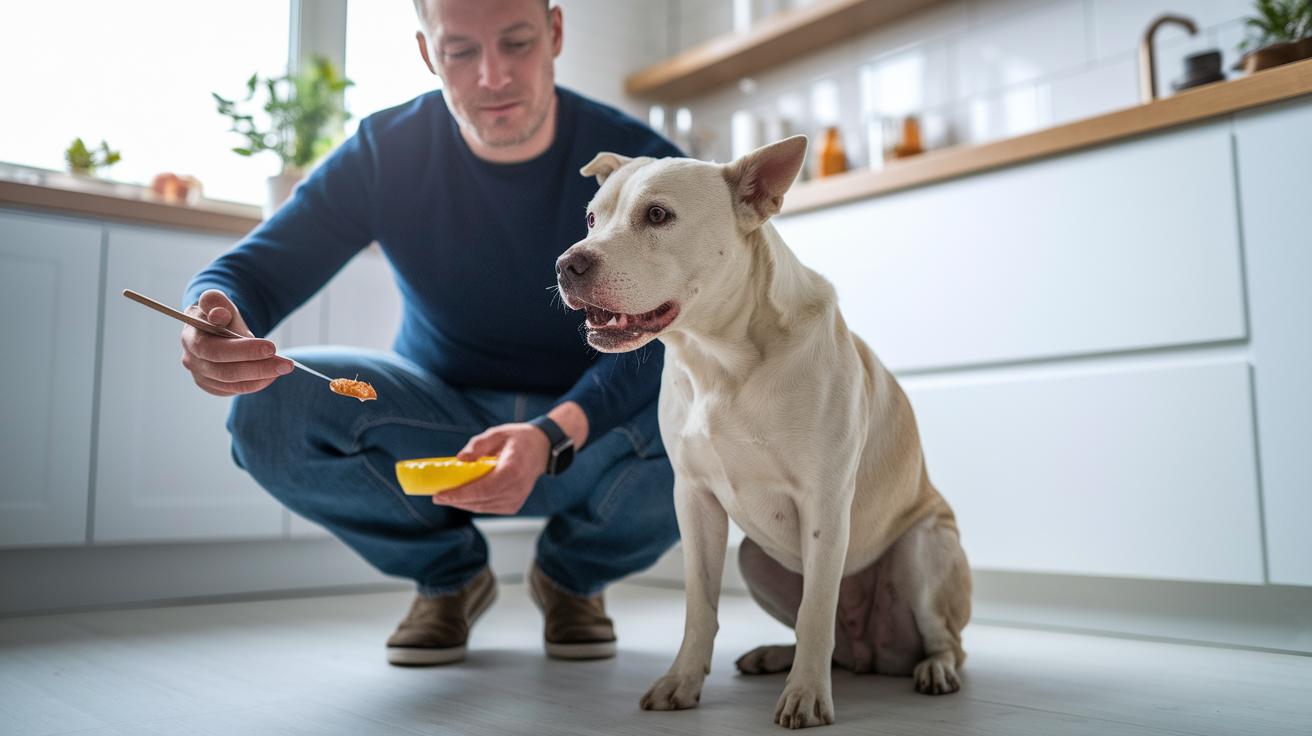
A lot of dog parents notice that when their pets eat certain foods, they start showing signs like scratching, red rashes, or even tummy troubles like diarrhea and vomiting. These clues usually mean your dog might be sensitive to some proteins or fillers. It’s really important to spot these signs early so you can switch to a dog food that won’t upset your furry friend’s tummy or skin.
Watching your dog during and after meals is key. Even small changes, like a bit of extra itching or a slight change in behavior, can be a warning sign of an allergy. The aim is to find a meal that keeps your dog happy and healthy by avoiding those pesky triggers. When looking at ingredient labels, keep an eye out for high levels of sugars and carbs, they can sometimes lead to yeast infections that irritate the skin even more.
Below is a quick guide to some common allergens in dog food and the reactions you might see:
| Allergen | Common Reactions |
|---|---|
| Beef | Skin irritations and rashes |
| Lamb | Gastrointestinal issues |
| Wheat | Ear infections and itchy skin |
| Eggs | Allergic reactions |
| Soy | Digestive upset |
| Corn | Inflammation and skin problems |
| Nuts | Skin irritation |
| Chicken | A common cause of hypersensitivity |
Many experts recommend trying an elimination trial, which usually lasts up to three months. This means you feed your dog a simpler diet and slowly add foods back to see which one causes a reaction. It might take a bit of time, but this approach can really help you pinpoint what’s causing your pup’s discomfort.
Evaluating Hydrolyzed and Novel Protein Formulas for Best Dog Food for Allergies
When it comes to choosing the right food for a sensitive pup, hydrolyzed protein meals have a neat trick. They break proteins into tiny pieces, which makes them less likely to upset your dog’s system. Think of it like turning a loud shout into a soft whisper, the immune system is less likely to react to these small fragments.
Novel proteins, like venison or kangaroo, are also a great option. Since these proteins are new to your dog’s diet, they help pinpoint what might be causing allergies while still offering balanced nutrition. Many veterinarians suggest trying these diets as part of an elimination test that typically runs for about 8 to 12 weeks.
A vet-prescribed diet made with hydrolyzed or novel proteins gives your dog a gentle and reliable meal plan. It helps manage stomach troubles and skin issues, making it a trusted choice for caring pet parents looking to switch to allergy-friendly food.
Homemade Allergy Relief Meals for Dogs: Recipes and Tips
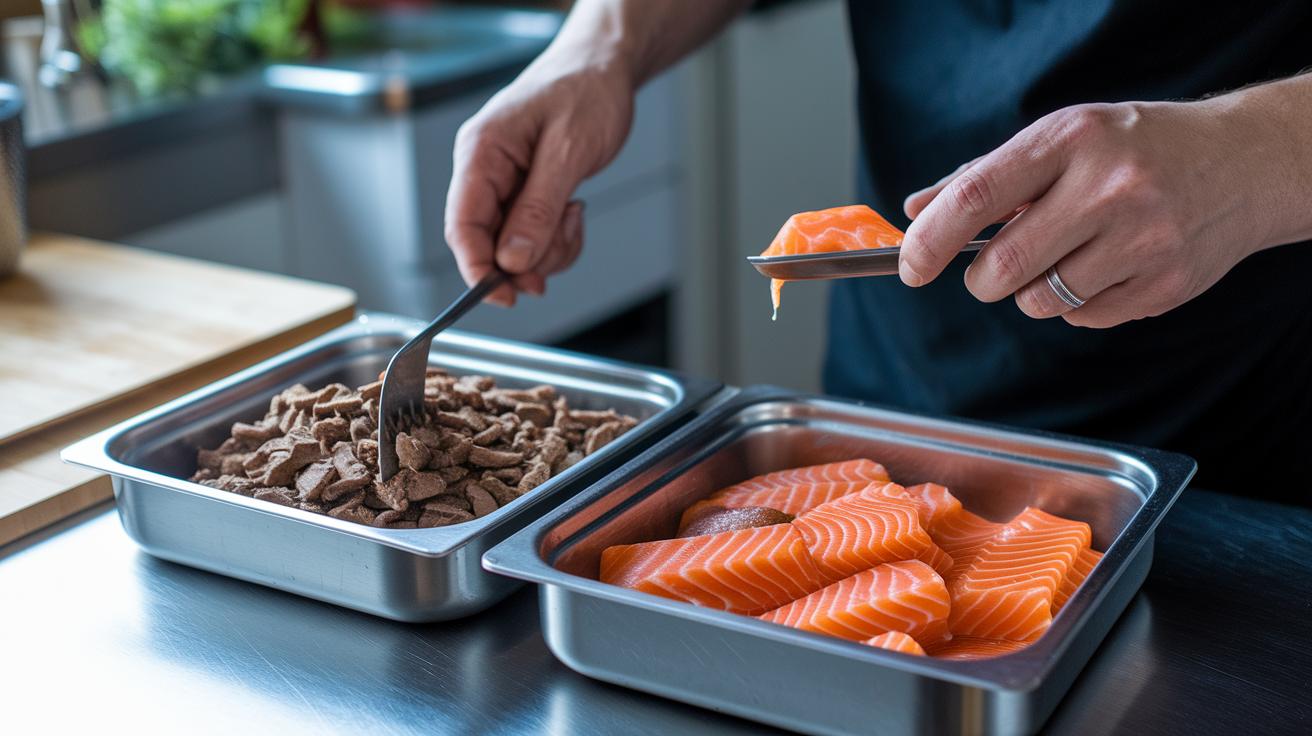
Making homemade meals for a dog with allergies can be both fun and fulfilling. Try using different proteins like venison, salmon, or rabbit instead of common ones such as chicken, turkey, duck, or eggs. These new protein choices help lower the chance of triggering allergies. Grain-free recipes work well too, keeping your pup comfy without unwanted flare-ups.
Next, it’s important to make sure each meal is balanced. A good meal for a dog with food allergies should mix proteins, veggies, and a few extras like omega-3 oils and probiotics (these help with a shiny coat and healthy gut). Always check food labels to steer clear of hidden allergens. And remember, when trying out a new recipe, add it slowly so your dog’s tummy can get used to it.
Here are three simple, allergy-friendly recipes you might try:
-
Recipe 1:
• Protein: Venison, which gives high-quality amino acids without common allergens.
• Veggie: Sweet potato, known to be gentle on the stomach and rich in fiber.
• Supplement: A teaspoon of omega-3 oil to help keep the coat shiny and calm any inflammation. -
Recipe 2:
• Protein: Salmon, a great alternative that’s loaded with healthy fats.
• Veggie: A mix of carrots and spinach to offer vitamins and antioxidants that don’t bother sensitive tummies.
• Supplement: A small pinch of probiotic powder to aid digestion and maintain gut health. -
Recipe 3:
• Protein: Rabbit, which is a new protein that often reduces allergic reactions.
• Veggie: A combo of green beans and zucchini for a boost of minerals and vitamins.
• Supplement: A drizzle of flaxseed oil to add extra omega-3s and support overall health.
These recipes make it easy to feed your dog a nutiritionally complete meal that works around allergies. The key is to take your time and slowly mix in the new recipes so your pup stays happy and healthy.
Choosing Premium Allergen-Free Commercial Formulas for Best Dog Food for Allergies
When you're picking a hypoallergenic food for your furry friend, you want to check for a short, simple list of ingredients. Good allergen-free recipes often use just one type of protein like duck or venison to keep tummy troubles at bay. They steer clear of fillers and everyday allergens, making sure your pet gets the right mix of protein, fats, and carbs along with nutrients that help keep their coat shiny and skin healthy.
Next, when comparing allergen-free dog foods, take a peek at extras like omega-3 fatty acids or added vitamins that boost your pup's immune system. It’s a good idea to pick brands that are open about where their ingredients come from and that have third-party quality testing. Also, decide if your pet really needs a prescription option or if an over-the-counter food works just fine for their sensitive stomach. All these details can help you pick a diet that really stands out.
| Brand | Protein Source | Key Features |
|---|---|---|
| FreshGuard | Duck | Single-source protein, minimal fillers |
| PurePup | Venison | Balanced macros, added omega-3 |
| AllerEase | Salmon | Hypoallergenic, skin & coat support |
| Nature’s Choice | Rabbit | Novel protein, grain-free formula |
| VetiPure | Lamb | Prescription-grade, third-party tested |
By choosing a formula that fits these needs, you'll give your pet a safe, balanced diet that helps manage allergies. The result? A happy, healthy pup ready for some fun!
Transitioning to the Best Dog Food for Allergies: A Step-by-Step Protocol
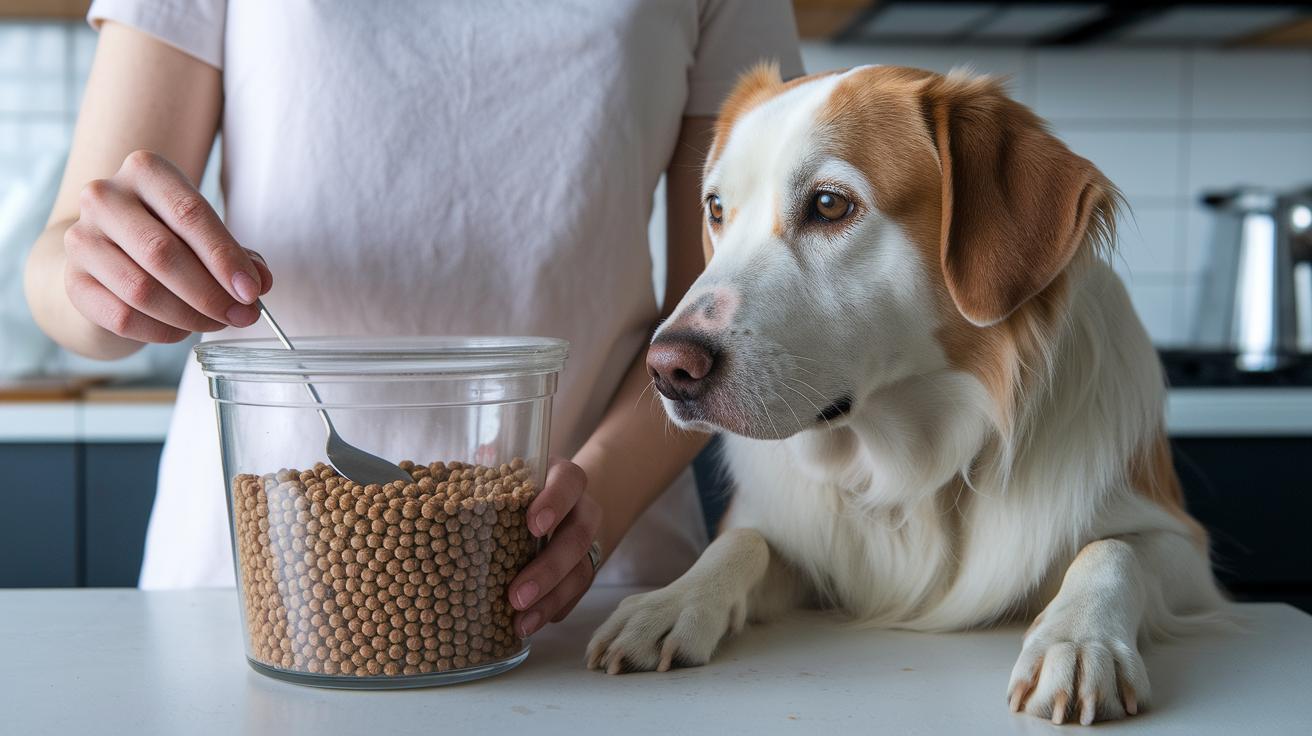
Switching your dog to a gentle, allergy-friendly diet takes time. Begin by adding a small amount of the new hypoallergenic food, about 10%, to your dog’s usual meal, which should make up 90% of the mix. Each day for the next 7 to 10 days, slowly increase the new food by roughly 10%. So on Day 2, use a blend of 20% new food with 80% of the old, and keep increasing it little by little. This method helps ease your pet’s sensitive tummy into the change without upsetting their stomach.
Keep an eye on your dog’s poop, skin, and energy. If you see signs like diarrhea or extra scratching, try making the transition even slower until your pup adjusts comfortably. It can help to jot down notes about any changes. For example, you might write, "After using 30% of the new food, my dog’s coat looked shinier, and there was much less scratching." These notes will guide you on how fast your dog is adapting to the new diet.
Remember, every dog is unique. Adjust this process to fit your pet’s needs, and always watch for signs of stress. This gradual plan makes sure your furry friend gets the allergy relief they need with minimal tummy troubles.
Partnering with Your Veterinarian for Best Dog Food for Allergies Success
Getting a proper diagnosis is the first step when your dog shows signs of allergies. A vet can examine your pet, run simple tests, and suggest a diet that helps with skin irritation and tummy troubles. For example, a vet might say, "After a careful trial period, we found out that my dog reacts to common proteins like chicken." This kind of advice helps guide you safely.
Working with your vet means you also get special allergy medicines and custom meal plans. They often run supervised trials over several weeks to figure out which foods trigger your pet's allergies. This step-by-step approach not only prevents issues but also helps create a long-term plan that keeps your dog feeling its best.
Catching these issues early can even help stop more serious problems like skin infections or breathing difficulties. By teaming up with your veterinarian, you ensure your pet gets a trusted, allergy-friendly diet that supports overall health and happiness.
Final Words
In the action of managing pet allergies, we've explored hydrolyzed proteins, novel ingredients, and careful transitions that reduce discomfort. Each section offered clear tips, from homemade meals to premium commercial formulas, highlighting effective, expert-approved strategies. Partnering with your veterinarian and choosing the best dog food for allergies sets your furry friend on a path to a healthier, happier life. Every step taken turns challenges into opportunities for improved well-being, making pet care an ongoing and positive journey.
FAQ
Best dog food for allergies and yeast infections?
The best dog food for allergies and yeast infections uses novel proteins and avoids common allergens to reduce skin flare‐ups and digestive issues, helping your pet feel more comfortable.
Best dog food for allergies reddit?
The best dog food for allergies recommended on Reddit features hypoallergenic, minimal‐ingredient formulas that many pet owners and vets trust to ease allergy symptoms and support overall health.
Best dry dog food for skin allergies?
The best dry dog food for skin allergies includes limited ingredients and hypoallergenic proteins designed to soothe itching and irritation while promoting a healthy coat.
Best dry dog food for skin allergies and yeast infections?
The best dry dog food for skin allergies and yeast infections combines allergen‐free proteins with balanced nutrients to manage inflammation, reduce yeast growth, and support overall skin health.
Homemade food for dogs with skin allergies?
Homemade food for dogs with skin allergies uses fresh, allergen‐free ingredients and novel protein sources to create balanced meals that ease skin irritation and are tailored to your pet’s unique needs.
Best dog food for allergies and sensitive stomach?
The best dog food for allergies and a sensitive stomach avoids common allergens and harsh additives, opting for gentle, novel proteins and balanced nutrition to soothe digestion and reduce allergy symptoms.
Hydrolyzed protein dog food?
Hydrolyzed protein dog food features proteins broken down into smaller pieces to lower allergic reactions, making it a safe choice for dogs with sensitive immune systems and food intolerances.
Dog food allergies – how long to clear up?
Dog food allergies typically start clearing up within several weeks during an elimination trial when a consistent, hypoallergenic diet is maintained, though timing can vary by pet.
Which dog food is best for dogs with allergies?
The best dog food for dogs with allergies is a vet‐recommended formula that uses hypoallergenic ingredients, focuses on novel proteins, and is free of common allergens to reduce flare‐ups and support overall health.
What food is good for dogs with itchy skin?
Food good for dogs with itchy skin features novel proteins and limited ingredients, plus skin‐supportive nutrients, which help calm irritation and promote a healthier, less itchy coat for your pet.
What food to avoid for dogs with skin allergies and yeast?
Food to avoid for dogs with skin allergies and yeast typically contains common allergens like beef, chicken, wheat, and high sugars that can worsen skin reactions and promote yeast growth.
What is the number one food allergy in dogs?
The number one food allergy in dogs is often linked to chicken, so switching to novel protein sources like fish or venison can help reduce allergic reactions and soothe your pet’s symptoms.