Health
Pet Health Insurance Empowers Furry Wellbeing
By johnmacron
September 20, 2025
Field Notes
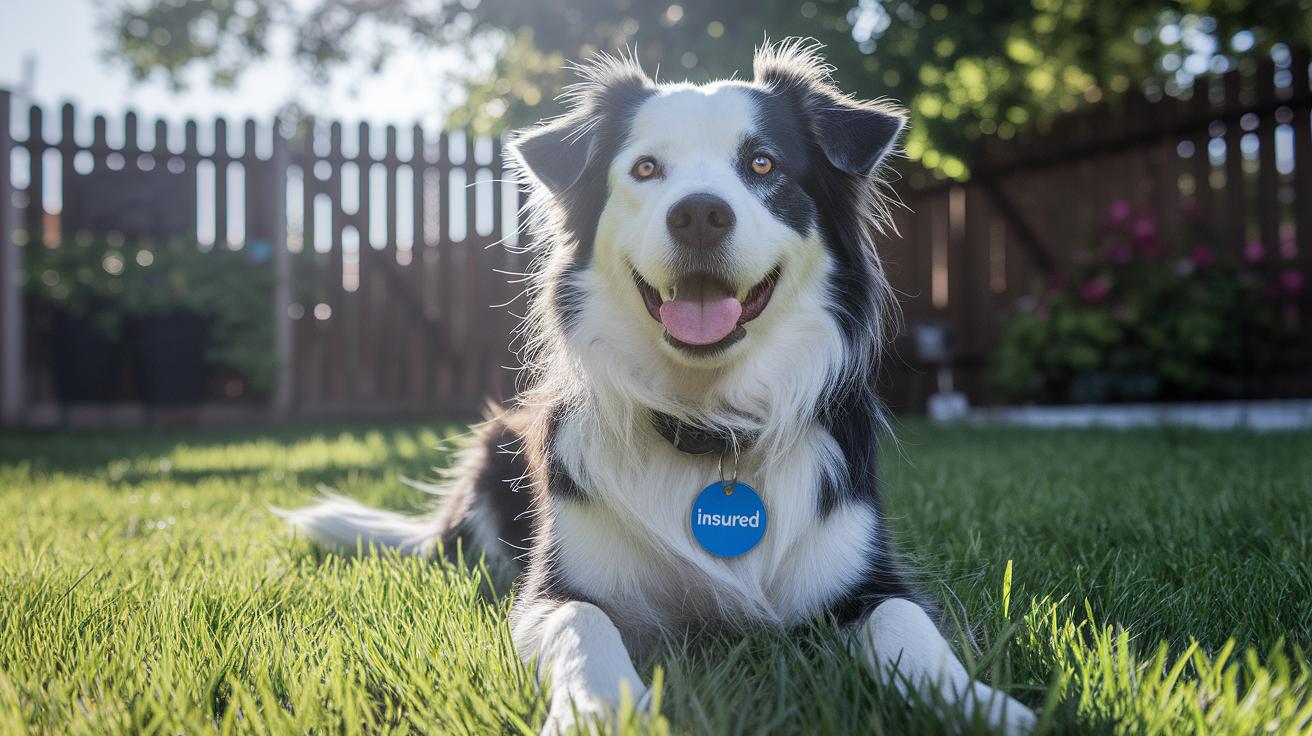
Ever worry that a surprise vet bill might hurt both your pet’s health and your wallet? Pet health insurance works like a safety net for your furry friend, often covering up to 100% of approved costs. Imagine the stress of an emergency vet visit costing thousands, it’s a real worry. With pet insurance, you help keep your pet happy and healthy while easing your financial concerns.
In this post, we’ll chat about how comparing different policies can be a smart move. It’s a bit like planning ahead for a rainy day. A little financial planning goes a long way in protecting the ones we love most.
Understanding and Comparing Pet Health Insurance Policies
Pet insurance can help take a big load off your mind by covering much of your pet’s vet expenses. You usually pay the vet first and then get reimbursed anywhere from 70% to 100% of the approved costs. For example, dog owners often pay around $56 a month, while cat owners might pay about $32 monthly. Considering that roughly one in three pets might face an emergency, a visit that can sometimes cost over $7,000, it’s a smart move to have a plan in place.
When you start comparing different pet insurance policies, a few factors are key. Each plan can differ based on the deductible, how much they pay back, and which services are included. Here are some important points to keep in mind:
| Factor | Details |
|---|---|
| Coverage Percentage | Usually between 70% and 100% of approved vet costs |
| Payment Process | You pay the bill upfront, then file a claim for reimbursement |
| Average Premiums | About $56/month for dogs and $32/month for cats |
| Emergency Rate | Around one in three pets may need urgent care each year |
| Market Growth | U.S. spending is predicted to reach $157 billion by 2025 |
By understanding these details, you can pick a policy that fits both your pet’s needs and your budget. Whether you choose a full coverage plan or add on a pet wellness option for regular checkups and shots, knowing these basics helps ensure that your best friend stays healthy without breaking the bank.
Coverage Details: What Pet Health Insurance Plans Include

Pet health insurance is like a shield for your furry friend, ready to help when unexpected medical issues pop up. Most plans cover everything from sudden accidents and illnesses to tests, surgeries, and medications, often paying for 70% to 100% of the costs. Imagine your playful dog tripping during a park run and needing emergency surgery; your policy has your back when life throws a curveball.
Accident Coverage
Accidents happen, whether your pet slips at home or bumps into something while exploring. This coverage pays for tests to find out what’s wrong, emergency treatments, and even surgeries when needed. It’s like having an extra safety net when your pet’s playful adventures turn into a little mishap.
Illness Protection
When your pet feels under the weather or suddenly gets sick, illness protection steps in. It covers visits to the vet for issues like infections or ongoing conditions that might need hospital stays and medicine. So if your cat develops a serious infection, you can breathe a little easier knowing the tests and treatments are taken care of.
Preventive & Wellness Options
Keeping your pet healthy is as important as treating them when something goes wrong. Many plans include options for routine exams, vaccinations, and wellness bonuses that catch problems early, kind of like giving your pet a regular check-up to keep them in top shape.
Alternative Treatment Support
Sometimes pets need a little extra help beyond the basics. This part of the plan covers treatments like physical therapy, acupuncture, or chiropractic care, which can be just the right touch to help your pet recover or manage ongoing discomfort. Picture your dog enjoying a calming acupuncture session to ease joint pain, it's an added bonus that helps support their overall wellness.
| Coverage Type | What It Covers |
|---|---|
| Accidents and Emergency Care | Injuries from falls, collisions, and tests, treatments, & surgeries after accidents |
| Illness Protection | Sudden illnesses, infections, hospital visits, and medication expenses |
| Preventive & Wellness | Routine exams, vaccinations, and wellness rebates to keep your pet healthy |
| Alternative Treatments | Extra care like physical therapy, acupuncture, and chiropractic services |
These coverage options work together to make sure your pet gets the comprehensive care they deserve, helping them stay happy and healthy through every twist and turn of life.
Cost Breakdown: Premiums and Financial Considerations for Pet Coverage
If you're looking into pet health insurance, it's good to know how the costs are set up. On average, you might pay about $56.30 a month for dogs and $31.94 for cats. Generally, dog plans start around $46 to $60 and cat plans about $25 to $32. Also, keep in mind that vet bills in cities went up by 7.9% between February 2023 and February 2024. This price increase makes it even more important to think about cost sharing and deductible choices. Sometimes, you pay out-of-pocket first and then get reimbursed later, which can affect your cash flow when emergencies happen.
Many plans now let you choose different deductible options and copay percentages to fit your unique needs. Online tools for quotes and digital sign-ups make it quick and simple to compare plans. And remember, a few things can affect your monthly premium, such as:
| Factor | Description |
|---|---|
| Species | Different animals have different rates |
| Age | Younger or older pets may cost more |
| Deductible | The amount you pay before insurance kicks in |
| Coverage Tier | The level of protection you choose |
Each of these points affects how much you'll pay each month and whether the plan fits routine checkups as well as unexpected emergencies. When you understand these factors, you can pick a plan that offers both good coverage and keeps costs in check. This smart planning is a great way to look after your pet’s long-term health and happiness.
Pros, Cons, and Exclusions in Pet Health Insurance

Pet health insurance is like a safety net for your furry friend, giving you comfort when those surprise vet visits pop up. It even nudges you to schedule regular checkups so issues can be caught early. Imagine knowing that a pricey emergency treatment, like parvo care costing anywhere from $1,000 to $8,000, is taken care of. It’s a big relief, right? But before you sign up, it’s smart to check out both the bright sides and the not-so-great parts.
Here’s what many pet parents love about pet insurance:
- Peace of mind during emergencies and costly treatments.
- A little extra push to get your pet to the vet for regular checkups.
- A financial backup for sudden, high vet bills.
- Help in managing big-ticket treatments without a shock to your wallet.
On the flip side, there are a few things to keep in mind:
- You might need to pay the bill first and then wait for reimbursement, which can strain your cash flow.
- Pre-existing conditions usually aren’t covered.
- Routine expenses like food, toys, and treats don’t make the list.
- Chronic issues diagnosed before the policy starts are often left out.
How to Choose the Best Pet Health Insurance Provider
When picking a pet health insurance plan, start by looking at key details. Check the reimbursement percentage, often between 70% and 100%, and review deductible options and waiting periods to make sure your pet will be covered when they need it. It helps to know if a plan has lifetime limits or annual caps, and if a no-waiting-period plan might be best for unexpected emergencies.
Next, take a look at the provider network, any multi-pet discounts, and added wellness benefits that might be included. Using side-by-side comparisons can really show you which plan has the right mix of price and perks. Don’t forget, user reviews and policy ratings are great ways to get a feel for whether a plan is reliable.
| Provider | Avg. Dog Premium | Avg. Cat Premium | Coverage % | Notable Perks |
|---|---|---|---|---|
| Pawsure | $55 | $30 | 90% | Multi-pet discount |
| FurShield | $60 | $32 | 100% | Wellness add-ons |
| PetGuard | $50 | $28 | 80% | Customizable plans |
| AnimalCare | $58 | $31 | 95% | No waiting period |
| HealthyTails | $62 | $33 | 85% | Lifetime limit options |
Review these points carefully to find a plan that matches your pet’s unique needs. Reading plan reviews and insurer ratings can guide you to the best choice. After all, finding the right pet insurance is all about peace of mind and keeping your furry friend happy and healthy.
Frequently Asked Questions About Pet Health Insurance

Q: What does pet health insurance usually cover?
A: Pet insurance is designed to help when your furry friend faces unexpected emergencies like accidents or sudden bouts of illness. Often, these plans also give you options for routine wellness care, so you can keep your pet healthy and happy.
Q: Does pet insurance help with dental care?
A: Well, basic plans might not include dental coverage, but many insurers let you add dental options. This can cover things like cleanings, which is important since older cats often run into dental problems.
Q: How fast are digital claims processed?
A: Digital claims are usually processed pretty quickly. You can generally expect reimbursement within 10 to 14 days, which means less waiting and more time spent enjoying your pet’s company.
Q: Do these policies include routine check-ups?
A: Yes, many plans come with wellness options that cover routine exams, vaccinations, and preventive care. This way, you can keep up with your pet’s regular visits to the vet without any extra hassle.
Q: How common are pet emergencies?
A: About one in three pets end up needing emergency treatment each year. That’s why having pet insurance can give you peace of mind when life throws you a curveball.
Q: Are there options for older dogs, especially those at higher cancer risk?
A: Absolutely. Many providers offer lifetime coverage options that can really help manage the higher treatment costs often seen in older dogs. It’s a great way to make sure your seasoned companion gets the extra care they might need.
Final Words
In the action, we dug into pet health insurance basics, showing how policies cover accidents, illnesses, and wellness add-ons. We broke down key details like premiums, deductibles, and benefits, making it easier to weigh pros and cons.
We also explored how to compare provider options and clarify common questions. Every section aimed to simplify pet care with relatable examples and practical tips.
This guide helps you choose the right pet health insurance, ensuring your pet stays happy, healthy, and cherished.
FAQ
What does Spot pet insurance mean?
The term Spot pet insurance means discovering a provider that offers reliable coverage to help manage unexpected vet costs, ensuring your pet gets the care they need.
What is the typical pet health insurance cost?
The pet health insurance cost varies by pet and location; dogs typically average about $56 per month and cats around $32, with factors like deductibles and coverage tiers affecting the price.
How can I determine the best pet health insurance?
The best pet health insurance is found by comparing coverage rates, deductibles, and customer experiences to choose a plan that fully meets your pet’s unique health needs.
What do pet health insurance reviews commonly mention?
Pet health insurance reviews highlight easy online claims, prompt reimbursements, and comprehensive emergency coverage, though some note that paying upfront for vet services can be a concern.
Are there insurance plans specifically for cats and dogs?
Pet health insurance options are tailored for both cats and dogs; cat plans may focus on dental and chronic issues, while dog plans frequently address more costly emergency situations.
What is Lemonade pet insurance?
Lemonade pet insurance is a modern provider featuring quick online enrollment, fast claims processing, and customizable plans designed to cover accidents and illnesses efficiently.
Is it worthwhile to have pet health insurance?
Having pet health insurance is worthwhile as it eases the burden of expensive vet bills during emergencies, offering financial peace of mind and dependable coverage for unexpected health issues.