Nutrition
Vet Approved Homemade Dog Food Recipes: Purely Nutritious
By gilbertsmith
September 20, 2025
Field Notes
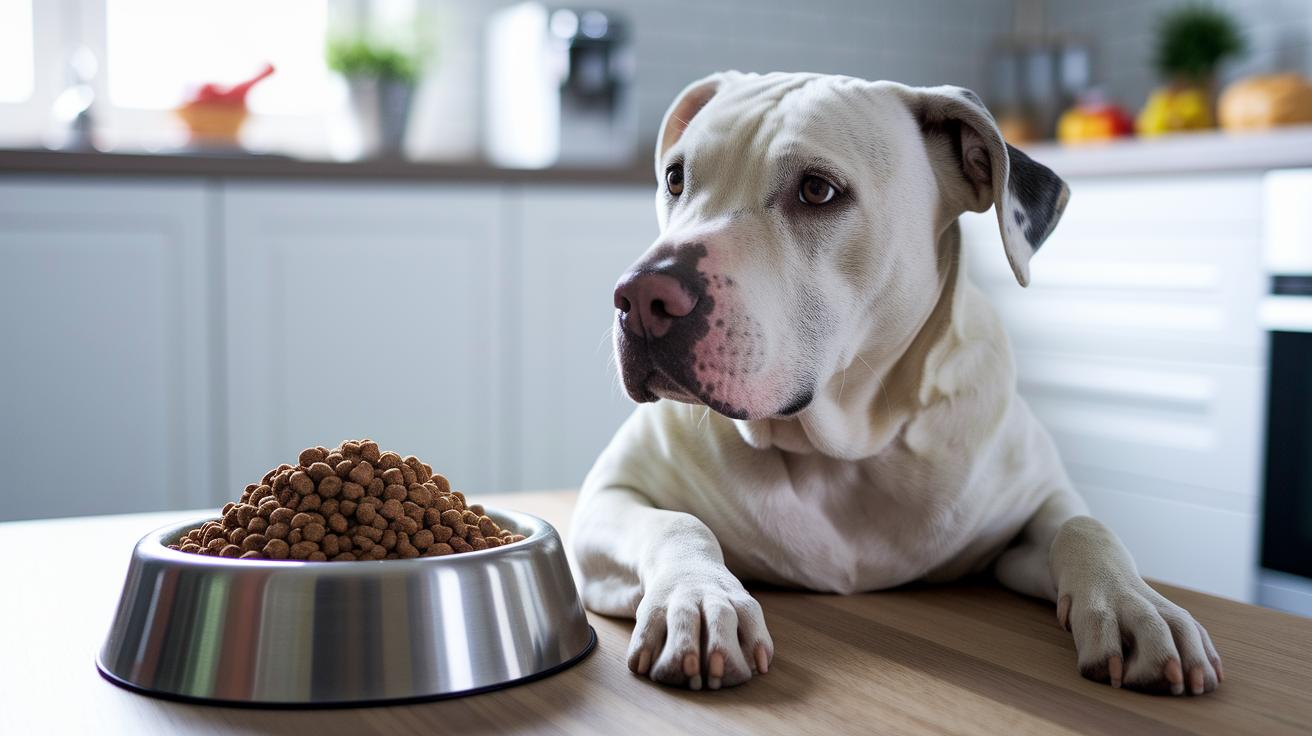
Ever wondered if your furry friend could eat meals as balanced and tasty as yours? Vet-approved, homemade dog food recipes give your buddy the perfect mix of proteins, fats, and carbs using whole, natural ingredients.
Each recipe is measured carefully so you know you're feeding your pet safe, nutritious food. It not only boosts energy but also helps keep the coat shiny and the joints strong.
Feeding your dog healthy food is more than just possible, it’s as simple and delicious as it sounds.
Understanding Vet Approved Homemade Dog Food Recipes: Core Nutrition Guidelines
When you choose vet-approved homemade dog food recipes, you’re giving your furry friend a meal full of natural goodness. These recipes use whole foods that come packed with protein, nature’s building blocks, and healthy fats that not only boost energy but also help keep your dog’s coat shiny and joints in great shape. Carbs can be added for extra energy, and every recipe includes the vitamins and minerals your pet needs to stay happy and healthy.
It’s not just about the big ingredients; the small details truly count. Vitamins and minerals work quietly in the background to support a strong immune system and healthy cells. By picking each ingredient for its nutritional benefits, these recipes help your dog thrive, whether they're a playful puppy or a wise old friend.
- Aim for protein at 30-40% of the total calorie intake
- Include healthy fats around 10-15%
- Add carbohydrates at about 40-50% when needed
- Mix in 5-10% fiber-rich foods for better digestion
- Finish with the right balance of vitamins and minerals
When you’re cooking these meals, safety and precision are important. Make sure every ingredient is weighed correctly and that proteins are cooked thoroughly to get rid of any harmful bacteria. Always clean your surfaces and utensils well to avoid any cross-contamination. And don’t forget, regular check-ups with your vet ensure that your dog’s diet is just right for their changing needs.
Top Vet Approved Homemade Dog Food Recipes
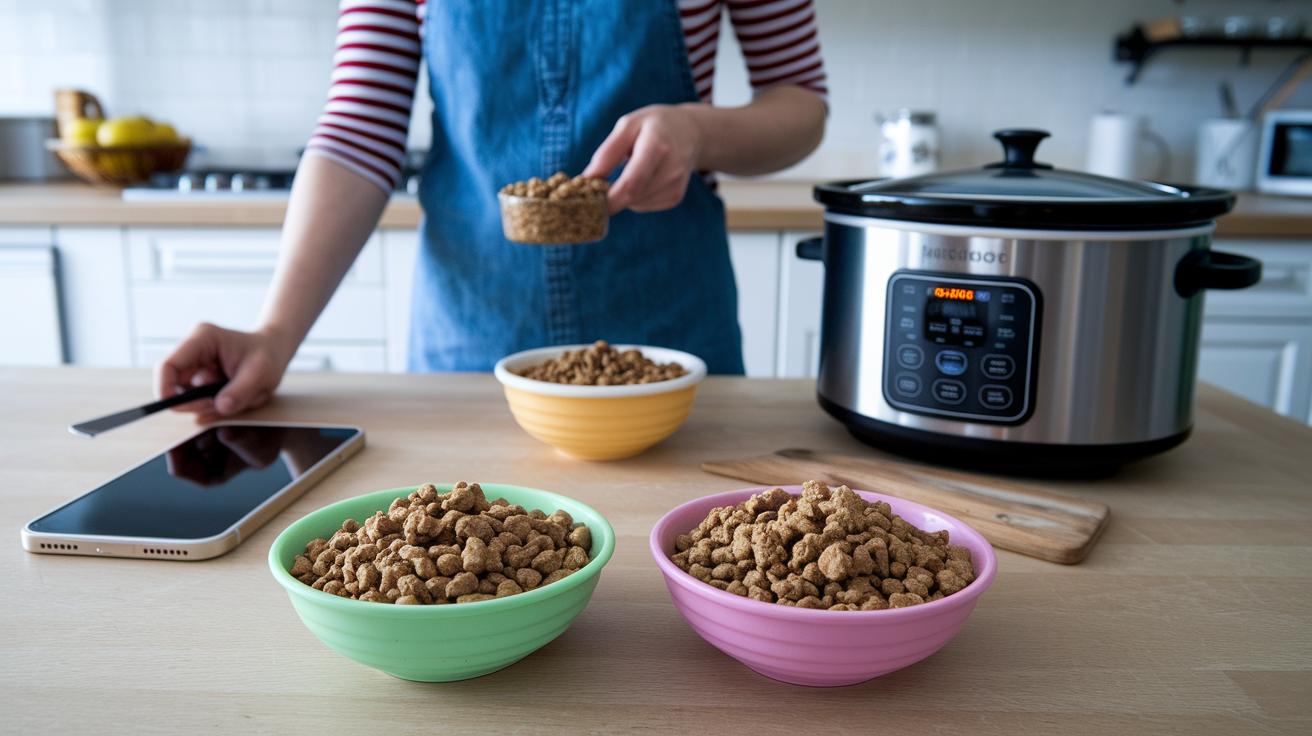
Slow Cooker Chicken & Quinoa Recipe for Adult Dogs
Here's a tasty, vet-approved meal that your dog will love. This slow cooker dish mixes chicken, quinoa, and wholesome veggies to keep your furry friend happy and healthy.
Ingredients:
- 2 lbs of boneless, skinless chicken breasts
- 1 cup of quinoa (rinsed under cool water before using)
- 2 cups of water or low-sodium chicken broth
- 1 cup of diced carrots
- 1 cup of green beans
Preparation Steps:
- Rinse the quinoa under cool water.
- Toss the chicken, quinoa, carrots, and green beans into your slow cooker.
- Pour the water or broth over everything.
- Set the slow cooker on low and let it cook for 6-8 hours until the chicken is tender.
- Once done, let the meal cool completely before dividing it into portions that match your dog's diet.
This recipe makes about 5¾ lbs of food at 44 calories per ounce. It's just right for an 80-lb active dog, giving them a three-day supply of delicious, nutritious food.
Beef & Broccoli Blend for Small Breeds
This one is perfect for our smaller pals. It's a simple mix of lean beef and veggies that even the pickiest dogs will enjoy.
Ingredients:
- 0.5 lb of lean ground beef (aim for 90% lean)
- 1 cup of chopped broccoli florets
- 0.5 cup of cooked brown rice
- 1 small grated carrot
- 1 teaspoon of wheat germ oil
Preparation Steps:
- Heat a pan on medium and add the lean ground beef. Cook it thoroughly until it's nicely browned.
- Mix in the broccoli, grated carrot, and brown rice.
- Stir in the wheat germ oil and let it all cook together for another 5 minutes.
- Allow the food to cool completely before serving it to your 15-lb adult dog.
Scalable Salmon & Veggie Meal for Medium Breeds
For our medium-sized dogs, this salmon and veggie recipe is light, yummy, and packed with good-for-you nutrients. It’s easy to adjust if you need more or less food.
Ingredients:
- 1 lb of salmon fillet (with the skin removed)
- 1 cup of diced sweet potato
- 1 cup of chopped spinach
- 0.5 cup of quinoa
- 1 tablespoon of flaxseed oil
Preparation Steps:
- Preheat your oven to 350°F and bake the salmon for about 20 minutes or until it’s fully cooked.
- While the salmon bakes, steam the sweet potato until it’s soft.
- In a large bowl, mix the cooked quinoa, spinach, and baked salmon.
- Drizzle the flaxseed oil over the mix and stir everything well.
- Let the meal cool completely before serving. Adjust the portions for a dog around 20 lbs and tweak the recipe up or down depending on your pet’s needs.
Each recipe highlights the importance of precise measurements, thorough cooking, and allowing the food to cool completely. This way, you'll serve meals that are both safe and nutritionally balanced for your dog. Enjoy cooking these wholesome treats for your furry friend, you might even catch a wagging tail or two!
Vet Approved Homemade Recipes for Special Health Needs
When you’re planning a homemade meal for a dog with special health needs, it’s important to adjust the recipe carefully. For diabetic dogs, try to keep the carbohydrates in check and add some extra fiber to help keep blood sugar levels steady. If your dog needs support for their kidneys, aim for moderate protein and choose foods low in phosphorus to ease the strain on sensitive kidneys. For older dogs, use proteins and fibers that are easy to digest, and toss in a few nutrients that can help support joint health. Often, sticking with one protein source can lower the chance of allergies. These simple tweaks help make meals that match your pet’s unique needs and boost their overall well-being.
Before you switch to any of these special diets, be sure to talk it over with your vet. Their advice is key since they understand your dog’s condition best. Regular checkups help ensure that the new diet meets all of your pet’s nutritional needs and allows you to keep an eye on any changes in their health. Working together with your vet, you’ll be able to mix up meals that are both tasty and truly supportive of your dog’s health.
Ingredient Sourcing & Safe Homemade Dog Food Preparation
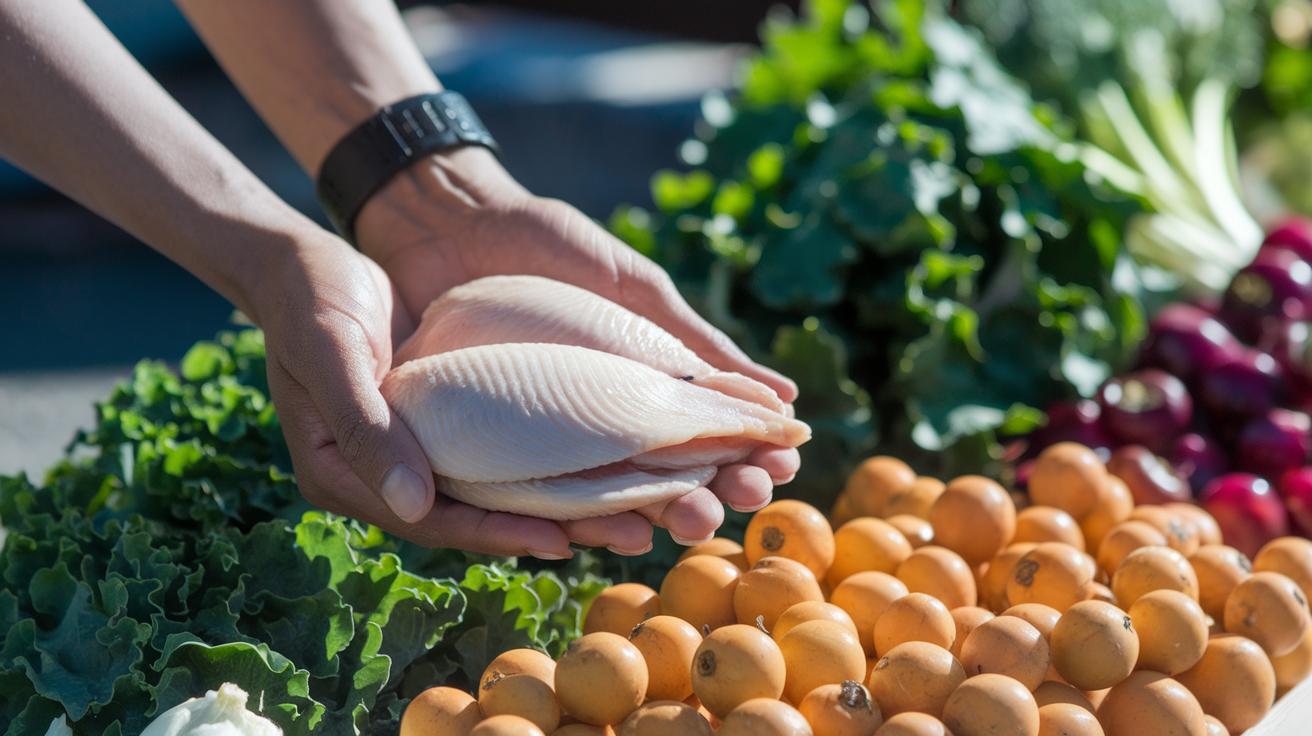
Start by picking out top-notch ingredients that make your dog's meal both tasty and safe. Choose human-grade proteins like beef, chicken, turkey, or fish, and if you can, go with organic veggies too. Picture yourself at the market, holding a fresh chicken breast and knowing your furry friend will get only the best. Using good quality ingredients is key to crafting a wholesome meal for your pet.
Next, cook each ingredient with care following safe dog cooking practices. Make sure you cook all meats to the temperatures recommended by the USDA, which helps kill off any harmful bacteria. Whether you decide to slow-cook or bake the proteins until they’re tender, it’s important they reach the right temperature. Then, let your dish cool completely before you divide it into portions, this helps lock in nutrients and keeps your pet safe from burns or any pesky bacteria.
Finally, keep your kitchen spotlessly clean to prevent any cross-contamination. Clean and sanitize surfaces, utensils, and cutting boards between handling raw meats and veggies, just like you would after a family dinner. This extra step ensures that every bite your dog enjoys is as safe as it is delicious.
Portion Sizing & Serving Guidelines for Vet Approved Homemade Meals
Figuring out the best portion for your dog starts with knowing their weight, age, and how active they are. For example, if your recipe delivers 44 calories per ounce, that could mean about 1.5 cups a day for a 20-pound buddy. Just like a chef who carefully measures every ingredient, weighing your pet’s meals makes sure each bite is balanced and full of the good stuff.
It’s a good idea to check on your dog every 4 to 6 weeks. If you notice they’re getting a bit pudgy or too thin, try adjusting the servings a bit. I like to keep a small log of the portion sizes and how my pet reacts to each meal. This simple habit helps ensure that every meal fits your dog’s energy needs and keeps them healthy and happy.
Transitioning to Vet Approved Homemade Dog Food & Veterinary Oversight
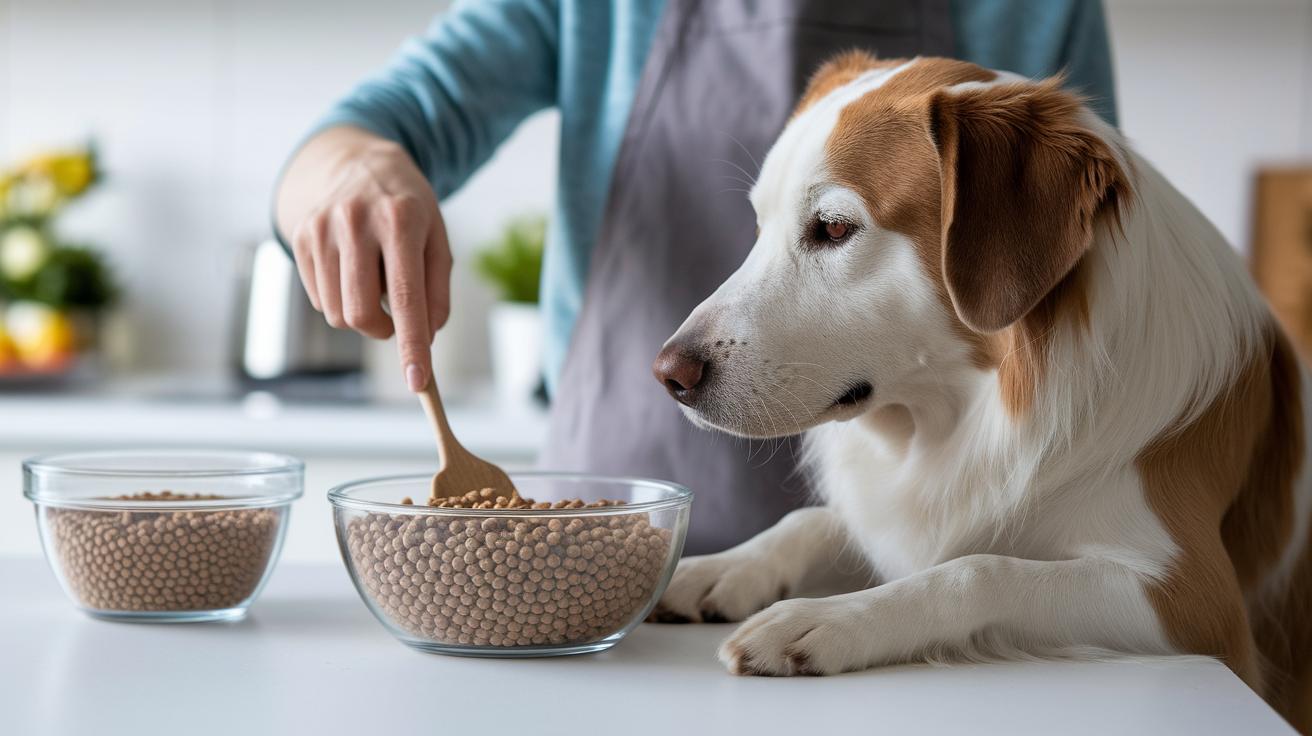
When you decide to switch your pup’s meal to homemade food, take it slow, about 7 to 10 days works best. Start by mixing a small amount of the new food into their regular meal, like 25% homemade and 75% of their usual kibble. Every couple of days, add a little more of the new dish until it makes up 100% of their food. It’s a bit like slowly turning up the volume on your favorite song, easy and comfortable for everyone involved.
This gentle change helps your dog’s tummy adjust without any upset. I once tried a sudden switch with my dog and, oh boy, it was rough! So, take your time, and soon your dog will be enjoying new flavors and textures without any stress.
Don’t forget to keep in touch with your vet during this transition. Regular checkups and perhaps even a blood test can make sure your dog is getting all the right nutrients from the new diet. A vet will help you spot any issues early on and tweak the recipe if needed. Trusting a pro can really ease your mind, knowing that your furry friend is on the path to better health and happiness.
Dog-Friendly Kitchen Cooking Tips for Homemade Meals
When whipping up homemade meals for your dog, opt for nonstick or stainless cookware. These pans help keep food from sticking or burning and cook everything evenly. Try to chop fruits and veggies into similar sizes so each bite is just right for your pup. And remember, skip toxic foods like onion, garlic, and grapes to keep your furry friend safe.
It’s also smart to use different utensils for raw meat and fresh produce. For instance, after slicing raw chicken, be sure to wash your knife well before using it on carrots. Cleaning tools between uses stops germs from spreading.
After you’ve cooked, pop your dog’s meal into airtight containers and jot down the date. That way, you know to finish each batch within about three days. These simple tips make cooking easier and help you serve nutritious, safe treats for your best buddy. Enjoy creating delicious meals for your furry friend!
Final Words
In the action, this article broke down essential steps for balanced, safe, and vet-approved meals. We explored core nutrition, step-by-step recipes, special dietary needs, safe ingredient sourcing, portion sizes, diet transitions, and dog-friendly kitchen tips. You now have a clear guide for creating healthy meals at home. Enjoy crafting vet approved homemade dog food recipes that boost your pet’s health and happiness. Trust the process, celebrate the small wins, and savor the joy of feeding your furry companion with love.
FAQ
Vet approved homemade dog food recipes Australia
The vet approved homemade dog food recipes Australia offer balanced, vet-vetted meals using quality local ingredients. They focus on proteins, veggies, and safe nutrient guidelines that fit Australian canine dietary standards.
Vet approved homemade dog food recipes for large dogs
Vet approved homemade dog food recipes for large dogs target the special needs of bigger breeds by ensuring balanced macronutrients and proper calorie levels, using high-quality proteins and vegetables to support their active lifestyles.
Nutritionally complete homemade dog food recipes PDF
Nutritionally complete homemade dog food recipes PDF provide detailed guides with balanced ingredients and accurate measurements. They help ensure your pet receives all necessary nutrients for robust health in an easy-to-access digital format.
25 vet approved homemade dog food recipes for specific health problems
The 25 vet approved homemade dog food recipes for specific health problems offer tailored meal plans addressing issues like diabetes and renal care. They emphasize controlled carbohydrates, low phosphorus, and joint support for targeted wellness.
Vet approved homemade dog food recipes for small dogs
Vet approved homemade dog food recipes for small dogs use ingredients and portions suited for tiny breeds. They ensure balanced nutrition with easily digestible proteins and veggies to keep small tummies healthy and active.
Best vet approved homemade dog food recipes and Best homemade dog food recipes
The best vet approved homemade dog food recipes combine balanced proteins, essential fats, and natural ingredients to create safe, tasty meals. These recipes are designed by experts to deliver both nutrition and flavor for your pet.
Vet approved homemade dog food recipes for senior dogs
Vet approved homemade dog food recipes for senior dogs are crafted with gentle proteins, joint-supporting nutrients, and balanced calories. They address older pets’ unique needs to help maintain energy, mobility, and overall well-being.
What do vets recommend for homemade dog food?
What vets recommend for homemade dog food includes a balanced mix of quality proteins, healthy fats, and carbohydrates, complemented by essential vitamins and minerals. They stress precise measurements and thorough cooking for safe meals.
What are the must-have ingredients in homemade dog food?
What the must-have ingredients in homemade dog food are quality proteins, healthy fats, complex carbohydrates, and essential vitamins and minerals. Each element is crucial to support energy, muscle maintenance, and overall health.
How do I make sure my homemade dog food has all nutrients?
How to ensure your homemade dog food has all nutrients involves balancing proteins, fats, and carbs while including key vitamins and minerals. Regular veterinary checkups and following precise recipes help maintain nutritional adequacy.
What are common mistakes in homemade dog food?
What common mistakes in homemade dog food are include unbalanced nutrient ratios, inaccurate ingredient measurements, improper cooking methods, and ignoring essential supplements. Avoiding these errors helps provide safe, healthy meals for your pet.