
Ever noticed your pet acting a bit quieter than usual? It might be their way of hiding discomfort. You could see them slowing down, skipping their usual play, or even eating less. Pets are pretty good at covering up how they feel, so even a small change might mean something isn’t right.
Keep an eye on these little clues, catching issues early can really help. A quick visit to the vet might just be the ticket to keep your buddy happy and healthy in the long run.
Essential Early Warning Signs Your Pet Needs a Checkup
Pets are really good at hiding when they're not feeling their best. You might notice little changes, like moving slower, losing interest in play, or eating less, without it being obvious at first. Maybe your furry friend used to leap around happily but now seems a bit sluggish during walks. These small shifts can sometimes signal bigger problems, like kidney issues, diabetes, or arthritis developing slowly over time.
Keep an eye out for signs such as unusual tiredness or changes in personality. If your pet, who is usually friendly and social, starts keeping to itself or seems less interested in cuddles and play, that's a clear sign something might be off. Also, if you catch small cues like occasional vomiting or diarrhea lasting more than a day, it might be time to take a closer look at their health.
Regular checkups play a big role in spotting these early signs. Visiting the vet twice a year sets a health baseline and makes it easier to find issues early with simple tests and exams that you might not see day to day. By noticing these hints in time, you can tackle health problems before they turn into serious, stressful emergencies.
So, keep watching your pet and trust your gut if something feels unusual.
Behavioral Changes Signaling It’s Time for a Vet Exam
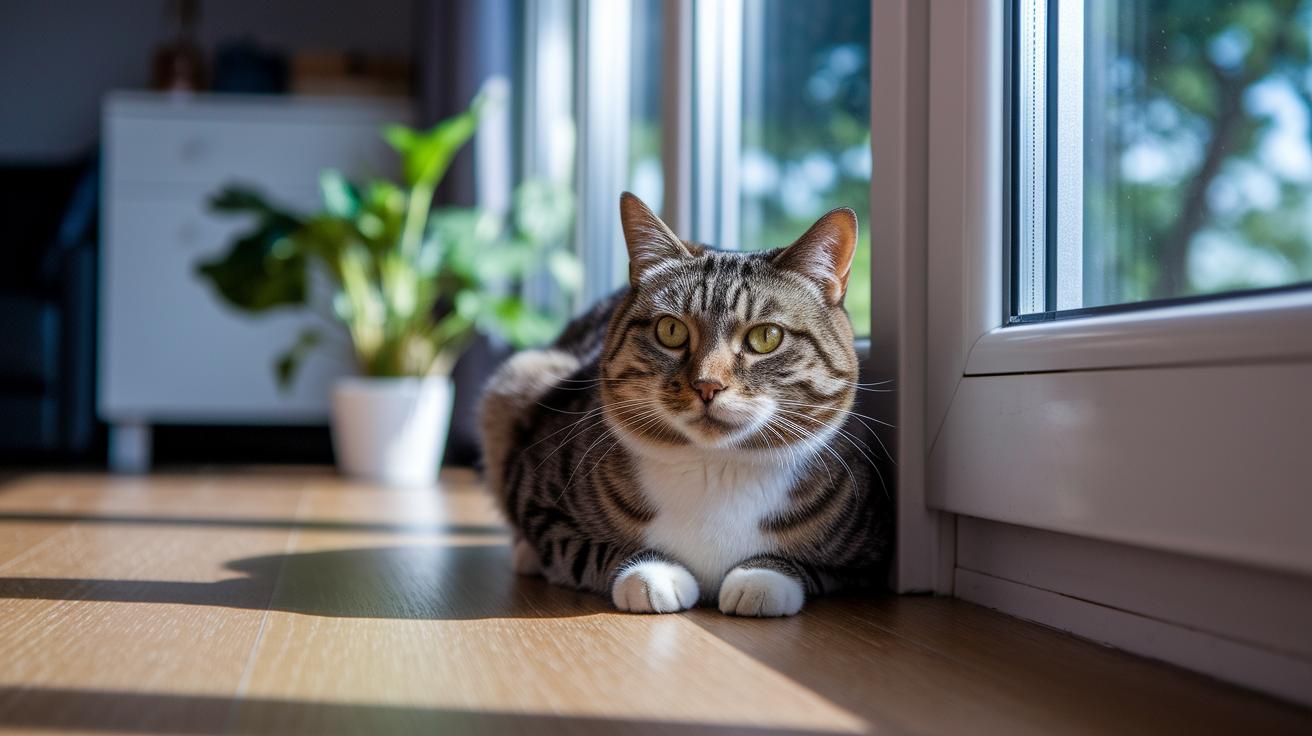
Notice if your pet stops being as playful as usual. A happy dog that used to chase its ball with enthusiasm might start ignoring it, almost as if it's lost interest in familiar pastimes. For example, you might recall saying, "My pup loved his ball, but now he just lies near it without any excitement." This shift in playfulness really calls for attention.
Keep an eye out for increased hiding. If your pet, usually sociable and eager for interaction, begins to retreat into corners or under furniture, it could be trying to cope with discomfort or stress. Unusual vocalizations like different whines or grumbles, especially when paired with other odd behaviors, can also signal pain or infection.
Watch for signs of sudden aggression or irritability, particularly when touched lightly. A pet that snaps or growls without much provocation may be protecting a sore spot or reacting to ongoing stress. Even a minor drop in appetite can point to underlying issues.
Trusting your instincts about these behavioral shifts, reduced play, tendency to hide, and irritability, ensures that you seek veterinary care before any problem escalates.
Physical Signs of Illness That Demand Attention
When your pet suddenly loses weight or starts vomiting, it's a clear sign something might be off. Keep an eye out for any rapid changes in how much your pet eats or how active they are. If you see signs like ongoing vomiting or diarrhea, it might be their way of telling you that they’re dealing with an infection, upset stomach, or another health issue. I remember a friend mentioning, "My dog stopped eating and began vomiting after dinner, which was totally unusual for him."
A steady cough or difficulty breathing means your pet’s lungs or heart might be struggling. Imagine noticing your pet coughing during a quiet afternoon – it’s a sign you shouldn’t ignore. This could indicate lung trouble or even issues with their heart. Also, if you find a new bump or lump on your pet, especially if they start limping or have trouble standing, take it seriously. Even a small bump can be a clue that something like organ problems or tumors may be developing.
| Sign | Possible Underlying Issue |
|---|---|
| Persistent Vomiting | Toxins, blocked intestines, or an infection |
| Chronic Diarrhea | Inflammation in the gut or parasites |
| Sudden Weight Loss | Metabolic issues or cancer |
| Persistent Cough | Lung infections or heart conditions |
| Labored Breathing | Lung disease or fluid build-up in the chest |
| New Lumps or Bumps | Tumors or abscesses |
Spotting these signs early gives you the best chance to visit your vet before a small problem becomes something bigger. Stay alert, your pet depends on you to catch these warning signals on time.
Guidelines for Scheduling a Veterinary Checkup
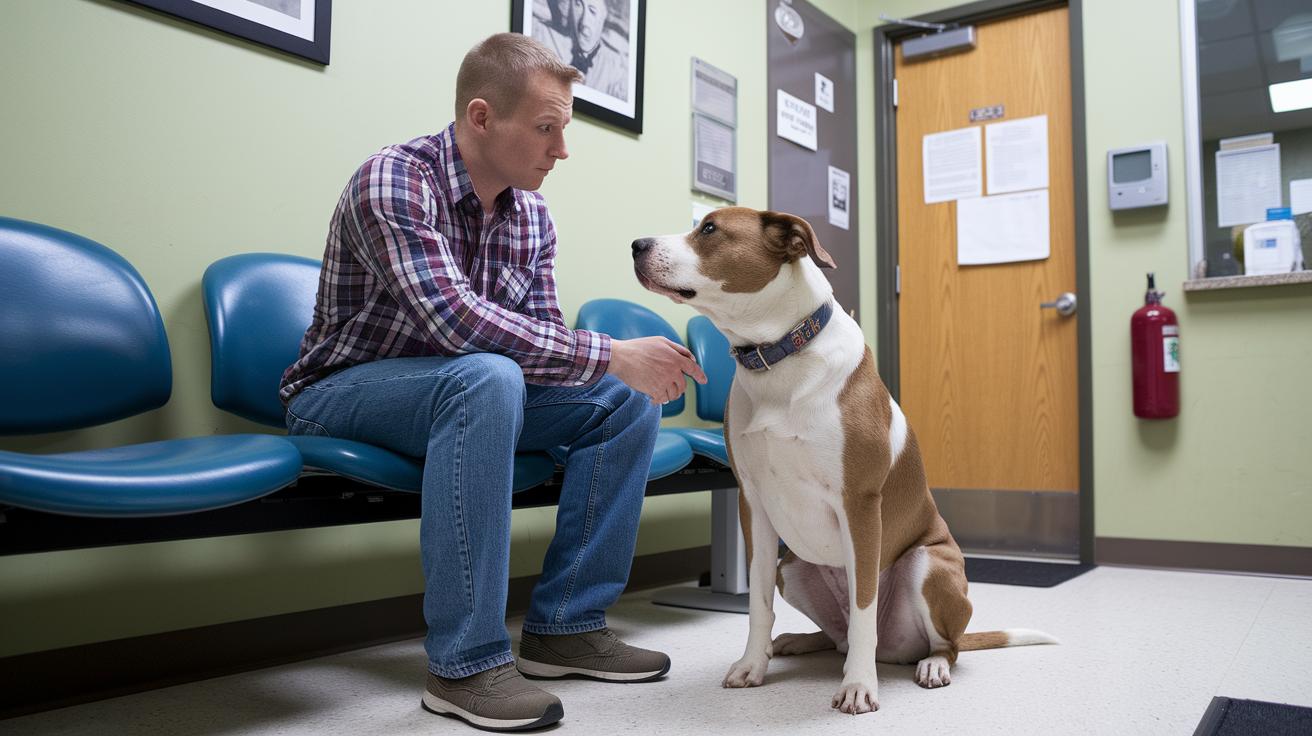
Sometimes it’s hard to know whether your pet needs a quick emergency check or just a regular visit to the vet. If your pet stops eating or drinking for an entire day, has been vomiting or has watery stools for more than 24 hours, struggles to breathe, collapses, or shows clear signs of pain, you should head to the vet right away. For example, if you notice your usually bouncy pet suddenly having trouble during play, it’s a sign to get help immediately.
On the other hand, if you only see small changes in your pet’s behavior or body, it’s okay to plan a regular checkup. Visiting the vet twice a year lets you keep an eye on weight, temperature, heart rate, and overall well-being before any small problems grow bigger. Imagine one sunny morning when your pet seems a bit less excited during their walk, a scheduled exam can help ensure everything is still okay.
| Immediate Visit | Routine Checkup |
|---|---|
| Not eating or drinking for a full day | Minor behavior or physical changes |
| Vomiting or diarrhea lasting over 24 hours | Biannual checkups to monitor overall health |
| Difficulty breathing, collapse, or clear signs of pain | Regular checks on weight, temperature, and heart rate |
Preventive Care and Routine Wellness Exams to Catch Problems Early
Sticking to regular check-ups is a simple way to catch problems before they become serious. Routine visits, parasite treatments, vaccine shots, and dental cleanings all work together to keep your pet feeling good. I remember hearing how regular dental care helped a pet avoid painful gum issues, a tiny effort that made a big difference.
Getting advice on what your pet should eat at different stages of life can really help avoid extra weight and tummy troubles. You might want to check out the pet health and nutrition center on Reipet.com for some great tips. Simple screenings in your area can even spot skin irritations or early signs of long-term issues before they worsen.
It also helps to jot down little changes in your pet’s appetite or activity each day. These notes can help your vet see patterns over time. With regular grooming and check-ups, you’re setting the stage for your pet’s long-term health while cutting down the chance of unexpected emergencies.
Home Monitoring Strategies to Detect Subtle Health Issues
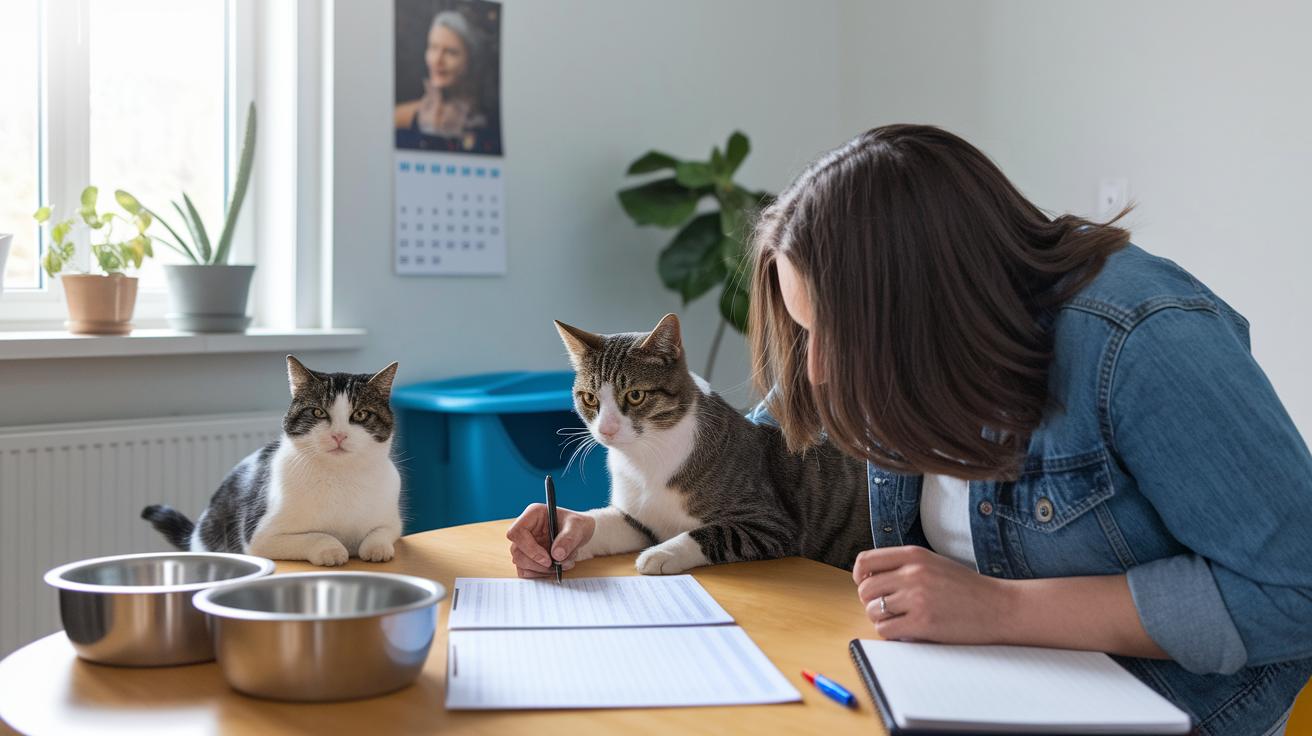
Keeping a simple log at home can really help you catch small health changes in your pet before they turn into bigger problems. Start by tracking your pet’s daily food and water. For example, if you see your dog’s bowl is less full than usual, it might mean his appetite is off or he’s drinking more water because he isn’t feeling well.
Next, watch how active your pet is and note their indoor bathroom habits. If your cat, for instance, used to use one spot for the litter box but suddenly starts going in other places, it might be a sign something isn’t right. A steady feeding and exercise schedule not only keeps your pet healthy; it also makes any unusual changes easier to spot.
Also, take a moment to check your pet’s coat and set aside time for tooth-brushing. If you notice extra dandruff or your pet seems to be avoiding their regular grooming, make a note of it. Writing down these little details, like changes in feeding or bathroom habits, gives your vet helpful clues to act on quickly. Keeping daily records is a great way to ensure you can notice changes early and keep your furry friend feeling their best.
Final Words
in the action, this guide highlighted early signs your pet needs a checkup, from small shifts in behavior to noticeable physical changes like unexpected weight loss or labored breathing. We walked through when to schedule a vet visit and shared home monitoring ideas to catch hidden issues. The advice here is simple yet powerful, helping pet parents catch subtle clues early. Regular wellness exams and careful observation make a big difference in keeping your pet healthy and happy. Stay positive and proactive for a thriving pet life.
FAQ
What are the signs your dog is dying?
Signs your dog is dying often include extreme lethargy, loss of appetite, labored breathing, and social withdrawal. These changes suggest a serious issue that needs immediate veterinary care.
Should I take my dog to the vet quiz?
The vet quiz checks if your dog’s symptoms—like vomiting, appetite loss, or behavior shifts—are concerning. It helps you decide whether a vet visit is needed for timely care.
How to treat a sick dog at home?
Treating a sick dog at home means keeping them comfortable, offering fresh water, and monitoring symptoms carefully. If signs persist or worsen, contact your veterinarian for proper guidance.
My dog is not feeling well; what can I give him?
If your dog isn’t feeling well, provide a quiet, cozy space and plenty of water. Avoid human medications, and reach out to your vet if symptoms continue to get recommendations for safe treatment.
Is my dog sick quiz?
The dog sickness quiz lets you assess symptoms like low energy or appetite. Answering these questions can help indicate if your pet’s condition warrants a professional vet evaluation.
When should I worry about a sick dog?
Worrying signs in a sick dog include ongoing vomiting, trouble breathing, lack of appetite, or sudden behavior changes. These symptoms signal the need for a prompt visit to your veterinarian.
When should I take my dog to the vet for vomiting?
Take your dog to the vet for vomiting if it lasts over 24 hours or is paired with dehydration or lethargy. These symptoms may reveal a deeper issue needing professional care.
Is my dog sick or depressed?
A sick or depressed dog may hide, lose interest in play, or sleep more than usual. These signs suggest discomfort or low mood and should prompt a consultation with your veterinarian.
What is the silent killer disease in dogs?
The silent killer in dogs often refers to diseases like kidney failure, which show few early signs. Regular veterinary checkups help catch these subtle changes before they turn severe.
How do I tell if my dog needs to see a vet?
Telling if your dog needs to see a vet comes down to noticeable changes in behavior, appetite, activity, or symptoms like vomiting and coughing. Early detection through these clues is key.
What is the 7 second rule for dogs?
The 7 second rule for dogs claims food on the floor is safe if picked up quickly. But bacteria can attach almost immediately, so it’s best to keep your pet from eating dropped food.
What are five common signs you might notice if a dog is worried or anxious?
Common signs include excessive panting, pacing, whining, avoiding interaction, and hiding. Recognizing these behaviors early allows you to help calm your pet or seek advice from a veterinarian.