
Ever wondered if your pet could be a little hero? Imagine a playful game where your pet hops, weaves, and dashes through a mini obstacle course. Pet agility training turns a regular day into an exciting adventure that sharpens their mind and stretches their little muscles.
Started in 1978, this fun sport grew from a simple idea. It mixes basic commands like “sit” and “jump” with smart, nimble moves. The result is a joyful routine that not only keeps pets active but also brings you two closer, as if you were partners on a thrilling treasure hunt.
Think about it: watching your pet weave through a series of hurdles or dart around a cone is like catching a glimpse of their hidden superhero. And honestly, don’t we all love a little extra energy and happiness in our day?
Understanding Pet Agility Training Basics
Pet agility training is a fun, timed course filled with obstacles where pets shine through speed and clever moves under the guidance of their handler. It all started in 1978 in England when a playful show, kind of like a mini horse jumping contest, revealed just how naturally athletic our pets truly are. Can you imagine that spark of inspiration that turned a simple idea into a sport celebrated by pet lovers all over the world?
In the U.S., different groups keep things fair and exciting. For instance, NADAC sets up courses that focus on speed, while USDAA designs courses that test a pet’s technical skills, and the AKC also plays its part. Agility training welcomes every pet, whether you have a lively Border Collie, an energetic Aussie, a small yet spirited Chihuahua, or a graceful Papillon.
Beyond the thrill of racing through obstacles, agility training offers physical exercise, a brain boost, and a chance for pet parents and their furry pals to grow closer. It even helps ease anxiety and reduces unwanted behaviors at home. In short, agility training is a fantastic way to keep our pets active, content, and full of that joyful energy we all love.
Basic Agility Fundamentals for Pets
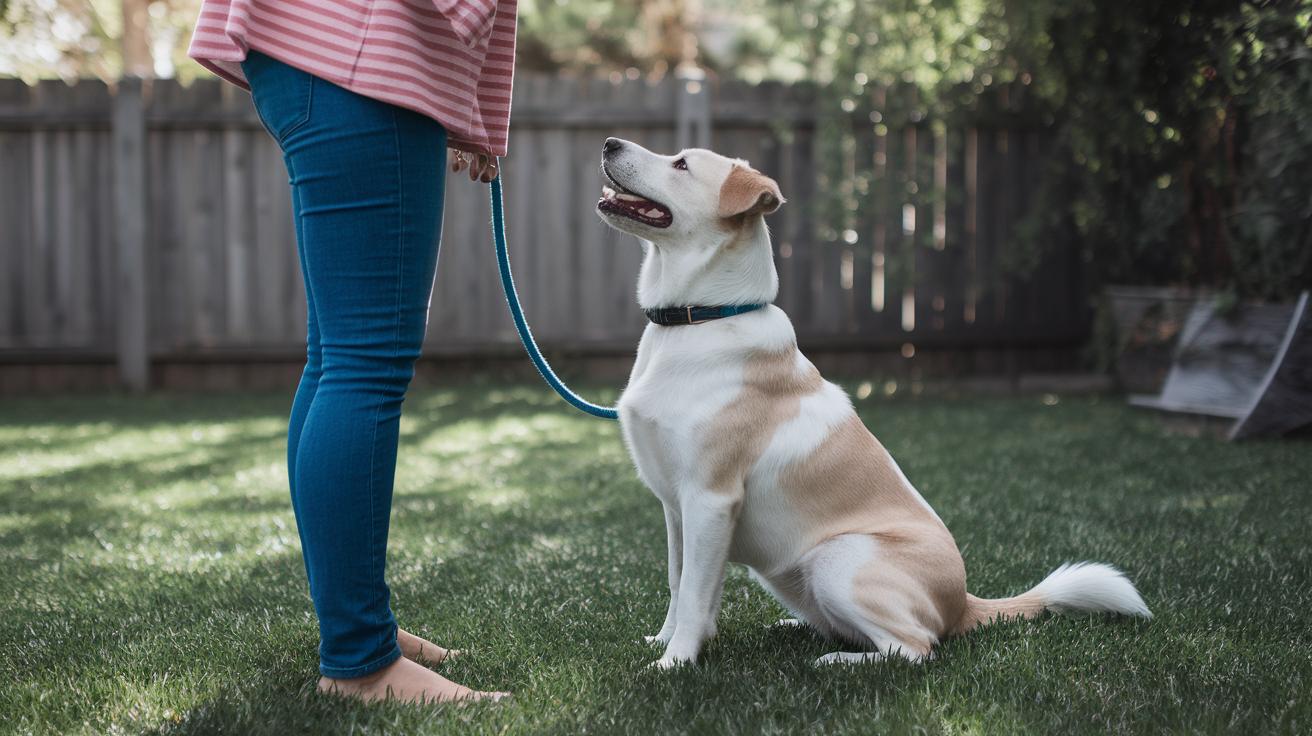
When you begin agility training with your pet, it all starts with the basics. Getting your pet to sit, lie down, come when called, heel, and stay lays the groundwork for more fun challenges later on. If you’re looking for a little extra help, you might want to check out some dog obedience training tips at home using this link: https://reipet.com?p=1009. This strong foundation makes learning new commands a breeze and keeps your furry friend focused.
After these basics are mastered, it’s time to work on boosting focus and spatial awareness. Simple commands like "Watch Me" or "Look" can really help your pet tune out all the distractions around them. Plus, mixing in some playful drills, like nose targeting, backing up, and hoop jumps, can improve their balance and turning skills.
Here are a few tips to get you started:
- Begin with basic obedience moves such as sit, down, come, heel, and stay.
- Practice focus commands like "Watch Me" or "Look" to keep your pet's attention.
- Try nose targeting exercises to boost their spatial awareness.
- Add backing up and hoop jumps for better body control.
- Experiment with fun flexibility drills like spinning, figure-eight weaving, and bowing.
Pet Agility Training Overview: Energizing Pet Fun
When setting up an agility course, having the right gear is key. It keeps training fun, safe, and just challenging enough for your pet. A great course mixes obstacles like the A-frame, dog walk, teeter-totter, tunnels, jumps, and weave poles to create a lively run for your buddy. Ever seen a pet light up with excitement when they nail a new challenge?
Each obstacle is carefully designed to give clear cues. For example, the A-frame, dog walk, and teeter-totter feature marked contact spots that tell your pet when to slow down and land safely. A tunnel’s clear entry helps guide your pet, and jumps along with weave poles refine timing and smooth out their run.
When you pick out gear, look for obstacles built with portable, weather-resistant materials and non-slip surfaces. This means fewer slips and falls whether you’re training indoors or out. You might even check out a pet supplies buying guide for more ideas. With durable and affordable options at hand, you can create a course that not only tests agility but also deepens the bond between you and your pet.
A smart mix of challenges helps boost your pet’s balance, speed, and overall coordination, all while making every training session a joyful adventure.
| Obstacle | Purpose |
|---|---|
| A-frame | Boosts balance and signals safe landings |
| Dog Walk | Improves stability and smooth movement |
| Teeter-totter | Builds equilibrium with clear contact zones |
| Tunnel | Guides direction and raises confidence |
| Jumps/Weave Poles | Enhances timing and overall agility |
Beginner Agility Training Steps for Pets
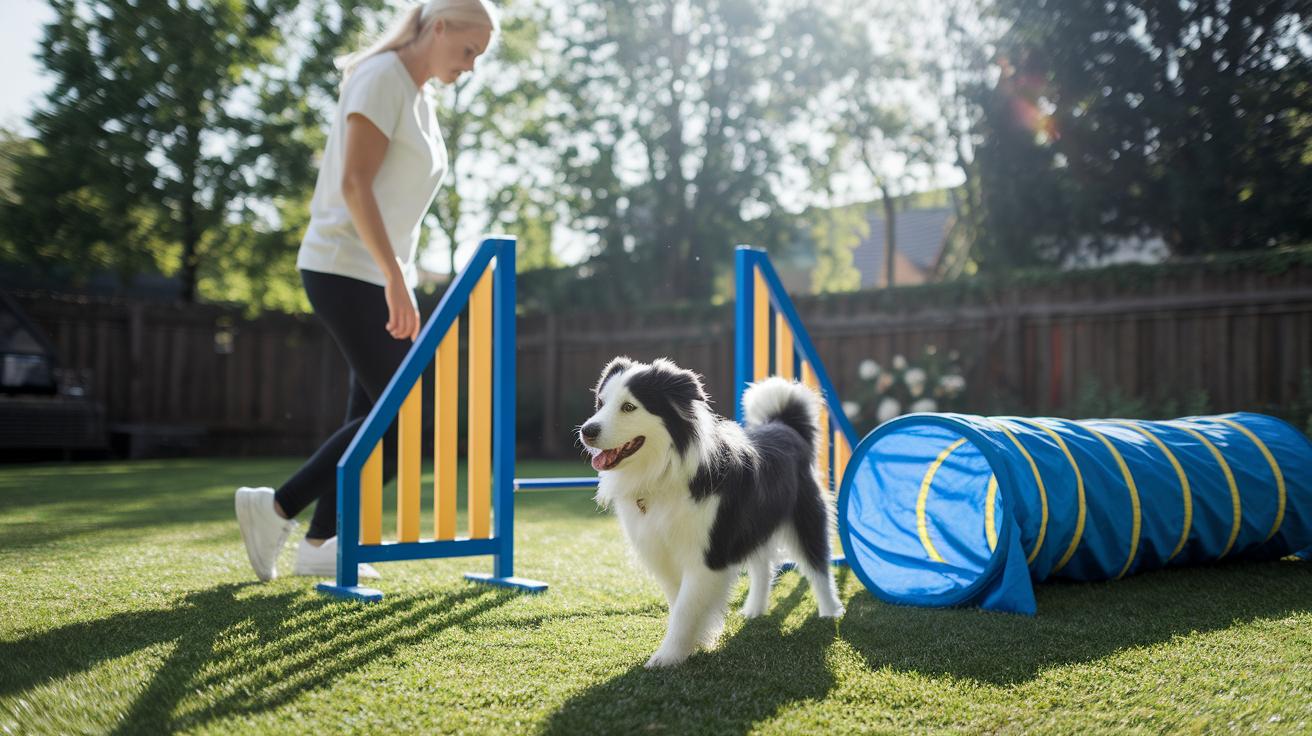
Start by reviewing basic commands like sit, down, come, and stay, using simple cues such as "Watch Me" or "Look." This warm-up gets your pet ready for the next level. For example, say "Watch Me" like you're inviting your friend on a fun stroll in the park.
Once your pet is comfortable with these basics, introduce easy, homemade props like low jumps or short tunnels. These fun obstacles build your pet’s confidence while reinforcing the commands. Try setting up a little jump and say "Step up," picturing your pet happily leaping over a garden log during a backyard adventure.
When your pet feels at ease with the homemade props, gently move on to using proper agility equipment like the A-frame, dog walk, and teeter-totter with safe zones. Connect a few obstacles using clear verbal cues and hand signals to create a smooth, continuous course. For instance, combine two obstacles by saying "Let’s go," as if you’re guiding your pet through a mini outdoor exploration.
Safety Measures in Pet Agility Training
When it comes to agility training, keeping your pet safe is the number one rule. Only healthy, mature pets should run the full course, while puppies should begin with easier, gentle exercises until they’re around 12 to 18 months old before trying the tougher obstacles. And if your pet has sensitive joints or backs, switching to lower jumps and softer landing spots can really help keep them comfortable.
It’s also important for you as a handler to stay fit, balanced, and quick on your feet so you can guide your pet confidently through a busy course. I always recommend starting each session with a good warm-up and some stretching, and it’s smart to have routine vet check-ups to catch any little issues early.
Also, setting up a routine of gentle stretching that feels like a relaxed morning walk can set the pace for the whole session. Adjusting the equipment to suit your pet’s unique needs and keeping a regular vet schedule means you’re always a step ahead in spotting any problems. With these simple safety tips, every agility session becomes a fun, secure, and effective way to connect with your pet while helping boost both their body and mind.
Physical and Mental Benefits of Pet Agility Training
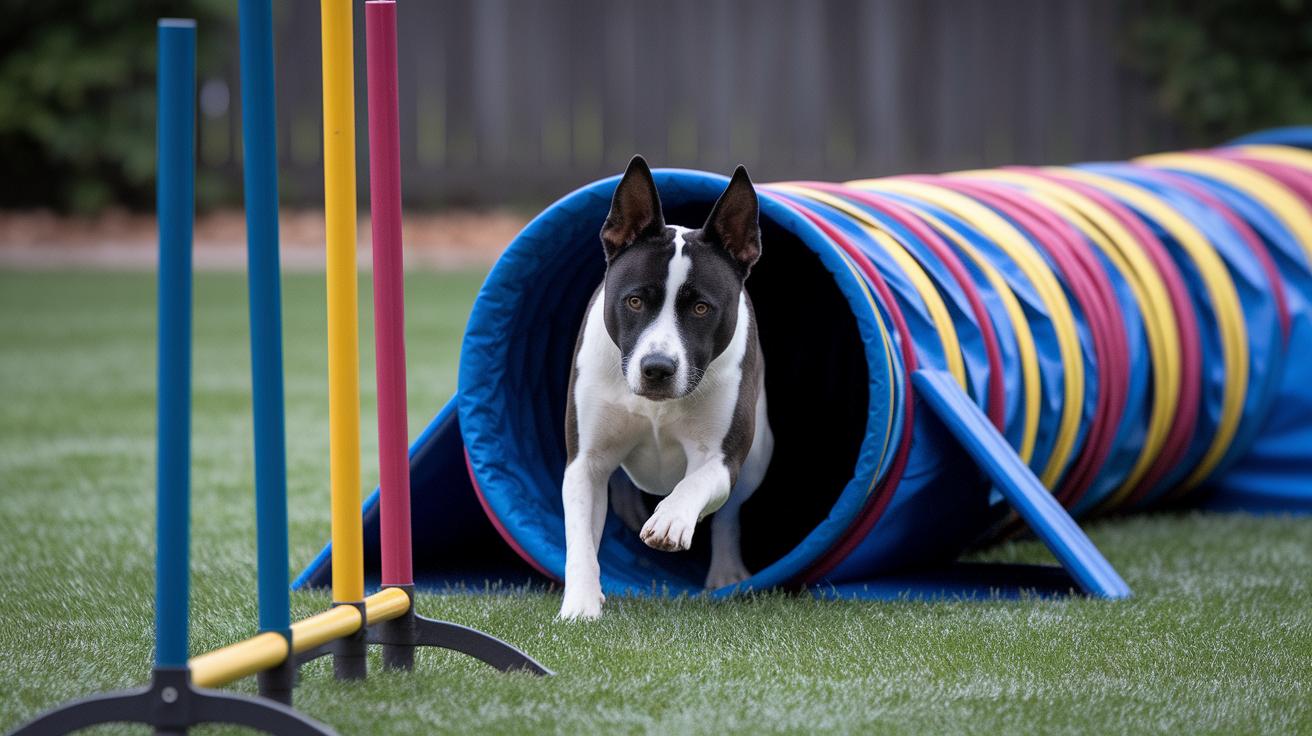
Agility training is a fun way to help your pet stay active and healthy. It gives your furry friend a good heart workout, builds up muscle, and improves how they move. When your pet races through tunnels, leaps over small hurdles, and weaves through poles, it’s not just burning off extra energy, it’s also helping them build balance and move more smoothly.
This training isn’t just about staying fit. It challenges your pet's mind, too. As they figure out the course, they learn problem-solving, sharpen their focus, and gain confidence with every run. It’s like a little brain booster that keeps stress and bad habits at bay. Plus, every session is a chance for you to bond with your pet, sharing little victories and lots of joyful moments. And if you’re out with others doing the same, your pet even gets a chance to meet new friends along the way.
Resources and Next Steps in Pet Agility Training
Start your journey by checking out local clubs tied to groups like NADAC, AKC, or USDAA. These clubs are easy to find on regional websites and they bring together pet lovers who are as excited about agility as you are. Along with joining a club, you can dive into online courses and watch easy-to-follow video guides to build up your skills step by step. And if you need a bit more help, why not explore some positive reinforcement dog training tips at https://reipet.com?p=881? They’re great for boosting your pet's confidence and abilities.
If space or budget feels tight, you can also try making your own obstacle courses at home with DIY tutorials, they’re fun and won’t break the bank. You might even want to attend weekend agility trials, whether you’re in it for friendly fun or a little competition. These events offer hands-on feedback you can really count on. Plus, chatting with other pet lovers at club meetups or local events will help you plan your next training session while making new friends along the way.
Final Words
In the action, pet agility training overview featured essential basics, practical steps, and smart equipment choices to boost your pet's confidence and fun. We covered obedience, focus, and handling techniques that prepare your pet for physical challenges. Safety measures and gradual beginners’ steps ensure both mental and physical growth in a secure way.
Additional resources guide you toward community classes and online tips to keep learning. Enjoy each new leap and bound as your pet shines brighter with every step forward.
FAQ
What is dog agility training for beginners?
Dog agility training for beginners is a fun way to build your pet’s speed and coordination using simple obstacles and basic obedience techniques that encourage safety and confidence.
What equipment is used in dog agility training?
Dog agility equipment includes items like the A-frame, dog walk, tunnels, jumps, and weave poles. These tools help develop balance, coordination, and focus while keeping training fun and safe.
How can I find dog agility training near me?
Dog agility training near you means seeking local clubs, classes, or community events affiliated with organizations like AKC or USDAA that offer guided sessions and group practice opportunities.
How do I start dog agility training at home?
Dog agility training at home involves setting up basic, safe obstacles—like low jumps or short tunnels—in your yard to improve your pet’s coordination, promote exercise, and strengthen your bonding.
What is involved in dog agility competitions?
Dog agility competitions consist of timed courses with a variety of obstacles where dogs and handlers work as a team to demonstrate skill, precision, and effective communication under competitive conditions.
How can dog agility videos help improve training?
Dog agility videos provide step-by-step visual guidance on obstacle navigation, techniques, and training progressions, making it easier to learn and model effective strategies for agility.
What do dog agility organizations do?
Dog agility organizations, such as NADAC, USDAA, and AKC, set official rules, host events, and provide resources that support training, competitions, and local club connections for pet lovers.
What defines an agility dog?
An agility dog is a pet trained to complete obstacle courses with speed and accuracy, showcasing their physical skill, mental focus, and seamless teamwork with their handler during training sessions.
What does a dog agility course consist of?
A dog agility course consists of obstacles like jumps, tunnels, weave poles, A-frame, and teeter-totters. Each element is designed to challenge and improve a pet’s balance, coordination, and concentration.
What are the key principles in dog training like the 5 D’s and 3 C’s?
The 5 D’s and 3 C’s of dog training refer to structured, discipline-based principles that focus on direction, consistency, and clear communication, guiding practical techniques for effective, positive training methods.
What are the essential components of agility training?
The essential components of agility training typically include speed, coordination, power, precision, and flexibility. These skills work together to boost your pet’s performance and enjoyment on the course.