
Ever thought about turning your living room into a fun agility course for your dog? You can use everyday items to set up little jumps and tunnels right at home. Not only does this boost your pup's strength and balance, but it also builds your special bond.
Mix in some tasty treats with playful challenges, and you'll see your furry friend grow more confident with every step. It’s like putting on a mini training show for your pet, where every trick is a small win.
Ready to create a cozy, action-packed playground that makes both your heart and your dog's tail wag?
Essential At-Home Dog Agility Exercises: 5 Step-by-Step Routines
These simple exercises do more than boost your dog's physical skills, they also deepen the bond you share. When you practice these routines at home, you're giving your furry buddy a chance to build confidence, timing, and coordination, which are the building blocks for more exciting agility challenges.
Regular sessions with these drills turn training into a fun game. Everyday items at home become clever tools for exercise, and rewarding your pet with a treat or a kind word makes them eager to learn and try even harder.
-
Nose-to-Hand Target Touch
Start by holding a treat in your open palm. Say “touch” with a friendly hand gesture. When your pup’s nose makes contact, shower them with praise and a treat. Once they get the hang of it, try moving a bit farther away to keep things interesting. -
Walk Then Jump Through a Hoop
Place a hoop on the floor so your dog can easily walk through. Use a simple cue like “through” and give a reward every time they pass successfully. Gradually raise the hoop a little higher to add a fun challenge, which builds both confidence and strength. -
Low Balance Beam
Set up a balance beam by placing a sturdy plank between two solid supports, like boxes or chairs. Guide your dog across using a calm “walk” command and finish the exercise with a “sit” or a gentle touch. This drill is a fun way to boost your pet’s sense of balance. -
Handling Skills
Arrange a few household items to create a little pathway. Lead your dog around them with clear voice commands and simple hand signals. This exercise not only sharpens their focus but also strengthens the way they understand your body language. -
Wrap-Around Drill
Line up cones, buckets, or even a trash can in a row. Ask your dog to “wrap” around these objects by weaving in and out. Start slowly, and as your pet’s agility grows, pick up the pace for an extra burst of excitement.
Keep practicing these fun routines to see improvements in speed, coordination, and focus, all while making your connection with your loyal companion even stronger.
Living Room DIY Obstacle Setup for Dog Agility
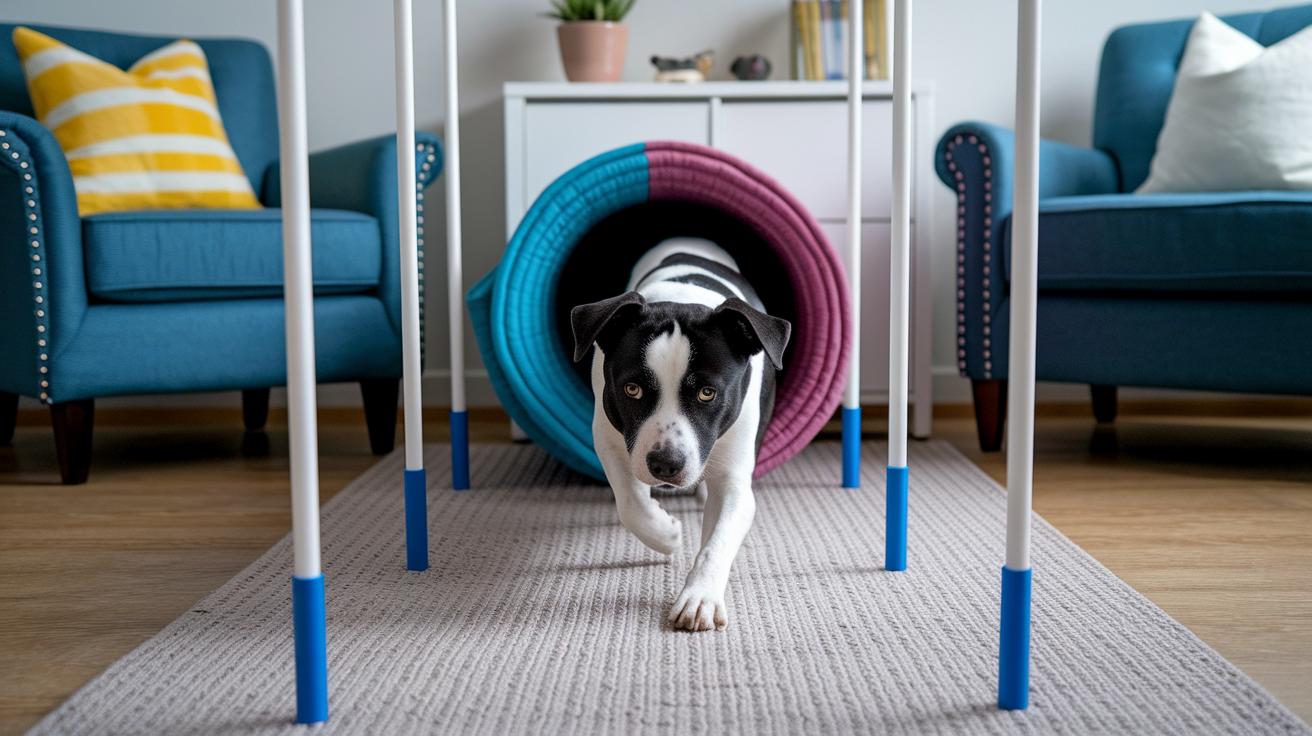
Set up six upright household items, like broom handles balanced on weighted bases, arranged in a neat line to serve as weave poles. Lay down a non-slip rug or yoga mat under each one to keep your dog's paws safe. Make sure there's about 2 to 3 feet of clearance around each pole so your furry friend can weave through easily. Start by encouraging your dog to walk slowly through the poles, letting them build confidence before picking up the pace.
Next, create a simple tunnel course by draping a blanket over chairs or tables. Use a stable surface, like a non-slip rug, so everything stays secure. Keep about 2 to 3 feet of clear space at both the tunnel’s entrance and exit so your pet can move comfortably. This low-stress tunnel gives your dog a chance to build trust and enjoy early wins in agility training.
For an indoor hoop setup, grab an embroidery or hula hoop and secure it at floor level. Place it on a non-slip surface and leave enough room, roughly 2 to 3 feet of clearance, so your dog can pass through without any trouble. Begin by having your pet simply walk through the hoop, and as they grow more confident, you can gradually raise it for a light jump. This careful, step-by-step approach ensures your dog's safe progress while keeping training fun.
Backyard Jump and Ramp Challenges for Home Agility
Jump hurdles are a great way to help your dog get stronger and more agile. You can easily make your own by using a PVC pipe or a broom handle balanced on a bucket or chair. Start with a low height of about 4 to 6 inches. When your dog gets the hang of it, raise the height slowly by 2 inches at a time. This careful increase helps build the muscles in your dog's hindquarters and keeps their joints healthy, all while making the exercise fun. And if your pet clears the hurdle correctly, be sure to reward them with treats or kind words right away.
For ramp challenges, set up a strong plank on top of sturdy boxes or crates to form a gentle slope. Teach your dog clear “up” and “down” cues as they walk along the ramp. This practice boosts their balance and confidence on inclines, and it encourages smooth, steady movements. Start with a very gentle ramp, and once your dog feels safe, slowly increase the angle to add a bit more challenge. Always celebrate their progress with immediate praise or a little treat.
Don’t forget to keep a training log. Write down each new height and any changes in the ramp’s angle. This way, you can track progress safely, watch your dog’s muscle strength, coordination, and overall confidence grow, and enjoy every little success together.
Canine Coordination and Balance Drills You Can Do at Home
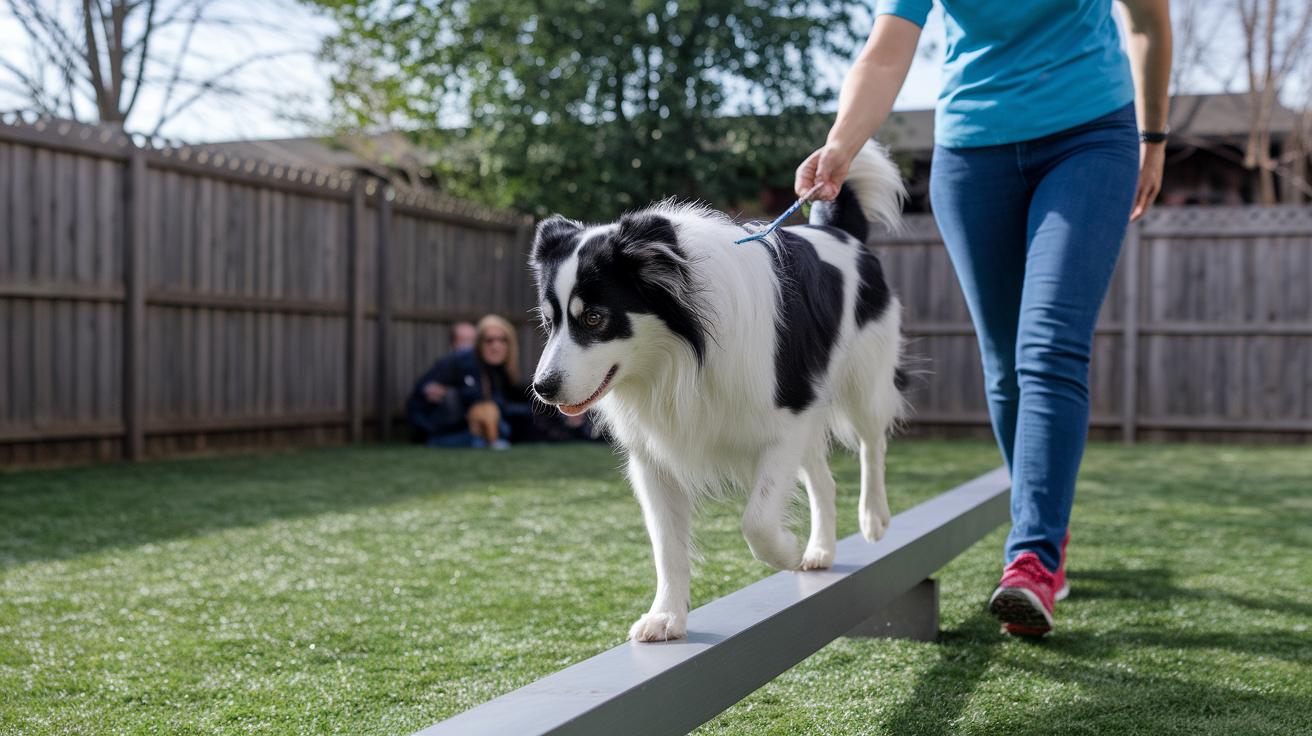
Building balance is key to helping your dog be agile and strong. It helps stabilize their joints and improves how their muscles and nerves work together. You might already know drills like the low beam or wrap-around exercises, but you can also add new twists to keep your dog challenged and engaged.
Sprinkle in some extra steps to the basic beam and wrap-around drills. If your dog seems unsure on the beam, break the exercise into smaller parts and praise each small win. And if tight turns during the wrap-around feel hard, slowly bring the objects closer together until your pup feels more sure of themselves.
Give the lateral movement drill a try. Set up a row of small markers or cones in a line, and use a simple cue like "side step" to guide your dog to move sideways. Imagine your dog gliding along like a shadow on a bright sidewalk. This fun drill helps them become more aware of their body as they move from side to side.
Next, try the pivot drill. Lead your dog to a spot, then use a treat to encourage a 180-degree turn with a cue like "pivot." Picture your dog spinning gently, almost like a dancer taking a graceful twirl. If a full spin is too much at first, start with 90-degree turns and slowly work up as they gain confidence.
Mix these drills into your regular routines to keep your dog excited and building better coordination and balance.
Progressing Dog Agility: From Puppy Basics to Advanced Drills
Having a simple, step-by-step plan helps your dog learn agility in a fun and clear way. By following a basic roadmap, each training session builds on the last, helping your pet gain focus, strength, and coordination.
Start with easy exercises and short circuits to lay the groundwork. For young pups, try flat platform walks and nose-touch targets that help them get used to moving their bodies and paying attention. These gentle moves are key to developing early agility skills. Once your pup feels comfortable, mix in a second obstacle, maybe a low balance beam combined with a target touch, to create a very basic circuit. Running through two or three moves in a row helps build their confidence and teaches them to follow simple commands like sit, stay, and target.
When your dog has nailed the basics, you can start adding some tougher challenges. Slowly raise jump heights and add a weave pole course with four to six poles to boost their coordination and strength. Then, if your furry friend is ready, you can put together advanced drills. Imagine a course that starts with a jump, moves into a tunnel, and finishes with a weave sequence. These more complicated patterns work on speed and precision, making training feel like a fun and exciting game.
Keep a close eye on how your dog is doing and tweak the exercises as needed. You might change the order of obstacles, adjust the heights, or alter the timing of rewards to keep each new challenge safe and fun. Remember, every small step forward is a win, and soon your dog will be showing off some amazing agility skills.
Safety, Motivation, and Reward Systems in Home Agility Training
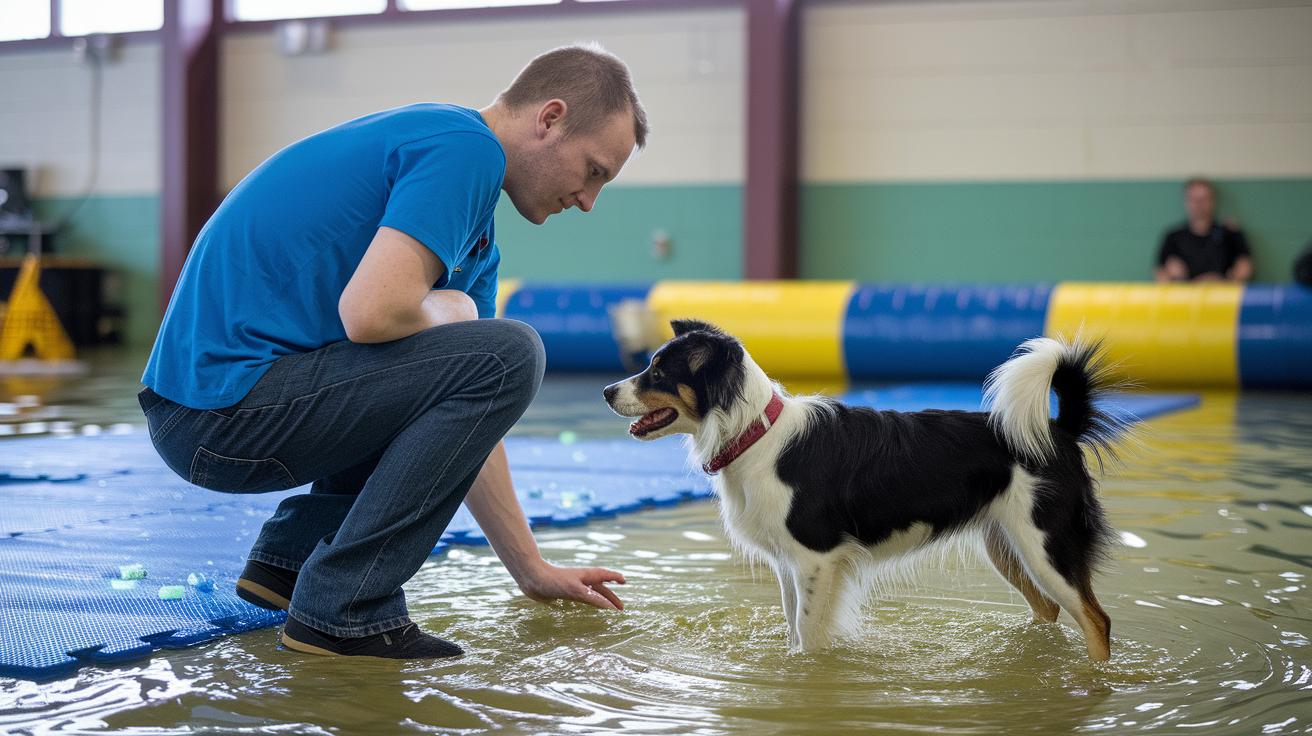
Start by creating a safe space for training. Use non-slip mats and keep obstacles low during warm-ups so your pet stays secure. Always watch your pet closely and check any household items you plan to use to make sure they’re steady. Limit each drill to 5 to 10 minutes, and give your pup short breaks with fresh water. For instance, try a drill for a few minutes, then pause so your dog can catch its breath. This simple step helps keep energy steady and prevents injuries.
Next, set up a reward system that mixes tasty treats, kind praise, and a quick play session. If you’d rather not rely on food, you can use interactive toys to keep your pet excited and focused. Giving a reward right after each successful drill helps build good habits and keeps the fun going. Creating a weekly routine, like three 15-minute sessions, builds consistency and helps your dog manage their energy throughout the training.
Finally, keep track of your progress by noting milestones and little wins. Whether it’s a quicker lap or smoother movement on the course, take a moment to celebrate these achievements. Recognizing these successes not only boosts your dog’s confidence but also keeps both of you motivated for the next challenge.
Final Words
In the action, this article walked through five easy routines using household items, from teaching target touches and balance beam crossings to setting up a homemade tunnel and hoop challenge. It also explored creative indoor and backyard obstacle setups that boost your dog's focus, strength, and coordination. Each drill builds on safety, motivation, and reward systems to help refine your pet’s skills. Enjoy trying these dog agility exercises at home, and watch your furry friend grow more confident, agile, and happy every day!
FAQ
How can I do free dog agility exercises at home with no equipment?
The free dog agility exercises at home use everyday items like chairs, broom handles, or treats. They let you guide your pet through fun movements to boost agility and coordination.
Can you teach your dog agility at home?
The idea of teaching dog agility at home means you can create safe, simple drills using common household objects, gradually building skills and confidence without needing professional classes.
What equipment do I need for dog agility training?
The dog agility training equipment can be as simple as hoops, planks, or cones. Both indoor and outdoor setups work by using safe household materials to develop your dog’s balance and jumping skills.
Where should I start with dog training and agility for beginners?
The dog agility training for beginners starts by teaching basic cues and practicing simple drills like target touches and low jumps, building a strong foundation with consistent positive reinforcement.
What are the 3 C’s of dog training?
The 3 C’s of dog training are clarity, consistency, and compassion. These principles ensure your commands and rewards are clear, your methods remain steady, and you always show gentle care.
What is the 123 method for dogs?
The 123 method for dogs is a stepwise training approach where you first introduce a cue, next reinforce it with a treat or praise, and then practice until it becomes a habit. It builds clear routines.
What age should a dog start agility training?
The age to start dog agility training is typically when your dog has basic obedience skills, often around 6 to 12 months for puppies, ensuring their bodies are ready and their focus is developing.
What are some effective dog agility jumping exercises?
The dog agility jumping exercises involve using low hoops or improvised hurdles to strengthen your dog’s hindquarters and improve coordination. Gradually raise the height as your dog builds confidence.
What should I know about agility tunnels for dogs?
The agility tunnel for dogs is a fun, enclosed path often made from blankets draped over chairs. It builds confidence by encouraging your pet to navigate confined spaces safely and gradually increasing difficulty.
How do I adapt agility training for small dogs and puppies?
The small dog agility and puppy agility training focus on low-impact exercises, shorter distances, and gentle surfaces. They use simple drills that suit smaller bodies and gradually develop strength and attention.
What is ACT dog training?
The ACT dog training method emphasizes positive reinforcement and clear cues. It focuses on building skills through structured, enjoyable activities that encourage learning while keeping the dog engaged and motivated.
Where can I find dog agility training near me?
The search for dog agility training near you can start online or at local pet clubs. Ask fellow pet owners or trainers who share local training sessions and community-based agility classes.