
Ever thought your pet’s checkup might be missing a few important steps? There are so many details to consider – like finding the right collar and ID tag, ensuring travel safety, and stocking up on feeding essentials – that it can feel a bit overwhelming, especially if you’re new to pet care.
This easy-to-follow guide is here to help. It breaks down a complete pet checkup checklist to build a strong foundation for your pet’s safety and well-being. From first aid basics to the proper vaccination schedule, each step is explained in simple terms so you can give your furry friend the best start possible.
Ready to make pet care fun and stress-free? Let’s dive in and set your pet up for a happy, healthy life.
Complete Pet Checkup Checklist Every New Pet Owner Should Follow
Start with the basics. A sturdy collar and ID tag are your pet’s first line of defense if they ever wander off. For small pets, a Li’l Pals® collar works well, while bigger or older pets may need an adjustable or breakaway option that lets you easily update your contact info.
Next, think about safety during travel. A Bergan® Comfort Carrier is a smart pick, whether it’s your pet’s first ride home or a quick trip to the vet.
For feeding time, choose stainless steel food and water bowls. They’re easier to clean and last longer than plastic ones. It’s like giving your pet a fresh start with every meal!
Also, put together a pet-specific first aid kit. Pack in items like bandages, antiseptic spray, and pet-safe cleaning supplies to handle any little accidents. Then, plan out the first vaccination schedule to cover essentials like rabies, distemper, and parvovirus. Remember, routine parasite treatments are important too, check out the guidelines on preventative pet health.
This checklist helps you build a strong foundation for your pet’s safety, good nutrition, and ongoing health care.
Pre-Checkup Preparations in the Pet Checkup Checklist
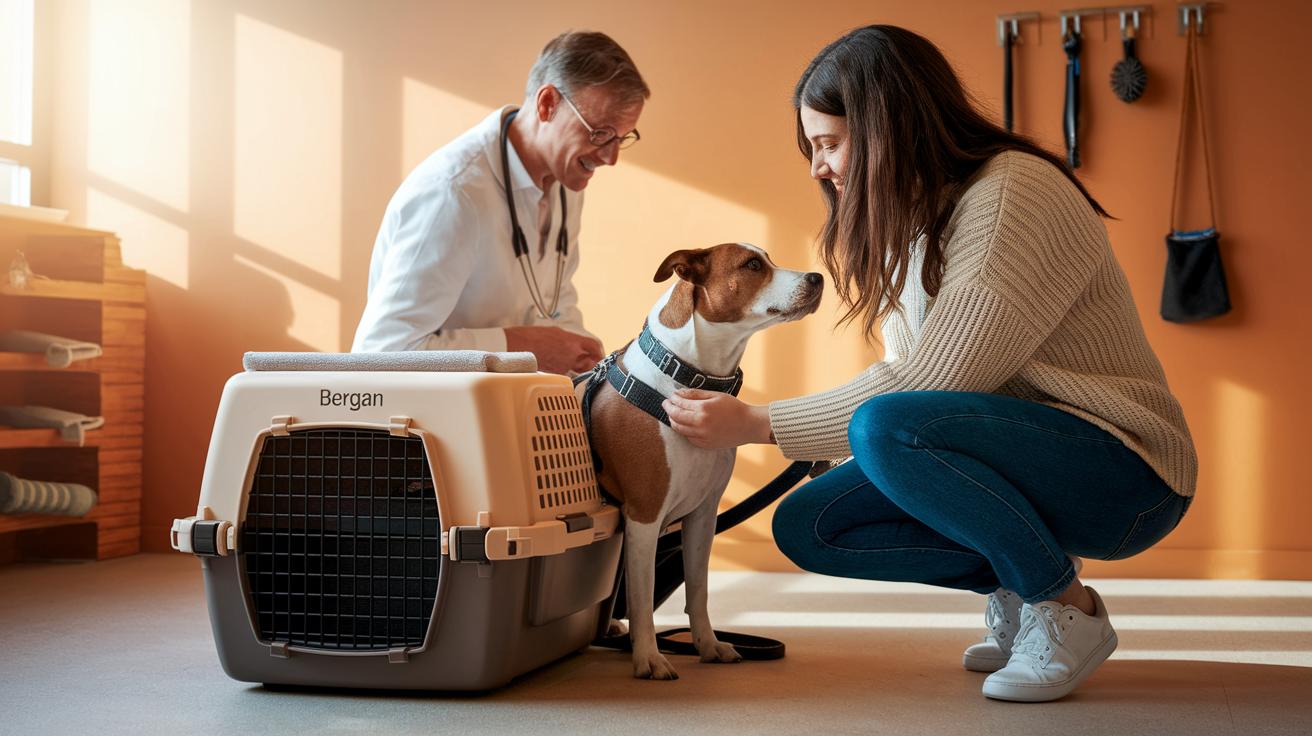
Start by picking a veterinarian who really gets your pet’s needs. Chat with a trusted vet or even someone who’s cared for your pet before to get straightforward nutrition tips, you’ll want to know the right feeding guidelines for your pet’s age and breed.
Then, pull together your pet’s travel and grooming items. Make sure your pet is wearing a collar, leash, or harness that fits just right, and keep a secure Bergan® Comfort Carrier handy for safe trips. Also, have grooming tools like Safari® or Li’l Pals® nail trimmers and a flea comb on deck so you can easily check your pet’s coat and nails at home.
Next, gather any medical records you might have and note down past vaccination dates. This helps you set up an immunization plan. Keep these papers ready for your first appointment, following the guidelines on the pet health check page can really make the process smoother.
Lastly, add a few basic first aid items like bandages and antiseptic wipes to your kit, just in case. And don’t forget to plan some regular exercise routines to keep your pet active and joyful between vet visits. With these simple steps, you’re all set to ensure your new companion stays healthy and happy.
In-Clinic Pet Checkup Checklist: Key Examination Steps
When you take your pet for their first checkup, the vet begins by checking important signs like temperature, pulse, and breathing. Imagine gently placing your hand on your pet’s chest and feeling that steady beat, it’s a warm reminder that your buddy’s heart is hard at work. This simple check helps catch any early issues right away.
Next, the vet looks over your pet’s body shape and weight. They check the muscle tone and overall build, almost like a quick fitness check to see if your pet is growing just right. The skin and coat also get a close look to spot any dry patches, lumps, or unexpected hair loss.
Then, the vet examines the ears, eyes, and mouth with care. They check for any signs of infection like red, irritated eyes or ears that might have a little discharge. A look inside the mouth is equally important, think of it as a smile check-up to ensure there’s no tartar buildup or gum trouble.
Finally, your vet reviews your pet’s records to make sure the flea, tick, and heartworm preventatives are all current. They might also suggest routine tests like a blood panel or a stool exam. These steps are key in keeping an eye on your pet’s overall health and planning the best care for future visits.
Vaccination & Parasite Prevention in Your Pet Checkup Checklist
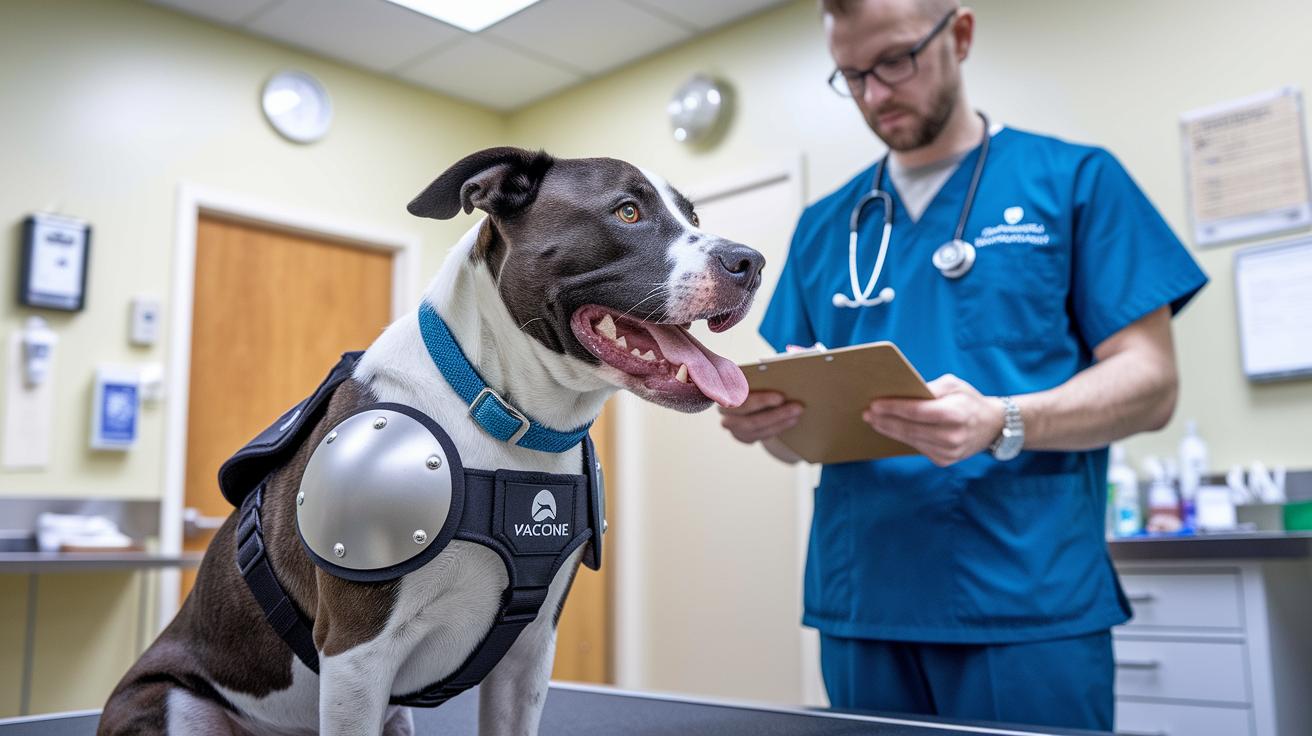
Keeping your pet safe starts with staying current on their core shots like rabies, distemper, and parvo. Think of each vaccine as a layer of superhero armor that builds up your pet's defense. I like to imagine every shot as a new piece of armor that helps protect them. Be sure to write down your pet’s vaccination dates and chat with your vet about when to schedule booster shots.
Next, follow your vet’s advice for monthly parasite prevention to keep fleas, ticks, and heartworms at bay. Stick with trusted products and check out the latest tips on preventive veterinary medicine for extra peace of mind.
It also helps to have a small first aid kit and basic grooming tools like a flea comb nearby, so you’re ready to handle any little issues that might pop up.
Nutrition, Exercise & Home Monitoring in the Pet Checkup Checklist
Start with your pet's feeding routine. For mealtimes, use stainless steel bowls for food and water since they’re safe and super easy to clean. Keeping fresh water available every day means a happy, healthy pet. And don’t forget to touch base with your vet about the best diet for your pet’s age and breed.
Next, let’s talk about getting your pet moving. Offering fun, age-appropriate toys, like those from Coastal’s Turbo or Rascals collections, adds a playful twist to daily exercise. A quick walk or a playful session not only boosts their energy but also makes every day feel like a mini adventure.
Grooming plays a big part in home care too. Take a moment now and then to check your pet’s skin and coat for any signs of irritation, extra shedding, or little bumps. A quick look can help catch issues early and keep your pet comfortable. For helpful tools, you might want to check out some pet grooming supplies.
Keep an eye on your pet’s temperature as well, if it rises suddenly, it could mean they’re not feeling well. And remember dental care: watch for tartar buildup or odd smells that might signal trouble with their oral health. Staying on top of these small checks means you can spot problems before they turn into bigger issues.
Finally, notice your pet’s overall activity and behavior each day. If something seems off, you can quickly address it and ensure your buddy stays in tip-top shape between vet visits.
Record Keeping & Follow-Up in Your Pet Checkup Checklist

Taking care of your pet means keeping a solid record of all their health details. I suggest making a special folder where you can save everything, from vaccination dates and parasite treatments to weight charts. It helps to write a quick note after every vet visit. For example, you might note, "At the last checkup, my pet's teeth looked fantastic after a cleaning," so you remember even the little changes.
It’s also smart to add basic grooming details to your folder. Think about writing how often you used the flea comb or noting the condition of your pet’s nail trims. Plus, jot down reminders for yearly exams and immunizations. Whether you choose a digital calendar or a paper planner, marking these dates makes sure you never miss another booster shot or checkup.
Here are some key items to note:
- Vaccination dates and details of the initial schedule
- Parasite prevention treatment dates and logs
- Weight tracking charts and growth milestones
- Lab results and specific test outcomes
- Grooming tool checklists and dental care notes
- Emergency contact updates and appointment dates
Using a calendar or app helps you plan everything from routine vet visits to regular play and exercise sessions. This organized approach not only keeps your pet's records neat but also makes sure both you and your vet can keep an eye on your pet’s health, ensuring a bright, healthy future together.
Final Words
In the action, our guide lays out essential steps, from gathering the right supplies and prepping for that first veterinary visit to managing nutrition and scheduling vaccinations. We covered everything from at-home care like monitoring your pet’s diet to detailed in-clinic checkups and record keeping. Using this pet checkup checklist for new pet owners can help you make smart decisions, ensuring your furry friend stays happy and healthy. Here's to many joyful, healthy adventures with your pet.
FAQ
What key elements are included in a pet care manual for new owners?
The pet care manual covers health checkups, vaccination schedules, proper nutrition, parasite prevention, grooming basics, and essential supplies like collars, carriers, and a first aid kit to keep your pet safe and happy.
When should you start training a puppy?
The best time to start training a puppy is when they are young—usually around 7 to 8 weeks—to build good habits early and help your new friend settle into your home with confidence.
What does the 3-3-3 rule for new pets mean?
The 3-3-3 rule for new pets suggests focusing on three key areas during the first few weeks: socialization, health checkups, and basic training sessions to ensure a smooth transition into their new life.
What do first-time dog owners need?
First-time dog owners need a clear pet checkup checklist, including proper collars and ID tags, a secure carrier, vaccination schedules, nutrition advice, and parasite prevention strategies for a solid start.
What is the 7 second rule for dogs?
The 7 second rule for dogs means giving a quick seven-second pause to help reset behavior, allowing your dog time to calm down and refocus during training or stressful moments.
What should you ask the vet on your dog’s first visit?
On the first vet visit, ask about vaccination schedules, parasite prevention, proper nutrition, exercise needs, and any early warning signs to watch for, ensuring your dog receives complete, individualized care.