
Have you ever worried you might be missing an important detail about your pet’s health? Picture yourself at the vet with a list of smart questions that make you feel confident and help your pet get the best care. Asking the right questions can reveal any hidden issues before they become big problems.
In this guide, we’ll share easy questions to ask about vaccinations, feeding, and even keeping pesky parasites away. These tips can help make every checkup more clear and useful. Ready to make your next vet visit a friendly chat that keeps your pet happy and healthy?
Essential Vet Questions for Your Pet's Checkup
Before you head to the vet, it helps to have a list of friendly questions ready. This way, you can chat about your pet’s past health, new behaviors, and the best ways to keep them healthy. It’s like making sure you don’t miss any important details during your appointment.
When you come prepared, you cover all the key topics, vaccinations, diet, parasite prevention, and even the costs for each service. Having your questions on hand boosts your confidence and helps you understand your pet's overall wellness plan better.
- Which routine vaccinations does my pet need to stay safe against serious illnesses?
- Can you help me understand any odd behaviors, like biting, wheezing, or itching, and what might be causing them?
- How does my pet's current weight compare to a healthy range, and what signs should I watch for concerning weight issues?
- Should my pet’s diet be adjusted based on its age, health, or weight concerns, and if so, how?
- What preventative medications for fleas, ticks, and other parasites would best suit my pet's lifestyle?
- Could you clarify my pet's vaccination status and let me know when to expect the next booster shots?
- Can you break down the bill for me, explaining the cost for each service?
- When do you recommend scheduling the next wellness appointment for continuous care?
Asking these questions invites a clear, honest conversation with your vet and helps protect your pet's well-being. It builds trust and makes each visit a great chance to fine-tune your pet's care and catch any concerns early.
Preparing for Your Pet’s Checkup: Organizing Questions and Records

Before you head in for your pet's checkup, taking a little time to organize your records can really ease the visit. When you set aside your pet's vaccination schedules, past test results, and a list of current medications, you’re laying the groundwork for a smooth chat with your vet. This simple step also helps you spot even the smallest changes in your pet’s habits, like that time you noticed your dog was much quieter after a food switch, which quickly led to a diet tweak.
Being well-prepared means you can ask exactly the right questions too. Knowing what to expect at check-in and how long the visit might last helps both you and your pet settle in comfortably. It’s all about making sure no important detail slips through the cracks!
- Gather your pet's vaccination records, test results, and current medications.
- Note any new symptoms or unusual behaviors.
- Record changes in eating, drinking, or bathroom habits.
- Observe any shifts in your pet's activity levels or energy.
- Write down a list of questions for the vet.
- Check the clinic’s check-in process and how long the visit may take.
Vaccination & Preventive Care Questions for Your Pet’s Checkup
When you chat with your vet, bring up both routine immunizations and preventive care in one go. Ask which essential vaccines and extra lifestyle shots your pet really needs, why they’re important, and how often the booster shots should be given for long-term protection. For example, you might say, "I’d like to know more about when my pet should get the rabies booster." Also, talk about ways to keep parasites like fleas, ticks, and heartworms at bay for complete protection.
| Vaccine | Purpose | Booster Interval |
|---|---|---|
| Rabies | Prevents deadly rabies infection | Yearly or as needed |
| Distemper | Fights off common viral illnesses | Every 3 years |
| Bordetella | Helps ward off kennel cough | Annual booster |
| Flea/Tick/Heartworm | Keeps parasites in check | Based on risk |
Diet, Weight & Nutrition Questions for Your Pet's Checkup
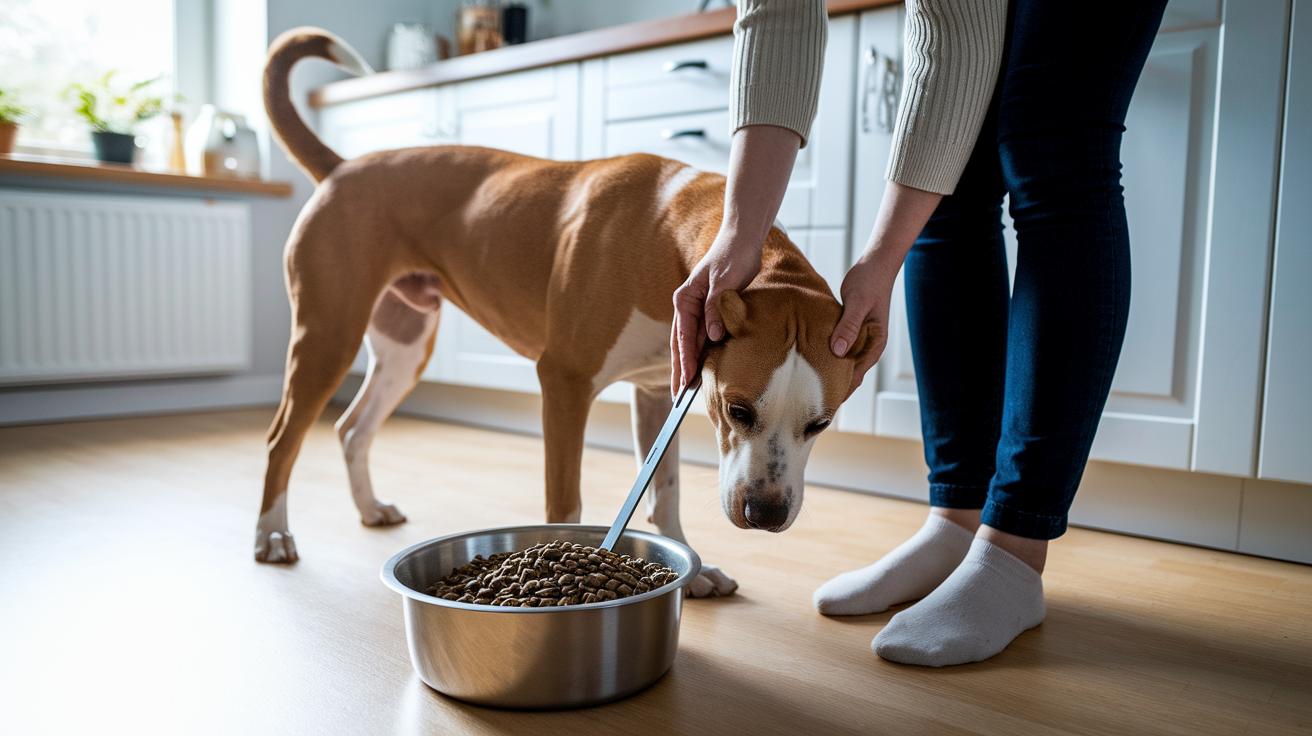
Good nutrition is the heart of a healthy pet. A well-balanced diet gives your furry friend the energy, strength, and proper growth they need. Sadly, nearly half of our cats and dogs in the United States carry extra weight, which might lead to other issues.
Rapid weight loss can sometimes be a sign of problems like hyperthyroidism, a condition where the body makes too many thyroid hormones. Knowing what’s in your pet’s bowl each day helps you see if their meals match their age and size. It also guides you in deciding the right portion sizes and feeding times to keep them in top shape.
Asking smart questions about your pet’s diet can make you feel more at ease and help you design a meal plan that fits their unique needs. Here are some things to think about:
- How much food should my pet eat, and does it change as they get older or gain weight?
- Are they getting all the essential nutrients for a healthy, strong body?
- Would adjusting their diet or trying a prescription food help with any weight issues?
- How can I better manage portion sizes and meal frequency to avoid weight gain?
- What should be the daily calorie amount to keep my pet active without risking obesity?
- When should I consider changing their diet if I notice unusual weight changes or health concerns?
Keeping an eye on your pet’s weight is a big part of staying on top of their health. Regular weigh-ins and chats with your vet about any changes in eating habits help ensure your pet remains active and happy. By reviewing their nutrition often, you’re empowered to make the best diet choices for your furry companion.
Behavior, Dental & Fitness Questions for Your Pet’s Checkup
When you visit your vet, bring up any unusual behaviors you’ve seen, like sudden aggression, too much scratching, or your pet pulling away. These signs might be their way of saying something isn’t quite right inside. You might ask, "Have you noticed any behavior triggers that might hint at a health issue?" This helps catch problems early and lets your vet offer advice that fits your pet perfectly.
It’s also a good idea to discuss your pet’s dental health. Regular dental care can stop issues like gum disease before they become big problems. Ask your vet about the best way to keep your pet’s teeth clean, whether it’s at-home care or a professional cleaning. You could say, "What dental hygiene practices would you recommend to keep my pet’s smile bright?" Having this chat sets you up to keep their teeth healthy and strong.
And don’t forget to check on your pet’s fitness and mental fun. Ask what kind of exercise suits your pet’s age, breed, and health right now. You might say, "Could you suggest some fun activities to keep my pet active?" This conversation can spark ideas for simple games or walks that sharpen both body and mind, helping your furry friend stay vibrant and joyful.
Reviewing Test Results, Costs & Follow-Up Questions for Your Pet’s Checkup
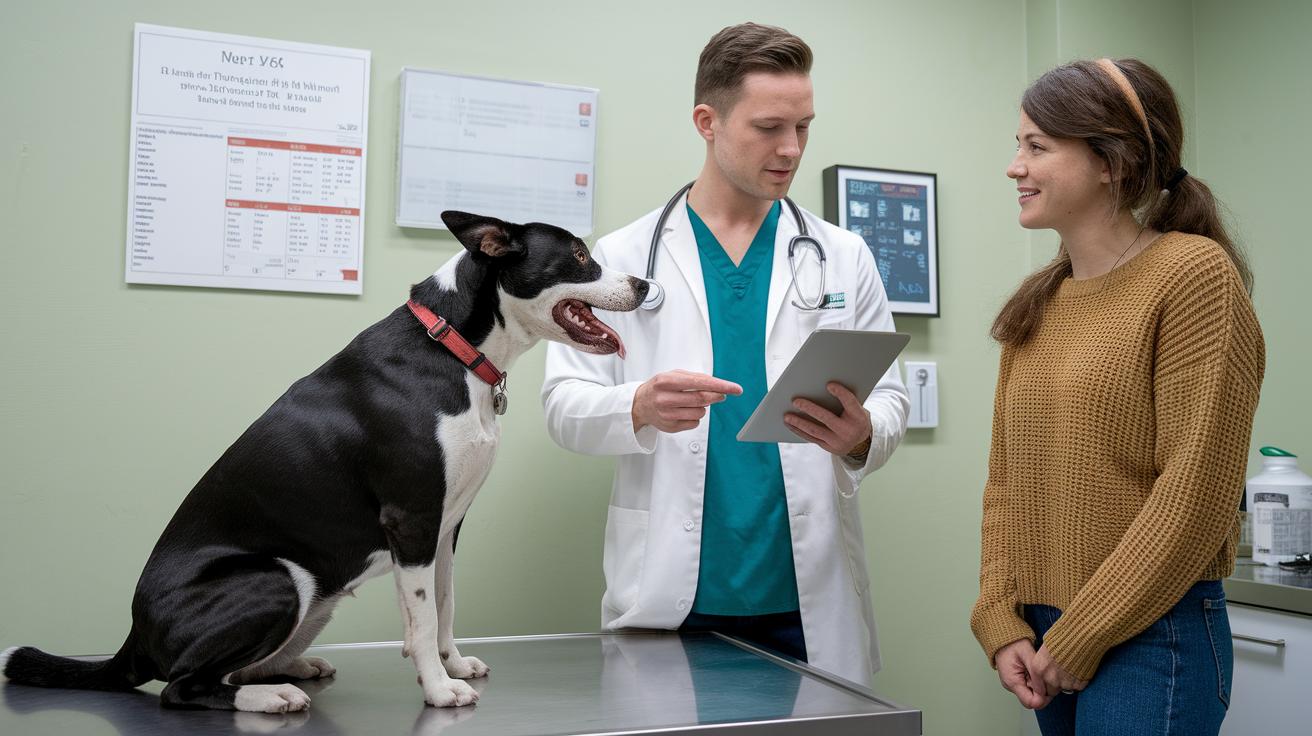
When you’re at the vet with your pet, it's a good idea to ask for clear, everyday explanations about any test results or diagnoses. For example, you might say, "Can you explain what a high white blood cell count means for my pet?" This helps you see how the numbers match up with your pet's overall health.
It’s also helpful to ask about any extra fees and when you should come back for another visit. This way, you get all the details in one chat and avoid having to ask the same questions again.
- What do these test results say about my pet's overall health?
- Can you walk me through each lab result, like what a high white blood cell count might mean?
- Are there any extra costs or follow-up visits I should plan for?
- What signs should I look out for at home that could mean I need to call you?
- Could you explain any medicines or treatments in simple terms?
Final Words
In the action of preparing for your pet’s checkup, this guide clearly shows how asking key questions can make a big difference. Bringing up topics like animal doctor queries, a clinical review checklist, preventive care concerns, and behavior assessment prompts helps ensure your pet’s well-being and happiness.
Prepared questions, clear records, and honest discussions make each visit more effective. Stay positive, ask confidently, and enjoy the journey toward better pet care.
FAQ
Frequently Asked Questions
What are some common questions to ask a veterinarian about their job and practice?
Common questions include asking about the vet’s background, daily responsibilities, and care methods. Inquire how they diagnose pet health issues and tailor treatments for different needs.
What questions should students or shadowers ask a veterinarian?
Students and shadowers should ask about diagnostic steps, treatment decisions, and career insights. It’s helpful to learn how they handle emergencies and develop everyday care plans for pets.
What should you ask during your cat’s first vet visit or any first appointment?
During a first visit, ask about your pet’s health history, current concerns, recommended vaccines, and routine exams. Also, clarify questions regarding diet, weight, and potential signs of illness.
What questions should you ask when introducing a new puppy to the vet?
For a new puppy, ask about vaccination schedules, diet advice, behavior expectations, and early training tips. Request suggestions for socialization and preventive care to start them off healthy.
What should you ask a vet about a service pet?
Ask about the unique needs and training for a service pet. Inquire into health screenings, preventive measures, and specific care routines to support their safety and performance.
What do vets do during a checkup?
Vets review your pet’s health by checking weight, temperature, and behavior, updating vaccine records, and sometimes performing lab tests. They assess overall well-being and address your concerns.
How can you prepare effectively for a pet exam?
Prepare by gathering medical records, noting behavior changes, and listing questions on diet, activity, and vaccinations. This helps create an efficient appointment and thorough care plan for your pet.