
Have you ever thought about turning your backyard into a fun playground for your dog? You’re not alone. Many pet parents love to channel their pup’s boundless energy into something creative. They see a chance to build a DIY dog agility course that transforms everyday space into a playful adventure.
Picture setting up a few simple obstacles, almost like following a treasure map, that lead your dog through little challenges and bursts of joyful play. In this guide, we’ll share easy, step-by-step tips to create a course that lights up your dog’s energy, builds confidence, and adds a touch of delight to your routine.
Step-by-Step DIY Dog Agility Course Construction Blueprint

Start by picking a big, open spot, like a fenced backyard, a roomy garage, or even a safe area in your basement. This way, your dog has plenty of space with few distractions. Grab some stakes or chalk and mark where each obstacle should go. It’s a bit like drawing a treasure map where every mark points to fun playtime.
Next, take a moment to make sure the area is clean and flat. Remove any loose debris and move any furniture or tools that might be in the way. This simple cleanup sets the stage for a safe, welcoming training space for your dog and makes putting in the obstacles much easier.
- Measure and mark where each obstacle will go using a measuring tape and chalk.
- Clear and level the ground so there are no bumps or hazards.
- Set up weave pole anchors and poles, spaced about 60 centimeters apart so your dog can breeze through them.
- Build and set up jump hurdles, adjusting the bar to suit your dog's size.
- Lay out and secure the tunnel, making sure there’s enough room for your dog to run through.
- Construct a teeter-totter with a sturdy, low plank so it moves gently.
- Finally, test each obstacle and adjust their positions or heights to match your dog’s comfort and skill.
Once everything is in place, walk through the course yourself to get a feel for its flow and spot any safety issues. Then, enjoy a few trial runs with your dog to see how they handle the obstacles. If something feels off, tweak the setup until your pup is happily running through a safe and fun agility course.
Essential Materials & Tools for Your DIY Dog Agility Course
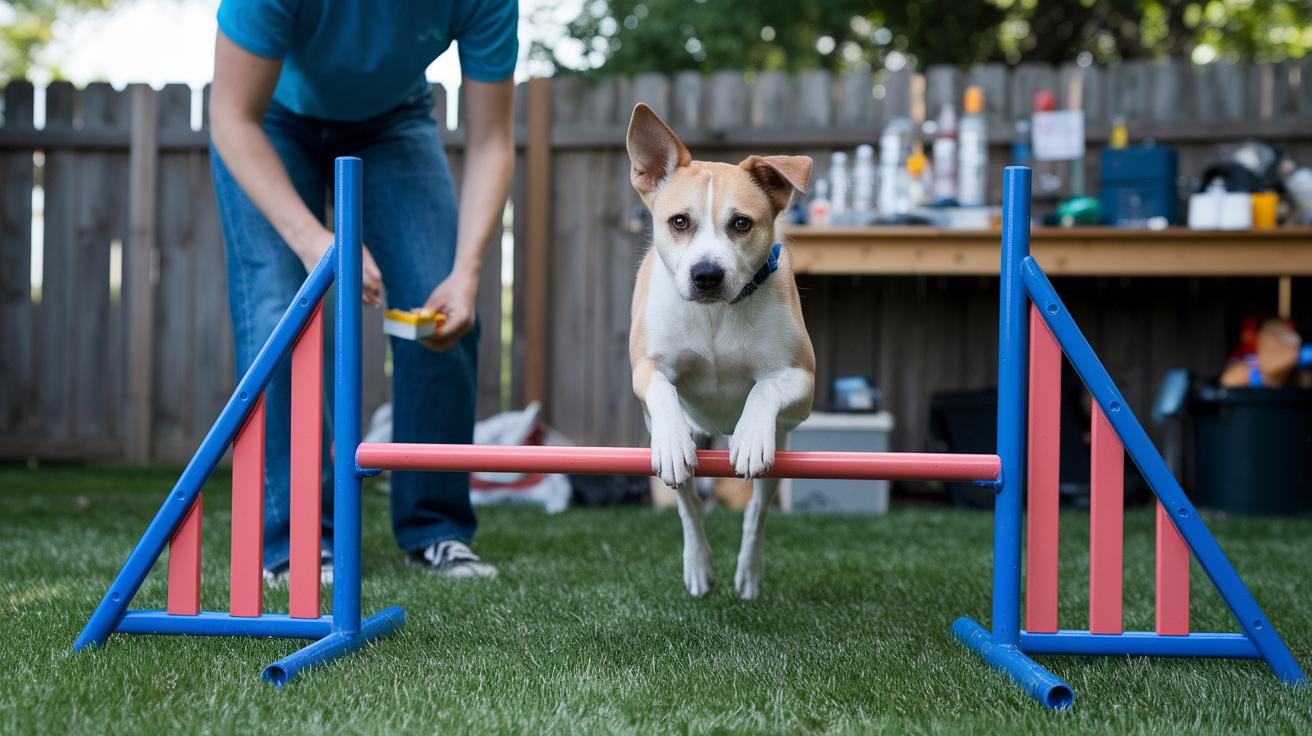
When you're ready to build a fun agility course for your dog, start by looking for inexpensive supplies at your nearby hardware store or online. You can usually find affordable PVC pipes, T-joints, wooden planks, and even pool noodles that will work great for your project. Keep an eye out for bargains or recycled items so you can save money without cutting corners on safety or quality.
| Material | Quantity | Purpose |
|---|---|---|
| PVC Pipes (1″–2″ diameter) | Varies | Used for framing jumps and supporting obstacles |
| T-joints & 4-way fittings | Assorted | Helps connect the PVC pieces for a sturdy fix |
| Wooden Planks | As needed | Great for hurdles and bases for seesaw-like toys |
| Pool Noodles | Plenty | Can be turned into upright supports for weave poles |
| Styrofoam Blocks | Several | Provides safe landing spots for wall jumps |
There are lots of cool recycled options, like broomsticks or milk crates. These items can add a creative twist and make your course even more unique, all while keeping your budget friendly and making sure your furry friend stays safe during play.
Beginner Pet Agility Blueprint: Building Core DIY Dog Obstacles

DIY Weave Poles
Start by setting up some weave poles to help your dog build strength and agility. First, drive sturdy stakes into the ground where you want the poles. Place every pole about 60 centimeters apart so your pup can weave smoothly. If your dog is a beginner, start with three poles, like taking a few small steps before a big adventure, and slowly add more until you have six. Make sure the poles are firmly in place so they won't wobble or fall as your dog runs through them. This not only boosts your dog’s muscle and joint strength but also helps keep their focus sharp during training.
PVC Jump Hurdle
Next, create a PVC jump hurdle just right for your dog's size and skill. Using PVC pipe parts, T-joints, and 4-way fittings, you can put together a sturdy frame for the jump. Adjust the bar to a height that matches your dog’s natural jump. If your furry friend loves a good challenge, try adding wing panels; they help keep the frame stable and secure. Think of it as a mini obstacle that gently invites your dog to push their limits. You can always tweak the height as your dog grows stronger and more confident.
Dog Tunnel Installation
Finally, set up a tunnel that sparks your dog’s sense of adventure. A nylon or PVC tunnel works really well, just be sure to secure both ends by tying them down or using weights. If you can, add a slight curve to the tunnel to give it a fun, secret-path feel. Imagine your dog dashing through a tunnel like it’s exploring a hidden passage in a castle! Make sure the tunnel is long enough for your pet to build up speed while still staying safe. This simple tunnel design not only gets your dog excited but also improves their focus and coordination.
Creative Jump, A-Frame & Seesaw Plans for DIY Dog Agility Course

Are you ready to take your dog's training to the next level? These fun challenges add a playful twist and build your pup's confidence. They'll learn to adjust to new textures and angles, almost like exploring a mini obstacle adventure. Imagine your furry friend tackling each hurdle with the spirit of a little acrobat!
For a wooden hurdle, grab a solid 4×4 plank and give it a coat of sand-paint mix for a non-slip finish. Set it on supports that let you easily adjust the bar up or down. It's like creating a mini runway where every jump strengthens your dog's agility and trust.
Next, build an A-frame using two sturdy plywood panels connected at the top with about a 30° angle between them. Rest these panels on steady buckets or blocks so your dog has a safe, sloping climb, almost like a gentle mountain. This setup helps improve balance and coordination while keeping things fun.
Finally, try a playful seesaw. Balance a long plank on a short log or simple pivot, and keep the fulcrum low for beginners. Your pet will love the gentle rocking motion that helps fine-tune timing and balance. Adjust it just right, like tuning a favorite instrument, and enjoy watching your dog have a blast every time they take a ride.
Customizing Your DIY Dog Agility Course for Any Space

Before you dive into building your course, take a good look around your space. Whether you live in a snug apartment or have a little backyard to play in, make sure the area is safe and free from any hazards. Find a spot that gives you enough room where you can set up a few simple obstacles.
Think about a design that is flexible enough for you to change up whenever you need. For example, in a small yard, you could use foldable PVC jumps and stackable Styrofoam wall jumps that you easily move around when space is tight. If you're setting up indoor agility, try placing some weave poles along the hallway or create broomstick jumps using sturdy plant pot supports. A mini tunnel in a clear area can add even more fun to the setup.
Changing the obstacle layout every couple of weeks is a great idea to keep your dog curious and engaged. Adjusting the distance between each hurdle based on your pet’s skill level and the size of your space lets you switch from a quick play session to a more challenging workout. For smaller breeds especially, lower the height of the jumps and bring obstacles a bit closer together. This way, the course fits their size and skills perfectly, keeping every run both fun and safe.
Safety & Training Tips for a Successful DIY Dog Agility Course
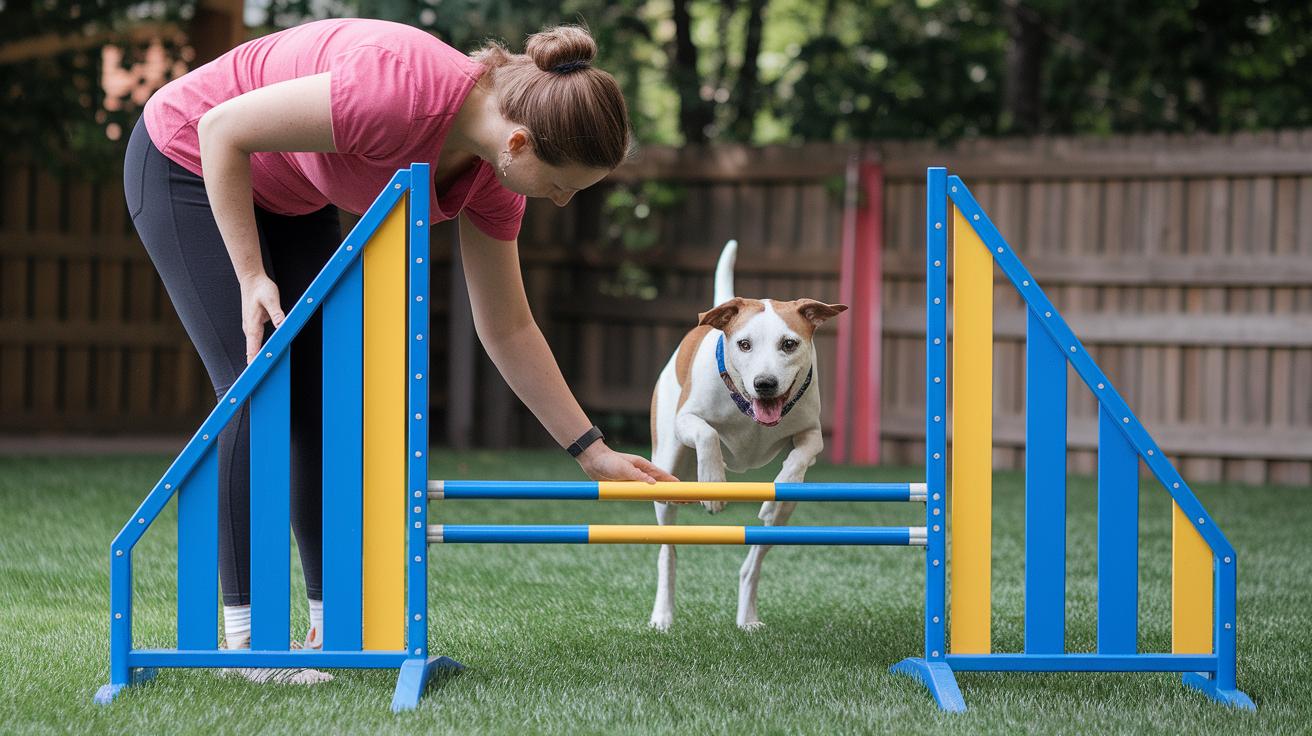
Before you set up your course, make sure your dog is in tip-top shape. It’s a good idea to chat with your vet and get a quick health check, kind of like giving your best buddy a little exam before playtime. This way, you can adjust obstacle heights and plan the course so it matches your dog’s unique skills without overdoing it.
At each obstacle, mix in plenty of praise and rewards to keep your pup excited. For example, when your dog nails a jump, offer a tasty treat (like these dog training treats at https://reipet.com?p=480) and a big compliment right away. This positive feedback helps your furry friend learn and feel more confident as you add new challenges along the way.
Keep safety a top priority by checking that surfaces are even and not slippery. It’s important to clear away any debris and slowly raise the height and difficulty of the obstacles as your dog becomes more comfortable and skilled. Remember, taking it one step at a time can make all the difference in keeping your pet happy and safe.
Final Words
in the action, we covered building a comprehensive course from site prep to final tweaks. We walked through layout planning, step-by-step construction, and even creative advanced obstacle ideas. The guide showed how every detail adds value to your diy dog agility course, ensuring fun and safe workouts for your furry friend. The tips on safety and positive reinforcement tie everything together, leaving you ready to set up a course that sparks joy and healthy play. Enjoy every moment of this rewarding project and watch your pet shine!
FAQ
How can I build a free, cheap, and easy DIY dog agility course using household items?
Creating a free, cheap, and easy homemade dog agility course means using everyday items like chairs, broomsticks, and PVC pipes to form hurdles, tunnels, and weave poles, offering fun exercise and mental stimulation on a budget.
How do I set up a DIY dog agility course indoor?
Building an indoor dog agility course means using your home’s space to create compact obstacles. Try hallway weave poles, small jumps, and mini tunnels to keep your dog engaged and safely active indoors.
How can I build a DIY dog agility course outdoor?
Constructing an outdoor dog agility course means setting up obstacles in your yard or another safe area. Arrange durable hurdles, tunnels, and weave poles with weather-resistant materials for active and safe play.
How do I design a DIY dog agility course using PVC?
Creating a PVC-based dog agility course means utilizing durable pipes to build jump hurdles and weave poles. PVC offers an affordable, easy-to-assemble, and weather-resistant solution perfect for backyard obstacles.
How is a DIY dog agility tunnel made?
Crafting a DIY dog agility tunnel means using flexible materials like nylon fabric or PVC. Secure both ends firmly so your pet can run through a smooth, safe tunnel that builds speed and confidence.
What are the 3 C’s of dog training?
The 3 C’s of dog training mean practicing consistency, clear communication, and calmness. These principles set clear expectations, build trust, and support learning while making training enjoyable for your pet.
Can I teach my dog agility at home?
Teaching dog agility at home means you can create a simple course with basic obstacles in a safe space. Start small, use positive treats, and gradually build your dog’s skill and confidence through fun practice.
What age should dogs start agility training?
Starting agility training means many dogs can begin around six months old. However, it’s best to consult your veterinarian to ensure your pet’s growth and readiness for physical challenges.