
Have you ever noticed that a little mix-up in training might actually help your dog learn better? It sounds a bit odd, but even when we get our commands tangled or send mixed signals, those moments can be a helpful part of the learning process. Sometimes, our furry friends seem a bit confused when things aren’t clear, and that’s okay. In truth, spotting these common mistakes can help you build a closer bond with your pup and lead to a friendlier, well-trained companion. Let’s look at how every small slip-up can be a chance for growth and a step toward a happier, more obedient dog.
Common Dog Obedience Mistakes: An Overview
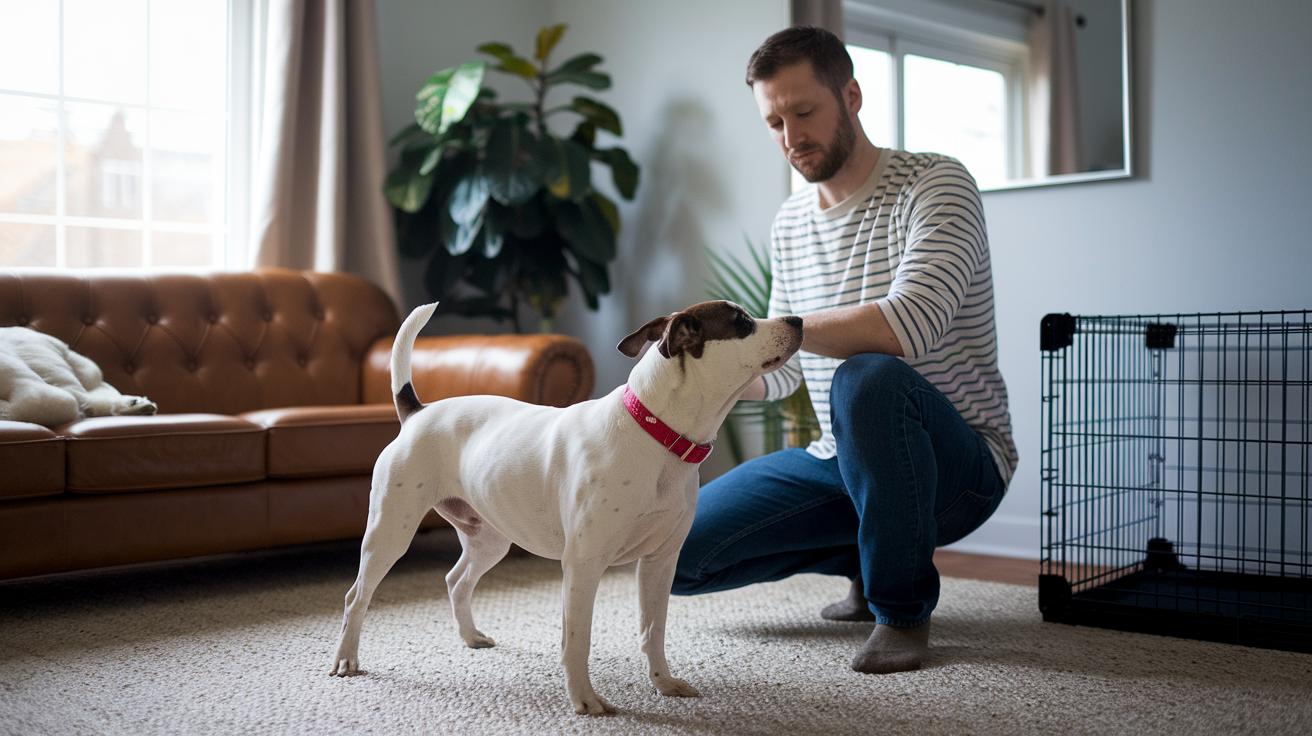
Even tiny training mistakes can set you back. When you mix up words or use body signals that don't match your command, your dog gets confused about what you really want. Soon, these small errors can turn into bad habits that are tough to break.
Simple slip-ups like changing up commands or ignoring behaviors you don't want can add up over time. For example, if you let your dog chew through crate beds again and again, it sends the wrong message. Trainers say that these little mistakes can hurt the bond between you and your pup, leading to frustration and slower progress.
- Mixed verbal cues for the same command.
- Contradictory body language during training.
- Inconsistent tone of voice when giving commands.
- Overusing punishment or negative corrections.
- Letting unwanted behaviors happen repeatedly.
- Not setting clear, steady expectations.
- Relying too much on treats without immediate rewards.
- Delaying rewards after the desired actions.
- Failing to build a positive, respectful relationship.
Working on these issues is key to building a strong foundation for obedience. Focus on being consistent and using plenty of positive reinforcement. This not only fixes mistakes, but it also builds trust between you and your furry friend, paving the way for a happier, more balanced relationship.
Miscommunication in Commands and Cues in Dog Obedience Training
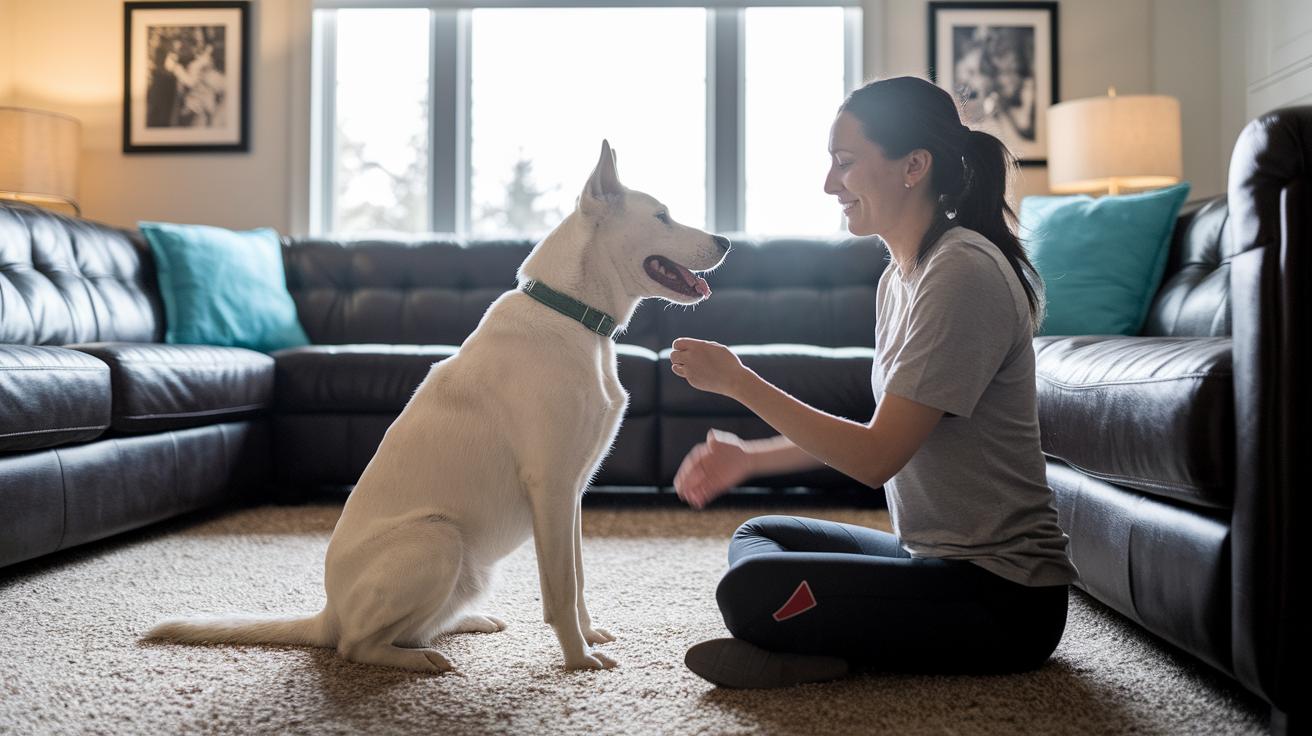
When training your dog, consistency is key. Sometimes, using different words and shifting body gestures can leave your pet confused about what’s expected. Instead of mixing phrases, use one clear command, say "sit" every time. Stick to a steady posture and a calm tone so your dog can learn without mixed signals.
Dogs are very tuned into our body language. When you lean forward sometimes and stand straight at other times while saying the same command, it sends extra signals that might slow down their learning. Imagine if every time you said "sit," you looked a little different, it would be like asking your dog to solve a puzzle every time!
This kind of mismatch can result in slower responses or even your dog ignoring the command altogether. So, try these simple tips: use one consistent word for each behavior, keep your body language steady, speak in a calm voice, and do short, fun practice sessions. This approach makes it easier for your dog to understand what you mean.
Fun fact: Before Marie Curie became a world-renowned scientist, she once carried test tubes of radioactive material in her pockets, not realizing the risks. Just like sticking with what works in training, a small, steady step can lead to big changes over time.
Timing Errors and Reinforcement Technique Failures in Dog Obedience Training
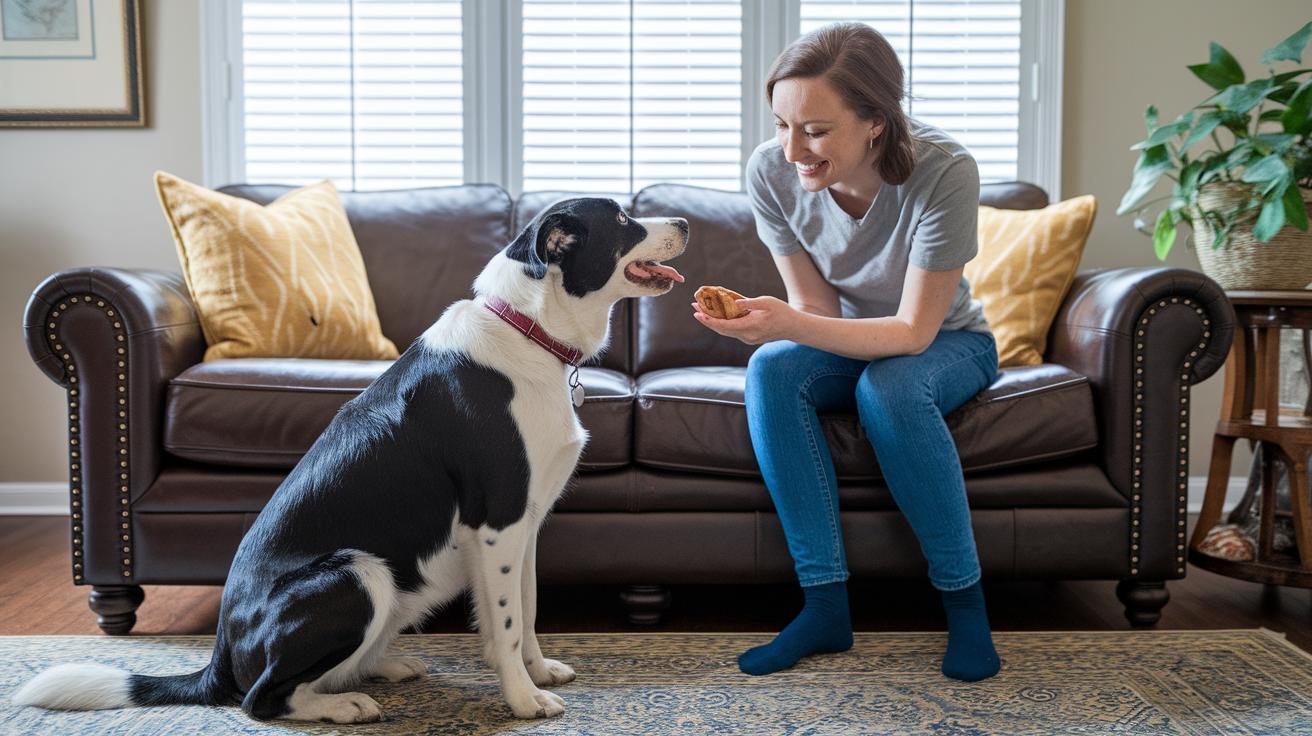
Dogs learn best when you link their actions quickly with a reward. When your pup follows a command, giving a treat, sharing kind words, or offering a favorite toy shows that they did the right thing. Even a short delay can confuse your dog, making it hard for them to know which action earned the reward. In fact, if treats come too late, your dog might start hesitating or waiting for food instead of acting immediately.
Timing mistakes during training are pretty common. Sometimes we miss the right moment to hand out a reward, and this can slow down your dog's progress. When rewards are given too late, they might seem random, leaving your dog unsure if they’re being praised for the action or just getting a surprise treat. A few trainers even mention that holding back a treat at the critical moment can feel like a punishment. To avoid these mix-ups, it’s really important to deliver your reward within one second of your dog’s correct action.
Here are a few simple tips to help you get it right:
- Notice the exact moment your dog completes a command.
- Get your rewards ready in advance so you can hand them out instantly.
- Stick to giving clear, immediate feedback during your training sessions.
Punishment Method Pitfalls and Negative Feedback Consequences in Dog Obedience Training
When you use harsh corrections like yanking the leash or loud, sharp words, it might stop a problem behavior for a moment, but over time these tactics can hurt more than help. Your dog may begin to feel scared, avoid you, or even get aggressive. Instead of learning the right choices, your pet starts to expect pain whenever it makes a mistake. Picture your dog hesitating or turning away when you call its name, that’s a clear sign that heavy-handed discipline might be doing more harm than good.
Switching to a positive, reward-based approach can make a big difference. Rather than focusing on what your dog did wrong, celebrate the behaviors you love with plenty of praise and tasty treats. This kind of balanced method helps build a trusting bond and encourages your dog to obey because it feels loved and secure. And if you find yourself a bit stuck with training techniques, it might be a great idea to get tips from a professional who uses gentle, science-backed methods.
Environment-Related Dog Obedience Mistakes: Distraction Management and Crate Training Errors
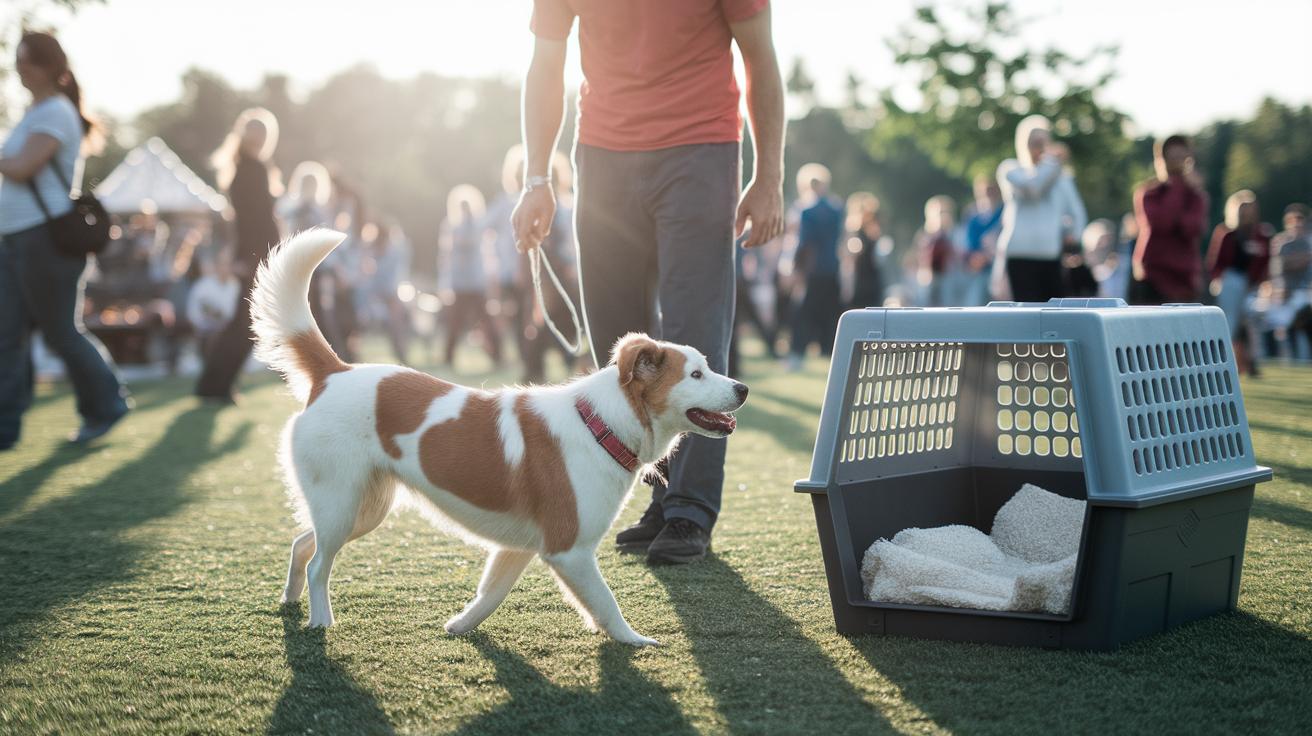
Training your dog in busy places like bustling parks or crowded streets can feel like too much for them. When you only practice commands in quiet, calm spots, your furry friend might get sidetracked by other dogs, strangers, or sudden noises. This can make it hard for your pup to know what you’re asking, turning training into a guessing game that stalls progress.
At home, how you set up the crate is just as important. If your dog starts chewing on the crate bedding or shows destructive behavior while confined, they may think misbehaving is okay. A crate that isn’t introduced with care or isn’t comfortable can make things worse. The key is to build a quiet and safe training zone with clear routines, so your dog learns to focus no matter what’s happening around them.
Crate Training Mistakes
Introducing the crate too quickly or ignoring your dog’s comfort can lead to ongoing issues. Start slowly by letting your dog get used to the crate bit by bit. Add a soft bed inside and keep a close eye during their first sessions. For extra help, check out these dog crate training tips: https://reipet.com?p=217. This way, your dog will see the crate as a cozy, safe spot instead of a place to feel punished.
Distraction Management Errors
If you jump into training without slowly increasing the level of distractions, your dog might get thrown off in busier settings. Begin in a quiet spot and then gradually move to areas with more activity. Practicing in different places helps your dog learn to respond reliably even when things change. This approach builds focus and makes training enjoyable, just like a fun playdate with your best friend.
Training Session Management: Structure, Consistency, and Progression in Obedience Training
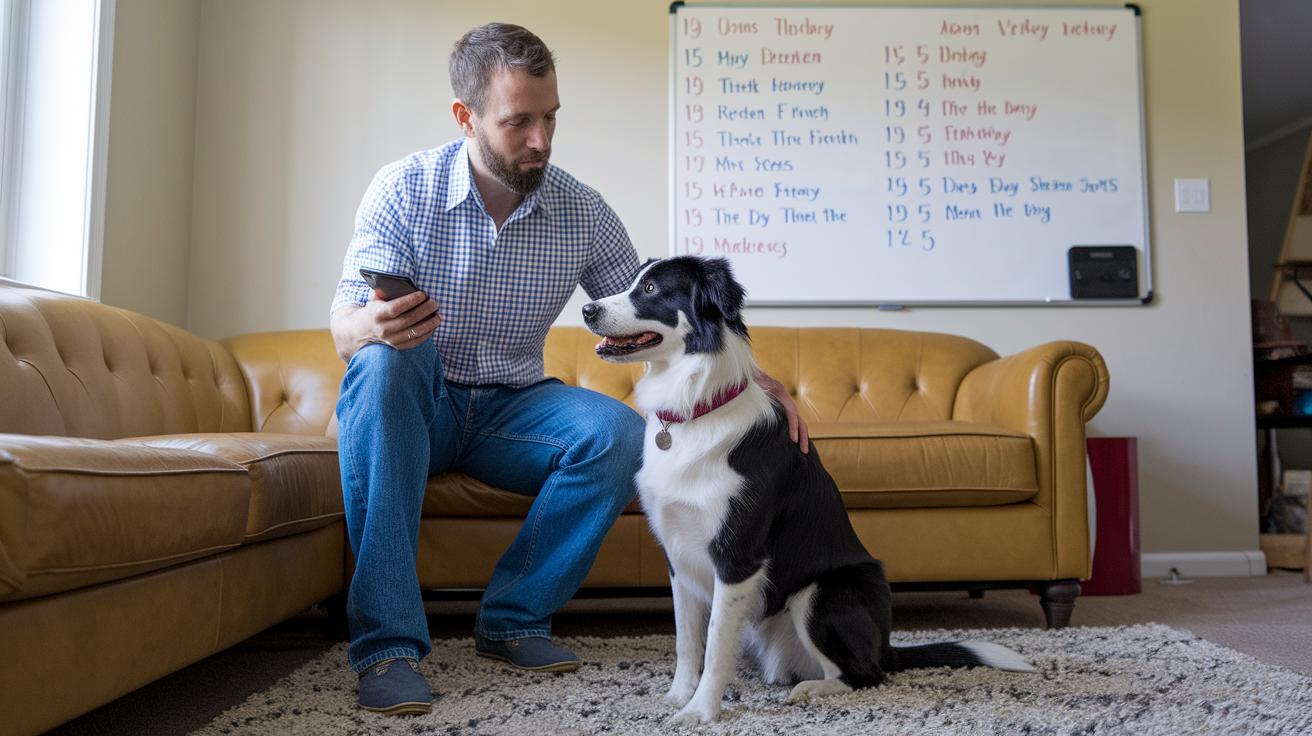
Planning out your training sessions makes a big difference. Stick to a regular schedule with sessions of similar lengths so your dog knows what’s coming, much like eating breakfast at the same time every day. When you follow a set order in your sessions, your pup gradually tackles new challenges, starting with basic commands and then trying fancier tricks. This clear plan helps avoid confusion and makes training safe and fun.
Consistency is just as important as planning. Changing your method or scrambling the command order can leave your dog feeling lost and less interested. Keeping a steady pace with familiar commands and checking in on progress helps you see how well your pup is doing. Think of it like a reliable puppy class or group session where a routine gives your dog the comfort to learn and follow commands. A well-organized session not only teaches obedience but also builds trust, helping your furry friend shine under clear and loving guidance.
| Session Mistake | Impact | Corrective Action |
|---|---|---|
| Irregular Session Lengths | Makes the dog feel uneasy | Hold training sessions at the same time each day |
| Random Command Order | Slows down learning and causes confusion | Create a step-by-step order for commands |
| Shifting Teaching Styles | Mixed signals lead to frustration | Stick with one method during each session |
| Skipping Milestone Tracking | Prevents steady progress | Keep an eye on progress and set clear goals |
Overlooking Positive Reinforcement Opportunities in Dog Obedience Training
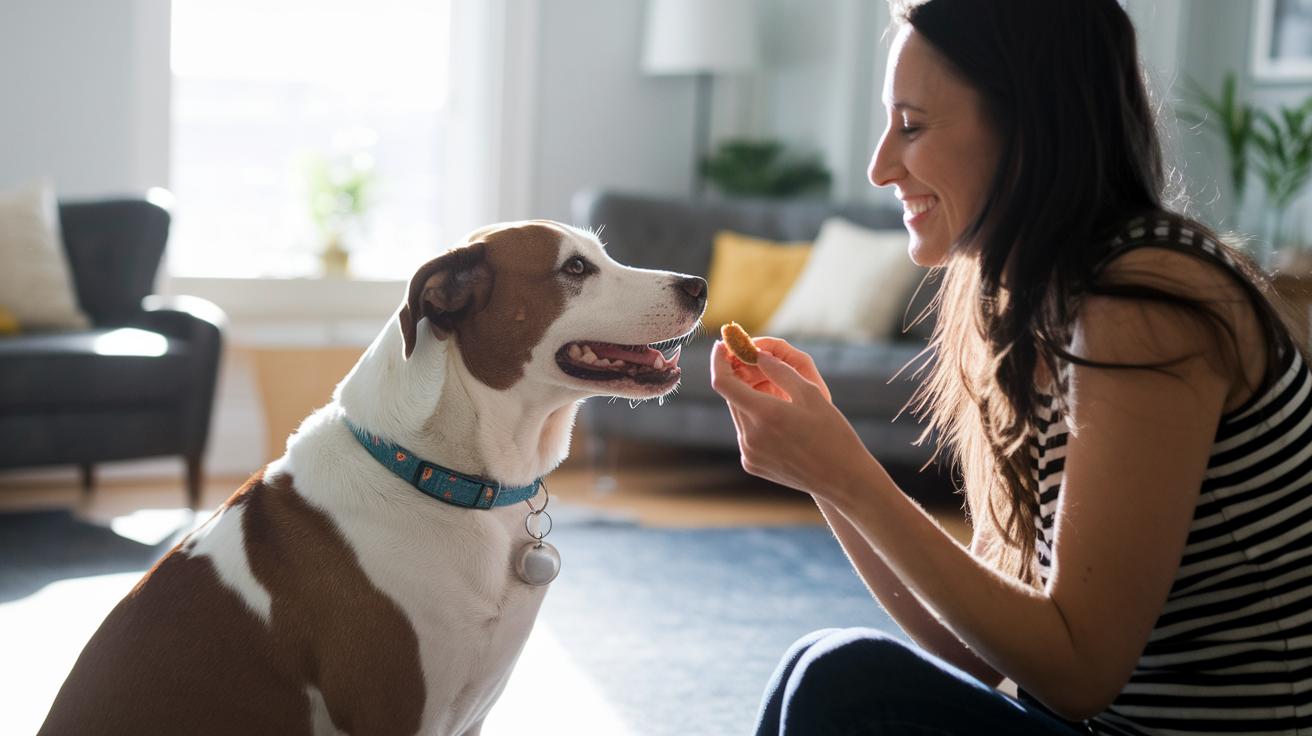
Understanding how rewards work in your dog's mind is really important. When your dog listens and gets a treat, a toy, or a friendly "good job!" right away, they quickly learn what behavior you celebrate. Picture this: you say "Good job, buddy!" with a smile as your dog sits down, and that instant praise makes the reward feel super special. Dogs love those happy moments, so timely rewards boost their confidence and self-control, turning each training session into a fun learning experience.
Sometimes, though, we focus too much on correcting mistakes and forget to cheer on the calm, good behaviors. Relying on treats for every action and doing the same drill repeatedly might make training feel boring or even stressful. This steady repetition can overwhelm your dog and lower their excitement to respond. Without mixing things up, those training sessions lose a bit of their sparkle and the chance to build solid self-control.
So, switch up the rewards to keep things fresh and effective. Try offering different treats, rotating between toys, or even changing your verbal praise from time to time. This variety helps keep your dog engaged and motivated, making each training drill feel new and fun.
Final Words
In the action, we dived into frequent errors that can turn a fun training session into a challenge. We touched on mixed cues, timing mistakes, and even how the environment can trigger common dog obedience mistakes. Small slips like inconsistent commands or mismanaged sessions can add up. Addressing these issues with positive reinforcement and clear structure makes a world of difference. A steady approach builds trust and sets up both you and your pet for many rewarding, playful moments ahead.
FAQ
Q: What common dog obedience mistakes are mentioned on Reddit?
A: The common dog obedience mistakes mentioned on Reddit include mixing cues, inconsistent commands, and accidental reinforcement of unwanted behaviors, all of which confuse your dog and slow down learning.
Q: What is meant by the dog training four quadrants method?
A: The dog training four quadrants method divides training into four sections where rewards and subtle corrections help teach your dog clear actions, making training more balanced and effective.
Q: What does operant conditioning dog training involve?
A: Operant conditioning dog training involves teaching through rewards and light corrections, so your dog learns which behaviors earn praise and which actions need a change, creating lasting habits.
Q: What defines positive dog training techniques?
A: Positive dog training techniques focus on rewarding desired behavior with treats, praise, or play, ensuring that your dog learns happily while building trust and clear communication between you two.
Q: What are AKC dog training hand signals?
A: AKC dog training hand signals are specific, standardized gestures recognized by the American Kennel Club that help your dog quickly understand commands when paired consistently with verbal cues.
Q: How can I teach my dog obedience effectively?
A: Teaching dog obedience effectively means using clear, consistent cues paired with immediate rewards, gradually introducing distractions, and practicing regularly to build a strong, respectful bond with your pet.
Q: What dog training methods are most recommended by experts?
A: Dog training methods recommended by experts blend positive reinforcement with structured, step-by-step commands, ensuring that sessions are consistent, enjoyable, and build a strong learning foundation for your dog.
Q: What common dog training terms should I know?
A: Common dog training terms include positive reinforcement (reward for good behavior), cues (signals for specific actions), and operant conditioning (learning through consequences), all vital for clear pet communication.
Q: What do the 7 7 7 and 3 3 3 rules for dog training mean?
A: The 7 7 7 and 3 3 3 rules for dog training are guidelines that stress multiple, short training sessions with immediate rewards, ensuring your dog builds lasting habits with frequent practice.
Q: What are the 4 F’s of dog behavior?
A: The 4 F’s of dog behavior refer to fight, flight, freeze, and function, which help explain why dogs might react aggressively, run away, become immobile, or simply perform routine behaviors in stressful situations.
Q: What does a red flag in a dog’s behavior look like?
A: A red flag in a dog’s behavior may appear as sudden aggression, fearfulness, or excessive anxiety, signaling that the dog might benefit from professional evaluation to ensure a safe and positive environment.